SAS names new CTO and buys British firm specializing in no-code app building
SAS Institute is starting the new year off with a blast of activity.
On Thursday, the Cary-based software giant named a new chief technology officer and bought a British technology startup specializing in no-code application building.
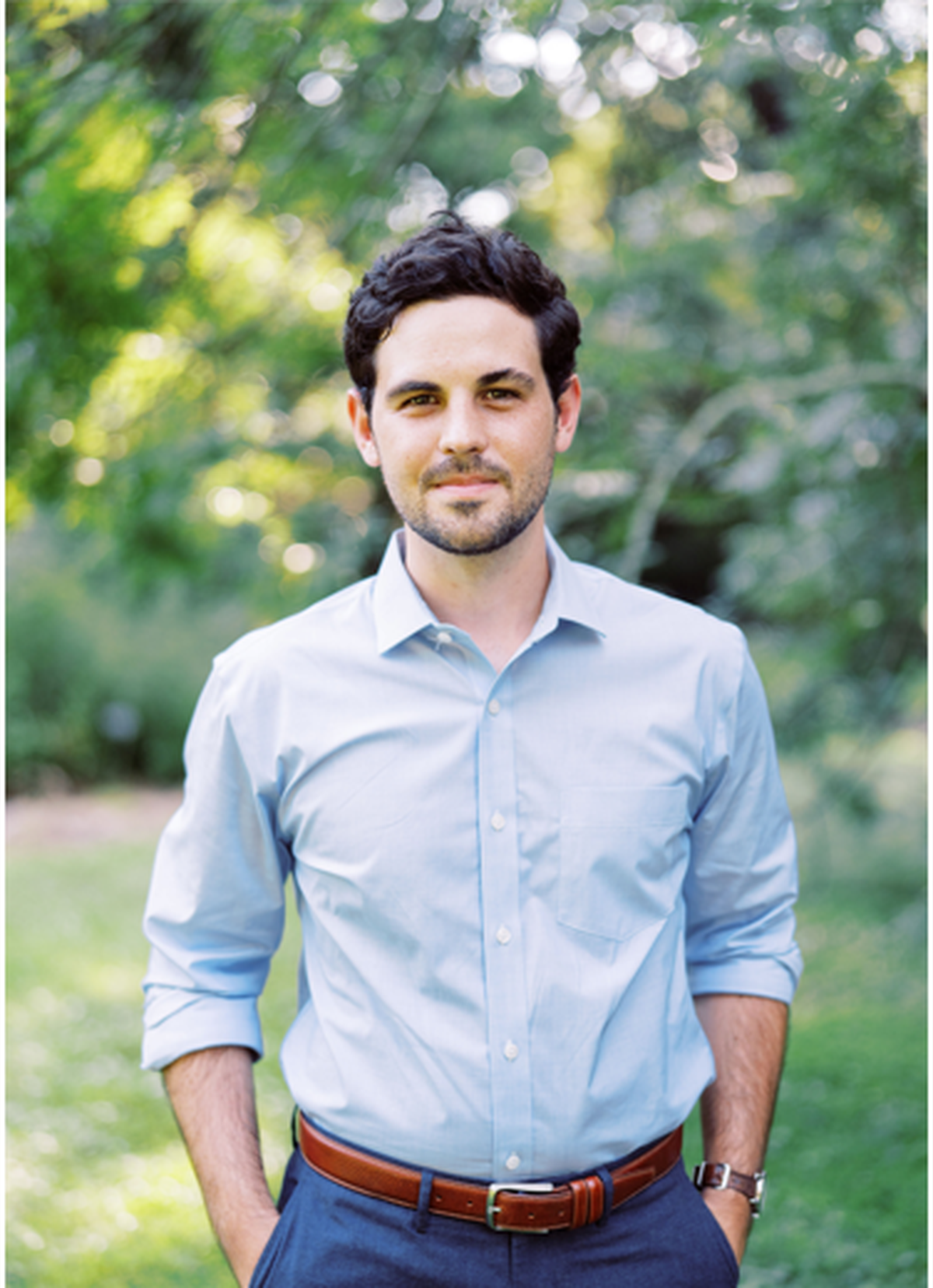
SAS revealed it has tapped Bryan Harris, a leader in its research and development team, as its new chief technology officer.
He takes the job after SAS’s previous CTO, Oliver Schabenberger, left his role last month as CTO and chief operating officer.
SAS spokeswoman Shannon Heath said that Harris’ promotion was several months in the making and was unrelated to Schabenberger’s departure.
“Bryan’s appointment to Executive Vice President and Chief Technology Officer was several months in the making prior to (and unrelated to) Oliver’s departure, with plans for Bryan’s new role to be effective January 2021,” Heath said in an email. “We are glad these plans continued to fruition. “
SAS has no plans at the moment to fill the now empty chief operating officer position, Heath added.
Schabenberger had long been considered the heir apparent to Jim Goodnight, who co-founded SAS while working at N.C. State University in 1976. Goodnight even went as far as telling Bloomberg in 2019 that Schabenberger was in line to replace him.
However, Goodnight, who is now in his late 70s, has given no indication he is ready to leave SAS.
The company gave a statement, saying: “Jim Goodnight remains at the helm of the company — and he is surrounded by a deep leadership bench and more than 14,000 global employees all focused on one goal: providing analytics and AI software that helps businesses succeed.”
On Thursday, Goodnight added in a statement that Harris will continue to move the company forward.
“As CTO, Bryan will push SAS to continue leading the market and drive innovation as he leads the organization to do what we do best: develop analytical solutions to address customers’ business problems, with an emphasis on continuous integration/continuous delivery and cloud-first technologies,” Goodnight said.
Harris was not available for an interview before this story was published.
SAS is one of the largest privately held software companies in the world.
In its most recent annual report, the company said it made $3.1 billion in revenue in 2019, a number that was flat from the previous year.
In May, Goodnight said that COVID-19 might prevent the company from making a profit for the first year since it was founded.
On Thursday, Heath said that while financial results were not yet finalized, the company did indeed make a profit in 2020, though revenue declined by about 2% to 3%.
No-code app building
Also on Thursday, SAS revealed it is buying the British startup Boemska, a tech firm that enables users to build no-code apps that integrate SAS’s analytics into devices like drones and cameras.
Terms of the deal were not disclosed.
No-code apps make it easier for people without a development background to create applications. SAS believes this could speed up adoption of the use of its analytics platform in things like wearable devices, drones, cameras and e-commerce marketplaces.
The acquisition continues SAS’s focus in recent years to make its analytics tools more readily available to customers, whether it is in devices or through cloud computing. Last year, SAS inked a partnership with Microsoft’s Azure cloud computing services to help its customers transition its platform into their cloud networks.
“This no-code ability allows you — whether it’s partners or somebody in consulting — to really take advantage of SAS technology and build their own apps,” said Jonathan Wexler, a senior manager of Product Management at SAS.
“You don’t have to know SAS,” he added. “These are purpose built applications that really take the most important parts of SAS ... and make it more approachable.”
Thousands of businesses, governments and universities use SAS’s analytics platform to analyze data. The move will make it easier for them to implant SAS technology in machines at hospitals or factories, for example, and collect data faster and at the source.
“This allows SAS to be everywhere,” Wexler said, “moving outside of the walls of SAS and allowing us to really integrate closer to where decisions are made.”
This story was produced with financial support from a coalition of partners led by Innovate Raleigh as part of an independent journalism fellowship program. The N&O maintains full editorial control of the work. Learn more; go to bit.ly/newsinnovate
This story was originally published January 7, 2021 at 8:00 AM.