Verily, owned by Google’s parent company, buys Raleigh health-care software startup

Verily, a life-science company owned by Google parent company Alphabet, is buying Raleigh-based SignalPath, a startup that makes clinical-research software, the two companies said Tuesday.
The purchase, made for an undisclosed sum, will give Verily control of SignalPath’s clinical-trial management software, which helps health systems efficiently manage multiple clinical trials.
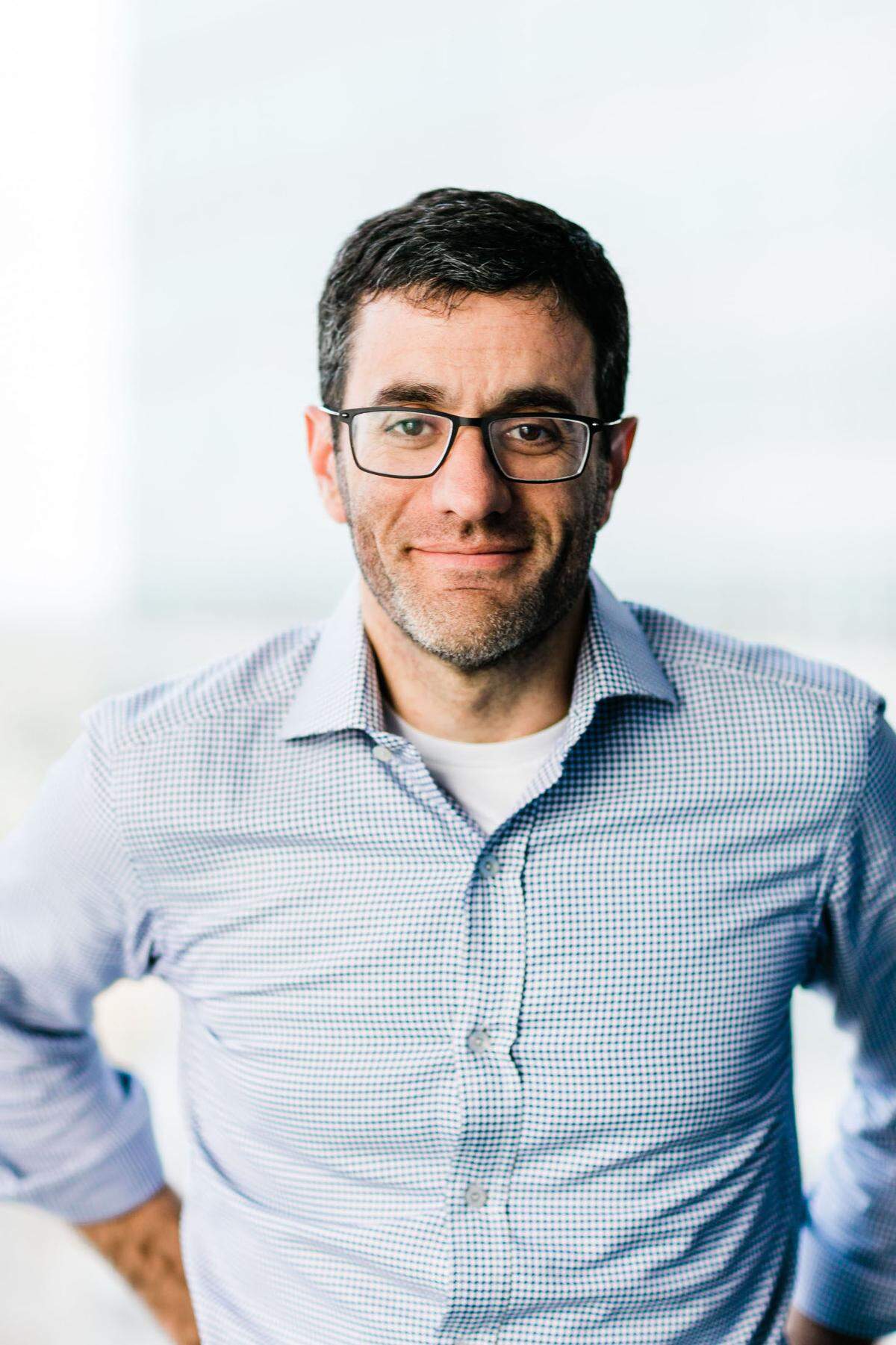
“The process of conducting clinical research studies ... is very regulated,” Amy Abernethy, Verily’s president of clinical studies platforms, said in a video interview. “There’s a lot of requirements from the FDA. There’s a lot of requirements from the companies or manufacturers that make the drugs and the devices. And the requirements of conducting the study itself can be very burdensome.”
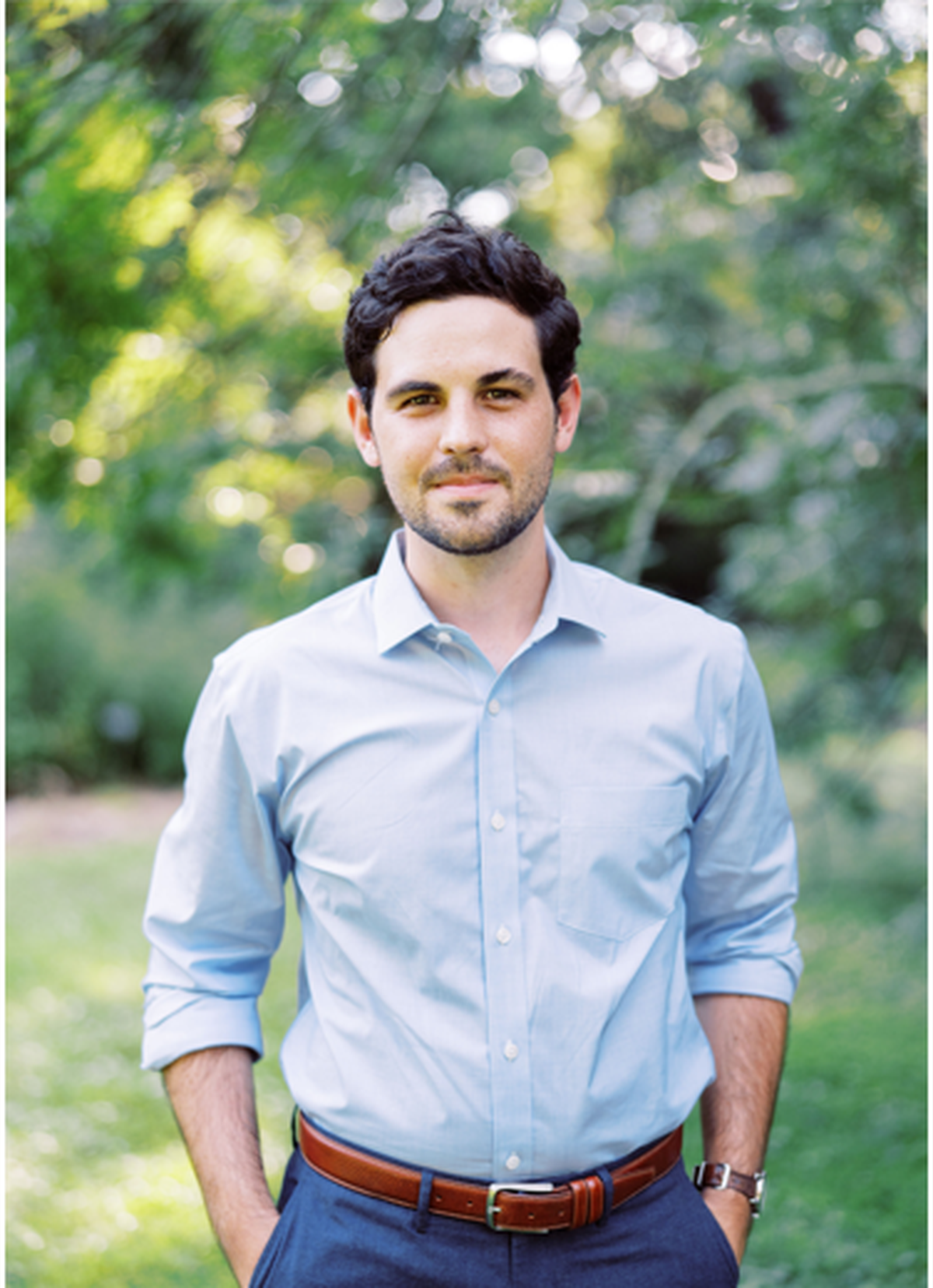
SignalPath was founded in 2014 by Duke University professor Brad Hirsch, who serves as the company’s CEO. Its software, Abernethy said, allows clinical research sites to “work as efficiently as possible” and lets them “focus better on patients.”
SignalPath’s technology will be added to Verily’s own clinical-trial software system, which is called Baseline, the company said. The goal of Baseline is to speed up clinical trials by improving data aggregation and analysis.
SignalPath has grown steadily over the past few years. The company raised $18 million from investors in 2019, and had grown its headcount at its Raleigh headquarters to around 100.
Hirsch said that growth had put his company at a crossroads.
“We had an incredible number of health systems join us in the second half of last year compared to our prior trajectories,” he said. “We are really taking off and we said, ‘Do we keep going this route, do we want to raise a lot of money or do we want to partner?’”
Hirsch said Verily’s vast resources offer it the best chances to accelerate its growth. Verily also gave Hirsch a commitment that it would keep his team in its Raleigh office.
SignalPath’s office in Raleigh will now become part of Verily, and the company’s employees will join Verily’s clinical-research division.
Alphabet grows Triangle presence
Verily, founded in 2015 and formerly known as Google Life Sciences, focuses on using technology to improve health care. It manages a portfolio of companies focusing on solutions on a variety of issues, from research into Parkinson’s disease to a platform that helps people manager type 2 diabetes.
To fund its research and development, Verily raised $1 billion from investors in 2019, including from the private-equity firm Silver Lake. In total, it’s raised $2.5 billion since it was founded.
Abernethy, who joined Verily in June after serving a stint as principal deputy commissioner of the U.S. Food and Drug Administration, said the COVID-19 pandemic has shown the importance of bringing more innovation to clinical research.
The pandemic accelerated the adoption of technology for remote monitoring of study participants or the delivery of medicine or investigational products directly to patients, she said.
“Research is going to be forever changed” by the pandemic, Abernethy said. “But in order to be able to pull that off, we’re going to need to leverage software and data in new ways to be able to keep everything coordinated and maintain our ability to understand how treatments performed.”
%20(1).jpg "1AmyAbernethyJune2015_16star (2) (1).jpg")
The move adds to Alphabet’s footprint in the Triangle. Earlier this year, Google announced it was opening a cloud computing hub in downtown Durham, with plans to hire up to 1,000 employees in the next five years. Already, Google has begun making key hires for that office.
Google’s investment arm, GV, also led a $70 million investment round earlier this year into Durham-based Xilis, a cancer-treatment startup founded by Duke professors.
Hirsch said SignalPath had been approached by other companies in the past that would have required him to move his company. But, the Triangle’s mix of research universities and a large number of contract-research organizations has created a unique talent mix that has helped Hirsch’s company grow.
Abernethy said keeping an office in Raleigh was an obvious choice given the Triangle area’s expertise in technology and health care.
Raleigh “is a great place to recruit talent,” she said. “There’s a lot of very talented individuals in the Triangle, including with respect to engineering and clinical research, and also access to people who understand health care. So it’s a really great place from that perspective.”
There are quite a few Duke connections between the two companies as well. Both Hirsch and Abernethy are Duke alumni and former professors.
In 2019, Verily also hired Robert Califf, Duke Health’s vice chancellor for data sciences and former commissioner of the U.S. Food and Drug Administration, to lead its health policy efforts.
This story was produced with financial support from a coalition of partners led by Innovate Raleigh as part of an independent journalism fellowship program. The N&O maintains full editorial control of the work. Learn more; go to bit.ly/newsinnovate.
This story was originally published August 17, 2021 at 12:30 PM.