Financial services firm Fidelity to add more than 1,500 jobs in Research Triangle Park
Fidelity, the Boston-based financial services giant, will add another 1,538 jobs in Research Triangle Park— the company’s third expansion this year, as it attempts to keep up with a rapid growth in demand for online financial products.
The jobs will be focused on technology roles as well as customer-service positions, the company told The News & Observer.
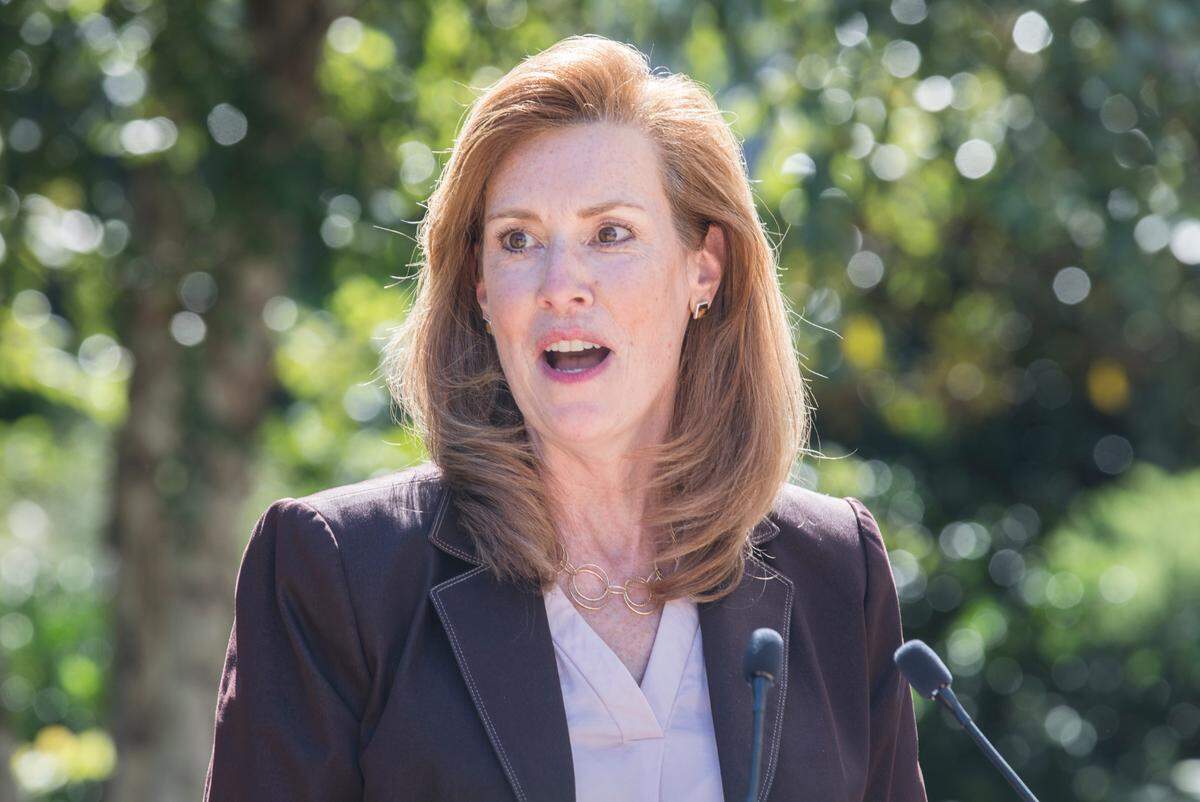
Gov. Roy Cooper made the jobs announcement at the RTP campus Monday alongside Fidelity officials. Fidelity plans to add 2,500 total jobs this year across the state, officials said.
Research Triangle Park has long been one of Fidelity’s most important technology hubs. Its office here is home to more than 3,600 employees already.
While the new expansion will continue adding tech roles, for the first time, Fidelity plans to add a significant number of customer-facing positions to its office here as well.
Fidelity already has hired 300 employees in the Triangle this year, said Rob Merdes, general manager of Fidelity Investments, in an interview, which has helped give the company confidence the region can manage its growth.
In May, Fidelity announced it would create a new regional hub for its personal-investments business in RTP, adding 500 new employees. In April, Fidelity announced 225 new jobs in both technology and client-facing roles, like customer service, The N&O reported.
Merdes said most of the new customer-facing roles are entry-level positions, but do require some training on financial products. Fidelity did not provide the salary range for the new jobs, and the state did not offer the company any incentives for the expansion.

Competition for job applicants
Merdes said he’s been impressed with the quality of applicants it has already received, despite a competitive labor market.
“The applicant pool is really strong, but I also recognize that it’s a competitive market,” he said. “We’ve been working with some of our community and educational partners, like Durham Tech, Wake Tech and some of the local universities, to not only find ways to recruit, but also to focus on coursework and curriculum that can help some of their students be more prepared for roles like ours.”
In an interview on Fidelity’s campus, Cooper said he’s glad to see that many of these jobs are truly entry-level positions, opening them up to many potential North Carolinians who have lost jobs during the pandemic.
“The fact that you could get some type of technical certification to get some of these jobs is very important,” he said. “... That’s why I’ve been pushing lower costs (for) community college (and) investments in education. Because we hear over and over again from CEOs that an educated, talented workforce is the most important thing.”
Merdes said he’s seen interest in job openings from people who have worked in industries that were hit hardest by the pandemic. Most of the job openings will have the option for remote work, Merdes noted, something that is attractive to a lot of potential workers.
“We’ve had success in hiring from the hospitality industries, the retail industries, some of these industries that were ... hit harder by the pandemic,” he said.
Growth in financial products
Fidelity’s growth comes as interest in stocks and financial products, like 401(k) plans, have surged during the pandemic.
With so many people at home, as well as a long rally in asset prices over the past year, the company has had to continually add positions to improve its online capabilities and ability to answer requests from customers.
Merdes said Fidelity has added 8.6 million new customers since the start of 2020. The company has plans to hire 9,000 people across the country — including the 1,500 jobs in the Triangle — to handle that growth.
Many of its new customers are younger and getting into financial products for the first time, according to Brooke Forbes, head of technology for personal investing at Fidelity.
But in general, she said, most Americans are devoting more time and interest to finances right now.
“I would argue, because of the sort of hybrid way of working (at home), people have a lot more time ... now to be spending on their finances,” Forbes said in an interview.
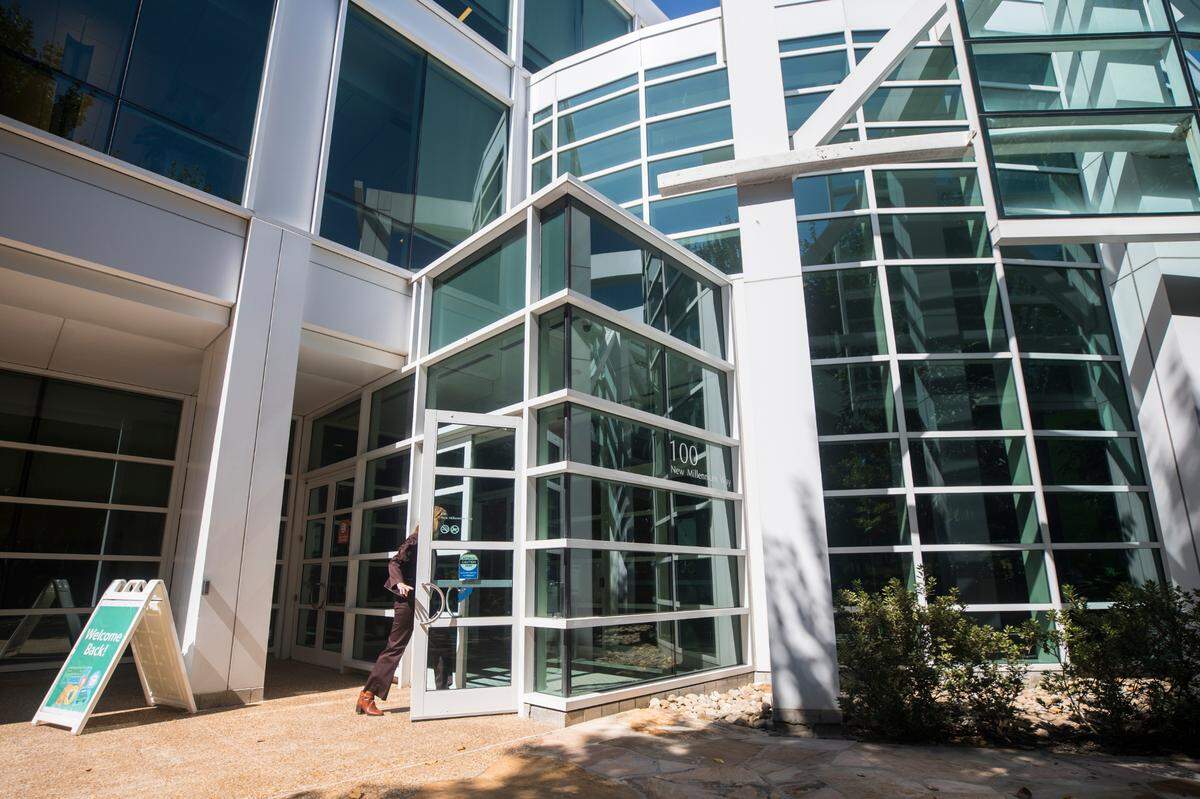
That has put a lot of pressure on the company’s digital infrastructure, given that most people have avoided the company’s brick-and-mortar branches during the pandemic.
To keep up, Fidelity has invested heavily in updating its apps and online user experience over the past two years, leading to several hundred new tech positions opening in RTP.
“A big part of why we are investing in more technology roles in RTP is that there has been a significant investment over the last couple of years in our underlying architecture and platform strategy,” Forbes said.
Forbes said the ultimate goal is to turn Fidelity into a company that can quickly respond to customer feedback and update its digital offerings to fit their needs.
“What you get is that sort of fintech flavor of being able to listen to customers and very quickly, within a one- to two-week software development sprint, be able to produce” a new tool for customers, she said.
And while improved technology is important, especially as Fidelity competes with a growing number of online brokerages, Forbes said, its customer-service workers remain important.
While younger customers perhaps prefer online relationships with companies, eventually they might need to speak with someone, especially as they begin to make plans around buying a house or having children. And there are still millions of older customers who prefer speaking with an actual person instead of navigating an app.
“Sometimes folks want to actually have a conversation about” their life plans, she said.
“You can do that in a technology channel,” she added, “but I think part of what Fidelity’s strength is ... that you are able to do business with us in the channel you want, when you want, and how you want.”
This story was produced with financial support from a coalition of partners led by Innovate Raleigh as part of an independent journalism fellowship program. The N&O maintains full editorial control of the work. Learn more; go to bit.ly/newsinnovate
This story was originally published September 27, 2021 at 11:30 AM.