What is a sonic boom? Think in terms of rolling thunder
READ MORE
Read more N&O coverage of Boom Supersonic
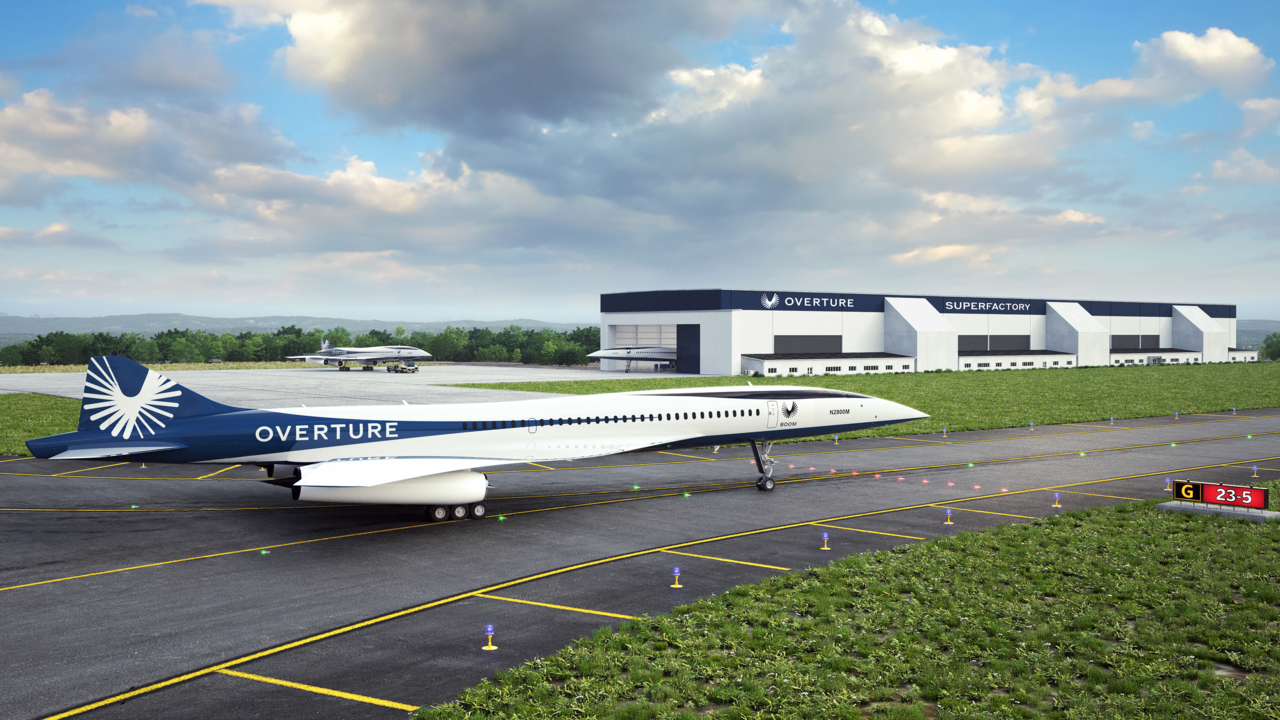
Denver-based Boom Supersonic has chosen Greensboro, North Carolina, as the site of its first manufacturing facility, the “Overture Superfactory.” There, Boom will build its updated version of the 1970s-era Concorde SST passenger jet. Here’s more about the company, the Overture and how it all came together.
Expand All
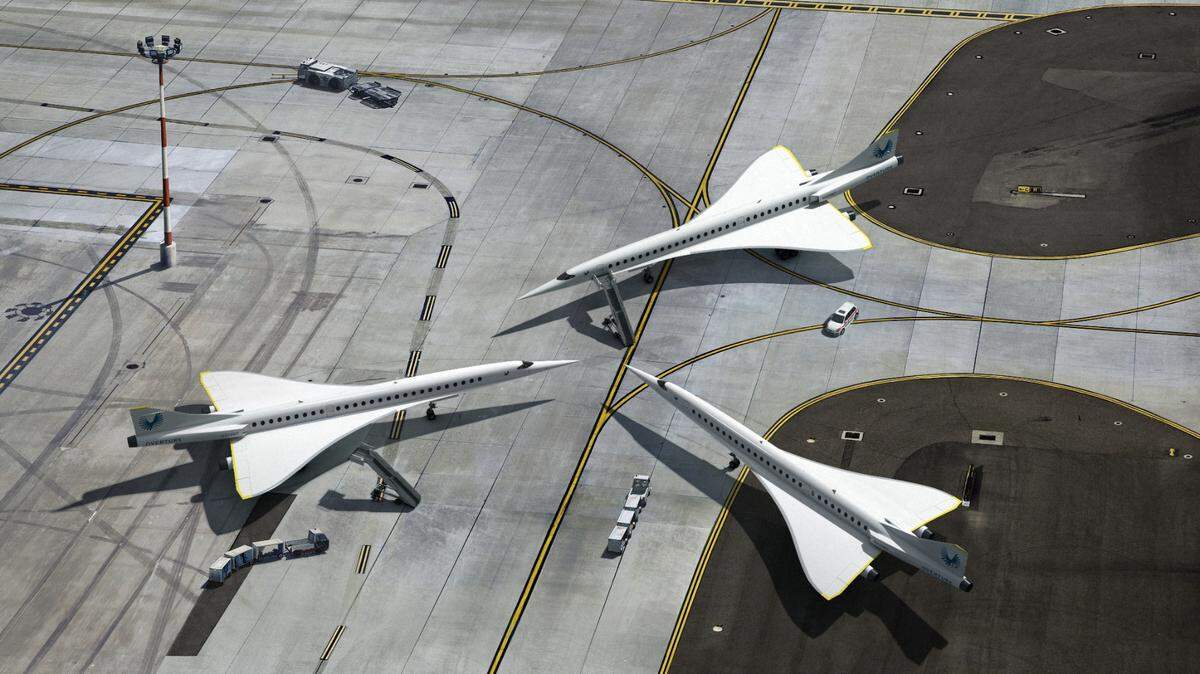
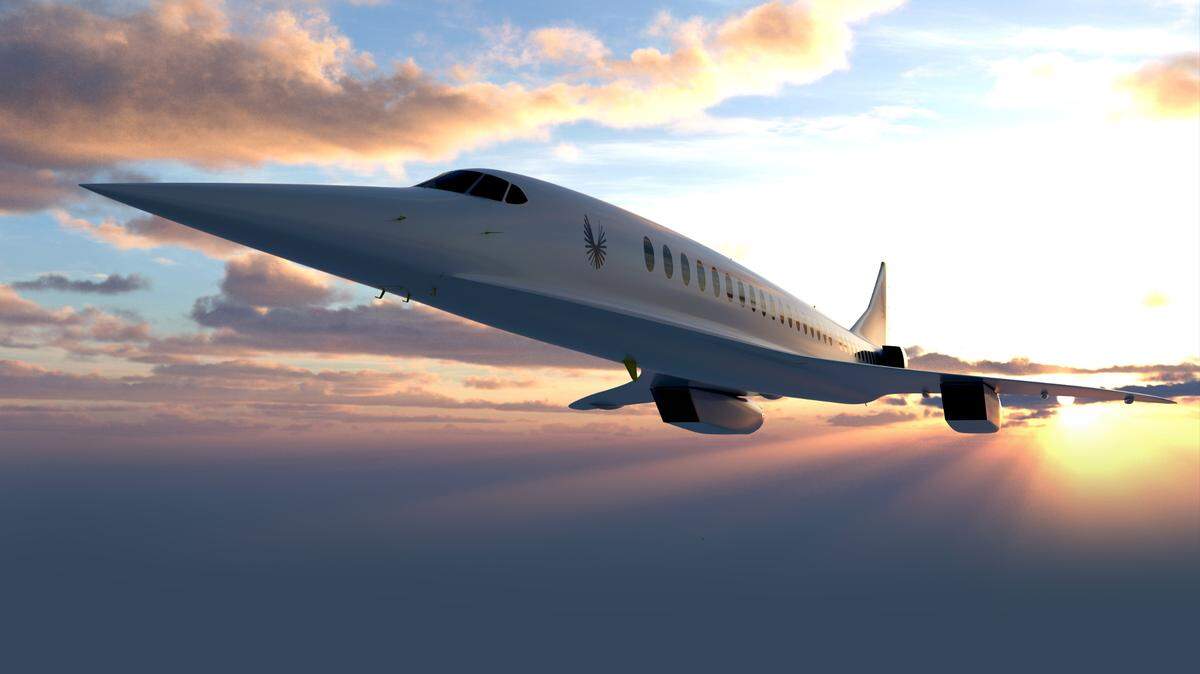
Boom Supersonic, an airplane maker partnering with United Airlines and others to revive supersonic passenger travel, is negotiating space for a major manufacturing facility at Greensboro’s Piedmont Triad International Airport, where it would build its Overture jetliner, a 205-foot passenger plane capable of traveling about 1,300 mph.
At such speeds — well beyond the speed of sound — aircraft make a deafening roar known as a sonic boom.
With few exceptions, the disruptive noise is prohibited by law over the United States and near its coastal regions. Overture’s predecessor, the British Airways- and Air France-operated Concorde SST, could only fly transatlantic flights where its thunderous din was inaudible to populous areas.
United Airlines plans to fly Overture across 500 global routes with the plane operating below the speed of sound when passing over land, according to Boom.
But the company suggests its technology might eventually minimize the clangor of supersonic travel.
“We’re designing Overture with noise-sensitive communities in mind, to meet or exceed all current and anticipated noise rules,” its website says.
Here’s what they must overcome:
What is a sonic boom?
“A sonic boom is a thunder-like noise a person on the ground hears when an aircraft or other type of aerospace vehicle flies overhead faster than the speed of sound,” according to a NASA fact sheet.
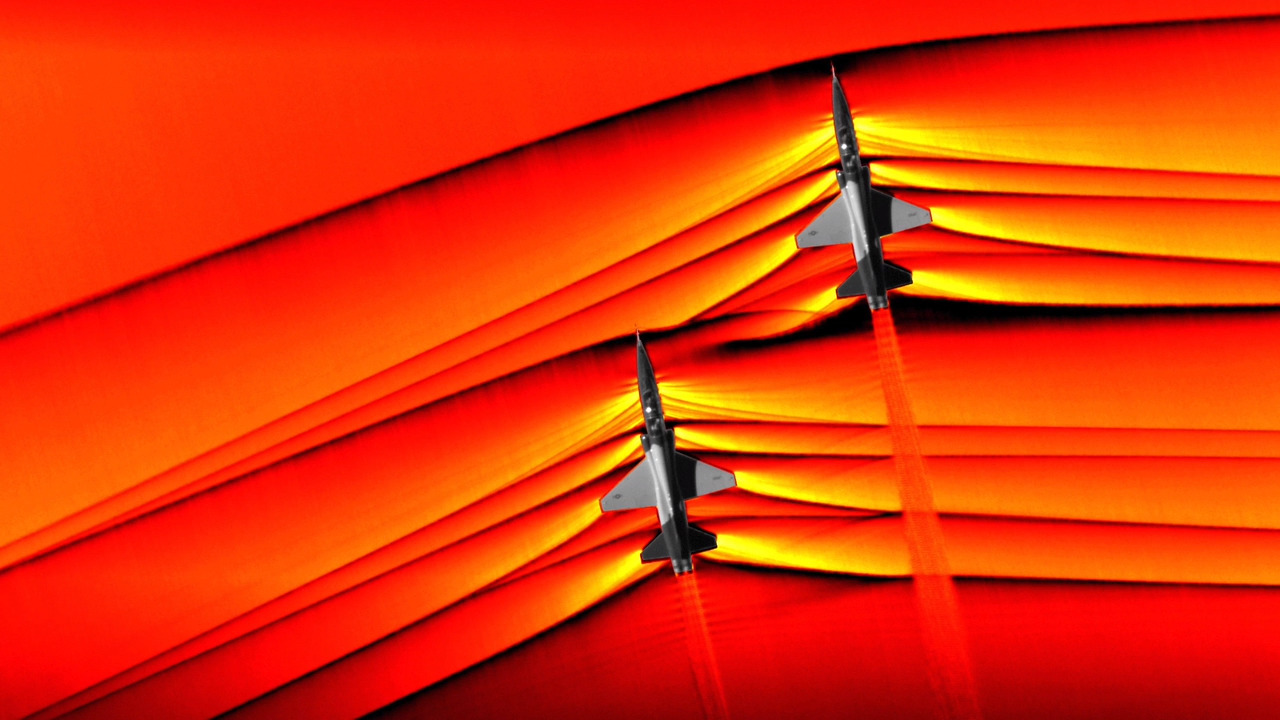
The term is misleading. While it suggests a one-time explosion of sound, sonic boom is actually a sustained racket.
“People tend to think of the noise as being when the aircraft is breaking the sound barrier,” Jim Wild, a professor of space physics at Lancaster University, told the BBC in 2012. “But it’s not just when that aircraft passes through the sound barrier. What happens is, as the aircraft is moving faster than sound, that shock wave moves with that aircraft.”
The air disrupted by supersonic travel is akin to the wake behind a speed boat. If you’re on the water when the wake passes, you feel it. If you’re on the ground when the shock wave produced by a faster-than-sound aircraft passes, you hear it.
“As the aircraft moves along its path,” Wild said, “all underneath the path of the aircraft you’ll get this sound — this big rumble following the aircraft.”
“Sonic boom” is also misleading because high-speed airplanes create two distinct sources of constant noise. The nose and tail of a plane generate separate waves of ultra-pressurized air — one ahead of the plane, one behind it. The result is a combination of sounds, which NASA calls “double booms.”
How loud is it on the ground?
A sonic boom’s intensity when it reaches the ground depends on several variables, including the airplane’s size and its cruising altitude.
The larger a plane, the more air it displaces and the louder its sonic boom. And the higher a plane flies, the farther its sonic boom will travel.
Concorde emitted sonic booms at a perceived decibel level (PLdB) of 105, according to NASA. The agency believes sonic booms must fall beneath 70 PLdB — the point at which a noise becomes “annoyingly loud,” according to Purdue University — before they can be acceptable over land.
And what exactly is the “speed of sound”?
The speed of sound is often defined as 343 meters per second, or about 727 mph. But that high-school textbook answer assumes a narrow set of criteria.
There really isn’t an exact speed of sound — it varies depending on whether the sound wave is traveling through air (which is a gas), through water, or through a solid material. It also depends on temperature.
As we’re talking about planes here, we’ll stick to air. According to the National Weather Service’s speed of sound calculator, if the air temperature is 75 degrees Fahrenheit, sound moves at about 773 mph. At 32 degrees, it moves at about 741 mph.
This story was originally published December 9, 2021 at 5:36 PM.

.jpg)