UNC-Chapel Hill technology brought the school a record amount of money in the past year

UNC-Chapel Hill had a record breaking year in 2021 when it came to netting out payments from technology created on its campus.
The university brought in $31.4 million in 2021 from tech licensing deals and equity payments — a number that dwarfed any single year in the past decade, according to an analysis by The News & Observer.
Over the last decade, UNC has received a total of $77.1 million in licensing revenue and equity payouts from intellectual property created in its labs or by its researchers. A majority of that revenue is coming from its school of medicine and chemistry department. Forty-five percent of it is in the form of equity payments, according to the university.
Licensing revenue is generated when a technology gets used, similar to royalties on books or music. Equity payments generally come in a lump sum when a company the school has a stake in is sold or goes public.
Officials from UNC said its growing royalty payments are due to decades-long investments into big ideas and a changing culture around research.
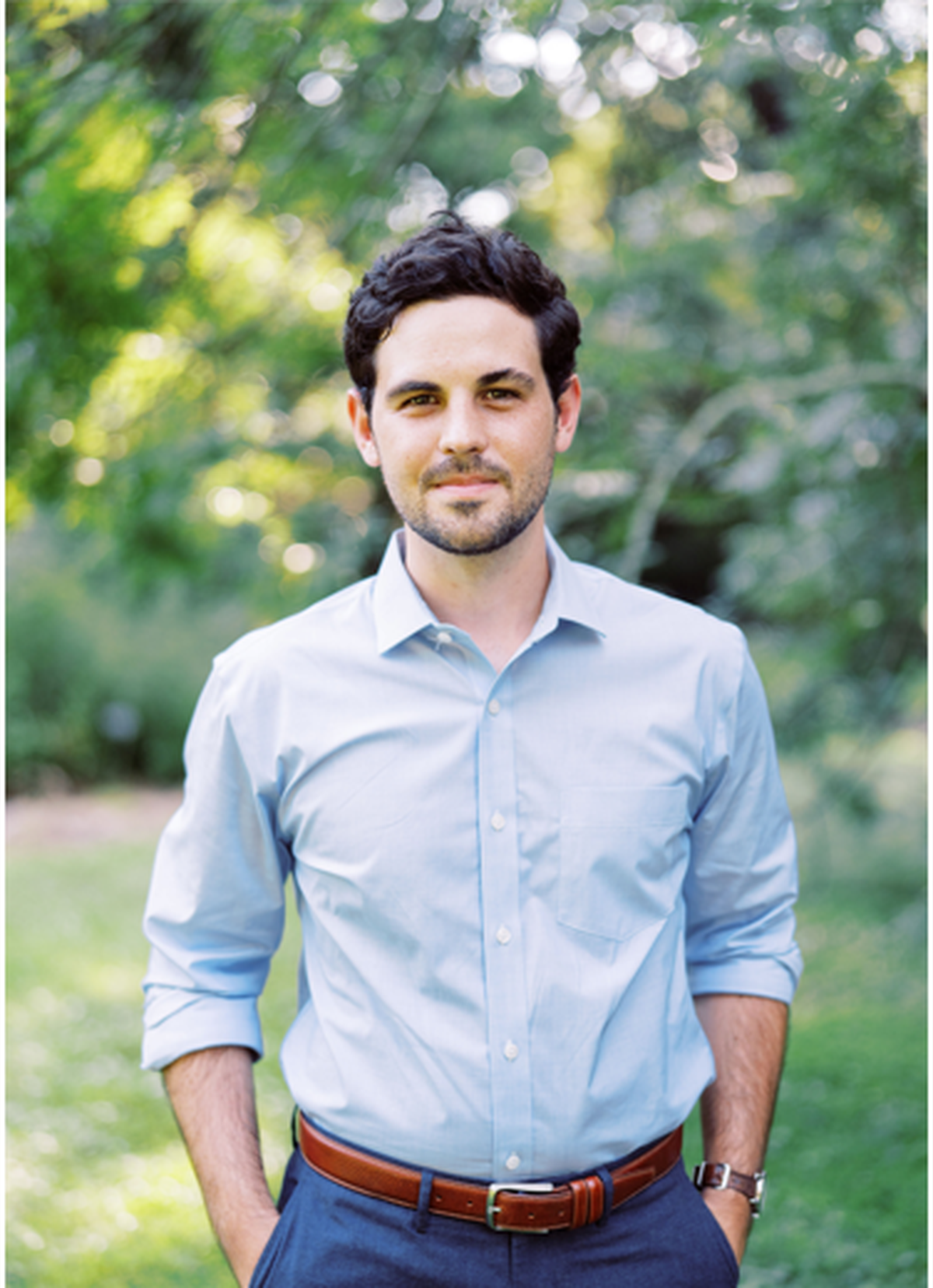
“The results of this past year point to considerable investments that the university has made ... in technologies that were bets on the future,” Michelle Bolas, chief innovation officer for UNC and the executive director of Innovate Carolina, said over a video interview.
“We don’t have an engineering school, so we are very heavily life-science focused,” added Kelly Parsons, director of technology commercialization at UNC. “And so the time horizons are quite long, and the risk of failure is quite high.”
Case in point: the success of AskBio, a spinout from UNC researcher Jude Samulski.
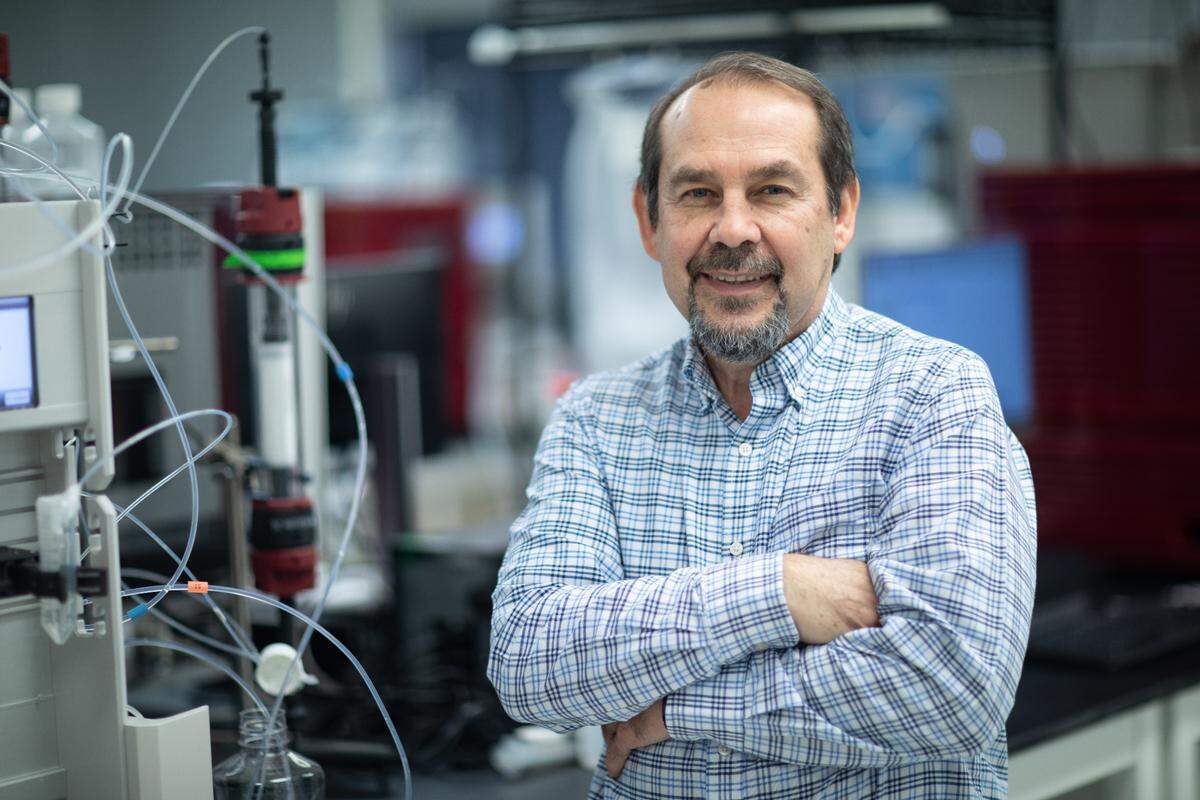
UNC recruited Samulski to the university in the 1990s and built a gene-therapy center to house his work on the experimental treatments for genetic diseases. Gene therapy technology treats genetic disorders by repairing mutated genes or replacing them entirely.
The university kept funding the research even when gene therapy suffered setbacks in the late 1990s. In the past five years, though, Samulki’s research and the field as a whole saw significant breakthroughs, The N&O previously reported.
Samulski has now sold several companies built off the technology he developed at the gene-therapy center.
The university’s biggest windfall came last year when Samulski agreed to sell AskBio to Bayer in a deal that could one day be worth up to $4 billion.
UNC received $18.8 million when the acquisition was finalized last year, and it could receive more if certain milestones are met. UNC declined to comment on what kind of income it could be in line for.
A lot of that money flowed back into UNC’s Gene Therapy Center, where other researchers are beginning to spin out companies, such as Raleigh’s GeneVentiv Therapeutics, which is focused on treatments for hemophilia.
“We worked extremely closely with (AskBio) up to the time of the acquisition and beyond,” Parsons said, noting the university has worked with Samulski and his companies since 1993. “That’s the type of resource and commitment we have to really see things over the finish line.”
Launching startups
UNC has a long history of birthing successful companies. There are currently 538 active startups that came out of UNC, according to the university, of which 446 are headquartered in the state. Collectively, they employ more than 12,000 people in the state.
Notable UNC startups in the Triangle include the health care data company Quintiles (now known as IQVIA) and the research firm RTI International, which was founded with N.C. State University and Duke University.
Last year, the university said its researchers and professors launched 11 startups and signed 64 licensing deals. UNC said many of those agreements are still confidential, and it did not share a list of the most successful agreements.
But over the years, the licensing deals have come from a variety of fields and departments. For example, in 2019, a UNC chemistry professor’s startup, 908 Devices, signed a contract with the Department of Defense to make devices that can detect the presence of harmful chemicals.
And last year, Inceptor Bio, a biotech startup, launched in Research Triangle Park after licensing an experimental cancer therapy created by a UNC-Chapel Hill professor, The N&O previously reported.
In the last five years, UNC said it has formed 47 startups. In comparison, Duke said it has formed 79 startups in the past five years. N.C. State said it has formed 93 startups in the past five years, and brought in $25.8 million in royalties over that period.
Culture change
Parsons said UNC has attempted to become more deliberate in commercializing its research in the past decade.
“Faculty really started to understand that the research they’re working on can make an actual impact on our economy and create jobs,” Parsons said. “They have been empowered to understand that the work they’re doing can have tangible impact, and that really has shifted the culture.”
On top of that, the funding agencies most important to the university, such as the National Institutes of Health and the National Science Foundation, have been more interested in giving money to research that could have real-world impacts.
“The last 10 years has seen a dramatic increase in translational funding opportunities,” Bolas said. “...We are continually scouting and scanning to see who’s working on what and what areas are right for potential commercial application.”
That doesn’t mean UNC is avoiding research that doesn’t have a potential pay off, Bolas added. But she believes the university has gotten much better at making sure conversations are at least taking place early about what opportunities might exist.
Bolas said when the university does receive a windfall from its research, it typically reinvests the money in its innovation infrastructure.
“We have a very small patents budget in comparison to our peers,” Bolas said, “so we are utilizing our revenues to reimburse patent costs and make new investments in expanding patent portfolios.”
Individual departments, she said, often use the revenue to fund technology upgrades in labs, purchase new equipment and create better recruitment packages for new researchers, among other things.
Bolas said that should hopefully create positive feedback loops throughout the campus.
“I think in another 10 years, hopefully what you will see is an ever continuing progression of solid returns,” she said.
This story was produced with financial support from a coalition of partners led by Innovate Raleigh as part of an independent journalism fellowship program. The N&O maintains full editorial control of the work. Learn more; go to bit.ly/newsinnovate
This story was originally published February 16, 2022 at 7:55 AM.