Help wanted: Shortages ease, but demand for workers in some fields still outpaces hiring
READ MORE
Help (still) wanted
By many accounts, the economic news is bad. Yet almost everywhere you look there are still Help Wanted signs. In North Carolina and nationwide, the tight job market is showing signs of easing. We take a closer look at 5 job fields where everyone can feel the effect.
Expand All
By many accounts, the economic news is bad. Inflation remains at the highest level in 40 years; stocks lost as much as a fifth of their value this year, and everyone is bracing for a recession.
Yet almost everywhere you look there are still Help Wanted signs. Employers — restaurants and retailers, construction contractors, hospitals and manufacturers, schools and police departments — still struggle to find enough workers.
In North Carolina and nationwide, the tight job market is showing signs of easing. After peaking at about 380,000 in March, job openings in the state declined to about 341,000 in August. Some large employers, such as Microsoft and Amazon, have announced layoffs and hiring freezes, and retailers such as Walmart say they expect to hire fewer seasonal workers for the holidays.
But the job market is still historically tight. The state’s unemployment rate was 3.6% in September, among the lowest on record. Nationwide in August, there were 1.7 open jobs for each unemployed worker. In North Carolina, the ratio was nearly two jobs for each person out of work.
The shortage of workers follows the large but short-lived spike in unemployment in the early months of the COVID-19 pandemic in early 2020. Since then, the economy and jobs have come back, juiced by the trillions in stimulus money approved by Congress and the rock-bottom interest rates set by the Federal Reserve, says Andrew Berger-Gross, senior economist at the N.C. Department of Commerce.
“We’ve got a lot of money floating around in this economy, a lot of consumers who are looking to spend,” Berger-Gross said in an interview. “So in a sense, the pandemic, and in particular the government’s response to the pandemic, has made our economy run even hotter and contributed to hiring challenges from employers.”
North Carolina’s overall labor market was tight before the pandemic. The unemployment rate had dropped to 3.5% the month before COVID-19 emerged.
A strong economy was a big factor, but so were underlying demographic trends that constrained the supply of workers, Berger-Gross said. These include lower birthrates and an aging population with more retirements; a growing number of young people going to college before entering the workforce; and relatively low immigration rates compared to the 1980s and 1990s.
Indeed, many of the industries facing the toughest labor shortages now, including transportation, nursing and construction, already struggled to find workers before the pandemic, which only made things worse:
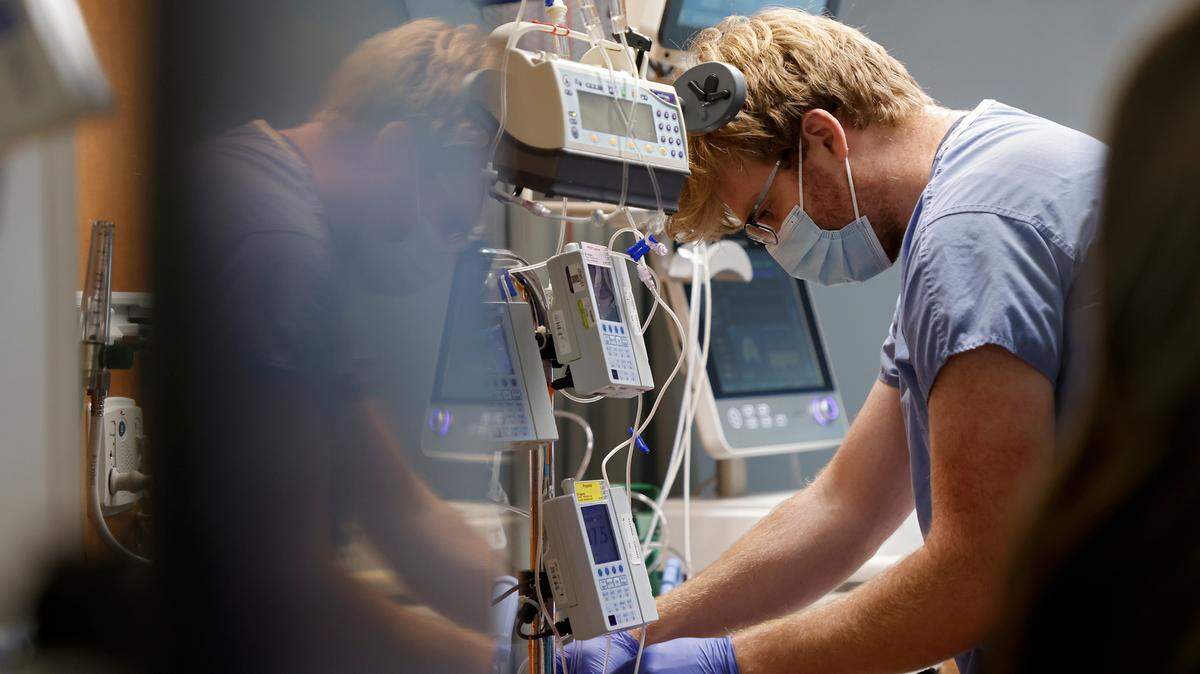
- Some hospitals in the Triangle say their nursing shortage is worse now than it was at the height of the pandemic, with one health system reporting that one-third of its nursing positions are vacant.
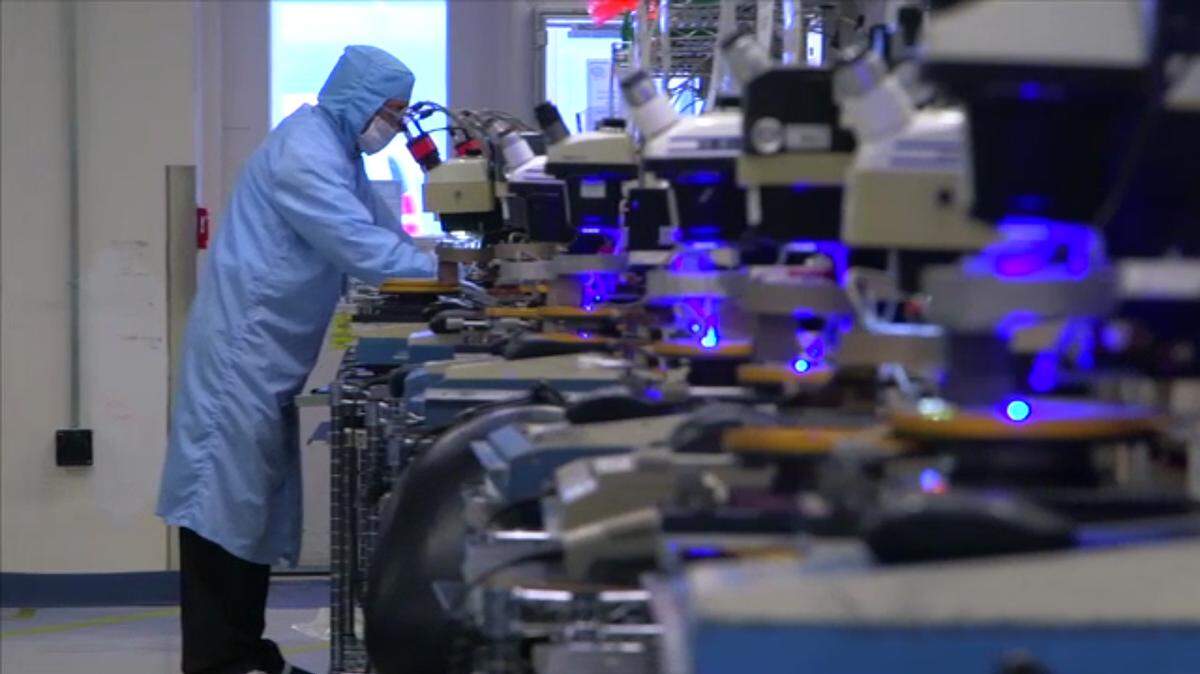
- Manufacturing, which accounts for most of the state’s biggest job announcements in the last couple of years, has evolved from wrenches and sweat to computers and clean rooms, but companies that make things are still struggling to find workers.
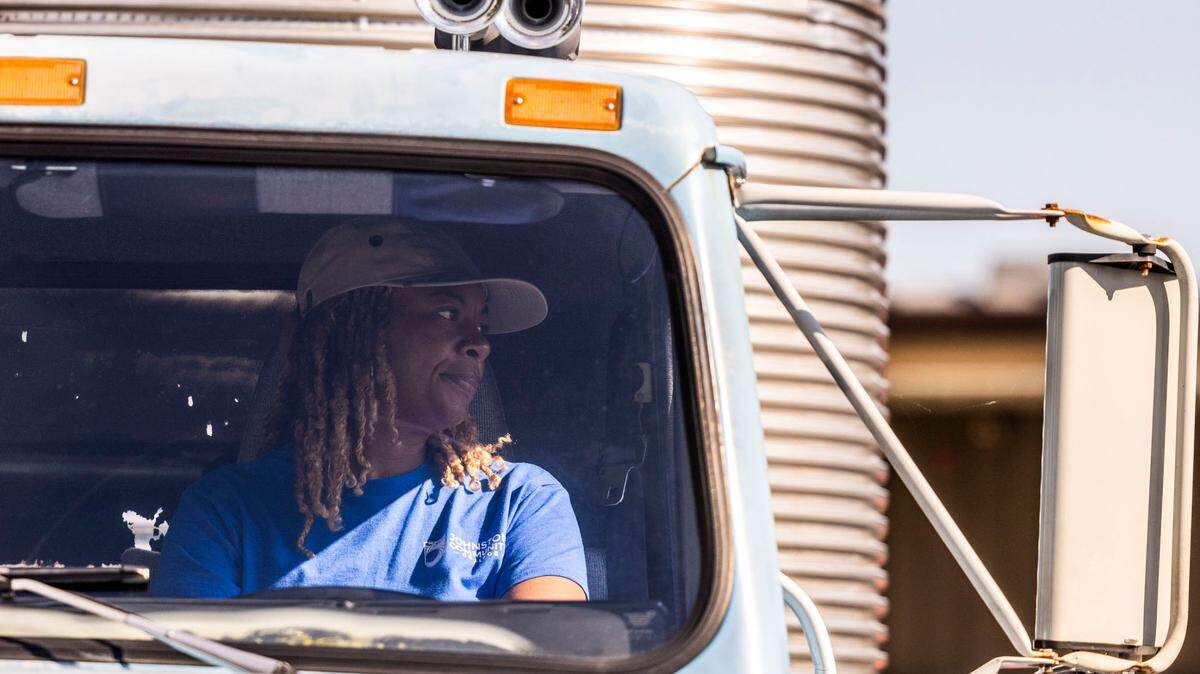
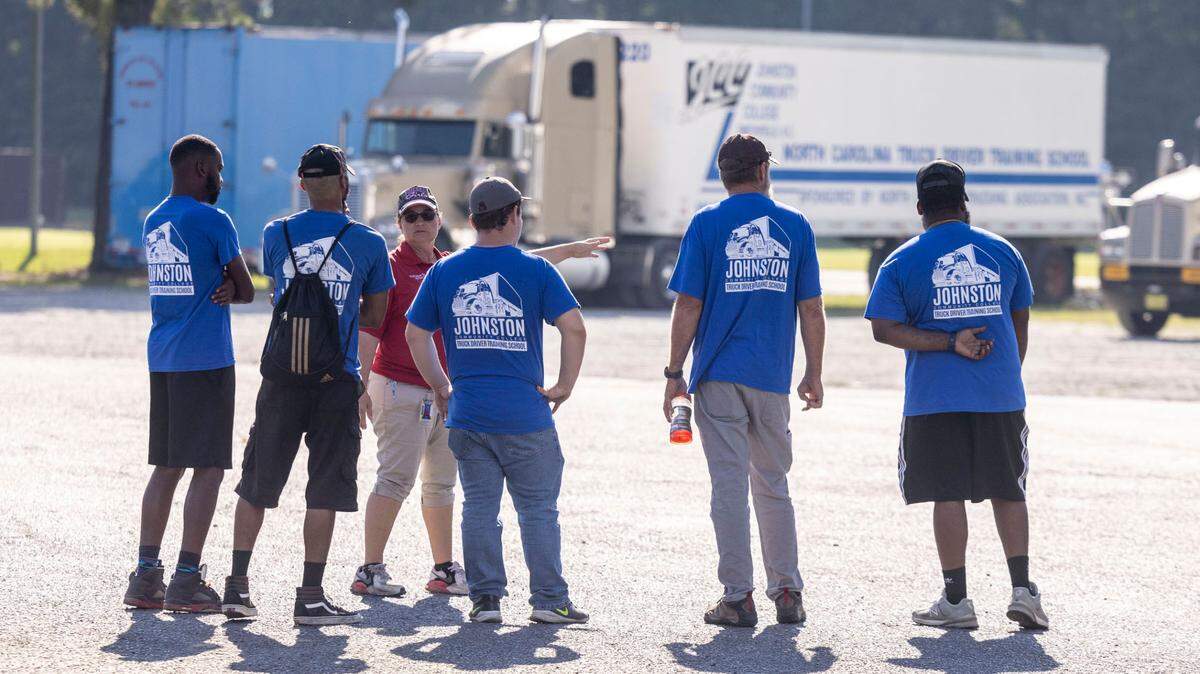
- Truck drivers, without whom store shelves remain empty, now earn almost $70,000 a year — and one company’s bonus system can give a first-year driver up to $110,000 — but across the U.S. there is still a shortage of tens of thousands of drivers.
- First responders, a career path that often comes with low pay and high stress, have been in short supply for decades, and the pandemic only exacerbated the situation.
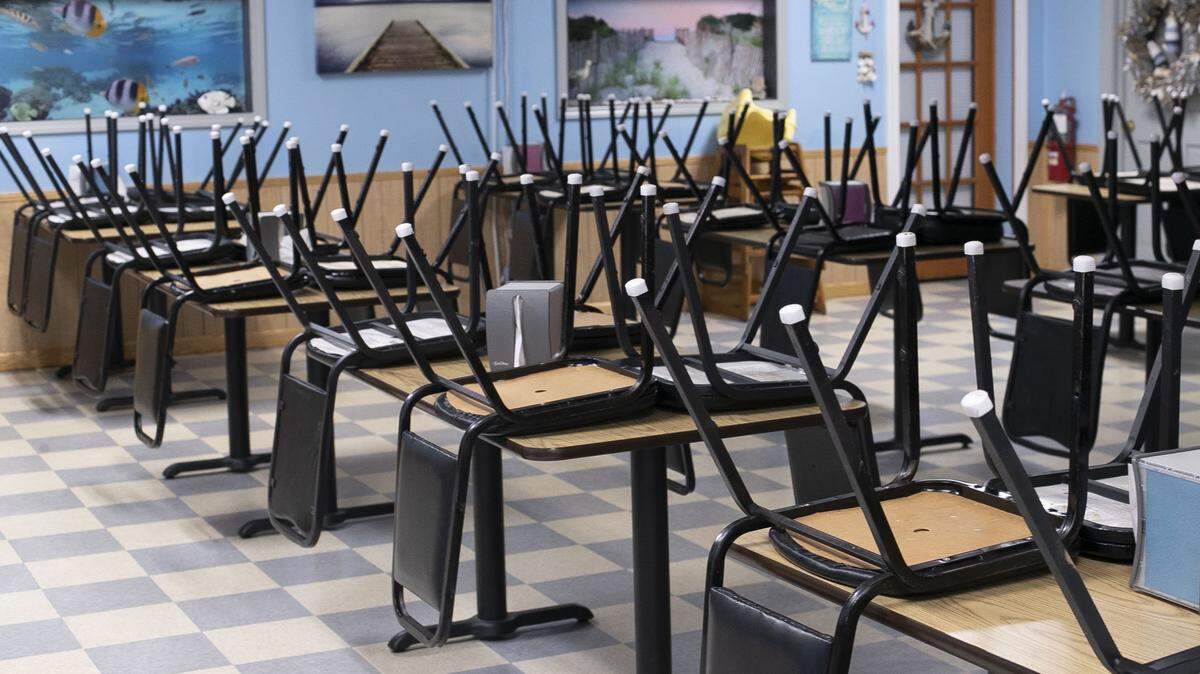
- And restaurants — one of the industries hit hardest by the pandemic — are finding new post-pandemic life, but their continuing struggle to find staff has forced them to experiment with new ways to compensate workers and new ways to keep customers happily fed.
COVID-19 remains a drag on employment, though not nearly as much as it had been. Of people not in the labor force in September, 452,000 reported that the pandemic prevented them from looking for work, down from 9.7 million in May 2020, according to the U.S. Department of Labor.
The strong labor market has been good for workers. Wages have grown, though overall income increases have failed to keep up with inflation over the past year, according to the Bureau of Labor Statistics.
More importantly, workers have been able to leave jobs for ones that pay better or suit their skills, passions or personal lives. The so-called “Great Resignation,” Berger-Gross said, is as much about the strong economy as it is about the pandemic prompting people to reevaluate their lives and change course.
“If it weren’t for the fact that we had such a strong economy, with so many job opportunities, they wouldn’t have been able to make those choices in the first place,” he said.
A full-blown recession could ease some labor shortages, though at a cost to workers, particularly if inflation doesn’t subside as well. But the demographic trends that contributed to a competitive labor market before and after the pandemic aren’t expected to go away soon, making it likely that workers in some fields will still have their pick of jobs.