Day after bankruptcy, WeWork gives update on Raleigh, Durham and Charlotte offices
WeWork, the most well-known provider of modern coworking spaces, filed for bankruptcy Monday to restructure its multibillion-dollar debt. The news wasn’t a surprise following months of speculation surrounding the firm’s troubled finances.
For now, the company’s two Triangle sites are operating normally, WeWork told The News & Observer.
“We have exceptional confidence that we will emerge from this process a financially stronger company so we can focus on investing in our products, our services, our growth, our employees, and our members,” company spokesperson Emily Place said in an email.
WeWork came to the Triangle in October 2018, opening two floors in the center of downtown Durham. The next year, the company took over three floors in a tower near Raleigh’s Warehouse District. The Durham location has 58,000 square feet; the Raleigh site covers 73,000. The company also has two locations in Charlotte.
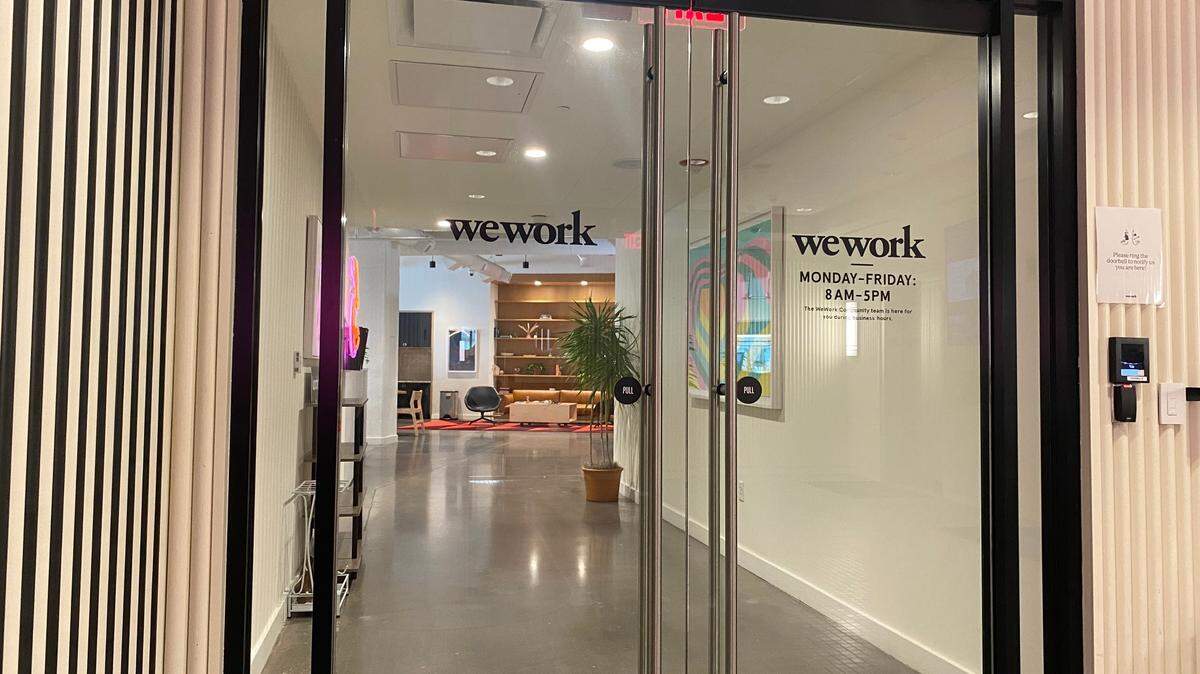
The N&O visited the Durham location Tuesday morning and observed a handful of members occupying tables near the front desk.
Since its founding in 2010, WeWork is credited with pioneering the contemporary concept of coworking. It offered remote workers, freelancers and startups amenities now widespread across the communal office industry. Bright, open spaces instead of bland cubicles. Coffee, kombucha and seltzer water in common kitchens. Private booths, desks and enclosed office spaces beside vibrant murals.
.jpg "IMG-3035 (5).jpg")
But today, many view the company’s rapid real estate acquisitions, both nationwide and internationally, as imprudent. WeWork says it is working with landlords to renegotiate its leases at more favorable rates, and it has also exited real estate agreements to cut costs. None of its North Carolina locations have yet been impacted.
Raleigh, Durham and Charlotte “remain key markets for WeWork,” Place said, as the company enters Chapter 11 bankruptcy.
WeWork is one of many coworking operators in the Triangle, and rivals contend its high-profile financial problems are not indicative of the sector overall.
“WeWork’s impending bankruptcy says a lot about WeWork itself, and very little about the industry as a whole,” wrote Tim Scales, the executive director of American Underground, on LinkedIn shortly before WeWork filed for Chapter 11.
Located in downtown Durham, American Underground was the first modern coworking space in the Triangle when it opened 13 years ago. Since then, it has been joined by a diverse set of coworking operators, including spaces geared toward women, Black entrepreneurs, manufacturers, startups and even car enthusiasts.
The quantity of local coworking spaces has grown as the Triangle’s market for traditional office space has tumbled in recent years, though they may be some small signs of a rebound.
“Tenant demand remains anemic due to hybrid work and macroeconomic pressures, but there were some glimmers of positive news in the third quarter,” said Elizabeth Gates, Senior Research Analyst for CBRE|Raleigh, in an Oct. 25 statement. “Sublease availability has declined in recent months, and the pace of new offerings hitting the market has slowed.
This story was originally published November 7, 2023 at 1:32 PM.