Open Source: North Carolina’s ‘Data Center Corridor’ welcomes more Big Tech dollars
I’m Brian Gordon, tech reporter for The News & Observer, and this is Open Source, a weekly newsletter on business, labor and technology in North Carolina.
Data centers give and take. They house the servers that facilitate modern life. They also strain energy grids and elevate household energy bills.
Their large campuses make reliable property taxpayers, especially across North Carolina’s burgeoning “Data Center Corridor” that has formed in former industry towns west of Charlotte. Yet despite their size and power consumption, data centers employ relatively few people.
Cloud computing and artificial intelligence are driving a data center rush, and this week, Apple shared it would invest $500 billion domestically over the next four years. Though it isn’t clear if Apple committed to any new spending in North Carolina, the company did mention more data center dollars for the state.
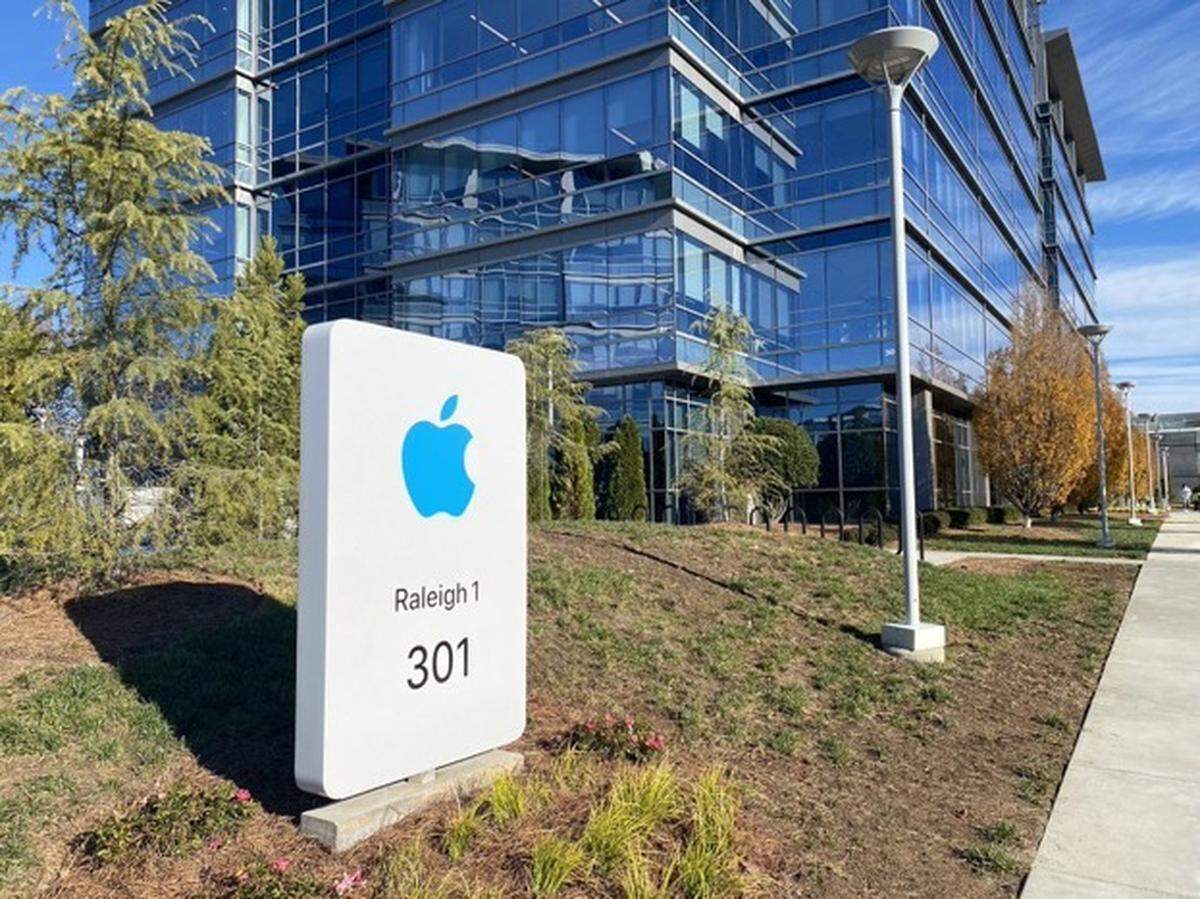
While much attention has been on its progress (or lack thereof) building a Research Triangle Park campus, Apple continues to grow its North Carolina data center 150 miles away, in the Catawba County town of Maiden.
In 2021, Apple pledged to spend another $440 million in the site. On Tuesday, a company spokesperson told The N&O the company has “exceeded planned investments.”
Catawba is ready for more. Following the Apple announcement, Scott Millar, president of the Catawba County Economic Development Corporation, joked he hopes the iPhone maker spends $499 billion of its $500 billion commitment in his home county. Microsoft is currently building four data centers in Catawba, too, at a price tag of $1 billion-plus.
“The reason we started chasing data centers was the ability to use a lot of the legacy infrastructure that was put in place for textiles and furniture,” Millar said. “You had huge power grid capabilities. You had Duke Energy as an efficient cost provider. You had water and sewer usage systems that were put in place for textiles, primarily.”
Google has operated a data center campus in neighboring Caldwell County since the 2000s. And Meta has one further west in the Rutherford County town of Forest City. Both have gotten bigger over time. Will there be a point when local energy grids are tapped out?
Northern Virginia, for example, has the highest concentration of data centers on earth. Some municipalities there have recently passed regulations to control this growth.
There is a limit to data center expansion given current energy output, Millar acknowledged, especially as North Carolina adds large-scale (and job-rich) projects like Toyota’s battery factory in Randolph County and Wolfspeed’s semiconductor plant in Chatham County.
“All these are interconnected,” he said.
- And a quick thing on Apple’s RTP presence. While the company has postponed its campus plans, a spokesperson this week said Apple continues to add to its local corporate offices. Under its state incentive agreement, Apple must employ at least 990 workers in Wake County by the end of this year.
Gotta print ‘em all
Pokémon cards are printed in the Triangle. More specifically, Pokémon’s U.S. cards are primarily printed in the Triangle.
In 1999, at the height of America’s initial Pokémon craze, a local company was the largest Pokémon card printer in the world. Today, a new (but related) Raleigh printer churns out the cards. Named Millennium Print Group, it has well-guarded facilities surrounding Research Triangle Park, plus another in Greensboro. Millennium was recently acquired by Pokémon itself, adding another Japan-North Carolina business link.
Yesterday was the 29th anniversary of Pokémon’s debut. For the occasion, we explored how these Triangle printers became integral to producing the cards that collectors, gamers and retail investors still can’t buy fast enough.
Pokémon printed close to 12 billion cards last year. It needed more.

We’re coming for you, New Jersey
One out of every 40 private sector employees in North Carolina works in life sciences. That’s according to a recent report from the economic analyst firm TEConomy, commissioned by the North Carolina Biotech Center.
Other report highlights:
- North Carolina surpassed 100,000 life science jobs in 2023.
- This ranked the state seventh nationwide, with only Massachusetts adding biotech jobs faster from 2019 to 2023. We’re gaining on New Jersey, which ranks sixth, as well as Florida, New York, Texas and California.
- Research, testing and medical laboratories are the biggest of North Carolina’s five life sciences subgroups, accounting for about 40% of sector jobs.
- Big biotech wins in the past few years include expansion projects from Eli Lilly in Research Triangle Park, Fujifilm in Holly Springs, Novo Nordisk in Johnston County and Catalent in Greenville.
“Those are all good things as taking kind of a litmus test of where our life science community is in North Carolina,” said Bill Bullock, senior vice president of economic and statewide development at NC Biotech. “It’s big compared to the others, and it’s growing compared to the others.”
Clearing my cache
- National Institutes of Health funding cuts will remain paused until a federal judge rules on a challenge filed by 22 state attorneys general, including North Carolina Attorney General Jeff Jackson.
- The White House walked back President Trump’s comment that the Environmental Protection Agency would cut 65% of its workforce, saying instead the EPA seeks to reduce spending by 65%. Research Triangle Park is home to the agency’s largest physical campus and around 1,000 direct employees. Some local agency workers were laid off two weeks ago.
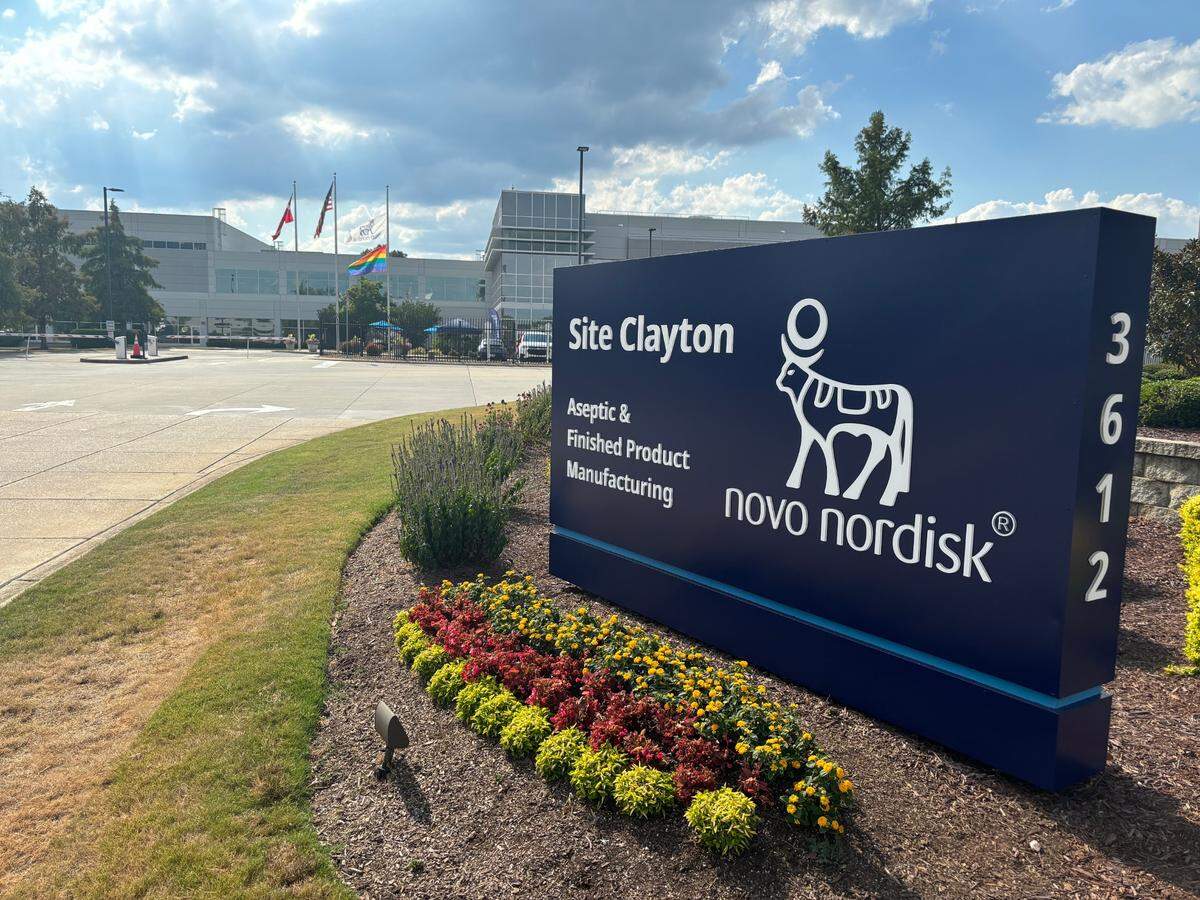
- Novo Nordisk, the Danish pharmaceutical giant that produces Ozempic and Wegovy in North Carolina, says artificial intelligence has advanced enough to craft important regulatory documents, slashing drafting times from week to minutes, The Information reports.
National Tech Happenings
- The Department of Agriculture is in talks to import up to 100 million eggs to combat shortages caused by a bird flu outbreak.
- Elon Musk says federal employees will receive a second “pulse check” email asking them to describe tasks they’ve accomplished. Head of the Department of Government Efficiency (DOGE), Musk said without evidence that the government might be paying employees who are dead.
- Meow. Following quantum “breakthroughs” from Google and Microsoft, Amazon has introduced its first quantum computing chip. It’s called a “cat qubit.”
Thanks for reading!
This story was originally published February 28, 2025 at 9:25 AM.