Wolfspeed releases bankruptcy plan, which gives creditors control of NC chipmaker
The struggling Durham semiconductor supplier Wolfspeed announced Sunday it will file for bankruptcy under a restructuring agreement that eliminates billions in debt and gives its creditors control over the company.
The reorganization plan has enough support from creditors to proceed, the company said, including backing from the semiconductor manufacturer Renesas and the investment firm Apollo Global Management. Wolfspeed said it will continue to seek the approval of more debtholders until it files for bankruptcy under Chapter 11.
“After evaluating potential options to strengthen our balance sheet and right-size our capital structure, we have decided to take this strategic step because we believe it will put Wolfspeed in the best position possible for the future,” Wolfspeed CEO Robert Feurle said in a statement Sunday.
Under its proposal, creditors will have their debt obligations converted into equity, and current shareholders will receive at least 3%, and up to 5%, of new shares. These percentages represent a significant shareholder loss but are higher than is typical in most bankruptcies. The company hopes to continue trading on the New York Stock Exchange, yet acknowledged in a statement it may be delisted “for some period of time.”
Wolfspeed promised customer and vendor commitments won’t be impacted during the process.
One of the Triangle’s largest employers, Wolfspeed anticipates emerging from bankruptcy by the end of September after it has slashed 70% of its debt, or approximately $4.6 billion. At that time, its new shareholders will appoint a new board of directors.
Wolfspeed ended March with $1.3 billion in cash, a sizable amount for a business preparing to file under Chapter 11. However, the company faces more than $6 billion in debt obligations over the next several years, including payments due in 2026, 2028, 2029, 2030 and 2033. It has turned down offers to restructure next year’s debt, instead holding out for what Wolfspeed head of investor relations Tyler Gronbach has previously called a “comprehensive solution.”
Under its bankruptcy proposal, these debt obligations would be reduced, consolidated and pushed back — with the earliest payment due in 2030.
“(Bankruptcy is) an enormously powerful tool for businesses, but it’s also very flexible,” UNC law professor Kara Bruce said. “So, it allows the company to come up with a plan to figure out how to resolve their financial distress and adjust their operations for the future.”
From Cree to Wolfspeed, chips dreams to bankruptcy
Wolfspeed was founded in 1987 by six men, five of whom were graduate students at N.C. State University. For much of its history, the company was named Cree and prioritized making lights and LED products.
A third part of the company produced an emerging kind of semiconductor called silicon carbide, which is in electric vehicles and other applications. This division, named Wolfspeed after the NC State “Wolfpack” nickname, was the smallest of Cree’s three businesses.
That started to change in 2017 after new CEO Greg Lowe recast the company as the world’s leading silicon carbide producer. Cree began to divest its legacy operations, which faced greater competition from heavily-subsidized Chinese rivals. The company also picked a new name.
“We’re not an LED company. We’re not a lighting company,” Lowe told The News & Observer in 2021. “We are a powerhouse compound semiconductor company focused on silicon carbide, so I think (the name change) will help clarify our identify more than anything.”
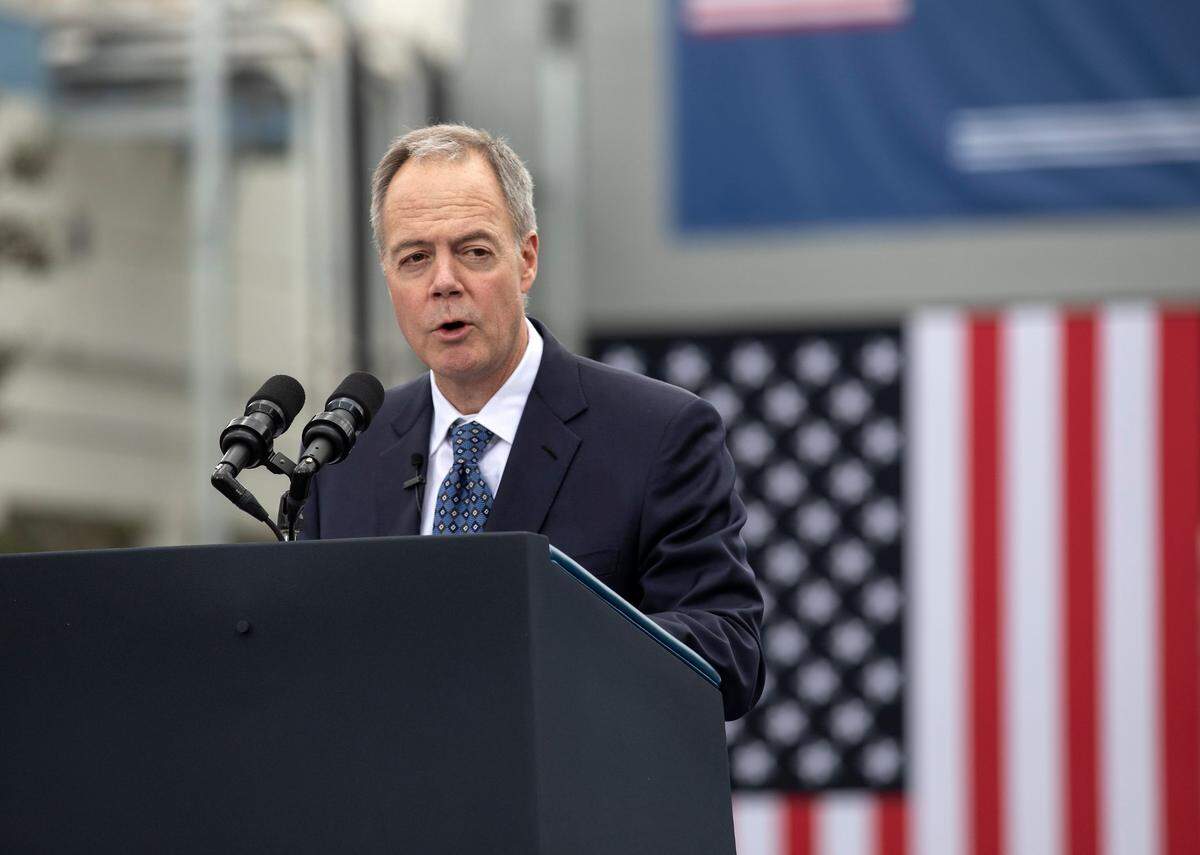
Wolfspeed borrowed billions of dollars to fund its silicon carbide vision. In 2022, it opened a massive device fabrication plant in New York State’s Mohawk Valley. Then that September, the company announced it would build a $5 billion materials factory in western Chatham County, near Siler City, with a projected workforce of 1,800. This future factory, Wolfspeed said, would produce 10 times more silicon carbide than its existing materials facility in Durham.
Its stock price at the time hovered above $110 a share. A few months later, President Joe Biden toured the company headquarters to tout American semiconductor production.
Yet Wolfspeed has failed to meet its ambitions. It repeatedly missed production expectations at the Mohawk Valley site and suffered from lower-than-expected market demand for electric vehicles.
The company began to aggressively cut costs. It began last summer with more than 5,000 employees worldwide — most of whom were based in North Carolina — but has since shrunk its headcount by more than 25%.
“We lost some good people, especially within the last couple years,” said Paul Terrell, a long-time Wolfspeed technician who was laid off in March after 23 years.
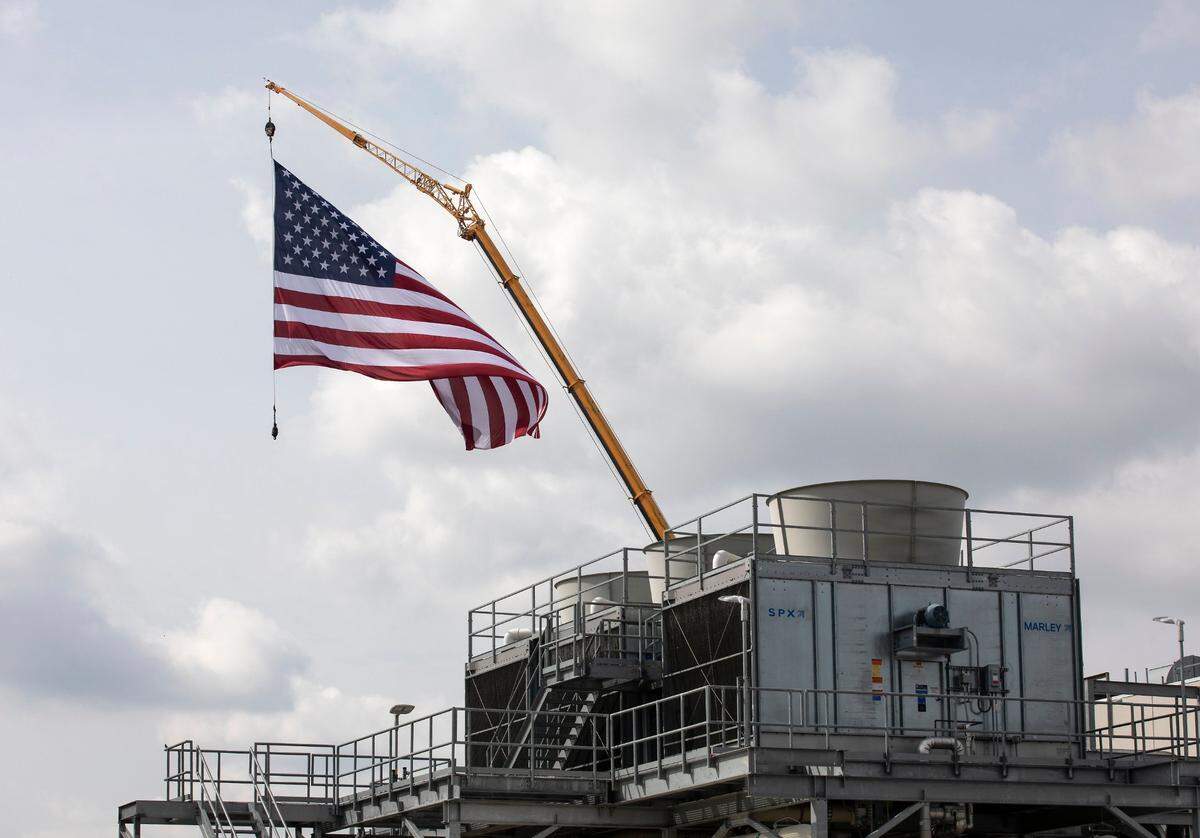
Last year, the company also announced plans to shut a device factory in Durham and shelve a multibillion-dollar facilities project in Germany. In November, Wolfspeed fired Lowe after seven years.
Even positive news came with a caveat. Last October, Wolfspeed received a federal CHIPS Act award that was contingent on the company first restructuring its 2026 debt. The Biden administration did not disburse this $750 million award, and the Trump administration has not advanced the federal program designed to bolster domestic semiconductor manufacturing.
Last month, executives said they were exploring “in-court or out-of-court options” to address the company’s upcoming debt. Wolfspeed has rejected offers to restructure next year’s convertible bonds, opting instead to find what it has called a “comprehensive” solution to its overall debt payments, which total more than $6 billion.
Wolfspeed shares dropped below $1 last week after The Wall Street Journal and Bloomberg reported on the imminent prepackaged bankruptcy proposal. The New York Stock Exchange requires that member companies maintain an average closing price of at least $1 over a 30-day trading period to remain on the world’s largest exchange.
This story was originally published June 22, 2025 at 6:45 PM.