RTI International CEO on drastic funding cuts and his NC nonprofit’s market pivots
AI-generated summary reviewed by our newsroom.
- RTI International lost over 500 jobs due to reduced federal project funding.
- Defense and commercial health sectors now drive RTI’s strategic realignment.
- RTI aims to expand private revenue using faster, market-driven business tactics.
READ MORE
Open Source Conversations
Business and tech reporter Brian Gordon talks to leaders of some of the most influential institutions in the Triangle to learn how they’re handling challenges, including state and federal funding cuts, while still serving North Carolina and beyond.
Expand All
There has never been a Research Triangle Park without RTI International.
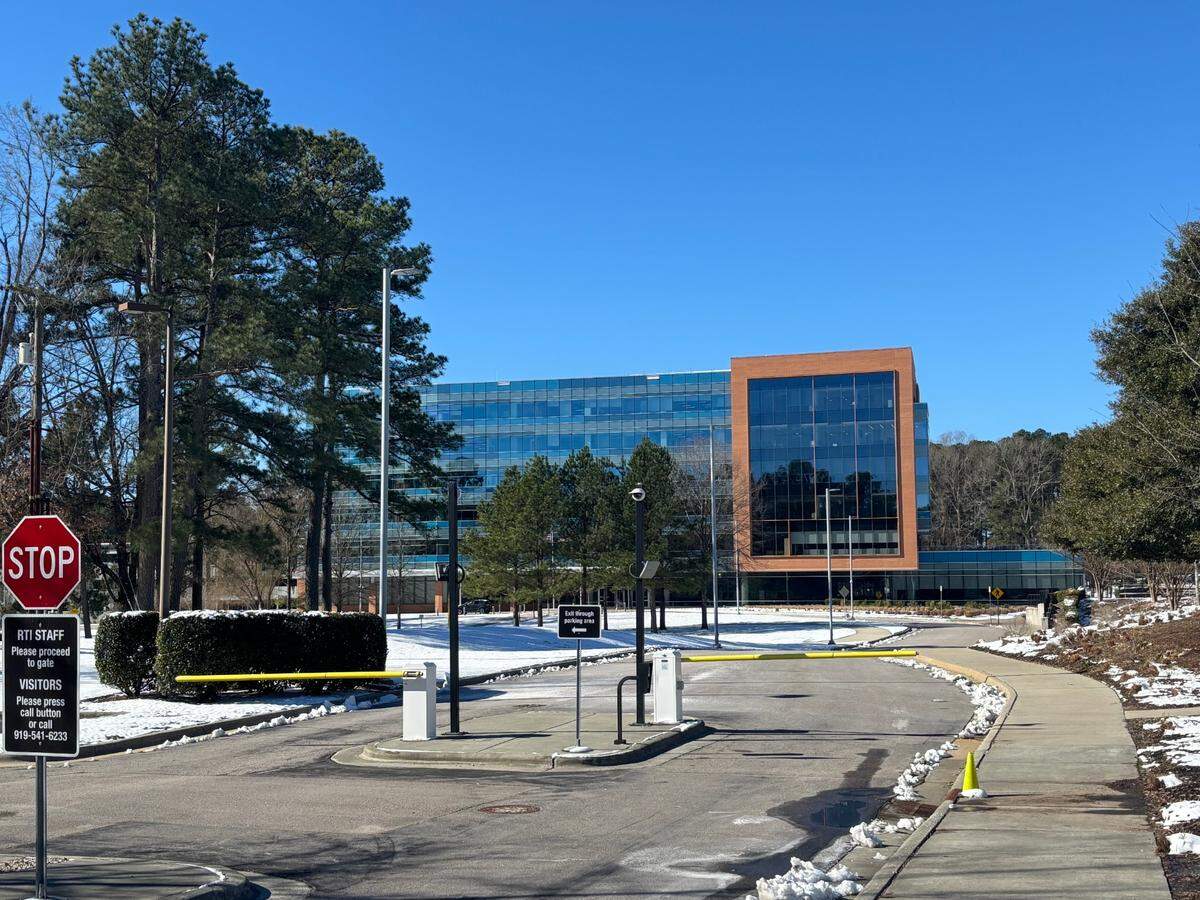
RTI was founded in 1958, the year before North Carolina leaders opened a designated business zone on old farmland between Raleigh, Durham and Chapel Hill. The research nonprofit was the Park’s first tenant, and over the next 60-plus years, RTI expanded locally (to more than 2,400 area workers) and globally (with nearly 6,000 total employees and offices on four continents.)
Its official mission is “to improve the human condition by turning knowledge into practice.” Partnering with governments and private companies, RTI offers expertise to a range of health, science, energy, labor, defense and political programs. Its work has spanned from local governance in post-war Iraq to infrastructure in Bangladesh, to eliminating asbestos in North Carolina classrooms.
Thirteen presidential administrations have changed since RTI started, few as consequential to the nonprofit as the reelection of President Donald Trump. Since February, RTI has reported “unprecedented” project cuts and announced multiple layoffs. In March, the nonprofit estimated federal project cancellations would reduce its operating revenue by nearly a third.
The U.S. government is RTI’s main client, accounting for over 80% of its total revenue. This year, it has reduced its global workforce to 3,844 employees, with 1,885 now working in North Carolina.
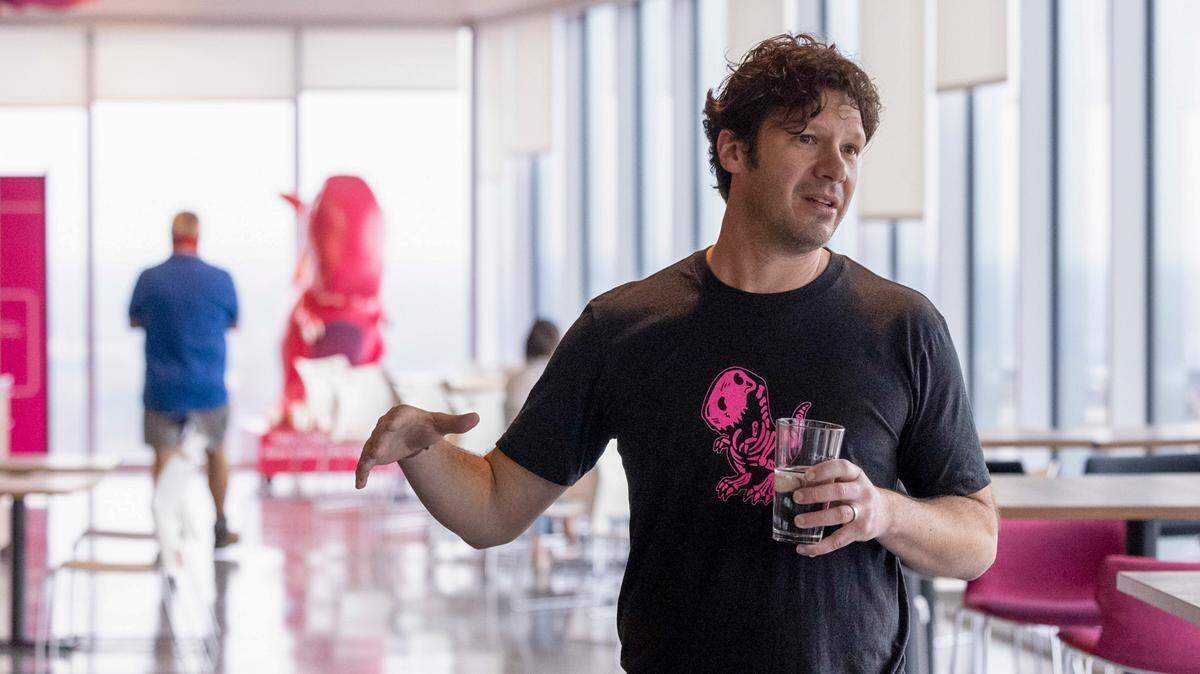
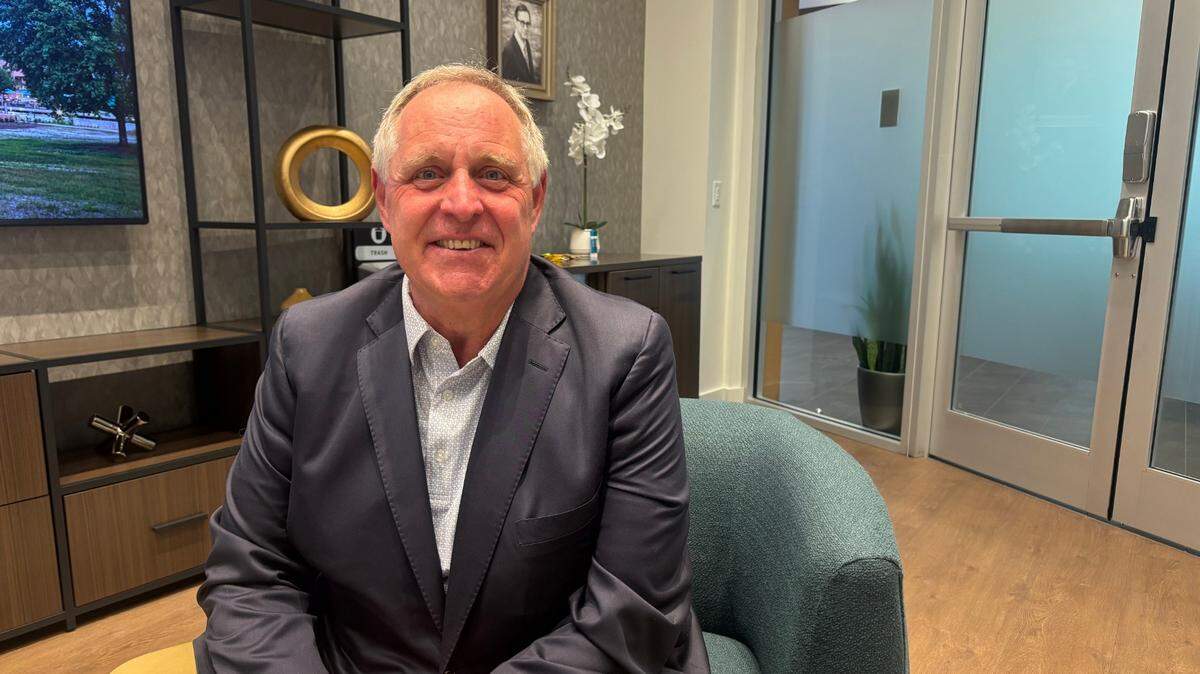
Where does RTI International go from here? On Wednesday, CEO and President Tim Gabel met with The News & Observer at the organization’s headquarters in Durham to answer this question.
The conversation has been edited for clarity and length.
N&O: In March, your organization called the federal project cuts “unprecedented.” How much of these cuts feel like they’re over and that you kind of understand the new ground rules? Or how much of it is still active change?
Gabel: I would say it’s not over. The budget is still under discussion in Washington. The agencies are still not fully staffed. ... The pace at which things were happening in January, February and March was very different than what it is now, but we don’t believe we’re in like some sort of new normal.
N&O: Did you anticipate disruptions to this degree?
I think the pace surprised us a little bit. The rapid-fire nature of things. But there was speculation. Even in the first Trump administration, we experienced enough disruption, the shift in priorities of some projects being canceled.
N&O: Which teams within the organization have seen cuts since January?
Gabel: You can put it kind of in two categories. They’re sort of the type of teams that carry out the research. And then there’s the general administrative staff that support the work that we do. So people like the finance staff and the HR staff and that sort of thing. Both sides of the house have been impacted.
The people that work on the international projects, like were funded by USAID, have been the groups that have been most impacted because that’s the part of our portfolio that was most impacted by the slowdown and then the terminations.
N&O: What did it mean that overnight, 83% of USAID funding was cut? Outside the Triangle, for the thousands of people you had working worldwide?
Gabel: The business model for that type of work, anyway, is that when a project gets funded, a lot of people in that jurisdiction get hired to work on that project. And then when the project is over, those jobs end. And that’s the gig. Sometimes the project ends in a year, sometimes it ends in three years, sometimes it ends in five years.
When we were notified that those projects were going to be terminated, it was then, ‘Hey, we need you to start winding everything down like you would if it was at the official end of any project.’ And then, turn in your computer and all that kind of stuff. So in some ways it was like a normal course. It just happened to so many project at the same time. That was what was unusual.
N&O: Do you think there’s the possibility of bringing back international development work to the same capacity as before?
Gabel: I think that the current administration’s perspective on foreign assistance will be their perspective. The way I think about it is — we look to the future. What do we think the future is going to be? So, I don’t tend to think about — Is it going to go back? We’re trying to think about: ‘What do we think the future looks like?’
How do we pivot to the market opportunities that are there? What we’re trying to do right now is really think about how do we align ourselves to skate where the puck is going to be?
A ‘surge’ towards defense
N&O: Where do you see safe, reliable sources of funding right now?
Gabel: The places that we are seeing continued reliable funding, where we’ve always seen it, is in the commercial health space. That’s been a longstanding part of our portfolio, with 20% of our revenue.
Within the federal government, which is traditionally 75% to 80% of our total pie chart, we have not seen much in the way of a slowdown in the domestic health domain.
Energy has been a little paused, but I think we’re very bullish on the opportunities around the energy space. We have the biggest portfolio of work right now that we’ve ever had in the Department of Defense funding area, and that’s in areas like health, like education, mental health for soldiers. We have a program called the North Carolina Center for Optimized Military Performance. I think that stands to really grow. And I know the state and the region is thinking about how to expand our own state’s footprint with defense funding.
N&O: Do you see defense as being a sector that feels more protected at the federal level?
Gabel: It’s not a pivot for us. It’s probably a surge for us. That [word] might feel too defense-y. We’re not going to do weapons development or anything like that. But to me, we’ve got breadth of capability. What we need is a little more investing behind go-to-market capability.
N&O: What does that mean, go-to-market? You can use the defense sector as an example.
Gabel: What we haven’t traditionally done as well is having business development staff spending time in the Pentagon or at other bases saying, ‘Where’s the need in the military health system at a bigger way?’
When I say, go-to-market, I’m thinking to be more strategic about where the need is and what the growth opportunities are.
N&O: How else are you adapting to evolving federal priorities?
Gabel: The restructuring of HHS is shifting some of their focus. A lot of the priorities are the same. We do a lot of work in health care financing. How do you really try to help bring the cost of health care down in the U.S.? That’s not a shift in priority. The problem is still there.
We don’t take policy positions. One of our core values is objectivity. And we leave policy decision making and policy advocacy to others.
Eyeing a private-sector pace
N&O: Are you making efforts to increase private revenue?
Gabel: We’ve been really pushing our non-federal portfolio for a long time. That’s been important to us, to think about diversifying. And we’ve been succeeding at that, but we’ve also been growing our federal as well, so that ratio hasn’t changed all that much for some number of years.
We’ve had this commercial health line of business, our health solutions group that’s been very successful for a long time. They’re continuing to grow and do well.
The other areas, as we think about commercial company revenue, for us as we diversify is in the food and beverage industry. We’re finding that that industry sector has interest in some of the other things that we do at RTI.
N&O: What mindset has to change at RTI as you push more toward the private sector?
Gabel: The pace at which you operate and the pace at which we operate with commercial health isn’t the same that we operate with the federal government. We need to really take those “go-to-market” tactics that we’ve used successfully with the pharmaceutical sector: more nimble, more agile, more solutions selling, more pricing, value pricing, all those things that we do in a commercial mindset, and take those and apply them to some of these other sectors like energy, like the food industry.
N&O: In four years, there will be a different administration. And in 10 years. So how do you balance responding to this current reality versus thinking long term?
Gabel: We were born during the Eisenhower administration. So we’ve navigated administration changes all along in terms of the federal government market and changes. I think we’re very good at looking at the U.S. federal government spending priorities market side of that, and adjusting to it. One of the advantages of being so broad of capabilities is that I think we’re pretty adaptable on that.
Long-term thinking, the U.S. government will continue to invest in science. Of that, I’m pretty confident. Even though, right now it might feel like that’s a question mark. I don’t believe it’s a question mark, because I just believe that it’s too important, and the problems aren’t going away.
This story was originally published June 27, 2025 at 5:30 AM.