NC chipmaker Wolfspeed discloses layoff impact, bankruptcy changes in new report
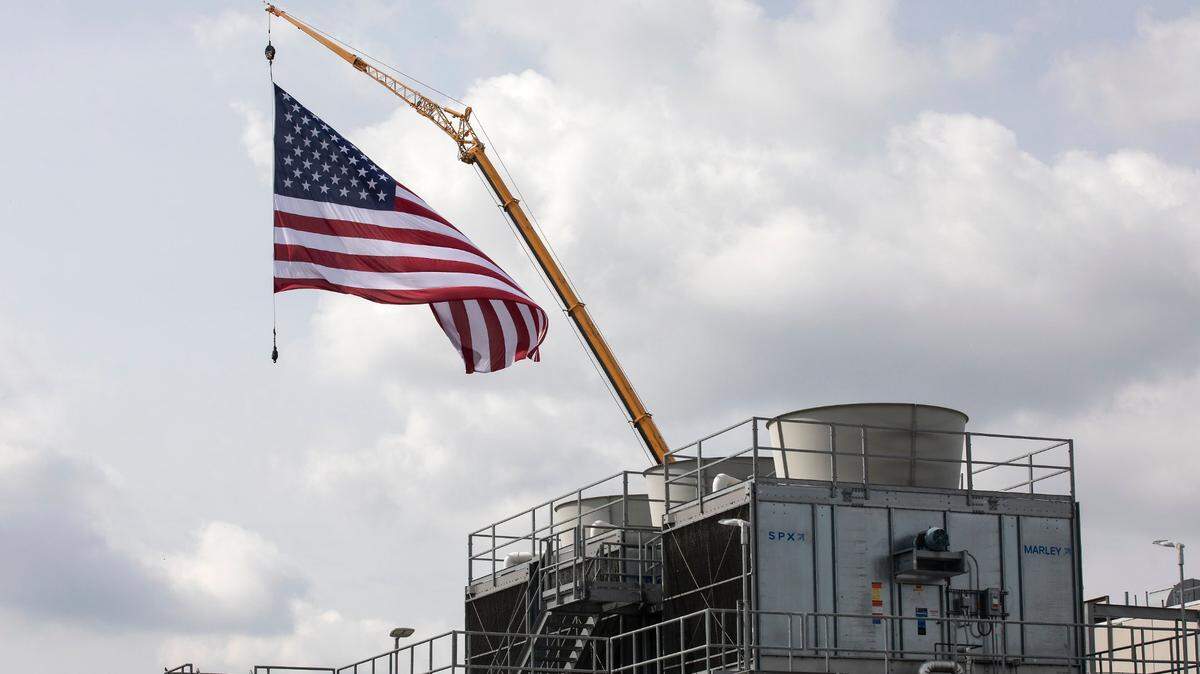
That the large Durham semiconductor supplier Wolfspeed is different today from what it was 12 months ago shouldn’t surprise anyone who has followed the company’s journey into bankruptcy. But in a new filing Tuesday, Wolfspeed disclosed the extent of these changes, and how it plans to reinvent itself after Chapter 11.
Wolfspeed entered bankruptcy in late June with around 3,400 employees, its latest annual report to federal regulators shows, a decrease of nearly one-third from the 5,000 workers it had in June 2024. Starting last summer, the company has announced multiple layoff rounds affecting both its main Durham campus and new Chatham County materials facility.
The chipmaker lost more than labor during this period.
A dip in revenue and spike in spending caused Wolfspeed to lose around $1.3 billion last fiscal year. This compares to $450 million the company lost over the prior 12 months. In an email to The News & Observer, Wolfspeed’s head of investor relations Tyler Gronbach attributed this increase to “restructuring and liability management activities.”
Revenue threats remain. In its annual report, Wolfspeed said two customers continue to account for more than a third of its total revenue — one for 19% and one for 18% — representing a particular risk should either leave the bankrupt company. No other client counts for more than 10% of its revenue.
Wolfspeed told The N&O it does not share customer names when it relates to specific spending details. The chipmaker has promised customer and vendor commitments won’t be impacted during its restructuring.
As part of its bankruptcy plan, Wolfspeed also said Tuesday it looks to reincorporate in Delaware, joining a long list of companies to have their physical headquarters in North Carolina but their legal headquarters in the smaller mid-Atlantic state.
“The state’s well-established legal framework and widely understood regulations provide clarity and consistency that all parties are familiar with,” company spokesperson Bridget Johnson said in an email to The N&O. “Which helps us position the company for long-term growth.”
Johnson said the Delaware incorporation “has no bearing” on Wolfspeed’s operations in North Carolina.
When does Wolfspeed expect to exit bankruptcy?
Founded in 1987 under the name Cree, Wolfspeed today produces a unique semiconductor material called silicon carbide, which is used in electric vehicles, fast-charging stations, renewable energy storage units. It also has a lineup of power devices. The company took on billions of dollars in debt to finance two recent silicon carbide factories, including a massive materials plant near Siler City in western Chatham County where Wolfspeed promised to employ more than 1,800 workers.
Production delays, increased competition, and suppressed demand led Wolfspeed to file for bankruptcy this summer as its first major creditor payment approached. In its annual report, Wolfspeed identified increased competition from Chinese silicon carbide manufacturers and smaller power device suppliers.
In a statement Monday, new CEO Robert Feurle said Wolfspeed expects to emerge from bankruptcy in September “with a much stronger financial structure.”
“Reflecting upon my first three months with Wolfspeed, I am more confident than ever in my decision to join the Company and our opportunity to further strengthen our position in the industry,” he said.
Wolfspeed filed under Chapter 11 in the U.S. Bankruptcy Court for the Southern District of Texas, one of the nation’s most used bankruptcy courts. Under its restructuring proposal, creditors will have their debt obligations converted into ownership, with previous shareholders receiving either 3% or 5% of the company’s new shares (depending on whether Renesas, the Japanese chipmaker and Wolfspeed’s largest creditor, gains “certain regulatory approvals”).
Wolfspeed has continued to trade as a public company on the New York Stock Exchange, selling at around $1.30 a share midday Wednesday. Companies must generally remain trading above $1 a share to stay on the prominent exchange.
This story was originally published August 27, 2025 at 2:44 PM.