Waymo is entering cities that look like Raleigh and Charlotte. So why not us?
I’m Brian Gordon, tech reporter for The News & Observer, and this is Open Source, a weekly newsletter on business, labor and technology in North Carolina.
If Nashville, then why not us?
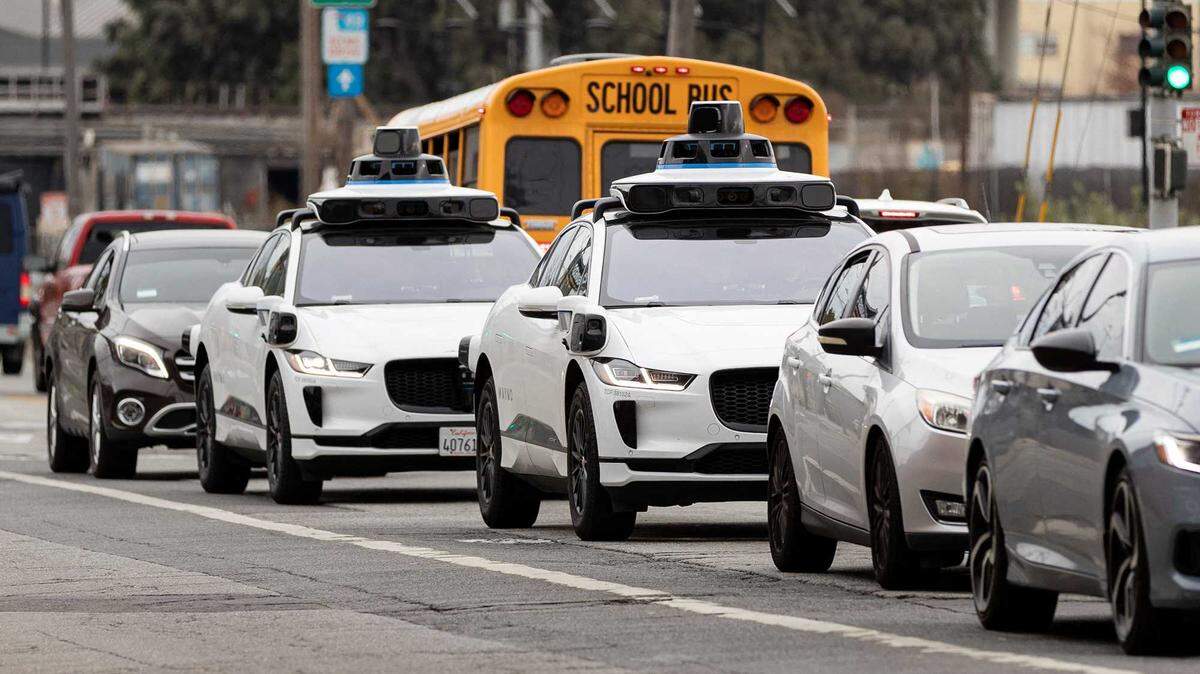
The nation’s leading robotaxi operator, Waymo, has been on an expansion tear this fall, moving beyond initial major warm-weather cities (Phoenix, Austin, San Francisco, Los Angeles) to test its driverless fleet in not-as-large U.S. metros — some of which have snow.
In September, Waymo shared it was coming to Seattle, Denver and Nashville. Last month, it added Minneapolis, San Diego, Tampa, Las Vegas and Detroit. Then two weeks ago, the company announced St. Louis, Pittsburgh, Philadelphia and Baltimore as its latest markets.
Charlotte is bigger than many of these cities, and the Triangle is fast-growing and tech-focused. Even the combined Greensboro-Winston-Salem-High Point metro has more people than New Orleans, though admittedly fewer drunken tourists seeking to hail rides.
Our winters are mild, and our state government is welcoming; in 2017, North Carolina passed legislation permitting fully autonomous vehicles and preempting local governments from setting restrictions.
“North Carolina is encouraging self-driving technology and is eager to discuss it with any interested companies,” N.C. Department of Transportation spokesperson Jamie Kritzer wrote in an email. “We recognize self-driving technology provides an opportunity to save lives, as distracted driving crashes are on the rise because people are texting, emailing or watching videos when they should be driving.”
According to NCDOT, vehicle crashes killed 1,732 people in North Carolina last year.
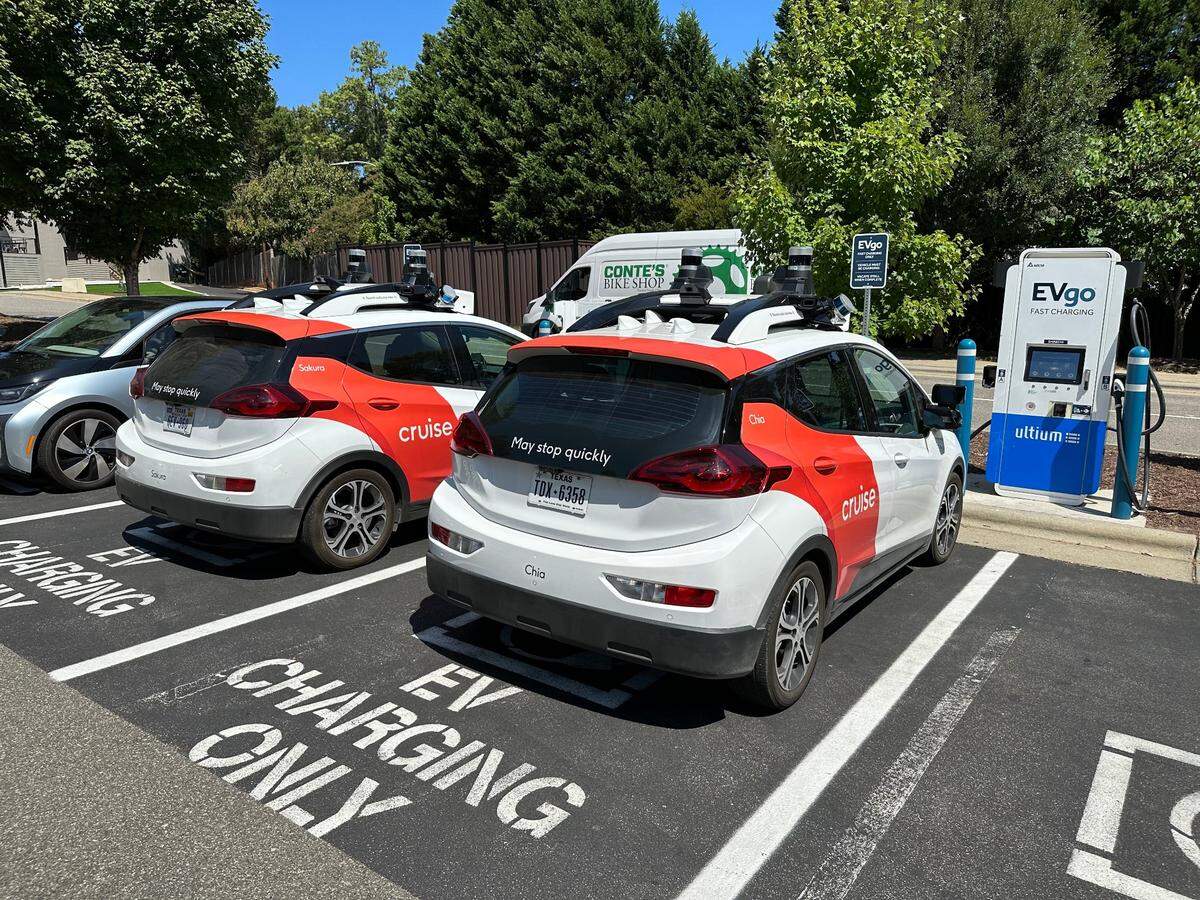
Robotaxi operators have lobbied and tested in North Carolina before. In 2023, General Motors’ Cruise traversed Charlotte and Raleigh to collect data with humans behind the wheel. A few months later, GM halted its now defunct self-driving service over safety concerns.
Cruise registered a North Carolina lobbyist in 2023 and 2024, state records show. Waymo hired the Raleigh-based lobbying firm Navigator from 2021 to 2023, but hasn’t had lobbyists here since.
Waymo officials had a “very preliminary” conversation with Raleigh about two years ago, city spokesperson Julia Milstead says. Charlotte has never heard from the Bay Area company.
“Over the years, we have spoken with several companies about self-driving technologies, but we are not in a position to discuss their plans,” Kritzer at NCDOT said.
In an email to The N&O, Waymo spokesperson Ethan Teicher said the company weighs demand, local regulations and existing transportation services when identifying cities. “We have not yet engaged city or state officials about Waymo,” he wrote of North Carolina. “As we expand around the U.S. and globally, we are engaging with leaders to help explain our technology, our safety record, and how we approach expanding in any new city.”
Last week, Waymo shared it has completed more than 14 million autonomous trips in 2025, triple the number from 2024.
“They really have gone from theoretical to being on the roadways,” said Justin Owens, a senior research scientist at the University of North Carolina’s Highway Safety Research Center. “People can go and take a vehicle that drives itself.”
Owens believes robotaxis, like many emerging technologies, are spreading faster than public awareness. He encourages deliberate implementation and rigorous study. Self-driving cars, he says, won’t be a short-term panacea for road safety.
But Owens also gave a blunt appraisal of the driver-led way Americans have used to get from one point to another for more than a century, a system that caused a projected 27,365 U.S. vehicle deaths in the first nine months of this year.
“It’s completely unacceptable,” he said.
Is it better to be lucky than life sciences?
Spark LS was designed for life sciences. That’s literally what the LS stands for. Spark is one of two massive biotech campuses recently built along the same street in the town of Morrisville.
The campus was announced in early 2022, during a post-pandemic life sciences construction boom. But vacancy rates in the sector remain stubbornly high today, and Spark LS went several months this year without a tenant. In July, it landed its first company, Coriolis Pharmaceuticals, to occupy 13,000 square feet. But the whole complex planned to span more than 1 million square feet.
Spark’s salvation seems to have come from an interesting source: Pokémon. This week, the site’s developers announced they had signed the largest U.S. leasing deal of 2025, at north of 1.2 million square feet. While they won’t disclose the tenant, three people with direct knowledge of the local commercial real estate market said it’s Millennium Print Group, a Morrisville-based company and a subsidiary of The Pokémon Company International. It is the largest Pokémon card printer in the country, if not the world.
“The (biotech) project they were planning is nothing like what Millennium will be,” one of the sources told me.
Millennium currently has several smaller sites across the Triangle. Is this the company consolidating its footprint? Or, with Pokémon card demand sky-high, perhaps the company recognizes it needs more space to print.

Clearing my cache
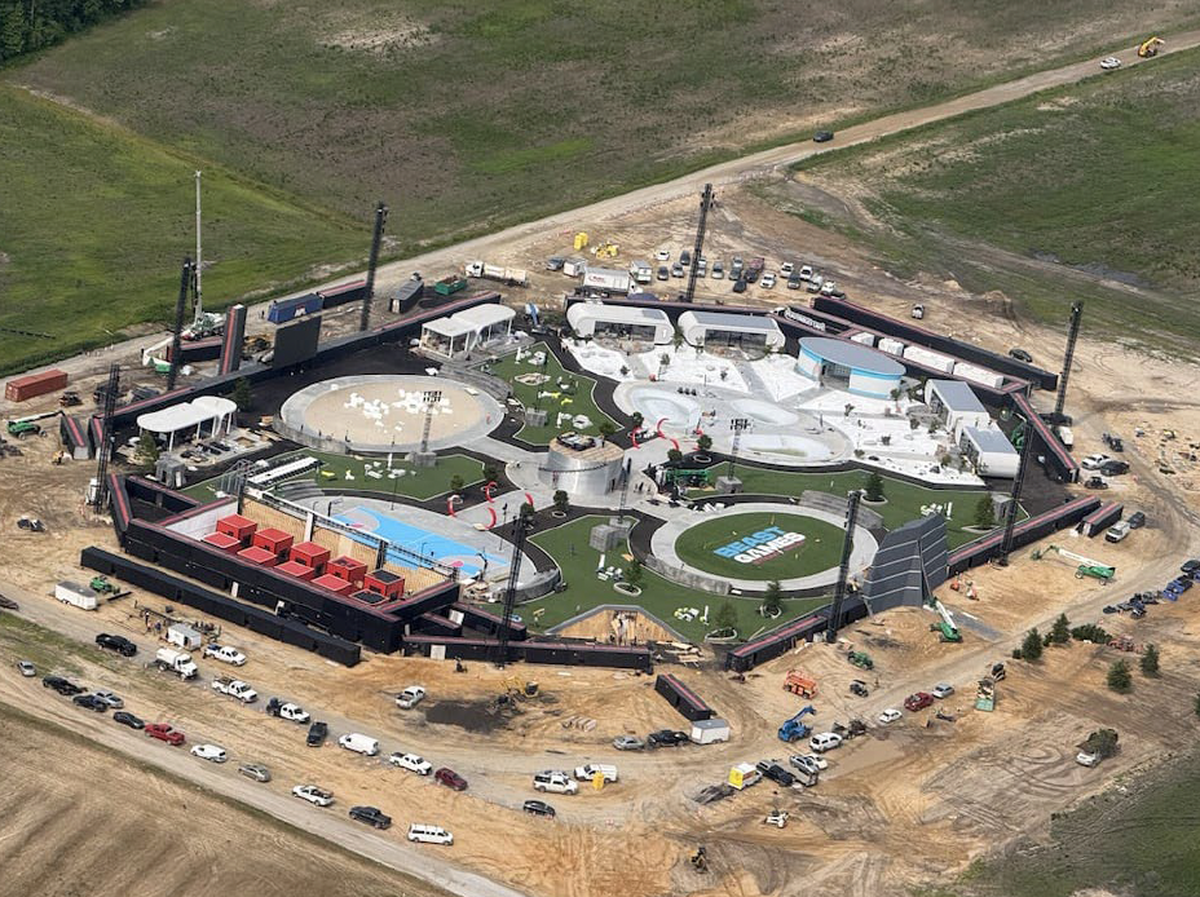
- Public records are the best. Emails between North Carolina officials and MrBeast representatives show how the state came to offer the world-famous YouTuber a $15 million incentive to film most of the upcoming Beast Games Season 2 in Eastern North Carolina, near where MrBeast grew up. First, North Carolina had to update its film incentive guidelines.
- The Trump administration has canceled a $285 million contract for a Durham semiconductor research site that studies digital twins. The Biden administration had awarded this CHIPS money in January.
- Last economic incentive of 2025? On Tuesday, North Carolina gave a jobs grant for the HVAC supplier Hoffman & Hoffman to add 131 workers and grow its footprint in Greensboro.
- Raleigh’s Red Hat has acquired UK-based AI safety company Chatterbox Labs. “As enterprises move AI from experimentation to production, the ability to monitor models for bias, toxicity, and vulnerabilities is critical,” Red Hat wrote online.
- State Attorney General Jeff Jackson criticized President Donald Trump’s recent executive order intended to stymie state AI regulations. “This executive order gets the sequence backward — it tries to block state protections now, based on the hope that Congress might act later,” Jackson, a Democrat, wrote in a statement last Friday.
- Then on Monday, Jackson joined North Carolina in a 21-state coalition suing Uber over its billing and cancellation practices.
- Federal agents in North Carolina seized around $8.5 million worth of the stablecoin Tether that authorities say was tied to money stolen in a so-called “pig butchering scheme.”
National Tech Happenings
- Ford has stopped making its electric F-150 pickup, scuttling a much-hyped model that couldn’t deliver on its promised affordability. The American automaker will eat nearly $20 billion while continuing to make hybrids and smaller EVs. Ford’s F-Series truck is consistently the best-selling vehicle in the U.S.
- Data centers are expensive, and the world’s big tech companies have increasingly shielded themselves from the financial risks, The New York Times reports. Staying with data centers, three Democratic senators this week sent letters to tech giants (including Meta, Amazon, Microsoft) about potential links between their energy-hungry facilities and rising electric bills.
- Elon Musk’s rocket and satellite company SpaceX is exploring going public in 2026 in what could be the largest IPO ever. More companies have entered the U.S. stock market this year (336 to date) than last year (225) or in 2023 (154). The recent IPO peak was 1,035 in 2021.
Thanks for reading! Open Source will be on a holiday break next week, but the newsletter will return Jan. 2. Happy holidays!
This story was originally published December 19, 2025 at 7:49 AM.