NC budget bill eliminates one data center incentive, keeps other tax breaks
AI-generated summary reviewed by our newsroom.
- Budget bill ends a sales tax exemption for on-site electricity that dates to 20 years ago.
- The state says ending the electricity tax exemption will save NC $21.4 million next year.
- Other incentives remain, including sales tax exemptions for eligible business property.
North Carolina data center operators stand to lose a 20-year-old tax break while keeping other incentives under the budget Republican state Senate and House leaders released Tuesday.
The proposed bill ends a sales tax exemption for electricity used on site. The General Assembly estimates this will save the state $21.4 million in the upcoming fiscal year, which begins Wednesday.
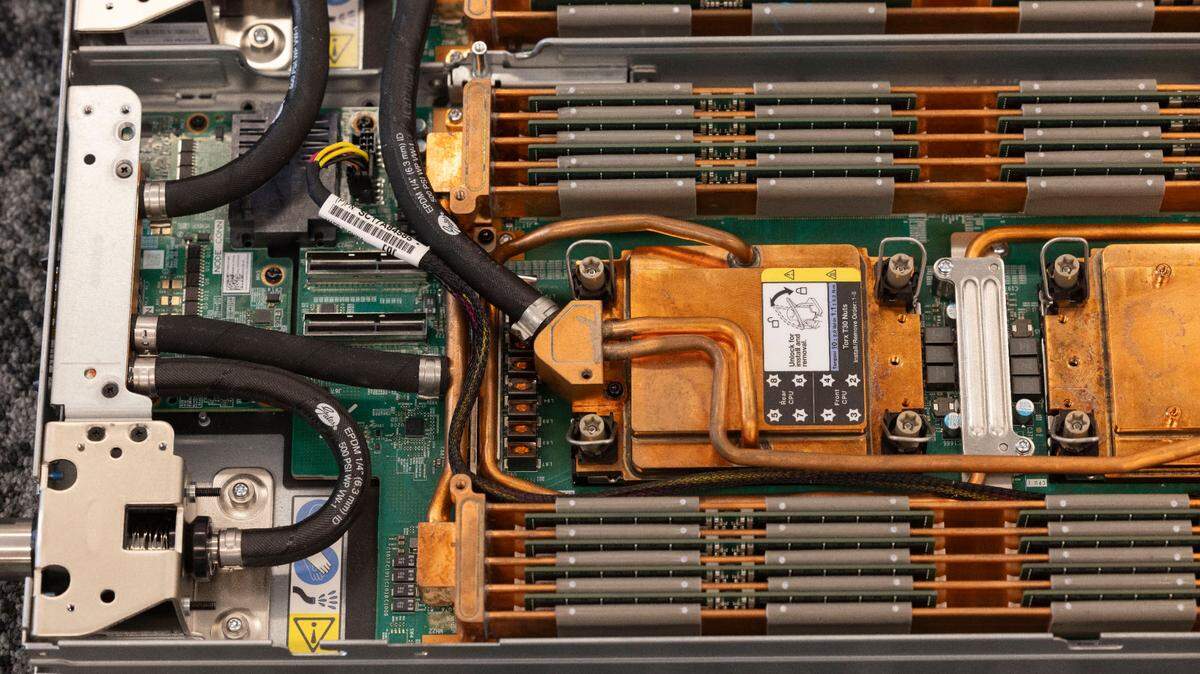
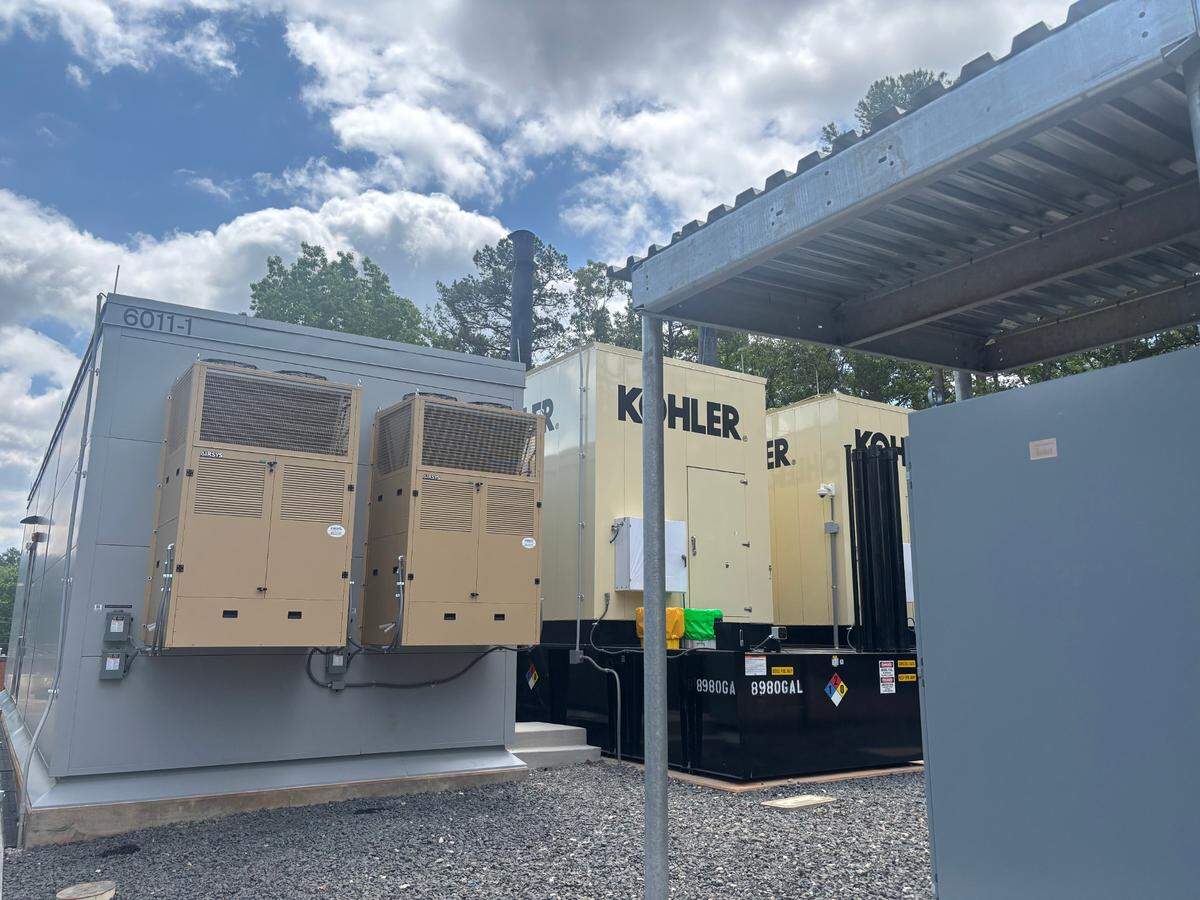
Operators can still avoid state taxes on purchases of “eligible business property,” including on-site cooling systems, exterior substations and computer research. North Carolina lawmakers expect to vote on the budget this week.
To qualify for sales tax incentives, data center operators must invest at least $75 million in a site, meet county wage standards, and provide healthcare for full-time employees. The North Carolina Department of Revenue can audit companies to confirm their eligibility.
State data center incentives date back to 2006, when Google encouraged the General Assembly to provide sales tax relief for facilities in counties with modest economic growth. Within a few years, Google and fellow tech giants Meta and Apple had established a so-called “data center corridor” in former furniture- and textile-industry towns west of Charlotte.
It’s not clear exactly how much money North Carolina incentives have saved data center operators; unlike states like Ohio, Georgia and Virginia (which require annual reporting), North Carolina doesn’t make these companies share their spending totals beyond one-time, initial estimates.
The state hasn’t typically offered its largest economic incentive program — called the job development investment grant, or JDIG — to attract new data centers given the relatively few long-term workers they employ compared to their energy consumption.
New rules in the age of AI hyperscale sites
Artificial intelligence has driven immense recent interest in hyperscale data center projects (often defined as sites that draw at least 100 megawatts of electricity). Amazon is perhaps the most well-known new entrant to the state’s data center landscape, as the company is building a promised $10 billion campus in rural Richmond County. The company has not shared the site’s projected electrical power use.
Many North Carolina communities have responded to data center growth by opposing local site proposals and supporting 12-month permitting moratoriums over concerns about how these facilities will look, sound, consume water, and use electricity. AI data centers contain rows of servers with graphics processing units, or GPUs, which generate significant heat and need to be cooled.
“When this tax break was enacted in 2006 and then expanded again in 2015, we lived in an entirely different world,” Gov. Josh Stein, a Democrat, said in April. “At that time, no one could have anticipated the explosive growth of data centers and how much energy they consumed.”
In a memo that month to the Energy Policy Task Force, Stein’s office detailed options to “repeal” or “modify” the tax breaks. Exemptions could be ended suddenly or sunset over time, the memo stated.
Stein told reporters at a healthcare event Tuesday that he would look at the budget “incredibly closely in the coming days.” If he vetoes the bill, Republicans have enough votes in the Senate but just short of enough in the House for an override without help from Democrats or independents.
Luciana Perez Uribe Guinassi and Dawn Baumgartner Vaughan contributed to this report.
This story was originally published June 30, 2026 at 4:08 PM.