Chapel Hill’s last mail-order house faces demolition deadline
AI-generated summary reviewed by our newsroom.
- Chapel Hill's last intact Lustron home faces demolition if unsold by Aug. 31.
- Preservation NC lists the postwar steel home for $397,000 to attract buyers.
- NCModernist promotes historic value as officials weigh tax credit eligibility.
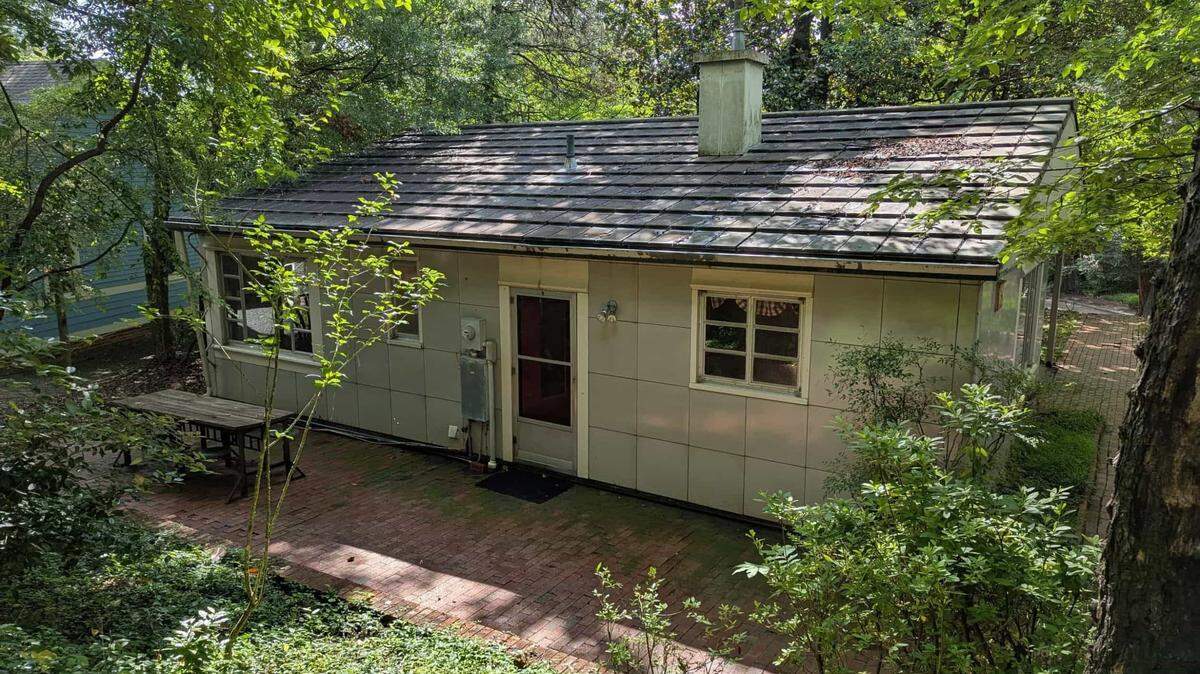
Time is running out to save Chapel Hill’s only intact 1,044-square-foot Lustron home.
The post-World War II relic, tucked away on a wooded .2-acre lot at 109 Stephens St., is listed for $397,000 by Preservation North Carolina.
Part of a short-lived housing revolution, it’s one of 2,500 homes built. Only a handful remain in the Triangle. The nonprofit is working with the deceased owner’s heirs to sell the home. But it will be demolished if a buyer isn’t found by Aug. 31.
As of Wednesday, there were no confirmed takers.
“We’ve had strong interest,” said Cathleen Turner, regional director at Preservation NC. “We’re working with the family. They want to see it saved.”
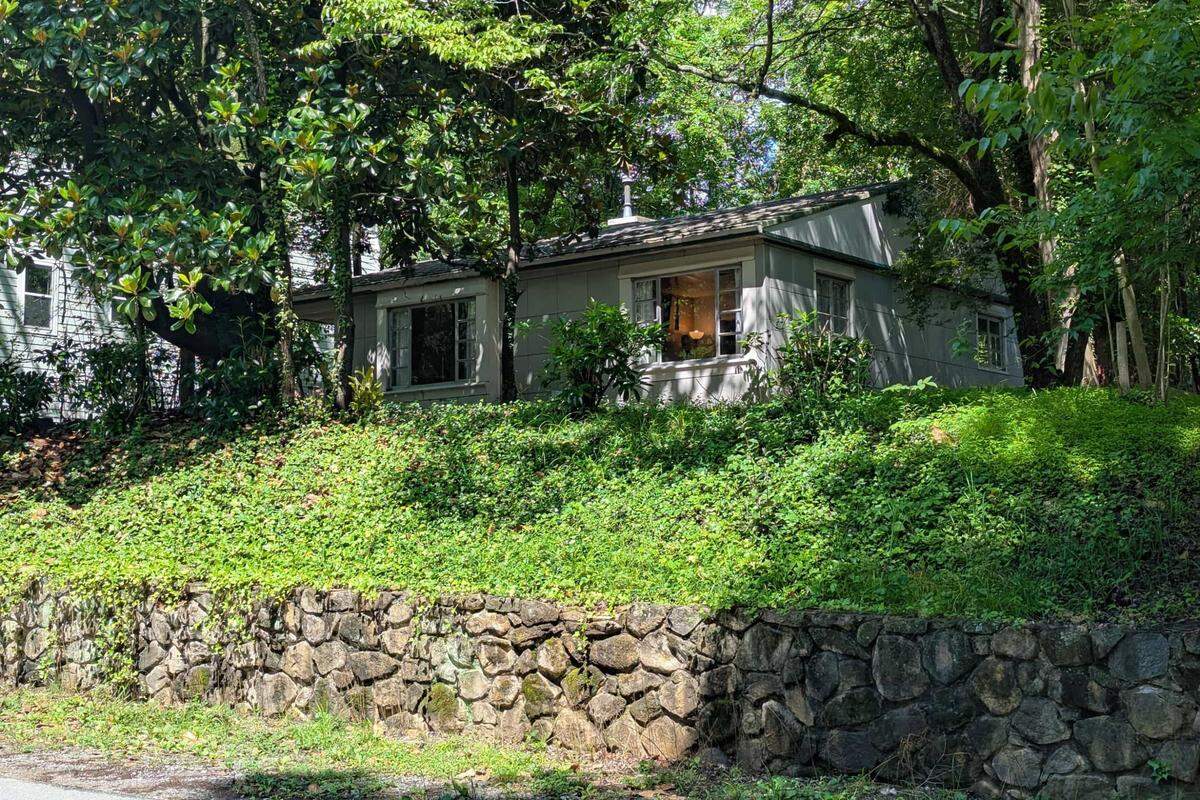
Built between 1948 and 1950, Lustron homes are prefabricated, enameled steel abodes, developed to address the postwar housing shortage. But they never gained traction.
Manufactured by the Lustron Corp. out of Columbus, Ohio, and shipped in 3,300 parts, they were assembled on site, like a Lego set. They weighed 13 tons and came in four colors. Like the one at 109 Stephens St., the most common model, the “Westchester Deluxe,” boasted a gabled roof and side porch.
In 1949, a year before production ceased, Lonas and Elizabeth Williams ordered their model in Dove Gray, via Taylor-Made Homes in Greensboro. It quickly became a showcase home with public tours held for local fundraisers.
Today, the house retains most of its original features: pocket doors, closets, and built-in cabinets, including a pass-through metal China cabinet between the kitchen and dining room, and a rare bathroom cabinet.
Its current owner, Julie Bond-Meers, bought the house in 1994 and lived there until her death last October, Turner said. She was a “historical preservationist,” and wanted it to remain intact.
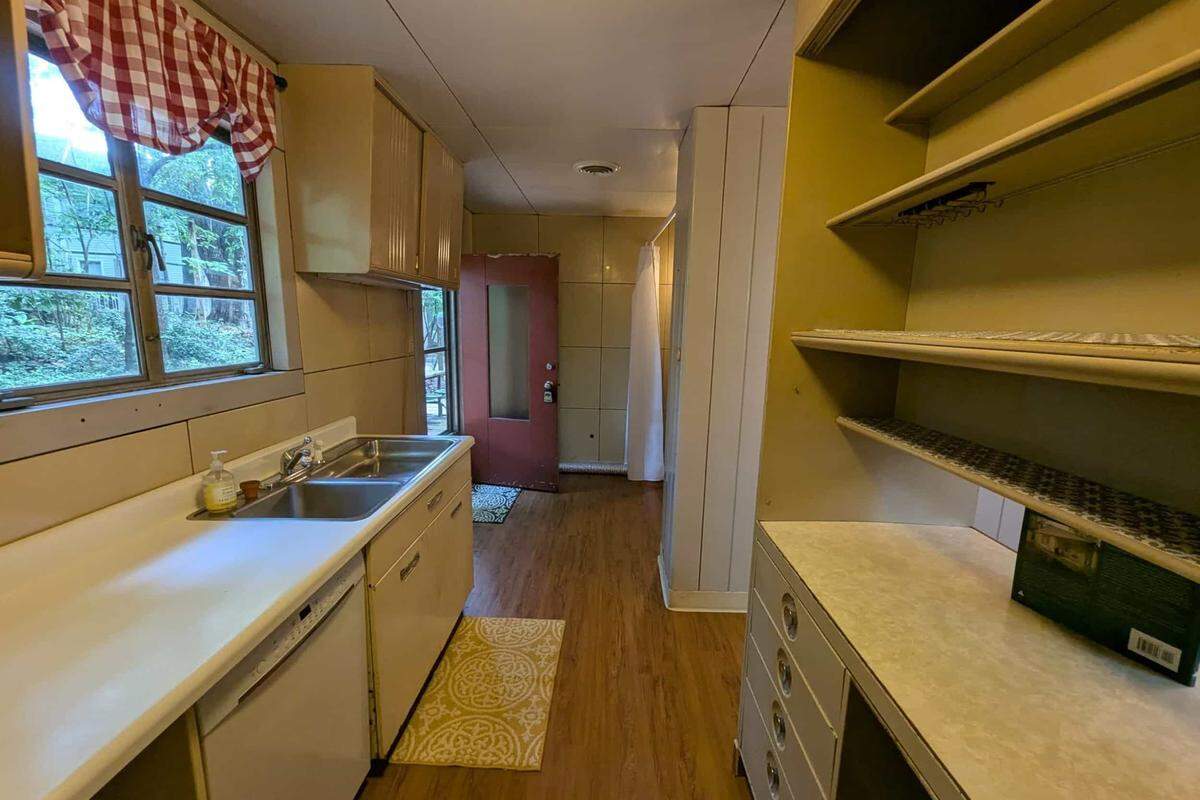
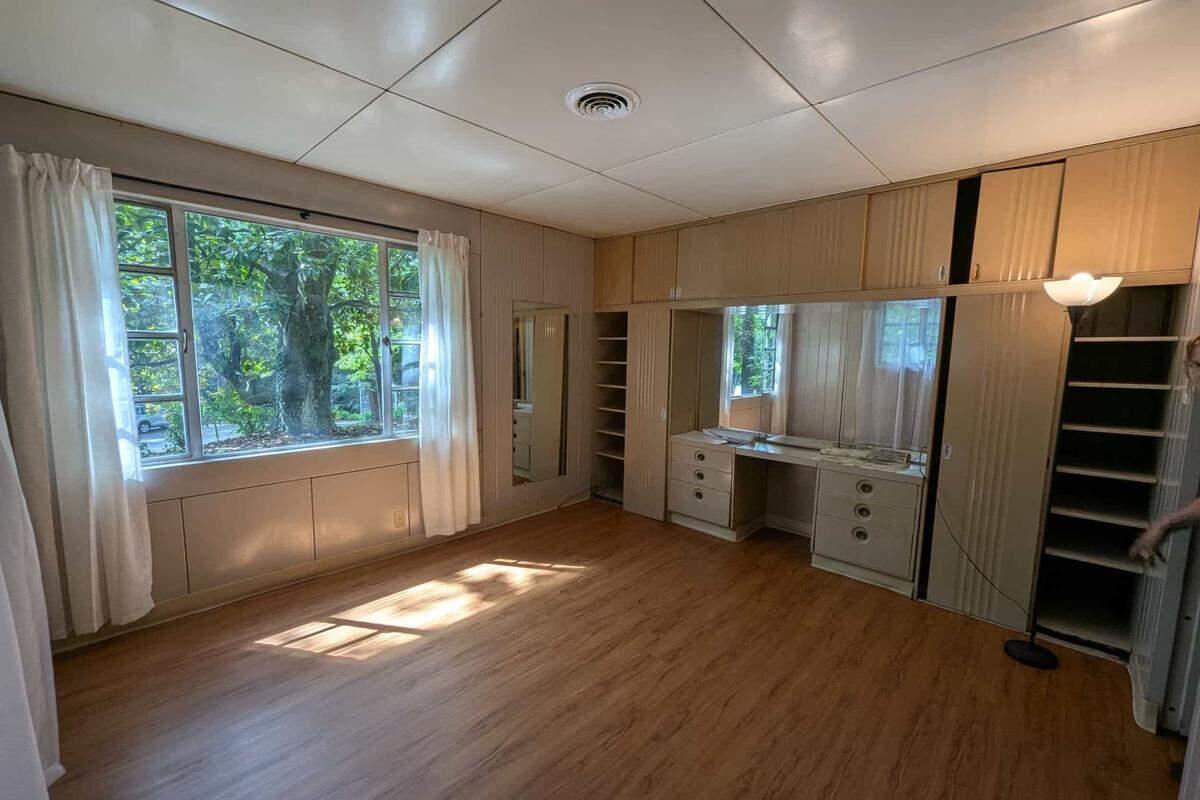
According to the listing, the home is in “good livable condition” and includes appliances. Original tiles have been covered with new flooring. It will need some work, “including repairs to some rusty spots, inside and out.”
The property is being considered for nomination to the National Register of Historic Places. Once fully listed, it will be eligible for rehabilitation tax credits, the listing said.
George Smart, founder and executive director of NCModernist/USModernist, said he hopes that’s enough incentive to meet the deadline.
“These houses are pretty special,” he said. “They’re a great anomaly in the history of housing. A really good one that has been restored is quite something to look at.”