UNC research indicates COVID-19 isn’t mutating significantly, so vaccines should work
A new genetic study out of UNC-Chapel Hill has found that the virus that causes COVID-19 is not mutating in a way that will harm the effectiveness of potential vaccines.
The research, published in the journal Cell Reports, used genetic sequencing technology to monitor changes in SARS-CoV-2, the virus that causes COVID-19 and has infected more than 200,000 North Carolinians.
Viruses change as they move from person to person, leaving tracks of information that allow scientists to map out their spread. For example, the coronavirus that spread from Italy to New York and then to the rest of the United States will have a slightly different signature from one that traveled directly from China to Washington state.
Italian mutation dominates in NC
The first reported COVID-19 case in North Carolina was someone who had previously traveled from the state of Washington. But other early cases came from people infected on a cruise ship in Italy. Each of these cases had distinct genetic markers.
The UNC research shows that most of the subsequent cases in North Carolina, as well as Virginia, showed mutations that were associated with the cruise ship case, supporting a theory that a majority of cases in North Carolina are the result of community spread.
If those mutations are significant enough, it might reduce the effectiveness of diagnostic tests and potential vaccines.
Vaccines should work
The UNC study, one of the largest to look at suburban and rural communities, however, found that the variations that did occur were not in parts of the virus that tests and vaccines are based on. Those tests and potential vaccines are designed on samples of the virus from March.

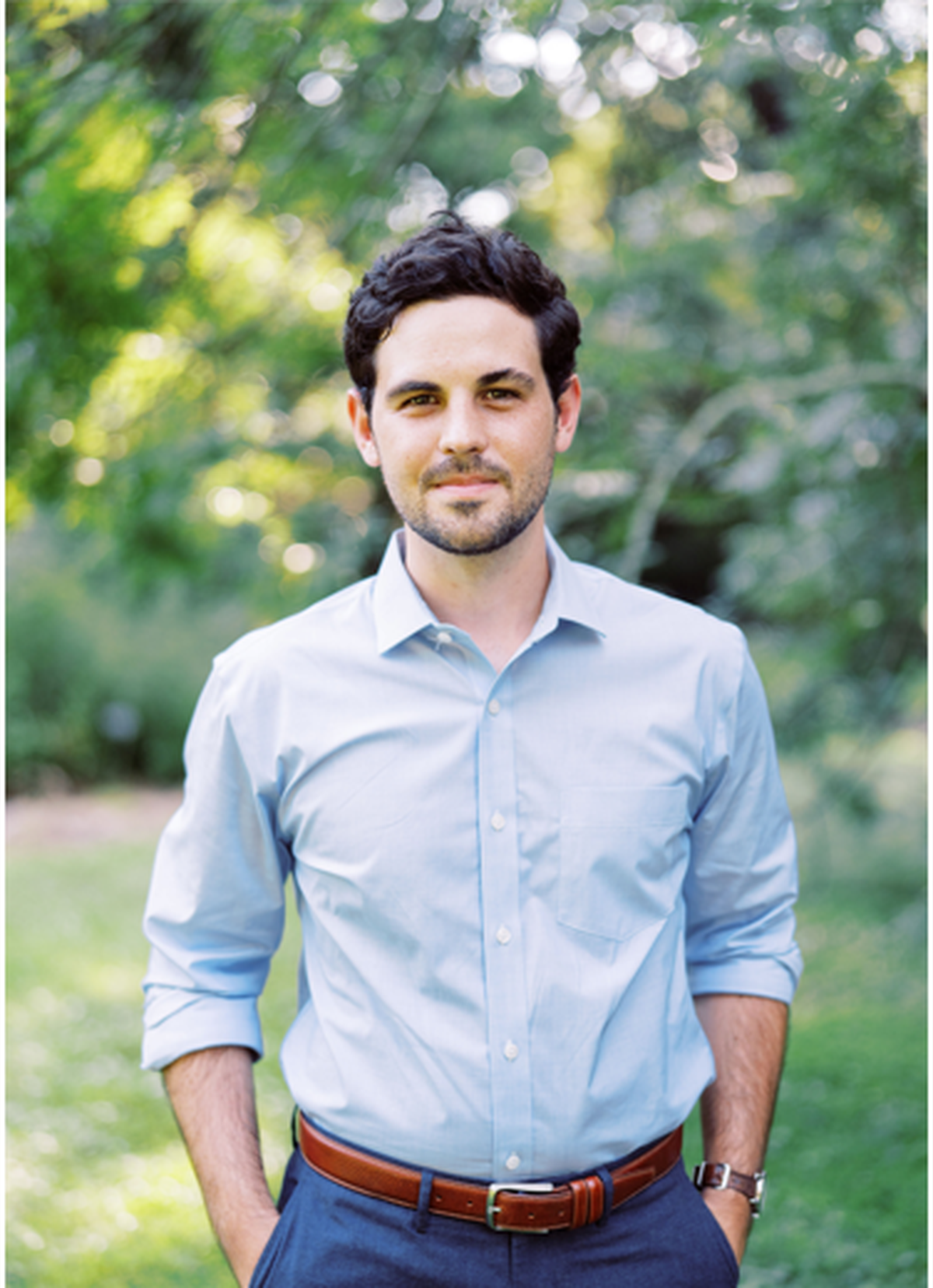
“This is really reassuring,” Dirk Dittmer, a professor of microbiology and immunology at UNC, said in an interview. Dittmer was a senior author of the study and his lab led the research.
“The virus is very stable, and whatever little (changes) we see don’t affect testing and they don’t affect the vaccine.”
The COVID-19 virus is not like the flu, he said, which requires a new vaccine every year because of how much it changes.
That could make it significantly easier — and cheaper — to roll it out to the general population.
“We might have to vaccinate everyone for the next three years,” Dittmer added, “but it will be the same vaccine, which is cheaper.”
The research was funded by a grant from the N.C. Policy Collaboratory based at UNC-Chapel Hill.
It focused on coronavirus cases found at the UNC Medical Center in Chapel Hill from March 20 through May 8. Dittmer’s lab is continuing to take samples from patients at the hospital and plans to do so through the rest of the year.
Earlier research by Duke University also found that the Italian version of the virus is the dominant strain in the U.S., and that its mutations made the virus more contagious, The News & Observer reported.
David Montefiori, the director of the Laboratory for AIDS Vaccine Research and Development at Duke, told The N&O earlier this year that he was concerned about the mutations.
But, as more information has come out, his research indicated “rather conclusively” that the mutations shouldn’t affect vaccines, Montefiori told The N&O via email on Thursday. He added that he will soon be publishing those findings in the scientific journal Cell Host and Microbe.
“In fact, to our surprise, the mutation made the virus modestly more susceptible to neutralization,” he said. “Apparently the virus needed the mutation to become (more) transmissible but did not really care about the trade-off for neutralization.”
Dittmer said he is optimistic about our ability to beat back the virus in 2021. However, things might get much worse before they get better.
“I think if we can make it through this winter, all the pieces will fall into place,” he said. “It is just right now, as it gets colder, the virus hangs around and more and more people get infected.”
Coronvirus cases and related deaths are surging in North Carolina, and across the country. On Oct. 29, the state saw the largest one-day increase in newly confirmed cases of the pandemic.
Early-warning system
The study also gave UNC the opportunity to experiment with genetic testing that might give hospitals a more comprehensive look at what is affecting patients.
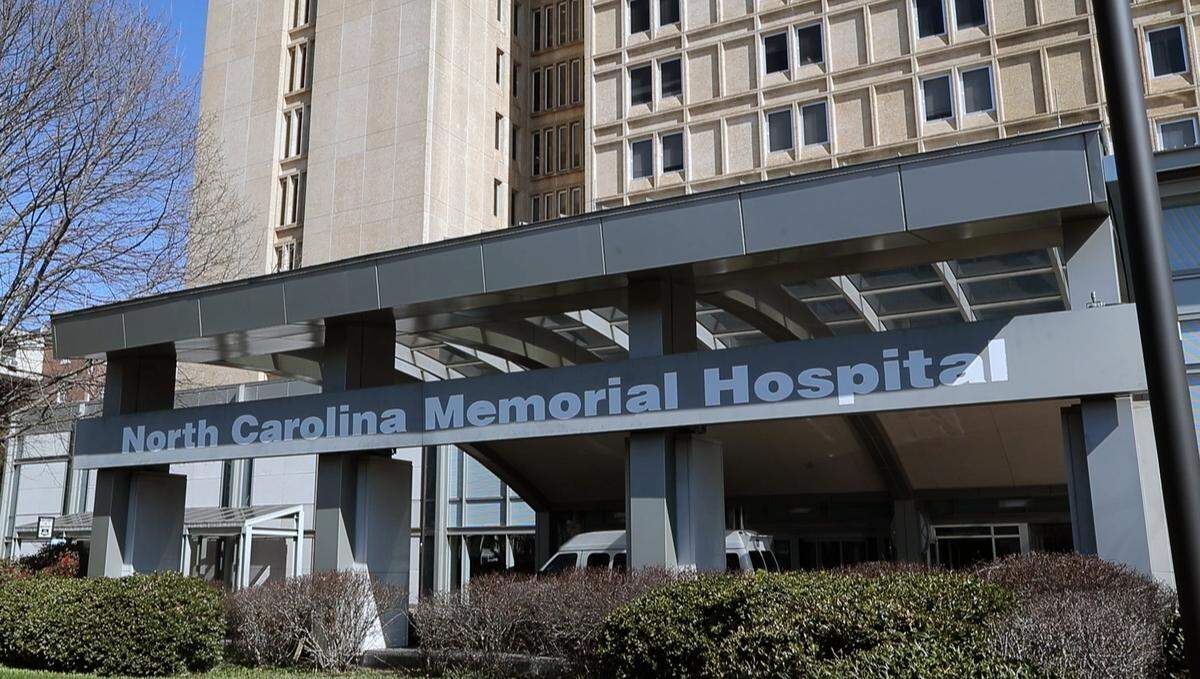
While it is cost prohibitive at the moment, UNC’s genetic-testing technology can take a nasal swab from a patient and within 24 to 48 hours determine whatever virus load they might be carrying. But, Dittmer believes, that cost will continue to fall in the coming years, and it might be possible to screen nearly everyone that comes through a hospital’s doors.
That would allow a hospital to follow trends of what exactly is spreading in its community.
“This is the beginning of an early-warning system ... that is the long-term benefit,” he said.
This story was produced with financial support from a coalition of partners led by Innovate Raleigh as part of an independent journalism fellowship program. The N&O maintains full editorial control of the work. Learn more; go to bit.ly/newsinnovate
This story was originally published November 5, 2020 at 2:40 PM.