The ‘herd immunity’ to COVID everyone talked about? We’re almost there, Duke doctors say
Enough people in North Carolina have been vaccinated against the coronavirus and/or infected with it that another spike in hospitalizations and deaths from COVID-19 is unlikely, according to two infectious disease experts at Duke University.
The coronavirus that causes COVID-19 probably won’t disappear, said Dr. David Montefiori, who has studied the emerging strains of the virus. But vaccines and previous infections are producing a “herd immunity” that keeps most people from getting severely ill from the current omicron variant circulating through the state.
“I think this virus is always going to be with us; it’s something we’re going to have to learn to live with,” Montefiori said during a press briefing Thursday. “And the hope all along was that at some point there would be enough population immunity built up that this would become a common cold for most people or no worse than the flu in terms of the number of really serious cases and deaths.
“And we seem to be moving in that direction.”
Nearly 7,300 new cases of COVID-19 were reported in North Carolina for the week ending Wednesday, according to the state Department of Health and Human Services. That compares to an average of more than 22,000 a day in January, when the omicron variant of the coronavirus fueled a spike in cases nationwide.
The number of people hospitalized with the disease has also declined significantly, from more than 5,000 at one point in January to an average of 351 statewide last week. Seven people died of COVID-19 in the last week, the lowest number since the early weeks of the pandemic.
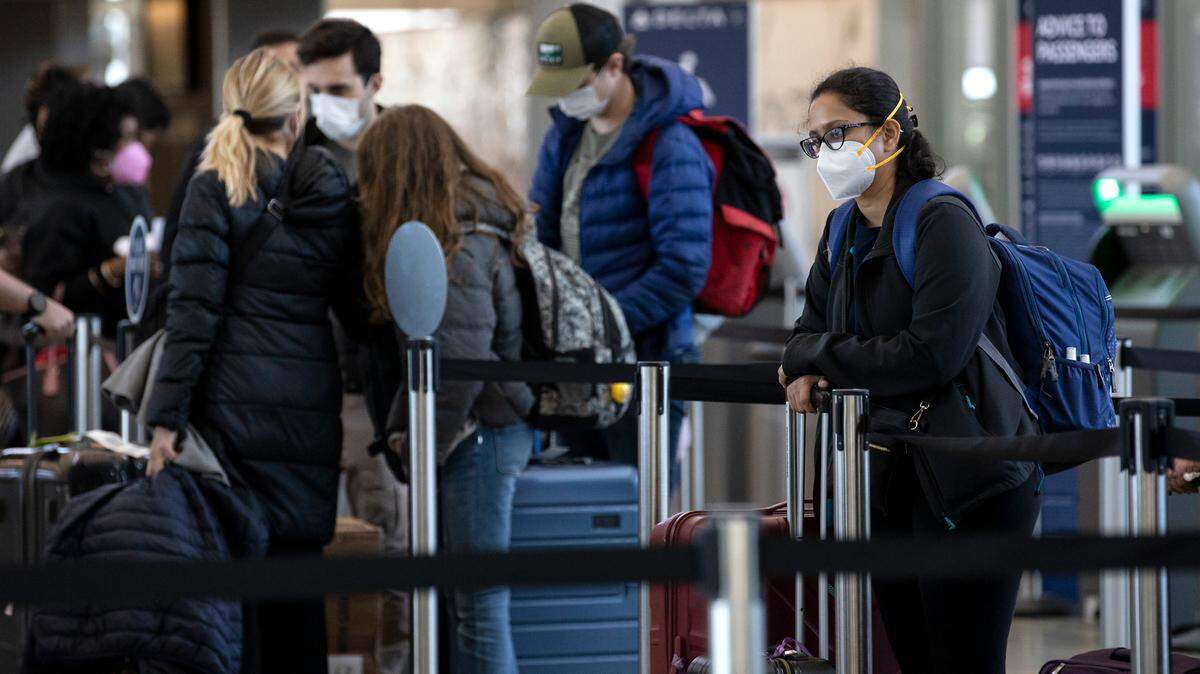
As a result, state and local governments have relaxed or dropped the rules and regulations aimed at preventing spread of the virus. A federal judge this week effectively ended one of the last measures, a national requirement that people wear masks on public transit, trains and airplanes, though the Centers for Disease Control and Prevention argues the transportation mask mandate is still needed.
Overall, public health officials are beginning to manage COVID-19 like a regular respiratory illness, said Dr. Cameron Wolfe, an infectious disease specialist at Duke University Medical School.
“It’s not derailing in our day-to-day activities,” Wolfe said during the press briefing. “That sort of social endemic response I think is what is often perceived by people to be the endpoint, and we’re approaching that.”
While measures to protect the overall population are being relaxed, people should still assess their personal risk to the virus, Wolfe and Montefiori said.
People with weakened immune systems, including older adults and those with underlying health conditions, still should be on guard, by wearing masks in crowded public spaces and keeping up on their vaccinations.
Vaccination accounts for much of the success against the omicron variant, Montefiori said, particularly the booster shots that many people got in the fall. About 72% of adults and 94% of people age 65 and older in North Carolina have received the initial doses of the vaccines, according to DHHS.
But only about 52% of those eligible for booster shots have received one, and Montifiori said that number should be higher.
“I can’t emphasize enough how important it really is to get boosted for omicron,” he said. “There’s no question about the need for the boost now to protect against serious illness and death in the case of omicron infection.”
The need for and timing of a second booster shot is much less clear, Wolfe and Montefiori said. The answer will depend on each person’s potential exposure to the virus and susceptibility to the disease and their waning immunity.
It’s also not known whether a new COVID-19 strain will emerge that will evade the immunity the population has built up over the last two years. A new dominant variant of the virus has emerged in the world every four to six months, Montefiori said.
But viruses tend to become less deadly as they evolve, he added, so scientists are hopeful new variants won’t pose a serious threat.
“The biggest concern is that the virus will find a way to get around the immunity that exists right now. And that would create a real problem,” he said. “But right now, I don’t see that happening.”