Artist group makes makes sure every voice gets heard
READ MORE
The Triangle Gives
Read about more area charities and how you can donate
Expand All
Everyone has a story, but not every story gets heard.
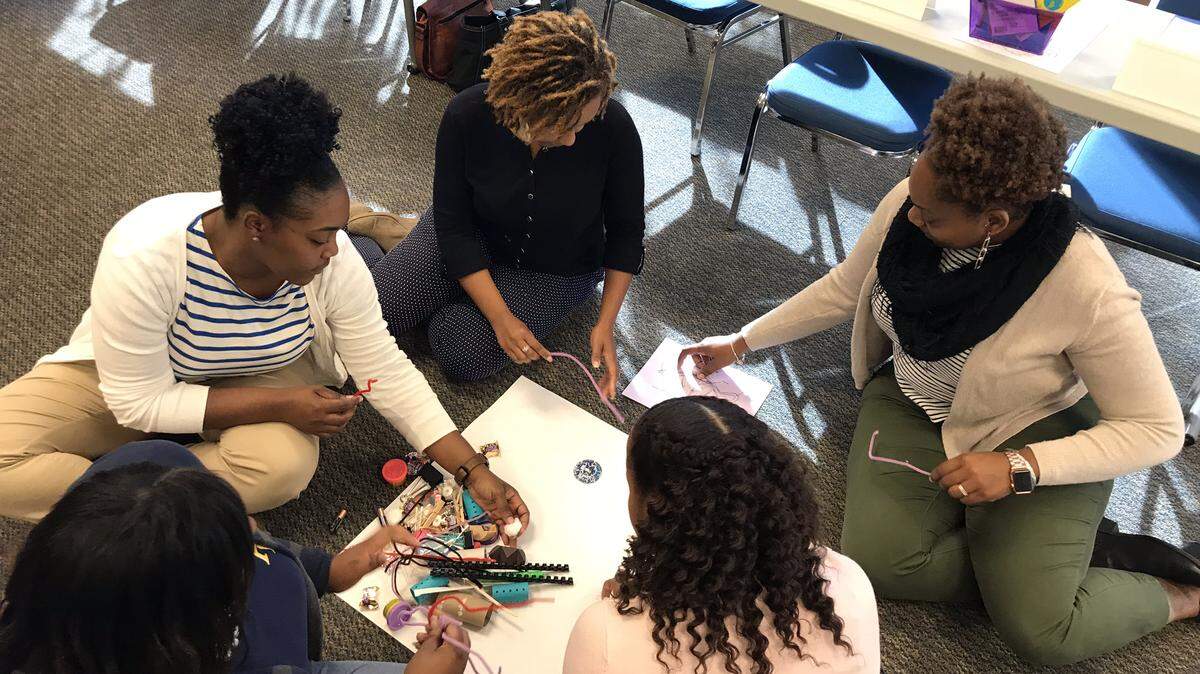
It’s something Hidden Voices, a Triangle-based artist collective, is trying to change. With the help of all types of artists, the nonprofit creates interactive art with underrepresented people that tells their stories, then shares it.
“Often, when you hold a story tightly, it can become very confining,” said founder and director Lynden Harris. “When you share that story, it becomes something that is a part of who you are, but that is not the whole of who you are. When you put that out there for an audience, the audience takes it in and feels expanded, and the person who shared the story usually feels lighter and liberated.”
Hidden Voices began in the late 1990s during a push within the art world to draw in a more diverse audience. Rather than simply create art about minority communities, Harris said she had the idea to ask those groups what art they wanted to share.
“It was an insane idea,” she said. “It was just massively difficult to do, but it also really worked. People were excited to bring their stories to the state or exhibit stage.”
In the beginning, there were no venues, no understanding of what Hidden Voices was trying to accomplish, and no funding.
The first project focused on women in prison, then came an installation by undocumented young people; then survivors of family violence.
Eighteen years later, Harris says there’s still not enough funding, but she and her team have managed to help create 14 exhibits and performances, some of which have won awards and others that have toured the country for years.
A project begins with group of underrepresented people, usually brought to the nonprofit’s attention through a community tip. The artists of Hidden Voices then follow a strict process, including helping the group identify what they most want to say, who they need to listen, and what style of art lends itself most readily to the project.
“We have a process, but not an agenda,” Harris said. “So we don’t know what’s going to come out of it. It’s just, what can we create together?”
Hidden Voices has helped create plays, spoken word performances, interactive art exhibits, music, digital media, and animation. Often, a project will include multiple formats, such as a play and an art exhibit.
One project created a digital history map by placing stickers around a neighborhood with a number to text that would then text back details about significant events that happened on that spot.
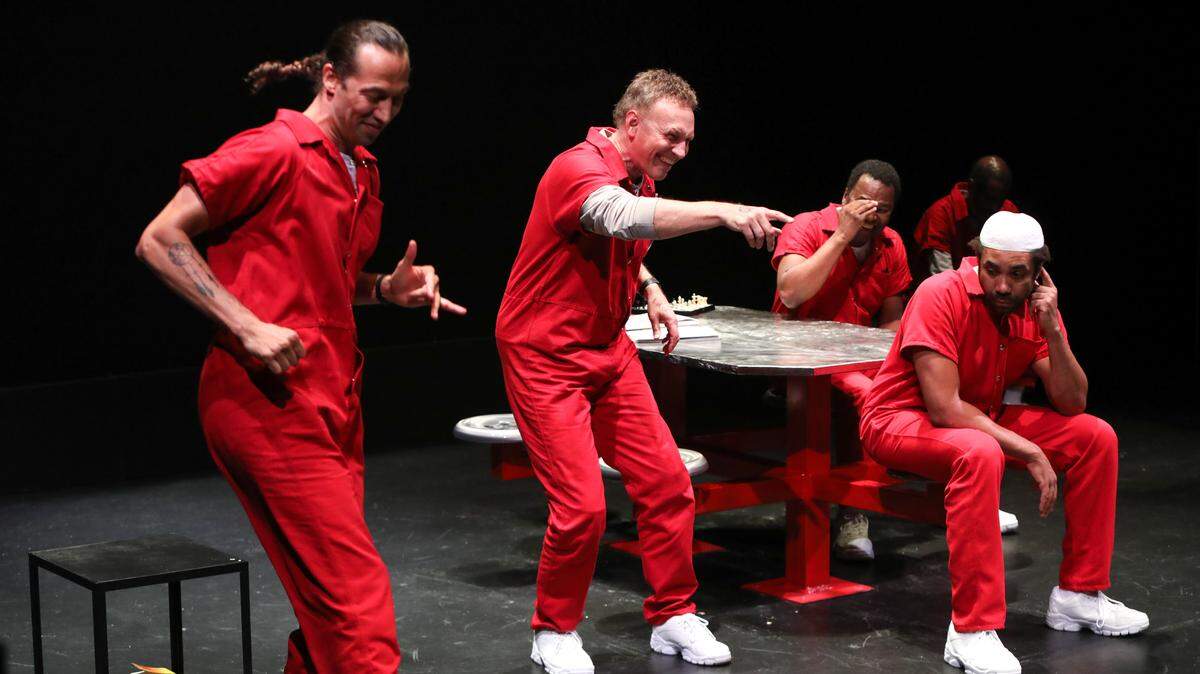
Another project created with Death Row inmates and their families features large artist renderings and virtual reality pieces, including one piece depicting a rigged Monopoly game board and a dresser with the words, “The first time I was in jail, I was innocent” carved into a drawer.
Another asked students at Duke University to imagine a world without sexual violence through an interactive campaign and evening of personal story telling.
When a Hidden Voices project ends, it’s usually been seen by 15,000 to 20,000 audience members.
The intent, Harris said, is always to expose audiences to stories and backgrounds they may not have ever considered before.
“An audience member may literally have never thought of someone on Death Row as anything other than a monster, and then they hear the story of (an inmate’s) family member,” Harris said. “People are naturally compassionate and curious. They just have not had the benefit of hearing these stories. This a way to connect across different groups.”
Hidden Voices
9602 Art Road
Cedar Grove, NC 27231
To donate or collaborate with Hidden Voices, please contact info@hiddenvoices.org.
Current exhibit
You can see the following Hidden Voices exhibit through December:
“Serving Life: ReVisioning Justice”: A collaboration with men on Death Row which includes two full length plays, a cycle of 30 minute monologues, a digital tour, an opera/musical, and an exhibit of portraits and reflections from family members living with a loved one on death row.
Oct. 30-Dec. 10 at the Rubenstein Arts Center, Duke University
Nov. 3 at 11:30 Gallery tour
Nov. 4 at 4 p.m. Opening reception and community reading
Nov. 16 at 12 p.m.
This story was originally published November 24, 2018 at 8:49 AM.