When COVID-19 hit, these Triangle charities and nonprofits sought millions in PPP funds
More than 200 nonprofits in the Triangle area requested relief funding through the first round of the federal Payroll Protection Program, asking for amounts ranging from $150,000 to $5 million each, for a total of up to $239 million.
That doesn’t include nonprofits that asked for amounts of less than $150,000 through the program.
A database released by the federal Small Business Administration lists the names of applicants by state and the dollar range of the amount each requested: from $150,000 to $350,000; from $350,000 to $1 million; from $1 million to $2 million; and from $2 million to $5 million. According to the SBA, the Payroll Protection Program provides loans to help businesses keep their workforce employed during the coronavirus crisis.
The SBA says the loans will be forgiven if the employer meets all the job-retention criteria and the funds are used for eligible expenses, including payroll, mortgage interest, rent and utilities. At least 60% of the forgiven amount must have been used for payroll, the government says.
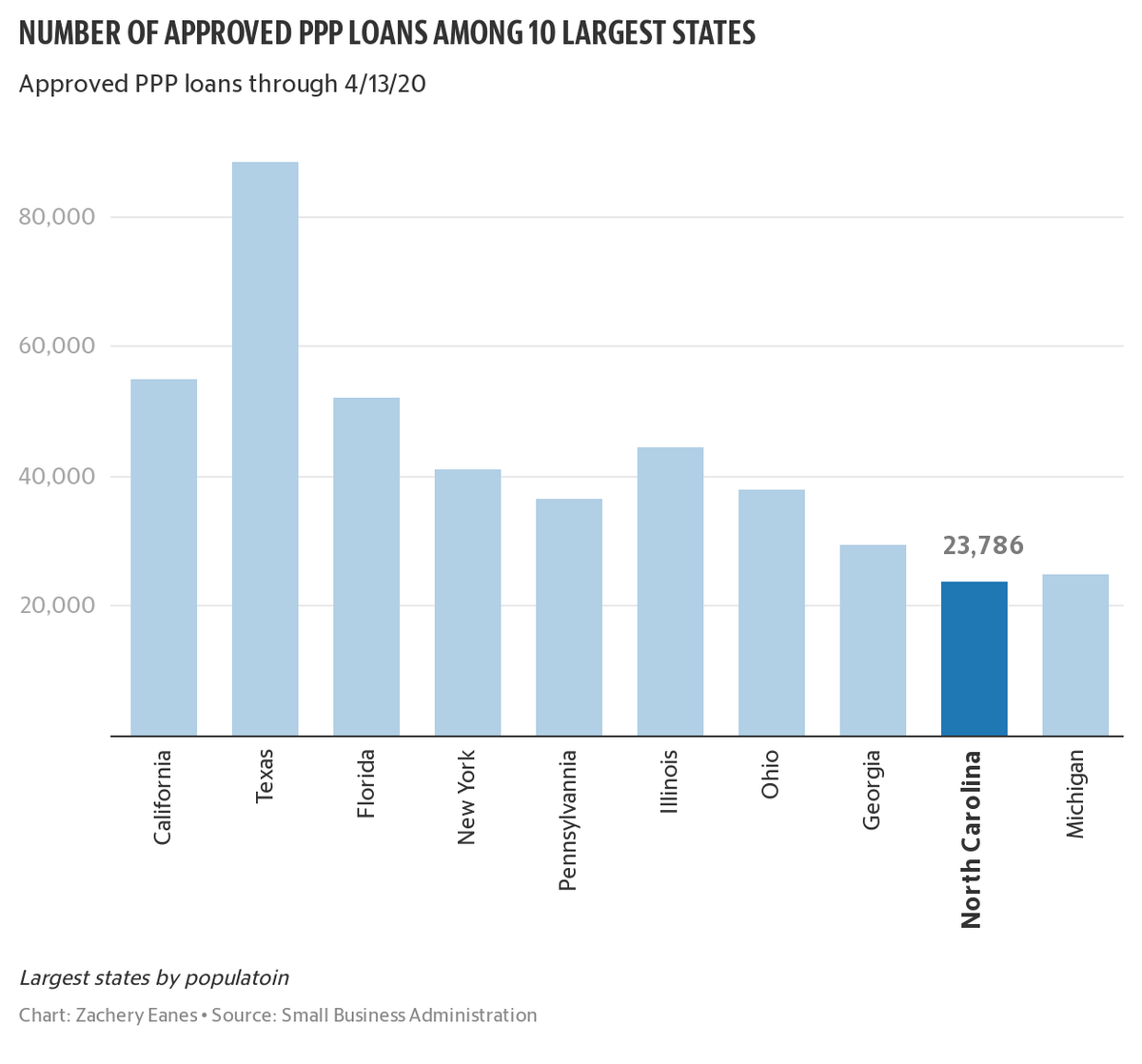
As of July, the SBA’s website said, the agency had made loans to more than 5 million applicants across the country totaling nearly $521 billion.
Colleges, churches, charities
Data released so far by the SBA does not indicate whether particular applicants received funds or how much they received. It does show that nonprofits across North Carolina applied for funds, including at least 19 private colleges and universities. Among those were Shaw, St. Augustine’s and William Peace universities in Raleigh, each of which asked for between $2 million and $5 million in PPP funds.
Other nonprofit applicants included churches and faith-based charities; social-service agencies such as legal aid providers, child- and domestic-violence prevention programs, groups that feed the hungry; healthcare centers; children’s charities such as orphanages and youth sports organizations; educational organizations; arts groups; economic development promoters; local emergency services agencies; trade groups; and environmental groups such as those that advocate for land or wildlife conservation.
The list includes familiar names such as the College Foundation, Legal Aid of North Carolina, The Arc of North Carolina and Planned Parenthood, all of Raleigh, and Summit Church of Durham, each of which asked for $2 million to $5 million.
The $1 million to $2 million category included local applicants such as the Capital Area Soccer League, Girl Scouts North Carolina Coastal Pines, Greater Raleigh Area Christian Education, St. Francis of Assisi Church, the American Board of Anesthesiology, The Methodist Home for Children and Rise Against Hunger, all based in Raleigh.
Duke Corporate Education, Integrated Health Services, the DAN Foundation and the N.C. Museum of Life and Science, all in Durham, applied for $1 million to $2 million each, as did Childcare Services Association and Residential Services Inc., both of Chapel Hill, and Johnston-Lee-Harnett Community Action in Smithfield.
NCFC Youth, a collaboration of the Capital Area Soccer League, Triangle Futbol Club Alliance and the Professional North Carolina Football Club, received $1,179,200 in PPP funds, Liane Barber, the group’s director of finance, said in an email to The News & Observer.
“The proceeds were used to cover personnel expenses, facility expenses, and interest on our debt,” Barber said.
Food Bank funds
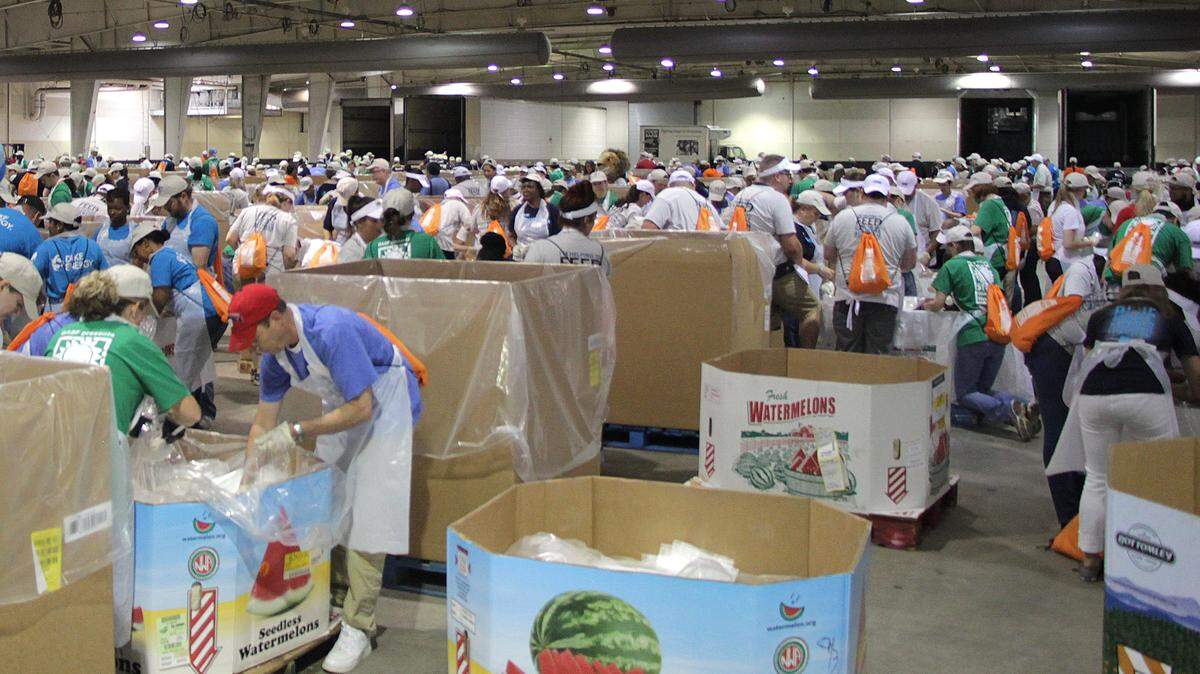
The Food Bank of Central & Eastern North Carolina received $1.4 million in PPP funds, according to spokeswoman Jessica Slider Whichard, who said the Raleigh-based organization is working on the paperwork to try to have the loan forgiven.
“These funds will help us support the staggering increase in food insecurity that we’ve seen in the 34 counties our food bank covers,” Whichard said in an email to The News & Observer. “We’re projecting about a 38% increase in the number of people we serve because of the pandemic. We’ve needed to increase our food purchase expenditures because of the challenged supply chain, and hire additional temporary staff members to help offset having fewer volunteers in our distribution centers.
“Having these funds in place helps ensure we can keep the levels of food getting to people who need it consistent for the long term.”
Churches and faith-based organizations across the area and associated with a range of belief systems asked for PPP money. They include Christian, Islamic, Jewish, churches, mosques, synagogues and service groups.
Russell C. Elmayan, chief financial officer and chief administrative officer for the Catholic Diocese of Raleigh, which serves the eastern half of the state, said in an email that the diocese applied for funds for its central offices as well as smaller parishes and schools. Elmayan said the diocese also helped several larger parishes and schools apply for the funds through their local banks.
All told, he said, the amount of the forgivable loans was over $12 million.
“For many parishes, the PPP loans brought very significant and very timely relief from the impact of the COVID-19 pandemic,” Elmayan wrote.
During March, he said, offertory for the Diocese of Raleigh, its largest source of income, was off by 50% compared to 2019. Over time, he said, online giving has increased but giving remains significantly below last year’s levels.
“The PPP loans have helped keep nearly 3,000 staff employed in the diocese’s 97 parishes and 30 schools and campus ministry centers, and enabled them to minister to communities during a time when the need for services has increased,” Elmayan wrote.
The Center for Death Penalty Litigation in Durham asked for an amount between $350,000 and $1 million, along with Corporate Chaplains of America in Wake Forest, Consumer Education Services in Raleigh and the Raleigh Rescue Mission.