The Jeffrey MacDonald murder case: A timeline of a major events
One of North Carolina’s most infamous murder cases is back in the national spotlight, with the release this week of the FX documentary series “A Wilderness of Error.”
Former Green Beret Army doctor Jeffrey MacDonald was convicted in 1979 of the murders of his pregnant wife, Colette, and two small daughters, Kimberley, 6, and Kristen, 2, in their Fort Bragg, N.C., apartment in 1970.
MacDonald claims that his family was beaten and stabbed to death by a group of hippies, but forensic evidence presented in the trial did not back up his claims.
We’ve put together a chronology of major events in the case, gathered from published news reports from The News & Observer, The Fayetteville Observer, Associated Press and various national publications. Not included in this timeline are MacDonald’s exhaustive legal maneuverings, just for the sake of brevity.
“A Wilderness of Error” premieres Friday, Sept. 25, with the first three episodes airing on FX network, then streaming on Hulu the following day. The final two episodes in the series air on FX on Friday, Oct. 2, and move to Hulu the next day. Read more about “A Wilderness of Error.”
Timeline of the Jeffrey MacDonald murder case
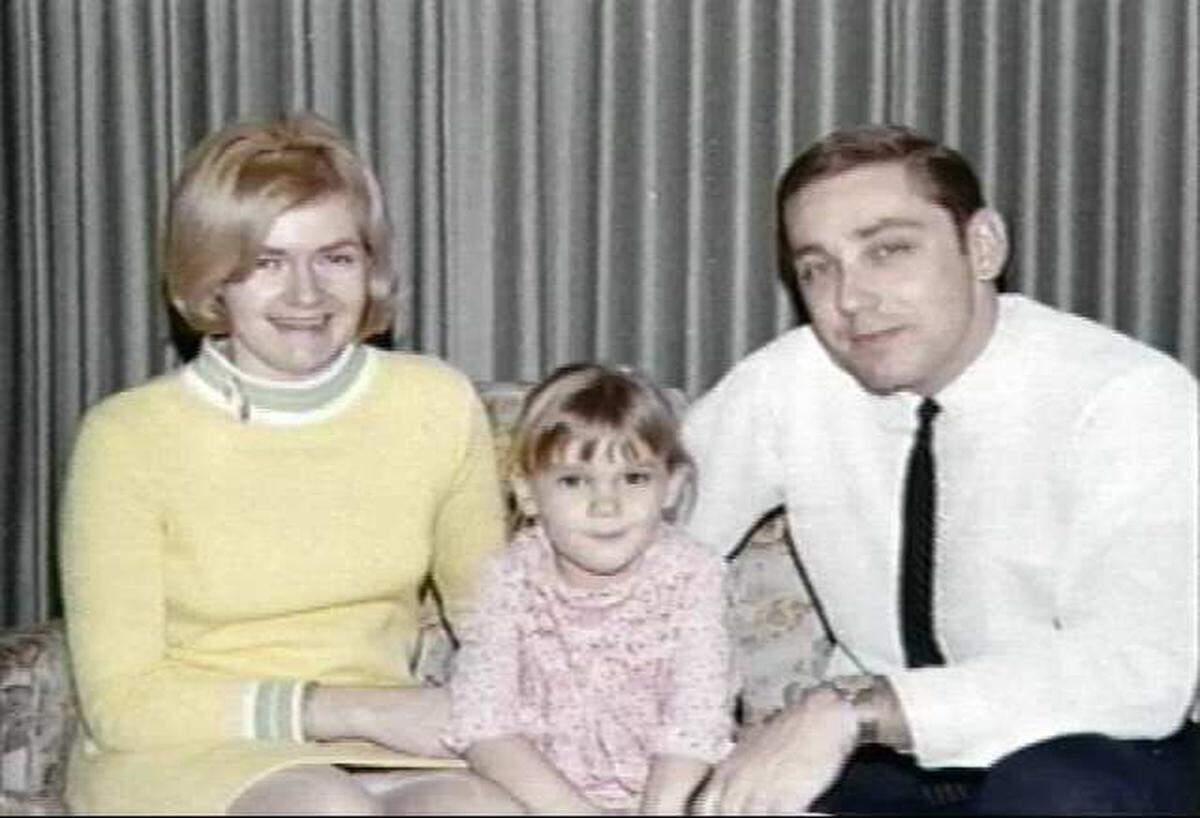
Feb. 17, 1970: Colette Stevenson MacDonald, 26, and her two daughters, Kimberley, 6, and Kristin, 2, are beaten and stabbed to death in their home at 544 Castle Drive on the Fort Bragg Army base, adjacent to Fayetteville, N.C. Army Capt. Jeffrey MacDonald, a doctor and former Green Beret, is found with several stab wounds, but unlike his wife and daughters, his wounds are not fatal.
MacDonald tells Army investigators that his family was killed by a band of hippies, including a woman in a floppy hat, who chanted “Acid is groovy, kill the pigs.” MacDonald was treated at Womack Army Hospital. His injuries include a bruise to his head, minor stab wounds on his abdomen and arm, and a stab wound to his chest that punctured and collapsed his lung.
May 1, 1970: The Army charges MacDonald with three counts of murder.
Oct. 13, 1970: The Army investigator in charge of the case recommends charges against MacDonald be dropped and that a Fayetteville woman (later revealed to be Helena Stoeckley) be investigated.
Oct. 28, 1970: The Army officially concludes that there is not enough evidence to court-martial MacDonald.
December 1970: MacDonald is honorably discharged from the Army and moves to New York to work as a doctor. He is interviewed by Bob Scheffer for Walter Cronkite’s “CBS Evening News” and appears on “The Dick Cavett Show.”
July 1971: MacDonald moves to Long Beach, California, to work as an emergency room doctor.
April 30, 1974: Colette MacDonald’s mother and stepfather, Mildred and Alfred “Freddy” Kassab, travel to North Carolina to petition the federal court, requesting that a grand jury investigate the case and MacDonald’s involvement.
Aug. 12, 1974: A federal grand jury is convened to hear evidence about Jeffrey MacDonald.
Jan. 24, 1975: The federal grand jury in Raleigh indicts MacDonald on three counts of murder.
June 1979: MacDonald meets with writer Joe McGinniss and asks him to “embed” with him and his defense team and write a book about the case in order to show MacDonald’s innocence. McGinniss agrees.
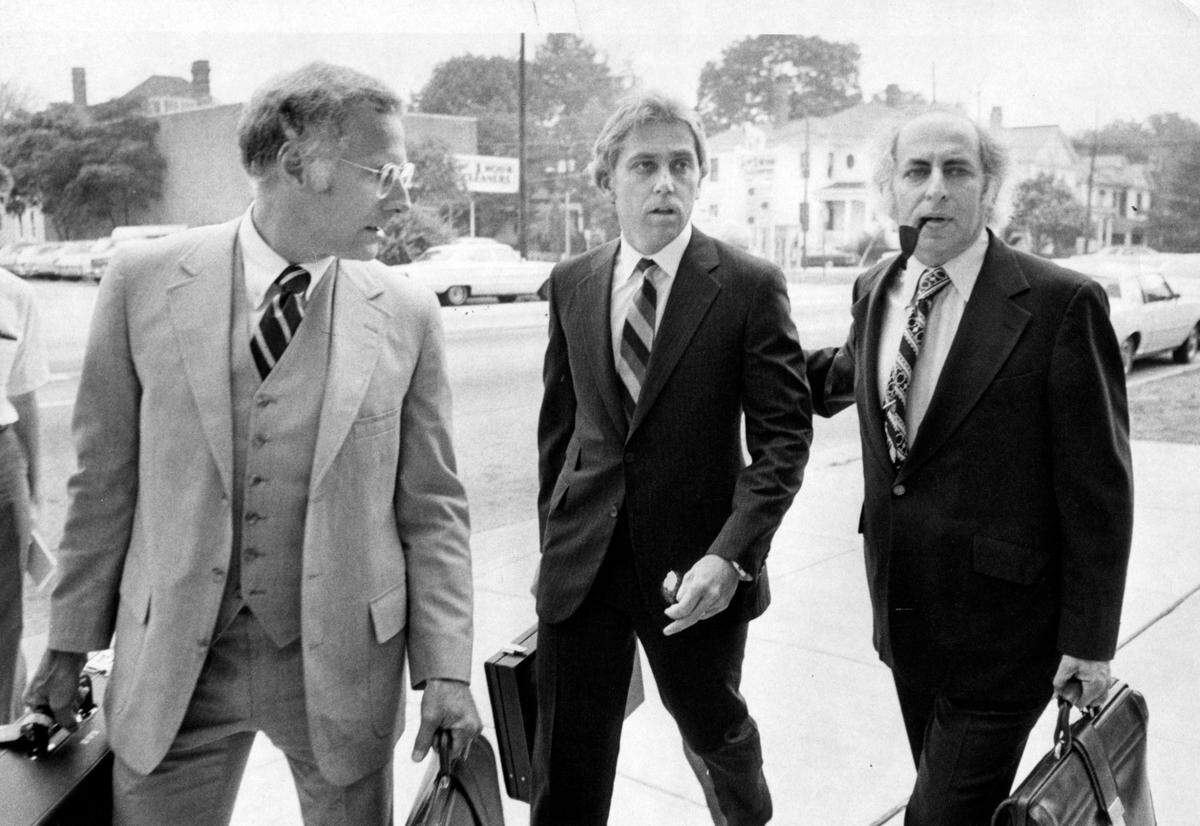
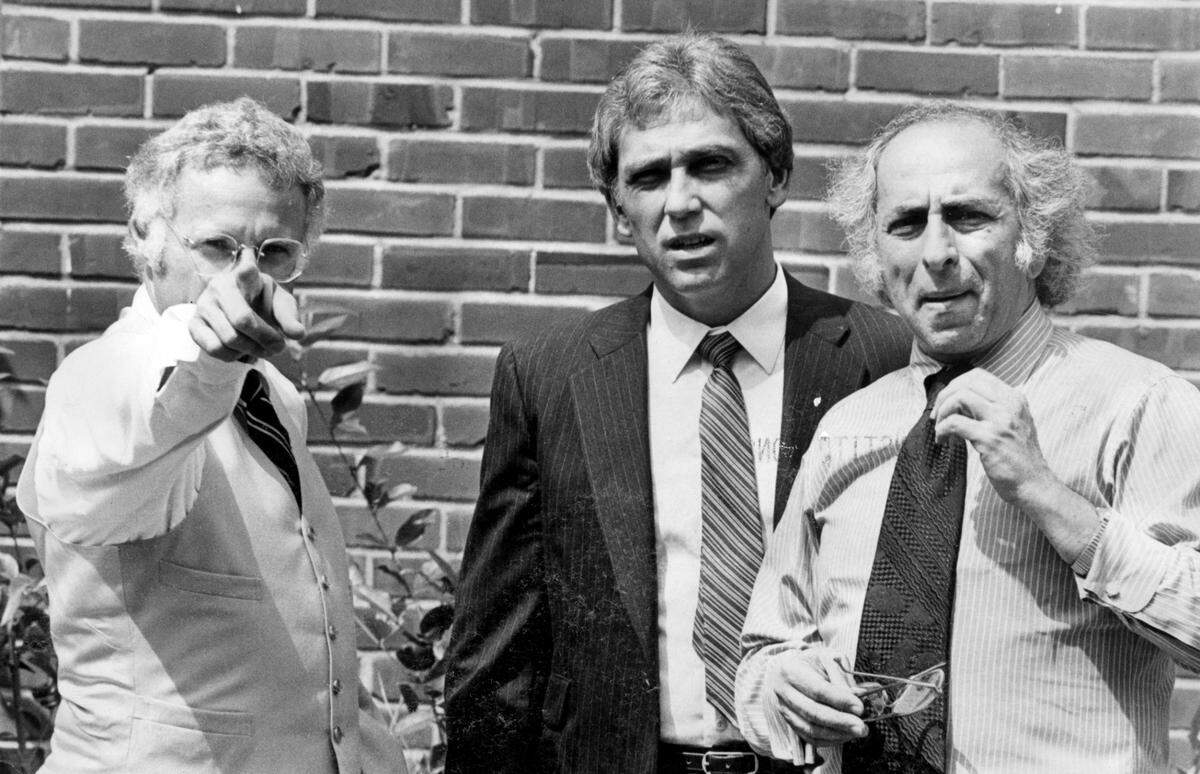
July 19, 1979: The U.S. vs. Jeffrey MacDonald murder trial begins at the Federal Courthouse in Raleigh. MacDonald is represented by Bernard “Bernie” Segal and Wade Smith, and the government is represented by Jim Blackburn and Brian Murtagh.
Aug. 29, 1979: MacDonald is found guilty in the first-degree murder of his wife, and in the second-degree murders of his daughters. He is sentenced to three life terms, to be served consecutively. His bail is revoked and he is placed in the Wake County jail.
July 29, 1980: The 4th Circuit Court of Appeals overturns MacDonald’s convictions on the grounds that he was denied a speedy trial. He is released from prison in August 1980.
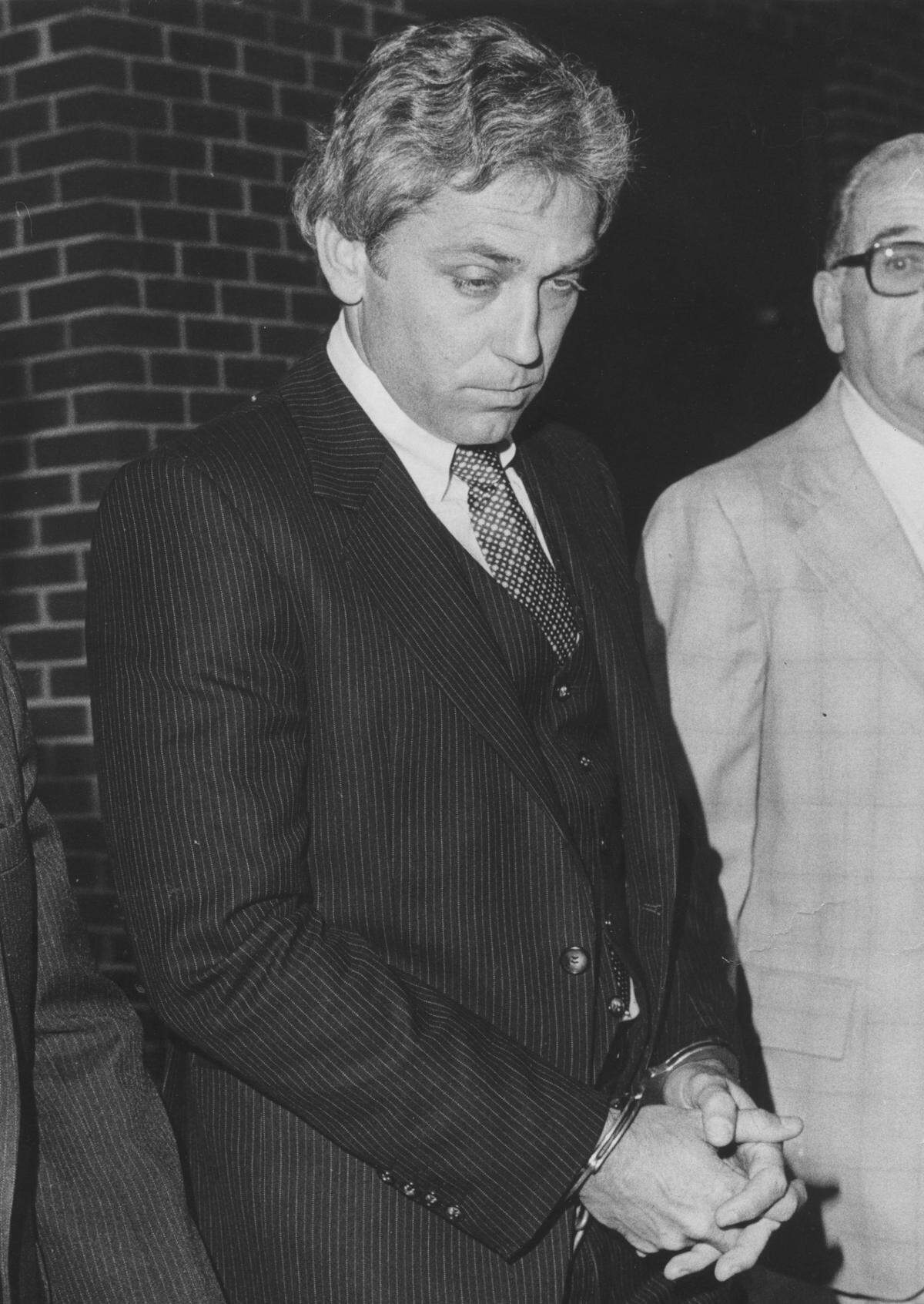
March 31, 1982: The U.S. Supreme Court reverses the 4th Circuit and upholds the jury verdicts. MacDonald is arrested and returned to federal prison.
Jan. 14, 1983: Helena Stoeckley, known as “the woman in the floppy hat,” is found dead in her apartment in South Carolina. Cause of death is listed as cirrhosis of the liver and pneumonia. She was 32 years old.
August 1983: Joe McGinniss’ book about the case, “Fatal Vision,” is published. Contrary to MacDonald’s expectation, the book concludes that he is guilty of the crimes.
July 1984: MacDonald files a breach of contract civil suit against McGinniss.
August 1987: The McGinniss trial ends with a hung jury. The publishing company decides to settle with MacDonald. Colette’s parents later sue MacDonald and receive a portion of the settlement.
February 1990: The book “The Journalist and the Murderer,” by New Yorker writer Janet Malcolm, is published. Malcolm accuses McGinniss of unethical treatment in regard to MacDonald.
March 1991: MacDonald is eligible for parole, but maintains his innocence and does not apply for a hearing.
February 1995: “Fatal Justice: Reinvestigating the MacDonald Murders,” a book by MacDonald supporters Fred Bost and Jerry Allen Potter, is published.
September 1998: The 4th Circuit Court of Appeals grants MacDonald’s request for DNA testing to examine hairs found at the murder scene.
August 2002: MacDonald marries Kathryn Kurichh while he is in federal prison in California.
January 2005: MacDonald applies for a parole hearing for the first time since becoming eligible for a hearing in 1991.
May 10, 2005: A parole commission hears testimony from MacDonald, federal prosecutors, MacDonald’s wife and the brother of Colette MacDonald. The examiners recommend that MacDonald remain in prison, and his request for parole is denied the following month.
November 2005: Retired U.S. Marshal Jimmy Britt files an affidavit swearing that Helena Stoeckley confessed to him that she was in the MacDonald home on the night of the murders, and that prosecutor Jim Blackburn threatened to prosecute her for murder if she testified to that. MacDonald’s defense team requests a hearing.
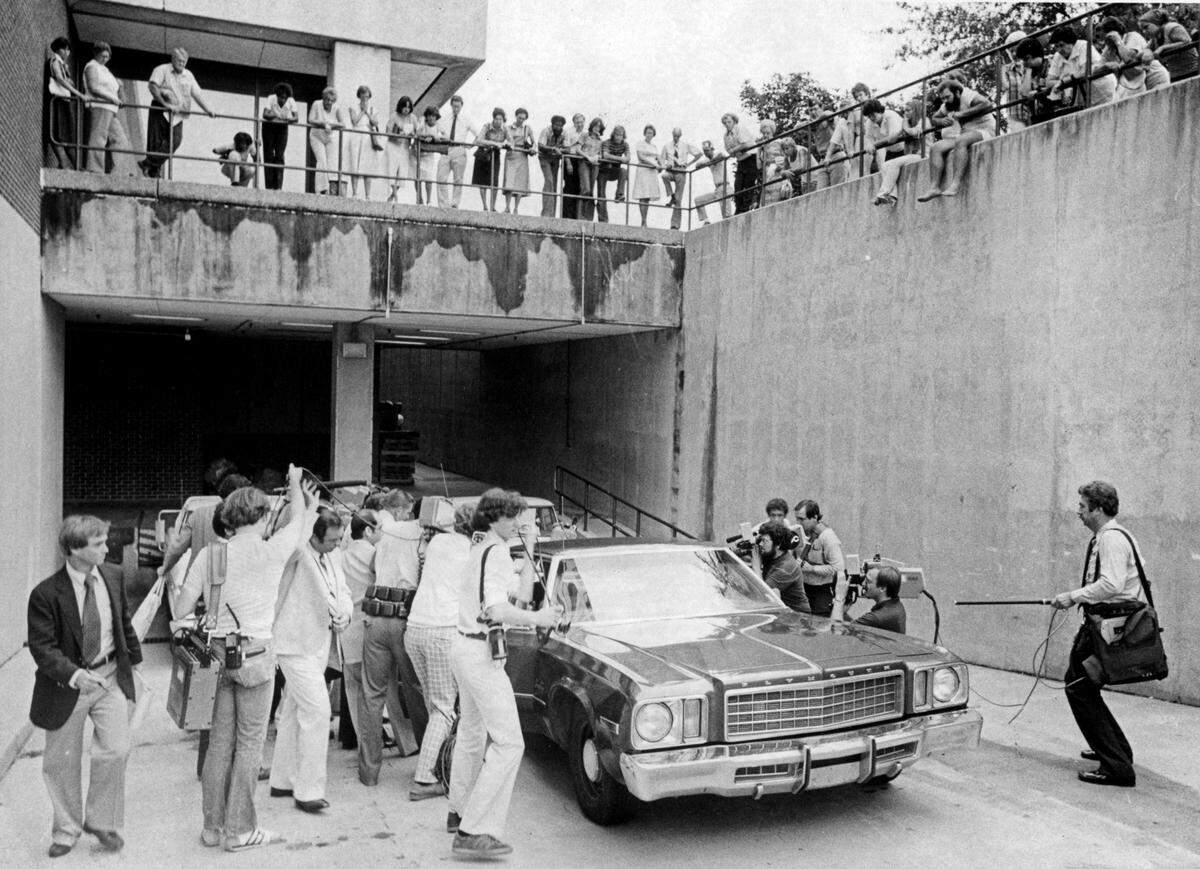
March 2006: DNA results are returned but find no matches to hair of Helena Stoeckley or Gregory Mitchell, another suspect in the case. Hairs in Colette MacDonald’s hands were found to be her own or those of Jeffrey MacDonald.
2011: The 4th Circuit Court of Appeals orders the U.S. District Court to consider new evidence.
September 2012: “A Wilderness of Error: The Trials of Jeffrey MacDonald,” by documentary filmmaker Errol Morris, is published. The book argues that the criminal investigation was botched and MacDonald was wrongly convicted.
Sept. 17, 2012: An evidentiary hearing is held in Wilmington, NC, to consider new evidence.
July 2014: The U.S. Eastern District Court of North Carolina denies MacDonald’s bid for new trial.
December 2018: The 4th Circuit Court of Appeals upholds the ruling that MacDonald will not get a new trial.
Sept. 25, 2020: The FX documentary series “A Wilderness of Error,” directed by Marc Smerling and based on the work of Errol Morris, premieres.
This story was originally published September 25, 2020 at 2:45 PM.