As more churches gather in person, NC officials worry about COVID-19 cluster risk
Religious events such as worship services, bible studies and youth group meetings have become the third leading source of known COVID-19 cluster infections in North Carolina, as some churches test different ways of “regathering” in a pandemic.
At least 1,180 cases of COVID-19 have been connected with 88 clusters of illness traced to religious events across the state, the Department of Health and Human Services said Monday. At least 18 people have died with COVID-19 in association with those clusters, the state said.
Colleges and universities account for 1,959 cases of infection through 175 clusters, which the state says have resulted in no deaths. Meat and poultry processing plants have been connected with 3,842 infections through just 39 clusters, resulting in 19 deaths.
The state has added information about clusters to its weekly reporting, but a spokeswoman for the department said the reporting is incomplete.
“In part, this is due to the fact that many COVID-19 cases are never diagnosed or cannot be linked to a specific setting or specific cluster,” Catie Armstrong, a press assistant at DHHS said in an email to The News & Observer. “Additionally, while congregate living settings, schools and child care are required to report clusters or outbreaks to their [local health departments], other settings are not required to report in the same manner. Thus, the cluster data provided in this report is limited to clusters that have been voluntarily reported ... or identified through case investigation and contact tracing efforts.”
State health officials define a cluster as five or more cases with positive test results or illness onset within a 14-day period with a plausible epidemiological link, and where there is not a more likely source of exposure.
The U.S. Centers for Disease Control has recently updated its information about exposure risk, saying that a person can be infected by being within 6 feet of an infected person multuple times totaling 15 minutes over 24 hours.
The state’s reporting on clusters distinguishes “religious gatherings” from “social gatherings,” which include funerals, weddings, parties and family reunions, though all fall into the category of “community living and events.” So far, 24 clusters with 236 cases of COVID-19, two of them fatal, have been connected to social gatherings.
According to the state report, clusters soared the weeks of Sept 27, Oct. 4 and Oct. 11.
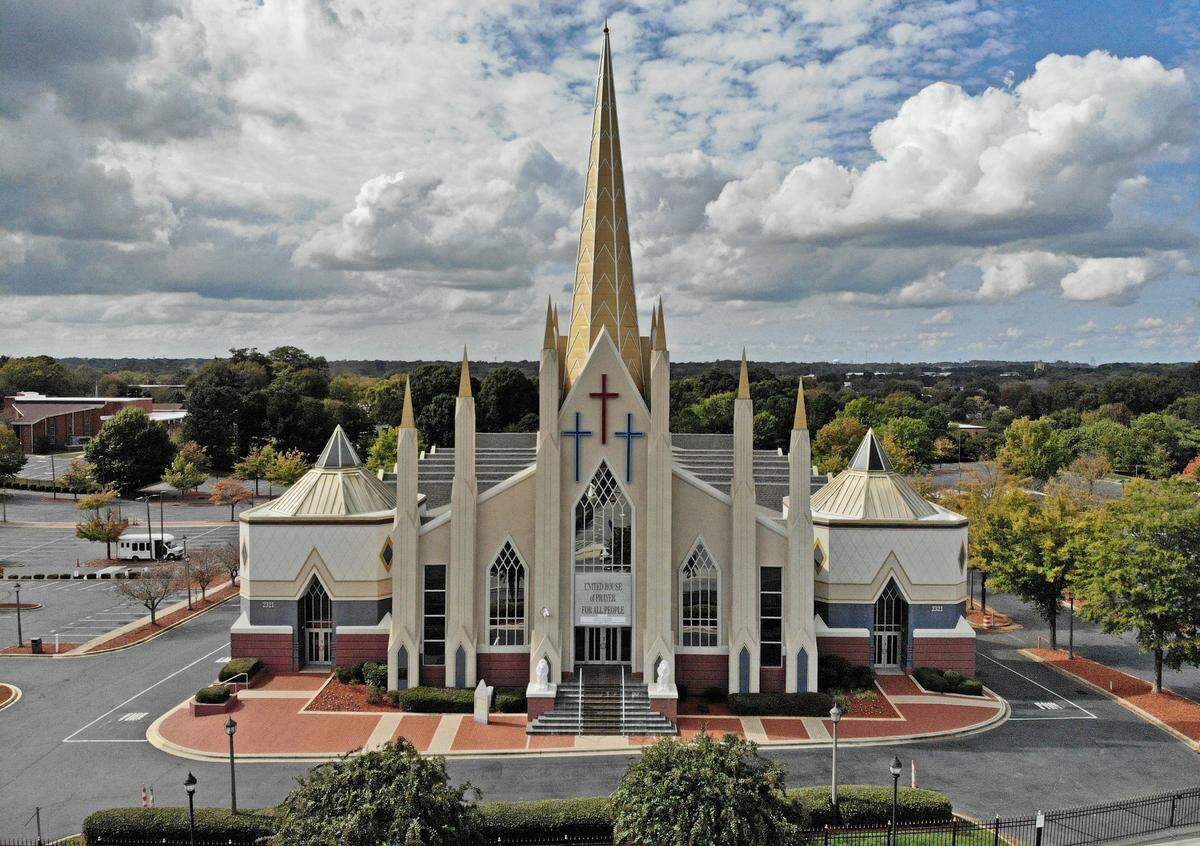
United House of Prayer cluster
One of the largest clusters associated with religious gatherings has been at United House of Prayer for All People in Mecklenburg County. Health officials there ordered the church to close after 121 cases of COVID-19 and at least three deaths were connected with convocation events held Oct. 4-11 and drawing up to 1,000 people each, The Charlotte Observer reported. The church had planned to go forward with a weeklong revival before the health department took action.
In addition to releasing information about clusters, the state has produced a “toolkit for faith leaders” with 10 steps to help reduce the spread of illness. Among other things, it asks pastors to:
▪ encourage their congregations to wear masks.
▪ maintain social distance and wash or sanitize hands.
▪ ask church members to get tested if they think they have been exposed.
▪ host a testing event.
▪ encourage people to participate in contact tracing.
Most churches in North Carolina halted in-person events and went to online worship services, meetings and study groups shortly after COVID-19 hit the state in March.
But some balked at being told not to gather for church when large numbers of people were allowed to roam the aisles of home-improvement and big-box department stores unrestricted. Two Baptist churches, a pastor and a revival group sued Gov. Roy Cooper on First Amendment grounds in May, and a federal judge said churches must be allowed to gather.
“The court trusts worshipers and their leaders to look after one another and society while exercising their free exercise rights just as they and their fellow citizens (whether religious or not) do when engaged in non-religious activities,” Judge James C. Dever III wrote in his order. Cooper chose not to appeal.
A few churches across the state resumed in-person worship then, but most stayed closed through the summer. In recent weeks, since Cooper allowed the state to move to reopening Phase 3, more churches began holding services in person, first in their parking lots and then indoors using online reservation systems to limit the number of people, roping off seating areas to guarantee social distancing and taking other recommended preventive steps.
‘The problem is not unique to the church’
Pastor Michael Stephens said his church, Franklin Church of God, followed health officials’ guidance when it reopened in the summer. The sanctuary, which can accommodate up to 400 people, was limited to keep family groups 6 feet apart. Masks were strongly encouraged. There was no congregational singing. No collection plate was passed. After the service, people were released by rows and prevented from lingering to talk.
And still, a couple of weeks ago, Stephens said, a member of the Macon County church was exposed to COVID-19 at work. The illness spread to his family members and then to others at church, infecting a total of eight or nine people, qualifying as a cluster.
The church shut down immediately, Stephens said, and won’t go back into the building until there are no active cases.
Even then, he said, he has told the church’s governing board, the pastor’s council, “This might be something we have to deal with again two months from now. We just have to be nimble in the way we do things and be ready. If we have to go back online once again, we’ll do that.”
Stephens compared the church’s situation to that of all kinds of businesses and to school systems across the state, where buildings are opening and then superintendents temporarily close individual schools because of COVID-19 outbreaks.
“The problem is not unique to the church, but the church is getting a black eye,” Stephens said. “We just feel like church is an integral part of our world right now. We don’t want to be reckless with people’s lives. We don’t have a rebellion-driven agenda here. We just believe that people need to hear something positive and reassuring.”
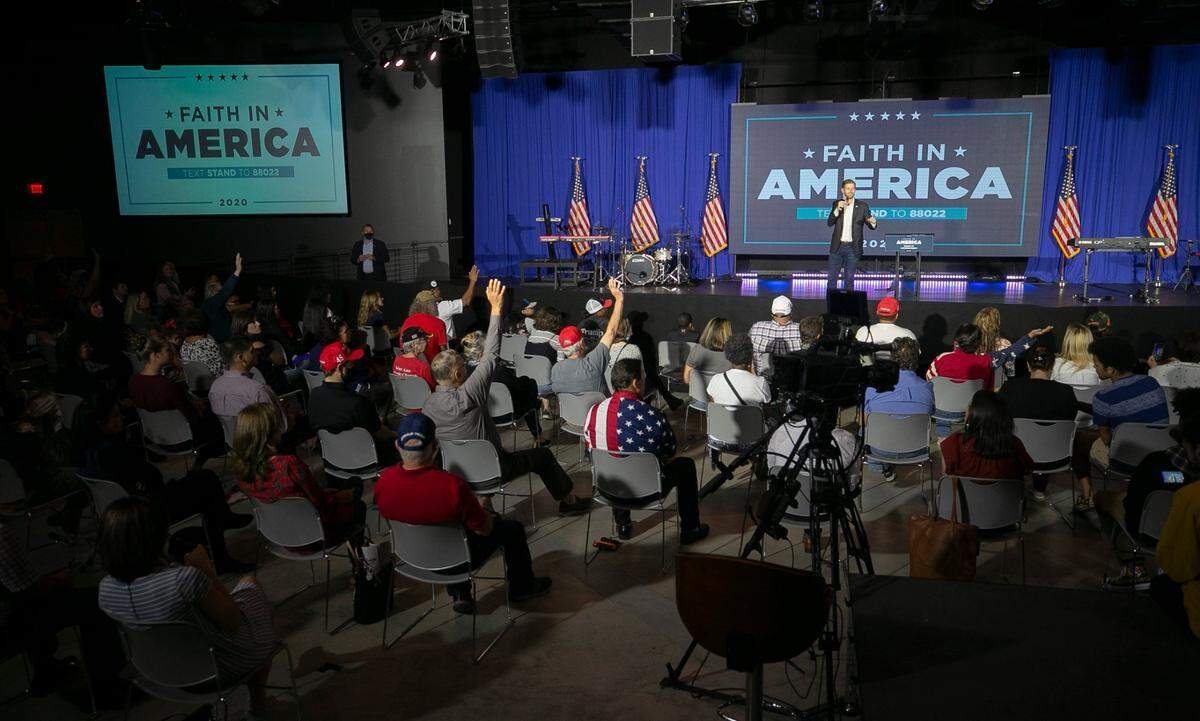
Not all churches are as careful. On Friday, RFA Church on Yonkers Road in Raleigh hosted, “Evangelicals for Trump: Praise, Prayer and Patriotism” with President Donald Trump’s son, Eric, and the president’s spiritual advisor, Paula White.
The event, held in the church sanctuary, had elements of both a religious gathering and a rally, both of which fall under the category of community events in the state’s cluster tracking.
Between 400 and 500 people attended. As they waited to enter the building, people wearing T-shirts identifying them as church event staff checked to make sure those entering had face masks. When people asked if they had to wear the masks, they were told the masks should be worn when in the presence of media there to cover the event.
Inside, very few people wore masks. About half the crowd had chairs in front of the stage, most a foot or two apart, and others sat next to each other in arena-style seating on risers.
A praise band sang and many in the crowd sang along, unmasked. When Eric Trump and others spoke, they cheered and shouted.
The Council of Churches view
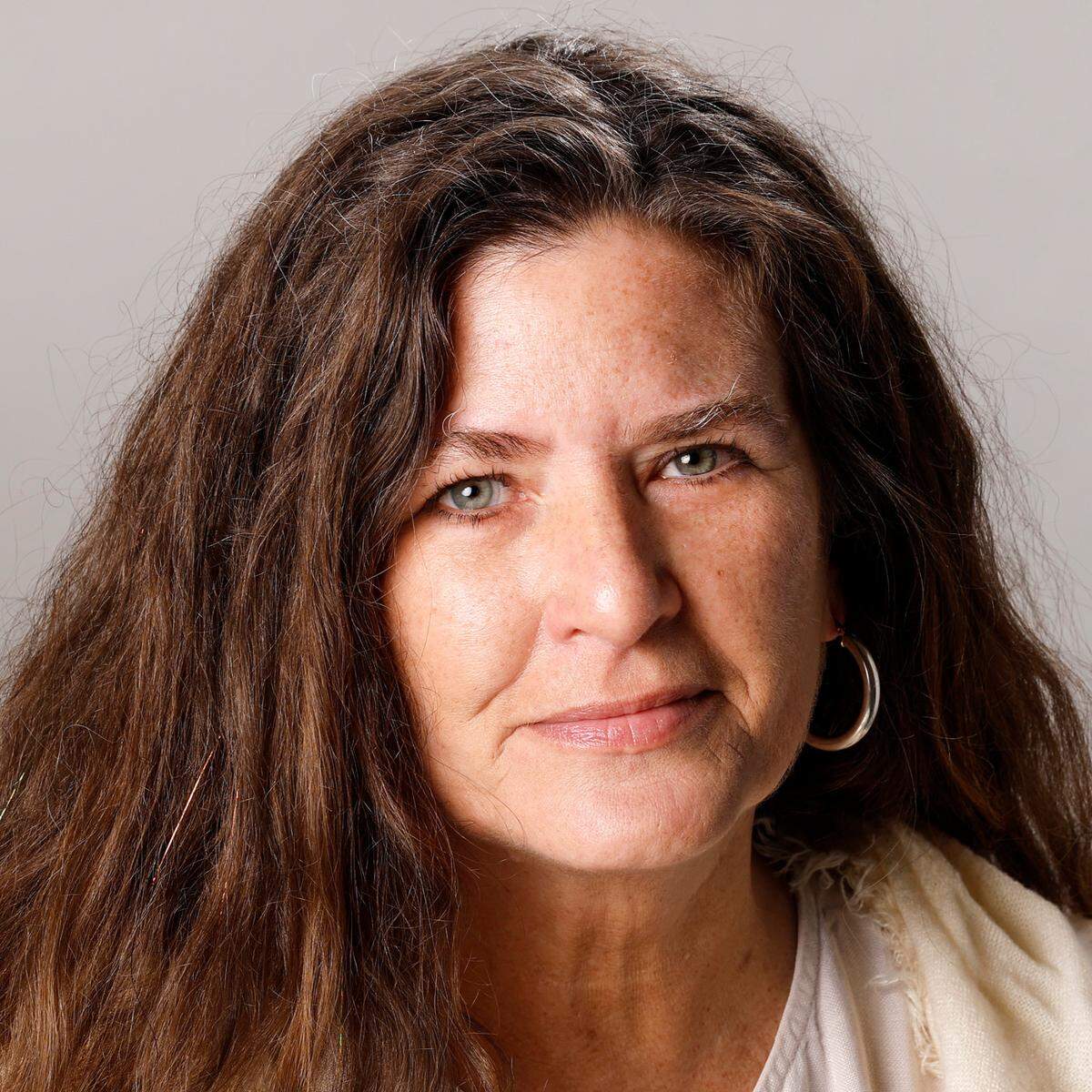
Jennifer Copeland, executive director of the N.C. Council of Churches, which has members from 18 denominations, said her organization is encouraging churches to be cautious about regathering.
Copeland said she understands that people are experiencing what some have called COVID fatigue; they’re tired of being isolated and of being kept from doing things that feel normal.
But just because churches are allowed to gather, she said, doesn’t mean they should. Doing so, Copeland said, “is a poor example of exercising the faith imperative to care more about the community than we do about ourselves. Everywhere you turn in scripture, God is asking us to put others first, to put the community needs first. If you have one group of people who feel like they can do whatever they want to do, then the community is in danger.”
For now, Copeland said, the Council of Churches is still in the phase “where we believe that loving our neighbors means keeping our distance from them. Gathering together, singing together, drinking from the communion cup — these are things we are willing to forego in order to show our love for our neighbors.”
This story was originally published October 28, 2020 at 12:14 PM.