Itching after being outside? What to know about chiggers and other NC summer scourges
It’s summer. You’re in the South.
When you go outside — if you can stand the heat and humidity — bugs are going to bite you.
It’s the price of convening with nature.
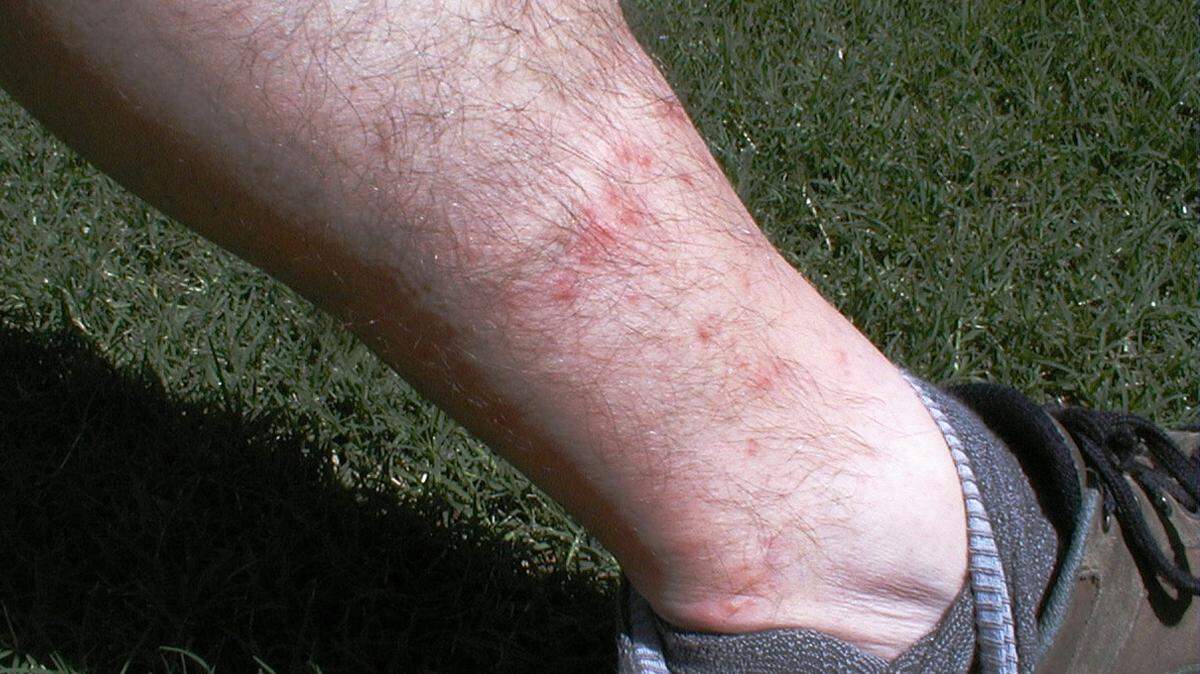
But those red bites all over your ankles, legs and arms could be from lots of things: mosquitoes, chiggers, spiders, fleas, no-see-ums or any of a number of North Carolina’s other hungry insects.
Is there hope for survival?
We can’t avoid bugs
Avoiding bugs entirely will be difficult if you’re out in nature.
Wooded areas and patches with tall grass or weeds will bring you much closer to bugs, of course, but you can be attacked by chiggers, fleas, no-see-ums or mosquitoes in a park, on a golf course, or just standing in your own yard for even a few minutes.
Your best defense against this assault may be a chemical one.
▪ To repel bugs like chiggers, mosquitoes, fleas and ticks, a spray with DEET works best. Don’t just spray it on your skin, but also on your clothing.
DEET has been approved by the EPA (Environmental Protection Agency) for use on people of all ages, including kids. Just keep it away from your eyes and discontinue use if you get a rash, says the Cleveland Health Clinic.
▪ If you want a more natural solution, you can spray yourself with distilled white vinegar, or use an essential oil such as lavender, peppermint, tea tree, citronella or thyme as a repellent. Be sure to follow instructions for the specific oil you use, and be aware that some essential oils are harmful to pets.
HGTV recommends a repellent created by mixing 2 teaspoons of witch hazel with 5 drops of an essential oil and 4 tablespoons of water, then applying that directly to your skin.
For chiggers, fleas and ticks, pay special attention to your feet, ankles and calves.
Other defenses against chiggers (insert side-eye)
There are other suggestions out there for keeping biting bugs off your skin.
▪ One is to cover up. Many prevention sites recommend wearing long sleeves, thick trousers, multiple pairs of socks and even pantyhose to keep insects such as ticks and chiggers off your skin. (We side-eye this advice, as we sit inside in the air conditioning looking out at our cucumber plants sizzling and wilting before our eyes in the 97-degree August heat.)
▪ Same for this suggestion to “avoid shade,” since chiggers apparently hate the hot sunshine. (We have something in common with chiggers!)
▪ You could also get super stinky. That’s right, it’s suggested that since chiggers hate strong odors, you should make yourself as stinky as possible — to the extent of taking a sulfur supplement (PLEASE CONSULT YOUR DOCTOR BEFORE DOING SOMETHING LIKE THIS) or eating garlic cloves. So whatever outdoor activity you’re enjoying, we hope you can enjoy it alone. Also, maybe consider some essential oils instead.
What is a chigger, anyway?
It came to our attention during the reporting for this summer bug bite story that some people in our community (i.e. office) have no idea what a chigger is.
First of all, welcome to the South.
Here are some facts.
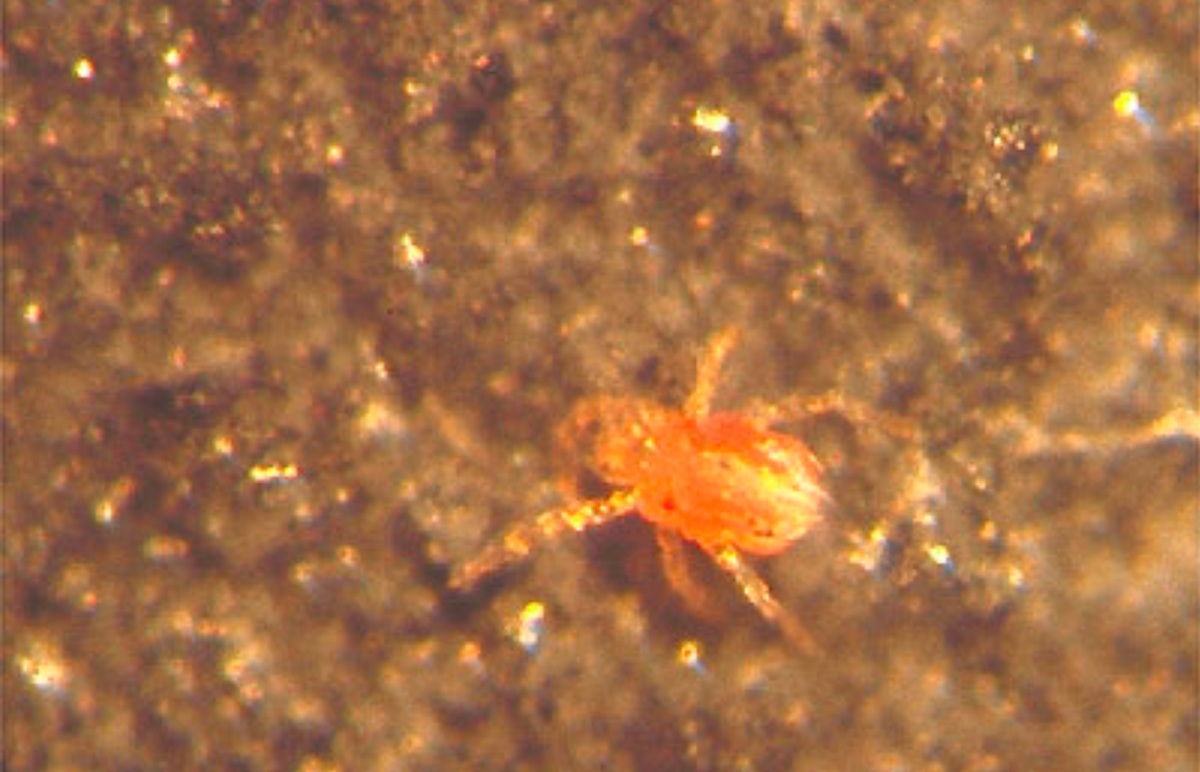
▪ Chiggers are teeny-tiny, hard-to-see red bugs that are essentially “biting mites.”
▪ Chiggers go by a lot of different names, including harvest mites and red bugs. Chiggers are often confused with jiggers, but they are not the same thing. A jigger is a type of flea not found in North America.
▪ Chiggers are in the arachnid family, along with spiders and ticks.
▪ Chiggers don’t care who you are, they will also bite your cats and dogs and make them miserable. PetMD.com has advice for helping them.
▪ Adult chiggers don’t bite, it’s the babies (or larvae) that will come for you.
▪ Chiggers like warm, moist areas of the body, which in the summertime means they like your body.
▪ Scientists at Wake Forest University believe that for some people, chigger bites may cause a rare allergic reaction to red meat known as alpha-gal allergy. Also known as No More Cheeseburgers.
▪ How does a chigger bite you? We found this explanation of a chigger bite from a website called Kidshealth.org on a page that helps parents explain chiggers to children. This is not bedtime story material:
“After hatching, baby chiggers wait on plants for people or animals to pass by. When they do, the chigger attaches to them using tiny claws. Once attached, it pierces their skin and injects its saliva (spit). The spit contains digestive juices that dissolve skin cells. The chigger then eats the dissolved cells, which provide the protein it needs to grow into an adult. After a couple of days the chigger falls off, leaving a red bump on the skin.”
▪ Chigger bites usually appear in clusters. They will start to itch a few hours after you’ve been bitten and will itch for days.
▪ There is a very dire sounding condition called “summer penile syndrome” that occurs if chigger bites happen on the penis. It can cause swelling, itching and painful urination.
If you have chigger bites
▪ Head straight to the shower when you come in from a place where you think you encountered chiggers. Scrub everywhere with soap and water to remove any of those little chigger babies clinging to your skin. You may not even see them, just scrub, scrub, scrub. (Also, wash your clothes in hot water.)
If you definitely have bites, the treatment is essentially the same as bites for fleas or mosquitoes.
▪ For itchy bites, try cool cloths over the areas or anti-itch creams (calamine lotion or cortisone creams). You can also take an antihistamine allergy medication, which will help with the itching.
▪ While we’re here, let’s debunk a common myth about using clear nail polish to suffocate chiggers. Since chiggers do not bury themselves in the skin, using something like nail polish to suffocate them is useless. Nail polish will also not help stop itching.
Is it a chigger bite, mosquito bite or no-see-um bite?
No-see-ums (also called biting midges) are teeny-tiny, biting (blood-sucking) gnats. Like chiggers, you likely won’t know you are being attacked by a no-see-um until the red spots and itching hit.
Like chiggers, no-see-ums will leave bites in clusters.
In North Carolina, no-see-ums are more prevalent along the coast, but can be found inland.
Mosquito bites are puffy and itchy, but usually don’t happen in clusters, and they will usually go way quickly if you don’t scratch and irritate them.
▪ A no-see-um bite will last much longer than a chigger or mosquito bite.
▪ If you think you’ve been bitten by no-see-ums, wash the area as soon as possible with warm water and antibacterial soap.
▪ You can help relieve the pain and itching with very cold wet compresses or even ice packs.