When should you visit the ER vs. urgent care? Raleigh expert weighs in
READ MORE
12 hours in a 24/7 crisis
What has COVID’s looming presence done to nurses in North Carolina? While coronavirus cases stay in flux and staffing shortages remain in hospitals, nurses are working on how to navigate. This is The News & Observer’s special report.
Expand All
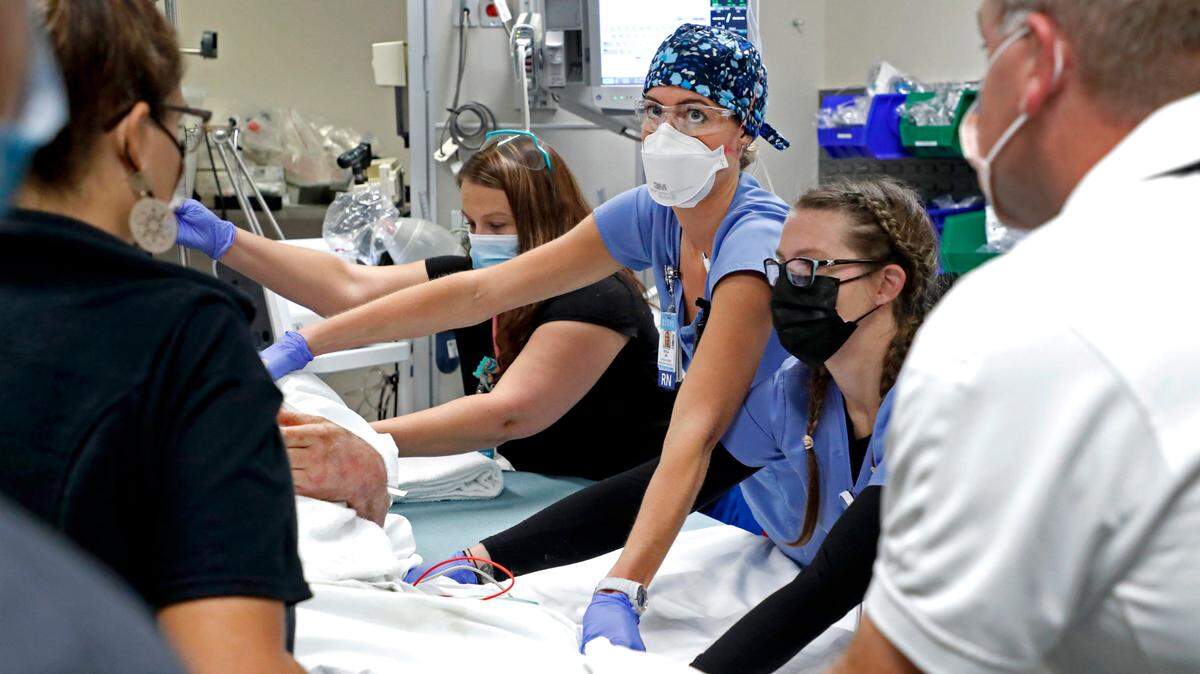
12 hours in a 24/7 crisis: How a NC ER nurse feels COVID’s looming presence even in its absence
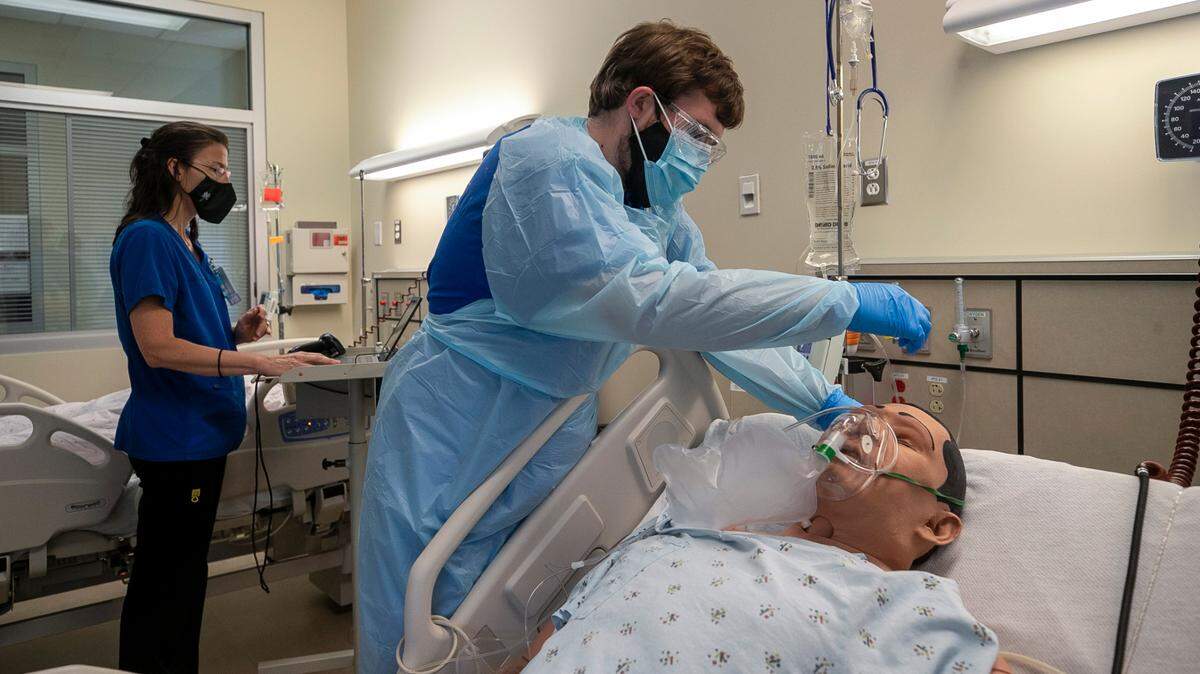
NC Nursing students learn to care for others, themselves as worker shortage, COVID continue
When should you visit the ER vs. urgent care? Raleigh expert weighs in
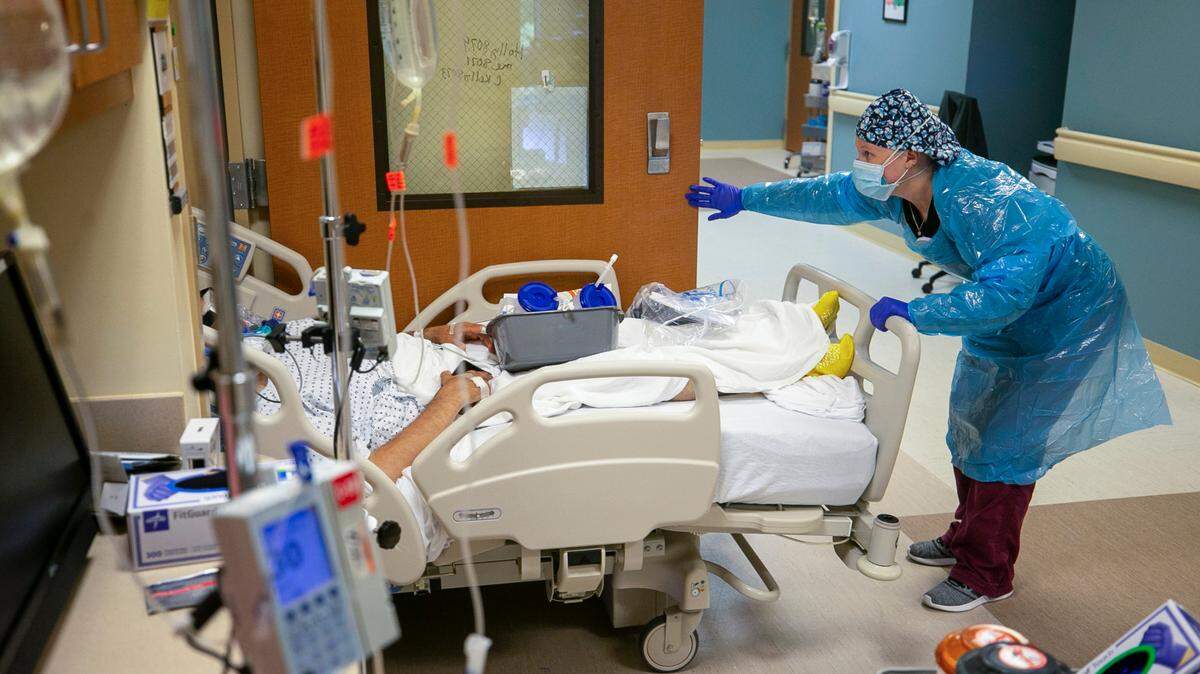
‘Choice of jobs’: As COVID takes a toll on nurses, some turn to lucrative travel jobs
With COVID-19 cases still overwhelming hospitals across the nation, emergency departments are often backed up and wait times are extended — in some areas, ER patients may even be diverted to other hospitals.
But Dr. Ryan Lamb, medical director of the Rex Hospital Emergency Department in Raleigh, says people should still go to the ER when needed and that they shouldn’t be scared off by the situation caused by COVID.
“I’m worried that people aren’t coming who need to,” Lamb told The News & Observer. “ERs are busy because they can’t get people out, because hospitals are too full. ... It’s hard for me to dissuade people from coming because I think they aren’t coming enough. I really feel for people. I think it’s really hard for people to know what to do.”
So instead of discouraging people from visiting the ER, Lamb says the focus should be on getting people to the right place — maybe that means the ER, maybe not.
This guide looks at the different treatment options available — home, your doctor’s office, urgent care, emergency room — and the best times to use them.
Keep in mind that the following lists are not exhaustive, and if you’re ever on the fence regarding a potential emergency situation, err on the side of caution and visit an ER.
Can you treat your illness from home?
If you have a minor or common illness, such as a bad cold or a stomach virus, and you’re pretty sure that’s what’s going on, then you can treat yourself at home with over-the-counter drugs and lots of fluids.
Just keep an eye on your symptoms and if your condition worsens, you may need to visit your doctor or an ER.
Should you go to the ER with COVID symptoms or treat at home?
This one can be tricky, Lamb says, because there are no hard and fast rules when dealing with COVID.
If you have a mild case of COVID-19 with mild symptoms, you’ll be fine to treat those symptoms from home. Most people with COVID do not need to be seen by a doctor, according to the Centers for Disease Control and Prevention.
But you should monitor your symptoms, and if you experience the following symptoms, go to an ER.
▪ Respiratory symptoms like shortness of breath
▪ Chest pain
▪ Abdominal pain
▪ Confusion
▪ Fever plus “focal” symptom. This one is a little hard to explain, says Lamb, but a “focal symptom” essentially means something specific and new. For instance, chest pain and knee pain are focal symptoms. “I have a fever and I don’t feel good” is not a focal symptom. If you have fever and you just feel bad, you are probably OK at home. But if you have fever and knee pain that you didn’t have before — or fever and confusion, or fever and abdominal pain — you should go to the ER.
▪ Anything other than regular “cold” symptoms: (see “focal” symptoms above)
▪ Low blood oxygen level. If you have a pulse oximeter, a small plastic device that clips to your finger and measures your blood oxygen level, keep a check on that and call your doctor if it falls below 95%. If it falls below 90%, call 911 or go to the ER. (You can purchase a decent pulse oximeter from a pharmacy or online for around $20 to $30.)
Also, if you are a high-risk patient (with diabetes, chronic lung disease, cardiovascular disease or obesity), you should talk to your doctor if you test positive for COVID, and come up with a care plan.
To treat a mild case of COVID at home:
▪ Rest and hydrate. It’s always good advice, but especially when you have COVID symptoms: Get plenty of rest and drink plenty of fluids.
▪ Have OTC drugs on hand. Some over-the-counter medications you should keep on hand are a fever reducer like acetaminophen (Tylenol), cold and flu medications to treat congestion and sore throat, and an anti-diarrheal. If you have pre-existing conditions such as high blood pressure and you aren’t sure what you can take, call your doctor’s office.
When should you call your primary care physician?
If you have a non-urgent health situation — or if you’ve tried treating your symptoms at home and you’re not getting any better — you should call your doctor.
A good rule of thumb, says Lamb, is that you should see your primary care physician for chronic conditions, like high blood pressure and diabetes; for illnesses that you get regularly, like sinus infections; or for preventive care.
Here are some illnesses that may require a doctor’s care (this is not a complete list):
▪ Any ongoing condition that is not getting better
▪ Ear infection or sinus infection
▪ Dehydration
▪ Persistent cough, fever or flu symptoms
▪ Nausea or migraines
▪ Allergic reactions
▪ Sore throat
▪ Urinary tract infections
Should you go to urgent care?
Generally speaking, you should consider visiting an urgent care facility for the same types of illnesses for which you’d see your primary care doctor.
The urgent care is a great option for when you can’t get a same-day appointment at your doctor’s office, or if you need after-hours care that doesn’t rise to the ER level.
When should you do a virtual urgent care visit?
The benefits of virtual visits — sometimes called telehealth or telemedicine visits — are that they make care accessible to people in areas without a lot of doctor’s offices or urgent care centers, and they are usually available 24 hours a day (most urgent care centers in our area close at 8 p.m.).
But Lamb says virtual visits are best saved for non-serious illnesses. For instance, if you’ve had sinus infections or urinary tract infections in the past and you’re pretty sure that’s what’s going on, a virtual visit will work.
If it’s something more serious, you should try to contact your doctor or go to an emergency room.
Remember orthopedic urgent care centers
If you have an injury that is not serious or life-threatening, an orthopedic urgent care center is a good option.
Serious orthopedic injuries will likely still require an ER visit, like serious breaks, dislocations and cuts that may require a tetanus booster.
But a good rule of thumb for visiting an orthopedic urgent care, says Lamb, is “if you’re having pain, but you can still walk and things feel like they are in the right place.”
Here are some injuries that can be treated at an orthopedic urgent care center:
▪ Twists and sprains (foot, ankle, knee, back)
▪ Possible/minor broken bones (such as a simple ankle fracture)
▪ Injured shoulder/wrist/hand due to fall
Note: If an injury results in an obvious deformity or a bone being visible, go to the ER. Also, a serious blow to the head or any injury that is large or crushing will require ER care.
When to call 911 or head to an ER
Lamb recommends considering an ER visit when you have an “acute change in your health.”
In those cases, you should gauge the severity of the change. If it’s a 1 or 2, you can go to urgent care. If the severity of the change is a 3 or higher, go to the ER.
You’ll want to call 911 or head to an emergency room if you have any of the following symptoms — but please note that this is not a complete list (and remember the separate COVID list above):
▪ Chest pain, or pain in the left arm or left jaw
▪ Shortness of breath
▪ Seizures
▪ Stroke symptoms, including slurred speech, sudden weakness or numbness, facial droop or loss of balance or vision
▪ Loss of consciousness
▪ If you’re pregnant and have vaginal bleeding or pelvic/abdominal pain
▪ A change in mental status (such as confusion)
▪ Serious broken bones or broken bones in areas such as ribs, skull, face, pelvis
▪ A serious injury that results in an obvious deformity or any “crushing” injury
▪ A serious cut or serious burns
▪ A blow to the head
▪ An allergic reaction that interferes with breathing
This story was originally published October 10, 2021 at 6:00 AM.