
The Ligon house is a key piece of Raleigh’s history. And it could soon be torn down
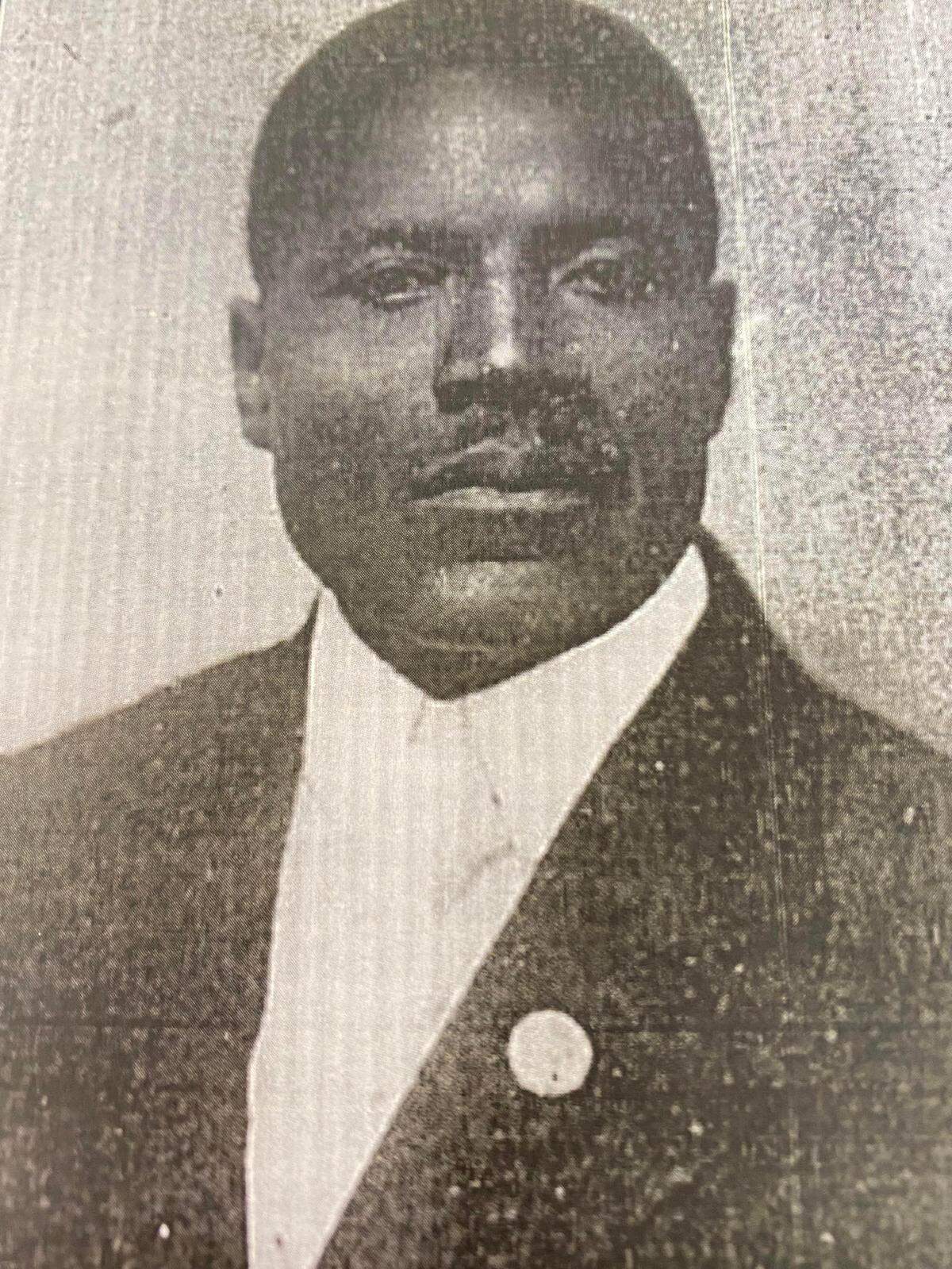
Few names in Raleigh’s Black history ring out louder than John W. Ligon.
Born to former slaves, he became a school principal fond of Shakespeare and Ralph Waldo Emerson, only to get fired in 1919 because he “dared to be a man” and ran for public office.
In 1953, the city named its only Black high school for Ligon, building it for a then-unprecented price of $1 million. It would produce graduates as notable as Chuck Davis, founder of the African American Dance Ensemble, and John Baker, the first Black sheriff in North Carolina since Reconstruction.
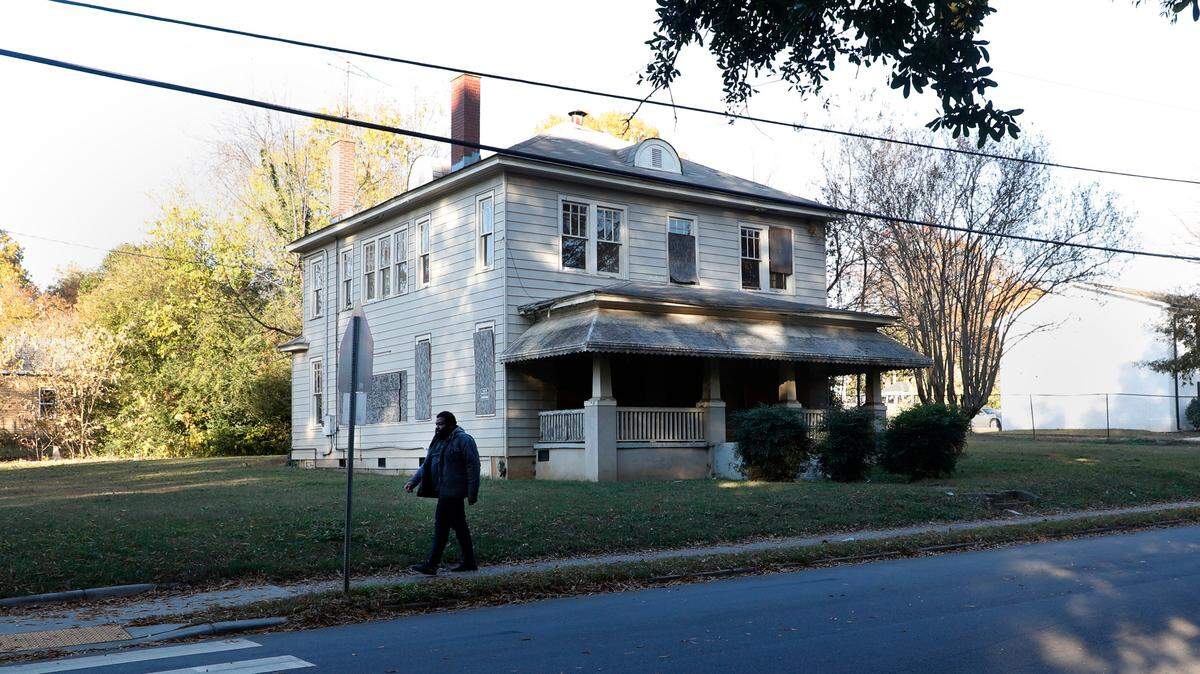
And just down Lenoir Street from Ligon, now a prominent magnet middle school, the house where the Raleigh educator and pastor raised his family is now up for sale.
Its real estate listing asks $525,000 and does not mention the history hidden inside its doors.
“A great opportunity for investors,” it reads. “Property is being sold for land value only. Home sold as is — at no value.”
‘Things that make your stomach turn’
The idea of Ligon’s home having “no value” and potentially being demolished rankles many around downtown and Southeast Raleigh, where much of the older housing has already given way to large, modern newcomers.
On his Facebook page Olde Raleigh, Ian Dunn writes, “File this under ‘Things that make your stomach turn’ — but perhaps, ‘Not all hope is lost.’ ”
Hundreds reacted negatively to the post, calling it further evidence of Raleigh’s disrespect for its own history.
“Much of Raleigh is becoming unrecognizable!” wrote Carol Ann Broughton. “Old neighborhoods are losing their unique architecture & character. Why is everything disposable now?”
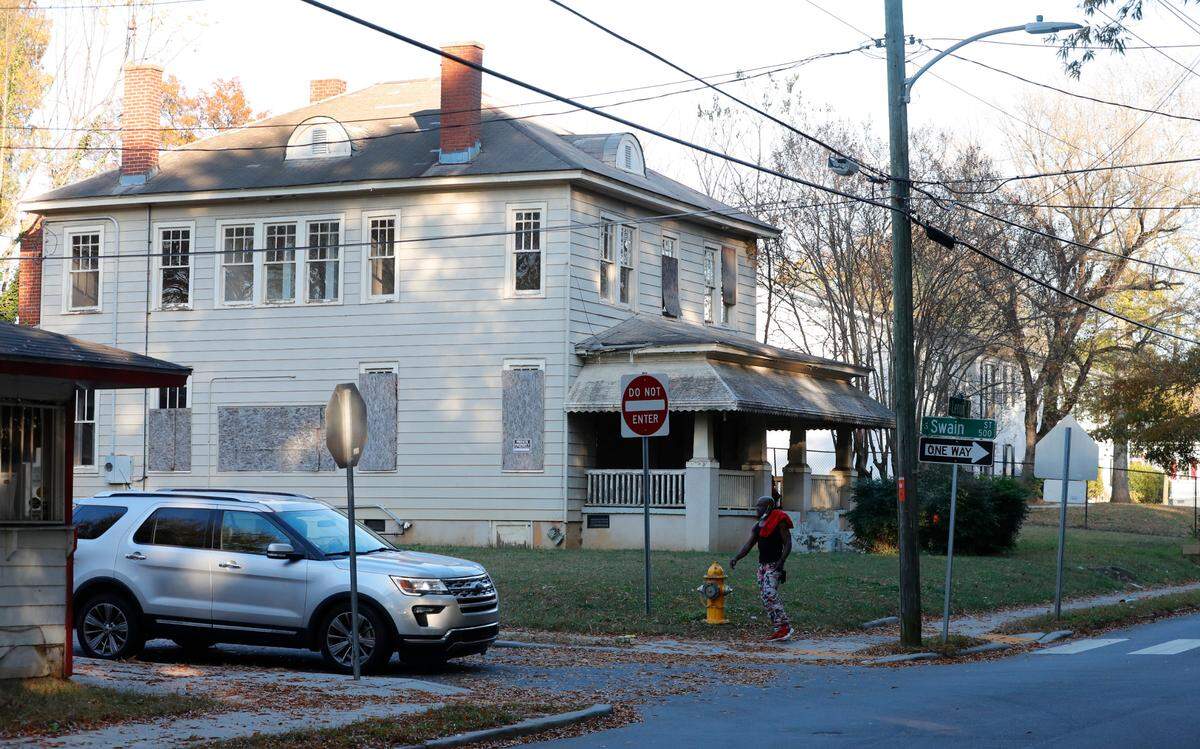
Dunn, a member of the Raleigh Historic Development Commission, explained that Ligon’s house at 573 E. Lenoir St. does not sit inside a historic district and has not been designated as a landmark. So its future relies on the family’s wishes, and someone would need to buy the house and restore it.
High property taxes
The commission sent a letter to the family in 2013, offering to start the process of it becoming a landmark, but never heard back.
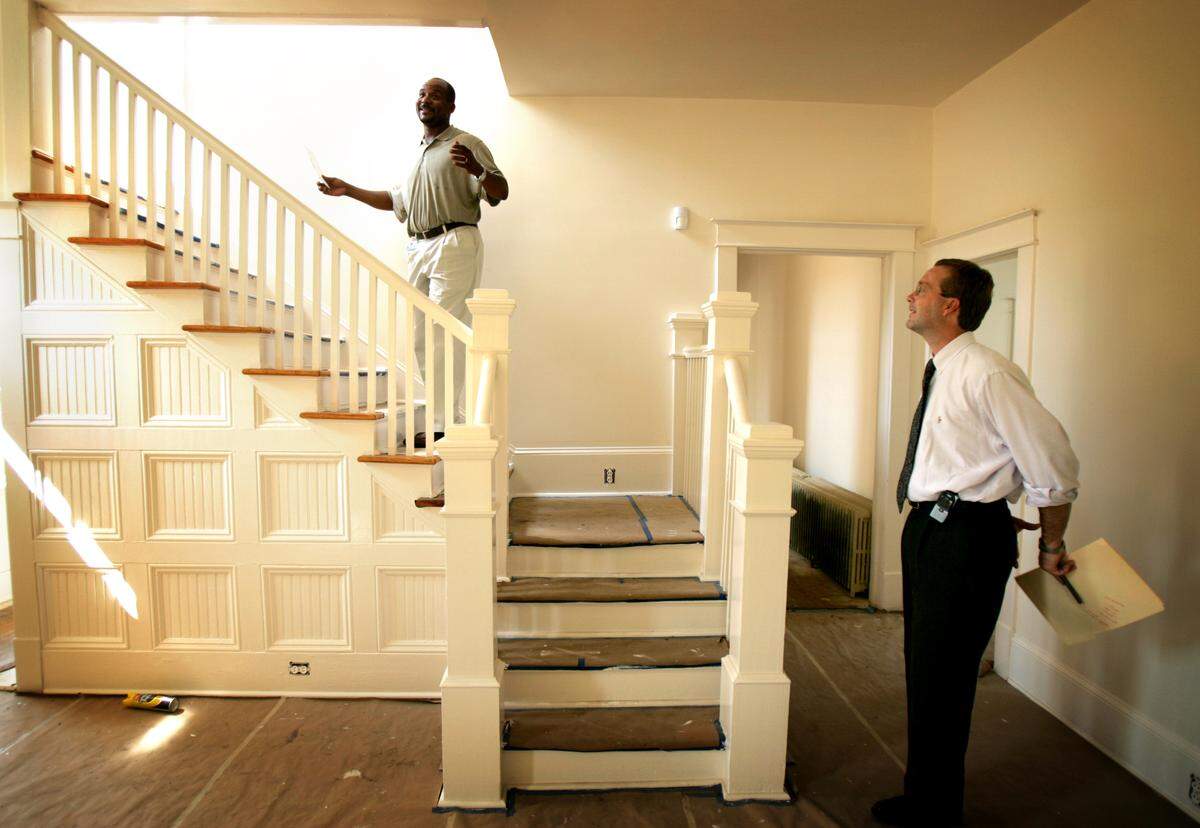
A few years before that, descendant Jeffrey Moore had elaborate plans for a “Ligon Square” on that block, combining offices for Shaw University and a community center. He sought help from the city, but those plans never materialized.
Many of Ligon’s descendants have died, including Moore. On the Facebook page, family members say property taxes on the old house have grown too high to bear.
“We did want to redevelop the house,” said Jai Marie How, whose grandmother Joyce Moore, Ligon’s granddaughter, still owns it. “But of course circumstances held us back and, yes, we are worried the house will be torn down.”
Built in 1914, Ligon’s house is described as a two-story hipped-roof bungalow with double-hung sash windows. Vacant for many years, its windows are covered by plywood boards and its front porch is strewn with clothing and Vienna sausage tins — signs the homeless have taken refuge there.
‘Just another piece of low-hanging fruit’
In 1991, Ligon’s daughter Maye described how her father came to live on East Lenoir, across from the Crosby-Garfield school he led.
“There was a big white house down there,” she told the N&O, “and the prostitutes used to walk out in their kimonos in the front yard, and my father used to call the police on them all the time, because he didn’t want the children to see those women. Then one of the men dared him. He said, ‘Ligon, you won’t let anybody live in my house, why don’t you buy it?’ So he said, ‘I will,’ and he bought the house over there.”
The house at 573 would follow, as would a small grocery store at the corner of Swain Street, which still stands.
But the tall modern houses loom over all the surrounding blocks, all within sight of of the downtown Raleigh skyline.
“The Ligon house turned out to be just another piece of low-hanging fruit, and the powers that be are going to pick the fruit and develop it,” said Danny Coleman, who led the now-disbanded Citizens Advisory Council for the neighborhood. “The city’s just going to destroy everything that people like about the city.”
But even if the house is gone, the strongest trace of Ligon will remain on the school he inspired.
This story was originally published November 17, 2021 at 12:47 PM.