More than 3,300 North Carolinians died from overdoses in 2020, DHHS says
Drug overdoses killed more than 3,300 people in North Carolina in 2020, a 40% increase over the previous year, the state Department of Health and Human Services reported this week.
A total of 2,352 people died from overdoses in 2019, DHHS said in a news release. That number increased by almost 1,000 deaths over the following year, to a total of 3,304 deaths recorded in 2020.
The massive rise in overdose deaths means that on average, nine North Carolinians died from an overdose each day in 2020.
DHHS Secretary Kody Kinsley, who took over the health department in January, attributed the increase in part to the COVID-19 pandemic, which first started impacting North Carolina and the rest of the country in March 2020.
“Stress, loss of housing and loss of employment for those in recovery caused by the COVID-19 pandemic has led to a backslide in our fight against substance use disorders,” Kinsley said in the Monday release.
“Improving behavioral health and resilience is a top priority for NCDHHS,” he continued, “and we will rally our community partners and our team to meet these new challenges as we focus on saving lives, prevention and the lasting supports needed for long-term recovery, including increasing the number of people with health insurance.”
The rise in overdose deaths seen in the state aligns with that seen across the country around the same time, DHHS said. Between April 2020 and April 2021, national overdose deaths increased by 28.5% over the previous 12-month period, topping 100,000 deaths for the first time, according to the Centers for Disease Control and Prevention.
Surge in deaths driven by illicit drugs
Fatal overdoses in North Carolina jumped by 26% between 2016 and 2017, before falling by 7% in 2018, according to DHHS. The following year, however, overdose deaths increased again, but just by 2%.
Provisional data for 2021 is expected to show a continued increase, the health department said.
The Office of the Chief Medical Examiner, which measures and reports suspected overdose deaths, said in its latest report that there were a total of 3,638 suspected fatal overdoses in 2021, down from its previous estimate of 3,961 suspected deaths, but still more than 300 above the number of deaths recorded in 2021.
The recent rise in overdose deaths has been driven by opioids heroin and fentanyl, DHHS says.
A synthetic opioid that is used to to help chronic pain patients or people who have just had surgery manage severe pain, fentanyl is approximately 80 to 100 times stronger than morphine, according to the Drug Enforcement Administration. Illicitly manufactured fentanyl can be added to other drugs like heroin to increase their potency, or can be disguised as other drugs.
Lethal doses of fentanyl and other opioids vary from person to person, depending on body size, tolerance and past usage, the DEA says, but even two milligrams of the drug can cause a fatal overdose.
Officials estimate that more than 70% of overdose deaths recorded in North Carolina in 2020 likely involved illicit fentanyl, and in many cases, a combination of other substances as well.
The share of fatal overdoses involving multiple substances has been rising, according to DHHS, with some deaths involving two, three or even four different substances, including stimulants like cocaine and methamphetamine.
Data provided by DHHS also shows that the rate at which people are dying from overdoses has increased faster among Indigenous people and Black people, when measured as a portion of the population.
Between 2019 and 2020, the overdose death rate increased by 93% for American Indian and Indigenous people, 66% for Black people and 32% for white people.
Addressing the naloxone shortage
Under its North Carolina Opioid and Substance Use Action Plan, first introduced in 2017 and updated in May 2021, DHHS says it is combating the overdose crisis on multiple fronts.
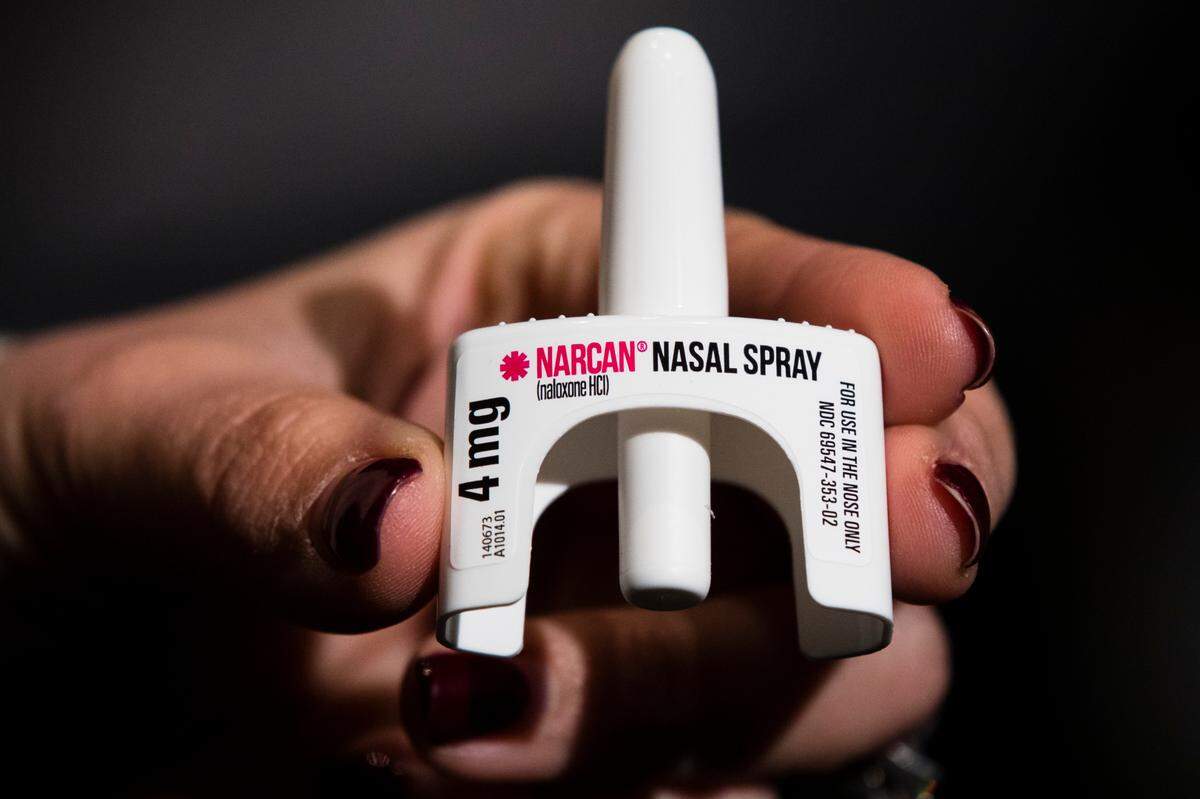
One of the immediate problems facing harm-reduction advocates and others helping people with substance abuse is an inadequate supply of naloxone, a powerful medication that reverses opioid overdoses. The drug can be administered through an injection, a nasal spray, or an intravenous fluid drip.
Needle exchange programs, which were legalized in North Carolina in 2016, allow drug users to safely dispose of their syringes and obtain sterile syringes and injections supplies free of cost. The programs also distribute naloxone.
In December, DHHS said it was awarding $4.4 million in funding to roll out 15 mobile health clinics to provide people suffering from substance abuse in remote, difficult-to-reach areas with screening, assessment, treatment, primary care and recovery services.
“Meeting people where they are, especially in our rural communities, is a key priority and critical to responding to this crisis,” Kinsley said in December, when the mobile clinics program was announced.
The clinics, which will also provide naloxone, are expected to be up and running by this spring, DHHS said.
This story was originally published March 24, 2022 at 10:27 AM.