Even as bird flu cases drop, NC Zoo is cautious about reopening aviary to the public
Though reports of a highly contagious avian flu have slowed in the past week, the North Carolina Zoo is not yet ready to reopen its popular aviary, the park’s chief veterinarian says.
Dr. Jb Minter, chief vet and director of animal health at the N.C. Zoological Park outside Asheboro, said he is monitoring alerts from the USDA about confirmations of Highly Pathogenic Avian Influenza (HPAI). The alerts have slowed, he said, but it’s not yet safe to allow visitors back into the aviary, where they could inadvertently spread disease to the zoo’s collection.
The park closed the aviary in January after the USDA reported that testing had uncovered HPAI in wild birds in North Carolina. It has since been confirmed in eight commercial flocks of turkeys and broiler chickens in the state, all in Wayne and Johnston counties. The most recent confirmation reported by the USDA was on April 7.
“As long as the USDA remains on high alert, we’ll remain on high alert,” Minter said.
A permanent tropical paradise
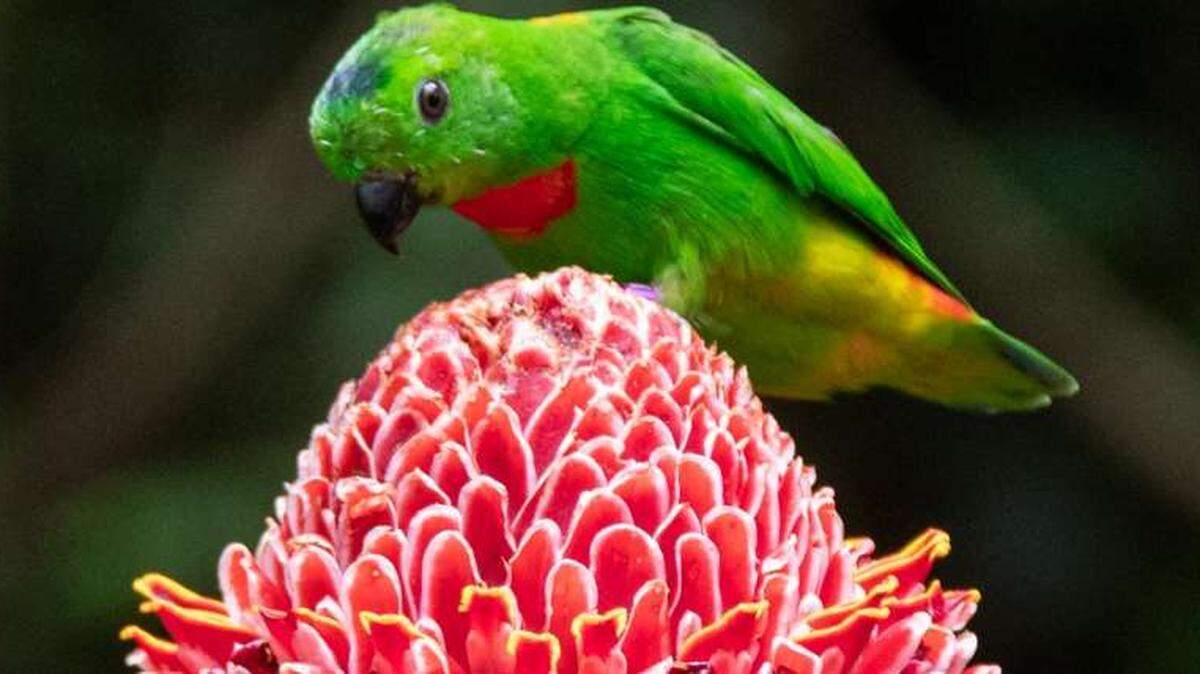
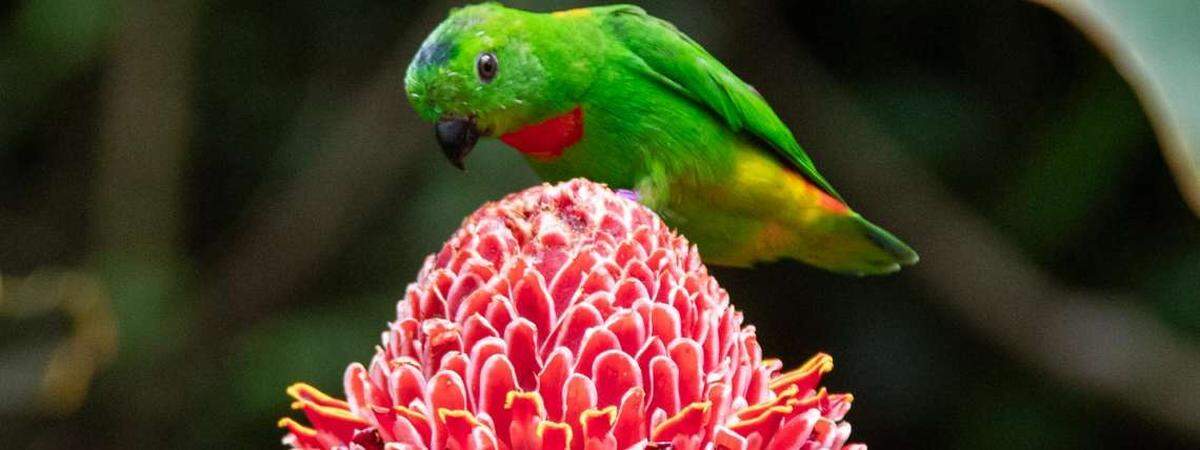
The R.J. Reynolds Forest Aviary, named for the Winston-Salem tobacco company that originally funded it, was the zoo’s first permanent indoor exhibit when it opened in 1982. The glass-domed building is a tropical paradise that’s home to about 100 birds of some three dozen species, along with more than 3,000 exotic plants including coffee trees and a 30-foot fig tree.
The building underwent a two-year, $850,000 overhaul that was completed in 2000.
It’s one of the most popular exhibits at the zoo.
It was closed when HPAI surfaced several years ago, and again when it appeared this year because the virus is easily spread. It’s transmitted primarily through bird feces, meaning that as birds migrate, so does the virus, turning up in flocks of wild ducks and geese, for instance, and then appearing in commercial and backyard flocks.
A visitor with traces of infected bird poop on their shoes could track it into a hen house — or the Forest Aviary — where it could spread through the avian population.
HPAI is a mutation of more common, less virile avian flu. While it doesn’t pose a known health threat to humans, it can wipe out a flock of birds. When it’s found, the animals are destroyed to stop further spread. The flu is being blamed in part for increases in poultry prices.
If it got into the zoo, “We don’t even know what it would do in some of these species,” Minter said.
And the state-owned park doesn’t want to find out. Just as COVID-19 can be asymptomatic in some people who catch the virus, it’s possible the HPAI could have essentially no impact on some birds and kill others.
Valued parts of the zoo family
Among the birds in the aviary are some geriatric specimens that might be more vulnerable to an illness, Minter said.
“We’ve got a couple of flamingos in their 40s, a wattled crane in its late 30s,” he said.
It would be costly to replace the birds in the exhibit, if it’s even possible, Minter said. When the aviary opened, zoos were more able to procure exotic species from the wild than they are under current regulations.
Moreover, he said, there are birds in the aviary that have lived there for one, two or three decades, and while they’re not pets, they’re part of the valued zoo family.
For now, Minter said, the aviary will continue to be open only to keepers, horticulturalists and maintenance crews. They will follow biosecurity protocols to make sure they don’t contaminate the building. Those who enter the building cover their shoes or wear shoes that aren’t used anywhere else, and clean their shoes.
The zoo has a small collection of birds that live outside the confines of the aviary, including a red-tailed hawk and barred owl. For now, Minter said, the zoo has stopped ambassador programs that had keepers taking those birds out into the zoo where visitors can see them.
The precautions against HPAI are in addition to measures the zoo has taken to prevent the spread of COVID. The park closed early in the pandemic, and reopened with limited admission and mask requirements. Though masking rules have been dropped for most people in most places, Minter said keepers still mask when working closely with animals.
Except for deer, otters and hippos, which have all caught COVID-19, it’s not known what animals are susceptible to the virus.
“This has been a pandemic on top of a pandemic,” Minter said.
This story was originally published April 13, 2022 at 2:54 PM.