Safety issues with roof and eroded ground forced the NC Zoo to close its Aviary
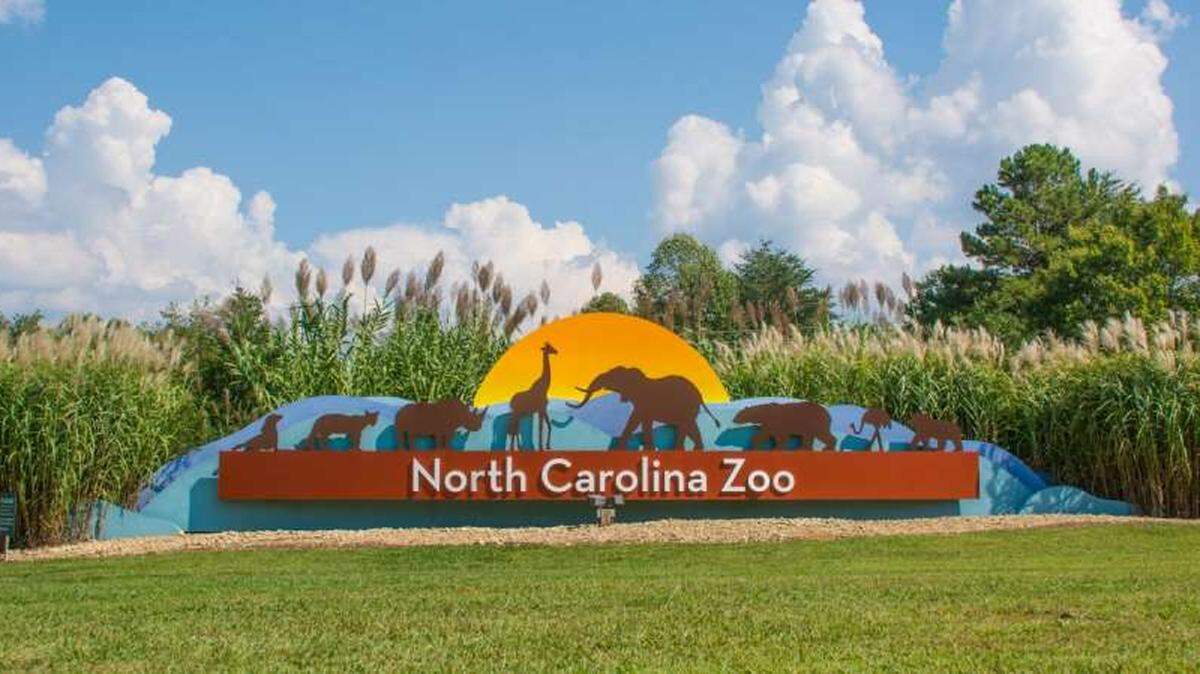
The decision to close the R.J. Reynolds Forest Aviary at the North Carolina Zoo was the result of an inspection that found major safety issues — from the building’s roof to the soil beneath it.
A report from the state construction office dated April 13 said a March inspection of the building found a string of problems, the most dangerous of which was in its signature domed roof.
The roof, two stories up, is a network of convex, triangular acrylic panels that, from the top, looks like an overstuffed quilt. When the space beneath it was filled with tropical plants and exotic birds and opened to the public in 1982, visitors immediately loved it. The light pouring in through the roof and glass walls, along with the pumped-in humidity, made it feel like a rain forest.
But more than four decades later, the report said, the acrylic panels are in bad shape. Many of them have cracked and appear in danger of breaking, either from the impact of a bird inside the structure or hail or tree limbs outside it. If a fragment or whole panel fell, it could strike a visitor or worker in the building, the report said.
No way to repair
Repairing the roof is not an option, the report said, because the panels are no longer made and can’t be duplicated. Making them out of another material likely could not be done, the report said, without making the structure stronger to bear the additional weight.
Even if the building could be made to carry a heavier roof, the report said, the ground beneath it has eroded and even developed sinkholes and my not be able to be stabilized enough to hold a more formidable building.
Therefore, the report said, once the existing Aviary is taken down, the zoo would likely need to build any replacement on another site.
The report didn’t offer an estimate on the cost of repairing the building, saying it would require a much more intense inspection that would not be safe to undertake.
Zoo officials closed the Aviary in January to protect its 33 species of birds from the Highly Pathogenic Avian Influenza, or HPAI, a fast-spreading virus. The park had anticipated reopening the building to the public when the threat of the virus had passed.
Plants and animals to move
Instead, to protect workers and the public, the park will move the plants and animals out of the building and make plans to have the structure taken down.
In the early 2000s, a woman sued the zoo after being injured while visiting the Desert Pavilion, where a huge potted ficus tree fell over, knocking down another tree and landing on the woman. Zoo workers were aware the ficus was unstable, but elected to delay repairs until after the weekend, when the park is its busiest.
The same report that recommended removing the Aviary said the Desert Pavilion needs almost $1.7 million in renovations and repairs. That building, also featuring a glass dome, is about a decade newer than the Aviary and houses creatures such as Gila monsters, beaded lizards and sand cats, along with cacti and mescal agave.
That building needs a full-scale mechanical renovation, the report said, as well as a new emergency generator, roof repairs and fixes for broken and leaking concrete in the building’s exterior and the retaining wall outside it.