
Schisms over slavery, women and now, sexuality: A history of fractures among Methodists
READ MORE
Un-united Methodists
The church has long delayed an anticipated split over LGBTQ issues — until now. It’s not going to be easy. As some in North Carolina look to disaffiliate from UMC for more conservative theology, others must grapple with their own stance on how to move forward.
Expand All
Un-United Methodists: Church splinters between its conservative and gay-affirming sides
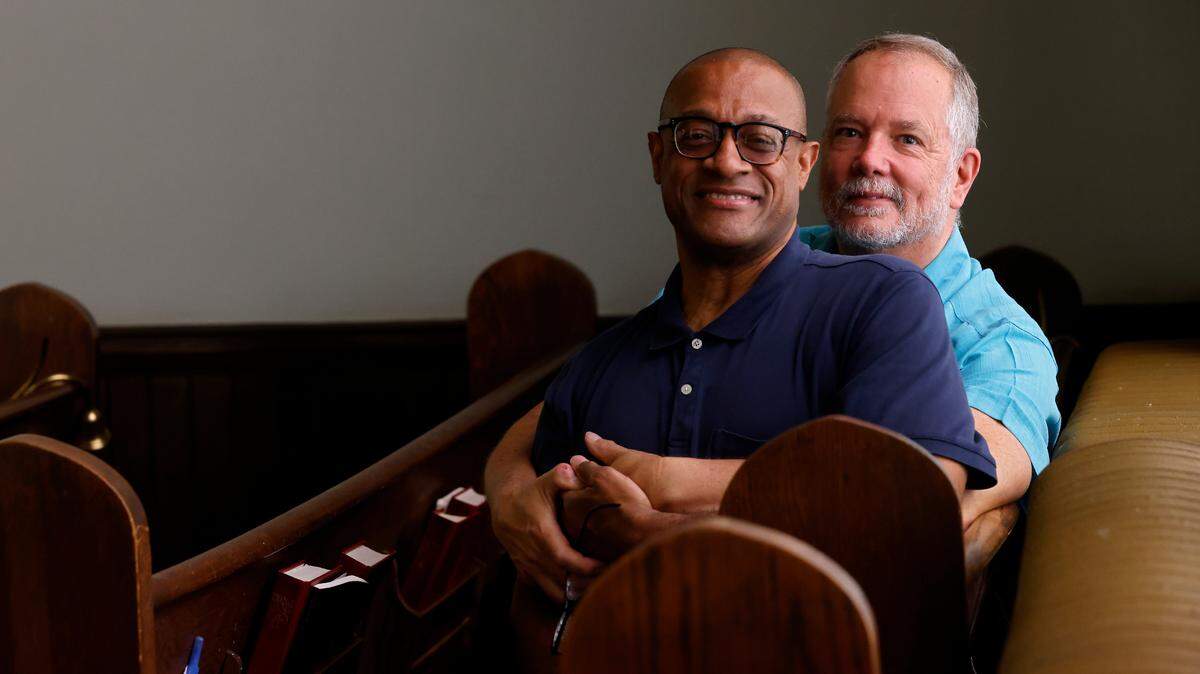
‘Not going anywhere’: How this gay NC man has long sought full Methodist acceptance
Schisms over slavery, women and now, sexuality: A history of fractures among Methodists
How Episcopalians, Lutherans, Presbyterians and Baptists have dealt with LGBTQ issues
The clash United Methodists face today over gay weddings and ordination is not the first time the denomination has fractured.
The original Methodist church was founded out of a split from the Church of England. Methodism has evolved over the centuries in a series of fractures and mergers.
“It’s not the first time we’ve split. It’s not the first time we’ve reunited,” said the Rev. Jennifer Copeland, executive director of the North Carolina Council of Churches and a United Methodist minister.
History of schisms
Methodism was founded in the 18th century as a movement by John Wesley to reform the Church of England from within, according to the UMC. The Methodist Episcopal Church split off and established itself as an autonomous church in 1784.
Three years later, the church saw its first division when a number of Black members exited and organized the African Methodist Episcopal Church and African Methodist Episcopal Zion Church.
In 1828, the Methodist Protestant Church formed, and in 1841, the Wesleyan Methodist Church launched over social and theological conflicts.
The church ruptured in 1844 over slavery. Delegates from the Southern states in the U.S. split off to create the Methodist Episcopal Church South, which became a prominent religious presence in the South through the Civil War.
In the aftermath of the Civil War, the Freedman’s Aid Society and the Colored Methodist Episcopal Church were developed to serve newly freed enslaved people. Over the next four decades, the church would see a campaign to expand the participation of laity and women in decision-making.
The Methodist Church (USA) was created in 1939 to unite the Methodist Episcopal Church, the Methodist Protestant Church and the Methodist Episcopal South. The consolidated church was segregated, with five administrative units divided by geography and the sixth, the Central Jurisdiction, encompassing all African American Methodist churches and annual conferences, regardless of their location.
The United Methodist Church was born in 1968 as a union between the Methodist Church and the Evangelical United Brethren. The merger abolished the Central Jurisdiction and established full clergy rights for women, which were previously approved by the Methodist Church in 1956.
Meanwhile, Methodist missions extended across the globe, with membership growing rapidly in Africa and Asia since the turn of this century.
Today’s fracture
The debate on human sexuality in the church began in 1972, when the General Conference, the church’s global governing body, declared homosexuality as “incompatible with Christian teaching.”
In 1984, the General Conference prohibited “self-avowed practicing homosexuals” from serving as clergy after failing to institute the rule four years prior.
1996 saw three additions to the church’s stance on sexuality. The points defined the term “self-avowed practicing homosexual,” barred United Methodist clergy and churches from holding gay weddings and called for the U.S. military to not block people from service “solely on the basis of sexual orientation,” according to a timeline by the UMC.
At the turn of the century, the General Conference adopted language to “implore families and churches not to reject or condemn their lesbian and gay members and friends.”
The General Conference met in a special session in 2019 to determine how the denomination could remain as one despite its members’ opposing views on LGBTQ issues. The church doubled down on its position against gay marriage and ordination, but left the denomination at an impasse on how to move forward.
A group of church leaders then negotiated a Protocol of Reconciliation and Grace Through Separation, which laid out an “amicable separation” of the denomination, according to the legislation. The General Conference intended to vote on the Protocol in 2020, but the session was postponed to 2024 due to the pandemic.
In May, the Global Methodist Church launched as a new denomination catering to churches with a more conservative theology and non-affirming stance on sexuality.
This story was originally published September 2, 2022 at 6:00 AM.