NC has 3 types of rattlesnakes. Learn where they are and how to identify them
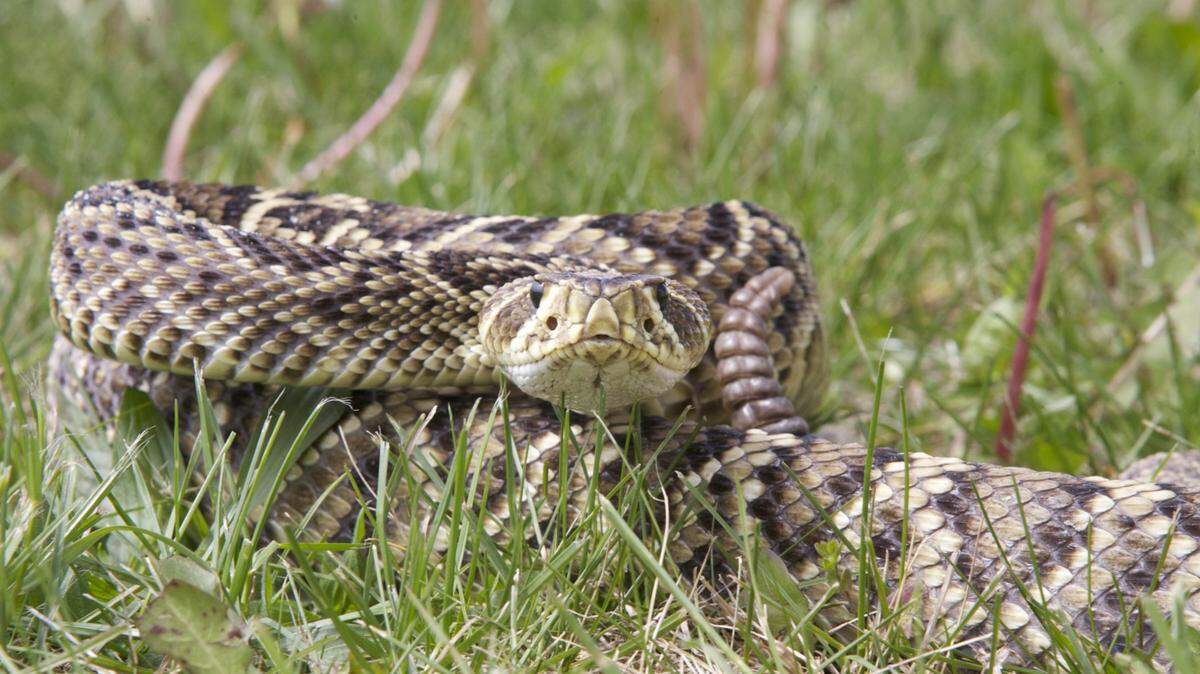
If you’re going to encounter a venomous snake in the Triangle, you’re most likely to see a copperhead. While rattlesnake bites can be much more dangerous, snake experts say it’s highly unlikely you’ll come across one in the central part of the state.
Rattlesnakes can, however, be found in areas east and west of the Triangle. And North Carolina has three:
Timber “Canebrake” Rattlesnake
Eastern Diamondback Rattlesnake
Carolina Pigmy Rattlesnake
“Of these three, the Timber is the rattlesnake N&O readers are most likely to encounter. None are common, but it is the most common of the three,” said Jeff Hall, biologist and snake expert with the NC Wildlife Resources Commission.
Each species is in decline, due mainly to habitat destruction and persecution by humans, and they are protected by the NC Endangered Species Act.
We should all learn how to identify these snakes and what to do if we spot one while hiking, camping or enjoying NC’s outdoors. Remember, if you do see a rattlesnake, leave it alone and walk away.
Here’s what to know about our state’s rattlesnakes.
Venomous snakes in North Carolina
Above all, if you are bitten by a snake and don’t know for sure if it’s venomous or not, seek medical care quickly.
“If you think you were bitten by a venomous snake, get to the ER as quickly as you can,” Hall said.
“There’s no need to panic, and it’s very very rare it can result in mortality, but it might result in pain and tissue problems. You want to see a professional and let them go from there.”
The N&O has a comprehensive guide on venomous snakes in the state. For the full guide, visit newsobserver.com/news.
Here’s an excerpt:
“It’s important to know that of the 38 species of snakes in North Carolina, the majority are nonvenomous and not aggressive toward people unless threatened.
▪ What’s the head shape? A commonly shared rule of thumb is that most venomous snakes have a triangular or diamond-shaped head, while nonvenomous snakes have a tapered head.
You can’t rely on that, though. Some nonvenomous snakes (such as a rat snake) can mimic the triangular shape of venomous snakes by flattening their heads when threatened, so never go by head shape alone.
▪ Can you see its eyes? Another tricky but often shared tip is to check out the pupil shape. Venomous snakes have been said to have oblong pupils that look like a slit in the center of the eye, whereas nonvenomous snakes will have a round pupil.
The best way to know if a snake is venomous is to know which venomous snakes are common in your area and know what they look like.”
It’s not safe to get close enough to view pupils, but cell phone cameras can get a photo and you can zoom in on the eyes from a safe distance, Kevin Bischof, a park superintendent with the N.C. Division of Parks and Recreation, previously told The N&O.
Rattlesnake bites can be dangerous, even deadly
Venom from a rattlesnake bite is more serious than venom from a copperhead, but the bites are far less common.
“While the risk of death is really low, it is important to point out that North Carolina does see rattlesnake bites,” said Dr. Ben German, WakeMed emergency physician and medical professional with the international Asclepius Snakebite Foundation.
“Timber and Eastern Diamondback rattlesnake bites definitely do produce deaths. Timbers have produced several over the past few decades. It’s different than when we talk about copperheads, because for rattlesnakes, you are potentially talking about death or more significant limb damage.”
Three rattlesnakes in North Carolina
There are three rattlesnake species in North Carolina: Timber “Canebrake” Rattlesnake, Eastern Diamondback Rattlesnake and the Carolina Pigmy Rattlesnake.
The NC Wildlife Resources Commission, a state government agency that conserves NC’s fish and wildlife, has a handy guide to identifying rattlesnakes, showing where to find certain species and providing information about their natural history.
Here’s what to know:
Timber ‘Canebrake’ rattlesnake in NC
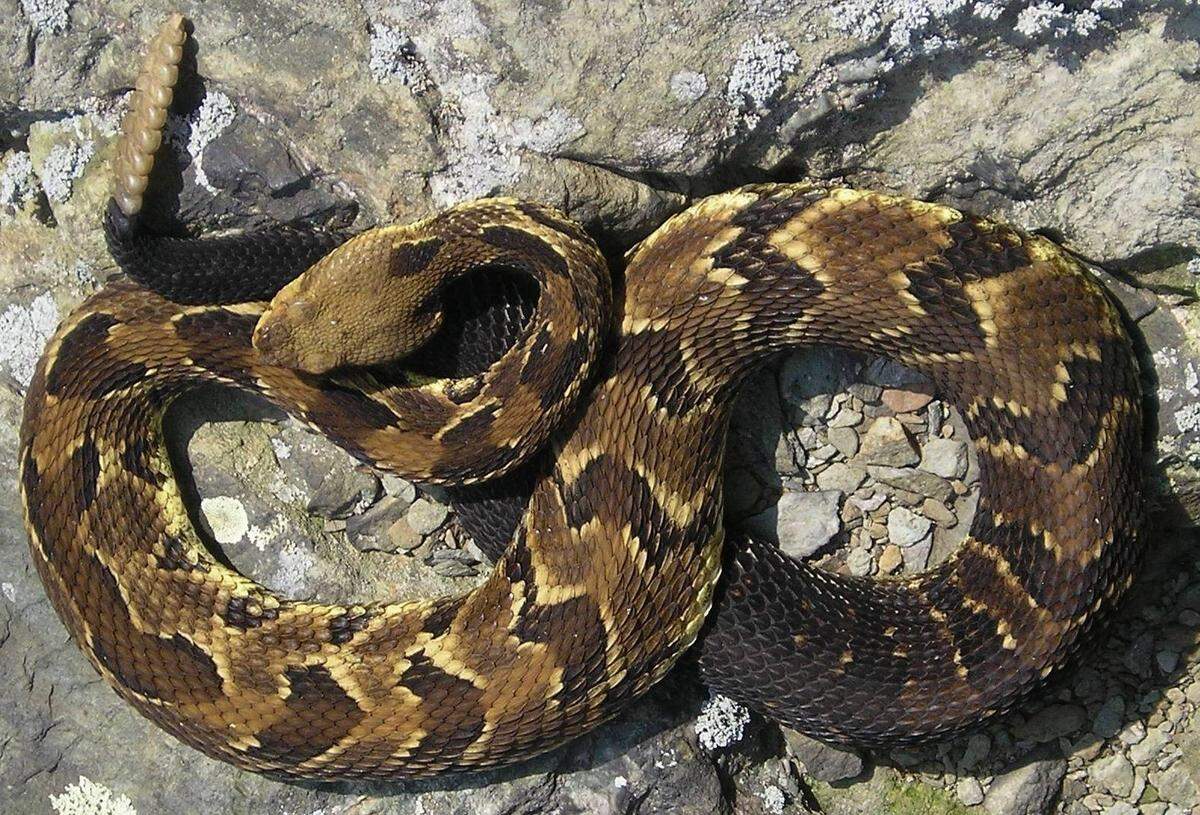
The Timber Rattlesnake, often called the Canebrake Rattlesnake, is the most widely distributed rattlesnake in the state.
“In the Piedmont or Coastal Plain, its primary background color is charcoal gray, and it has black chevron markings. A mid-dorsal stripe might be a slightly burnt red, or sometimes mustard yellow. It’s not a sharply contrasting stripes, but it might be more subtle down the middle of the back,” Hall said.
“In the mountains, especially at higher elevations, you can get all black colors. They might develop that chevron pattern, but they have an all-black head, and every once in a while you get one that’s solid black all the way down. They stay that way their entire life.”
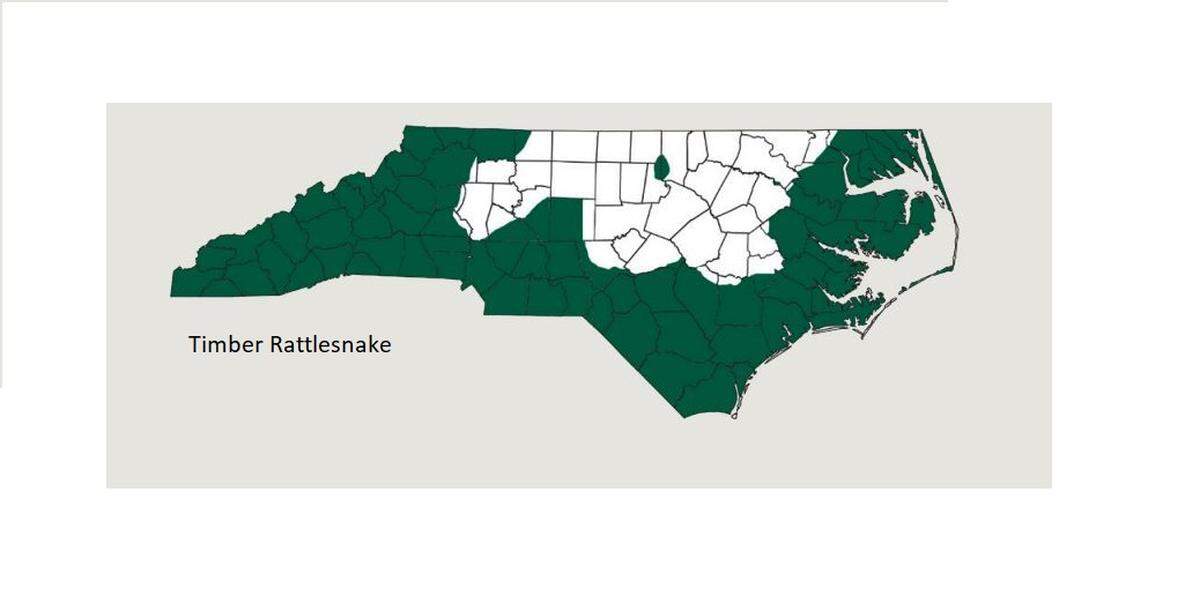
Closest to the Triangle, the Timber Rattlesnake can be found in Harnett County, bordering the southwestern portion of Johnston County. It may be found in a small section of northeastern Durham County, according to maps by the NC Wildlife Resources Commission.
Location:
Most commonly found in the Mountains and Coastal Plain. They can be found in all western, eastern and southern counties of the state.
This snake is primarily in forested areas.
Identifying characteristics:
Large and heavy-bodied. Can be up to five-and-a-half feet long.
In the Mountains, these snakes are usually yellow, dark gray or black.
In the Piedmont and Coastal Plain, these snakes are usually light brown, gray, tan or with a pinkish background.
They have dark crossbands on a lighter background, and their tails — which have a rattle on the end — are usually black.
Natural history:
This rattlesnake is reluctant to rattle or bite.
They eat mice and squirrels, occasionally birds.
They typically hibernate communally.
In late summer, these snakes bear up to 20 young.
Venom is highly toxic. Deaths from bites are known but very rare.
Source: ncwildlife.org
Carolina Pigmy rattlesnake in NC
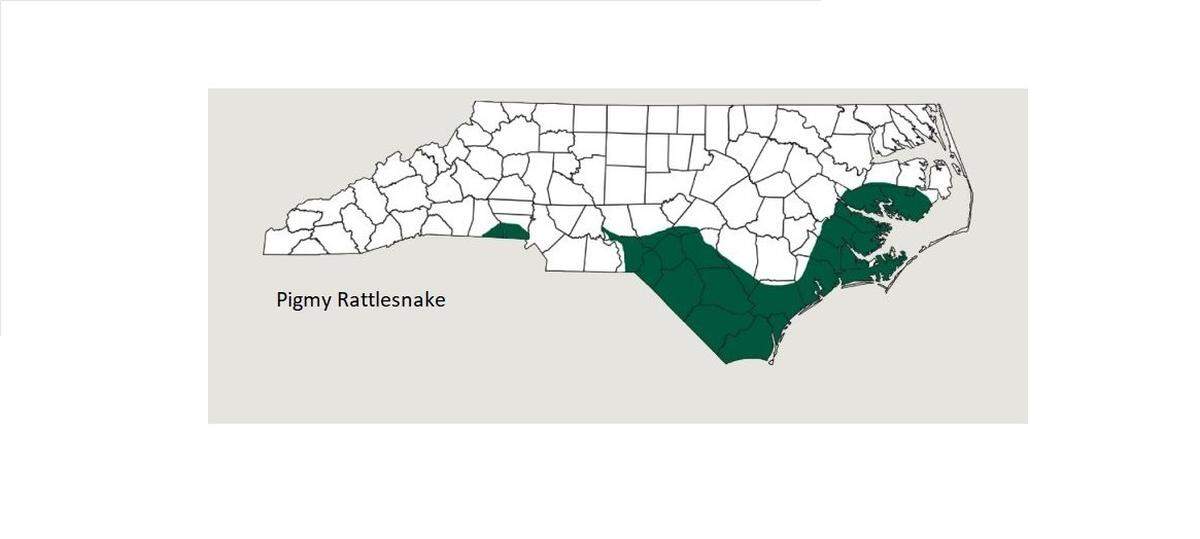
The Carolina Pigmy Rattlesnake can be found in the southern portion of the state. It may be found in a southwestern portion of Harnett County, according to maps by the NC Wildlife Resources Commission.
“The Pigmy and Eastern Diamondback are less common, but the Pigmy is the next most common rattlesnake someone might encounter. Mostly if they’re in the Coastal Plain,” Hall said.
Location:
They’re in the southeastern Coastal Plain, Sandhills and a few portions of the southern Piedmont.
Most commonly found in pine flatwoods and scrub oak habitats.
Identifying characteristics:
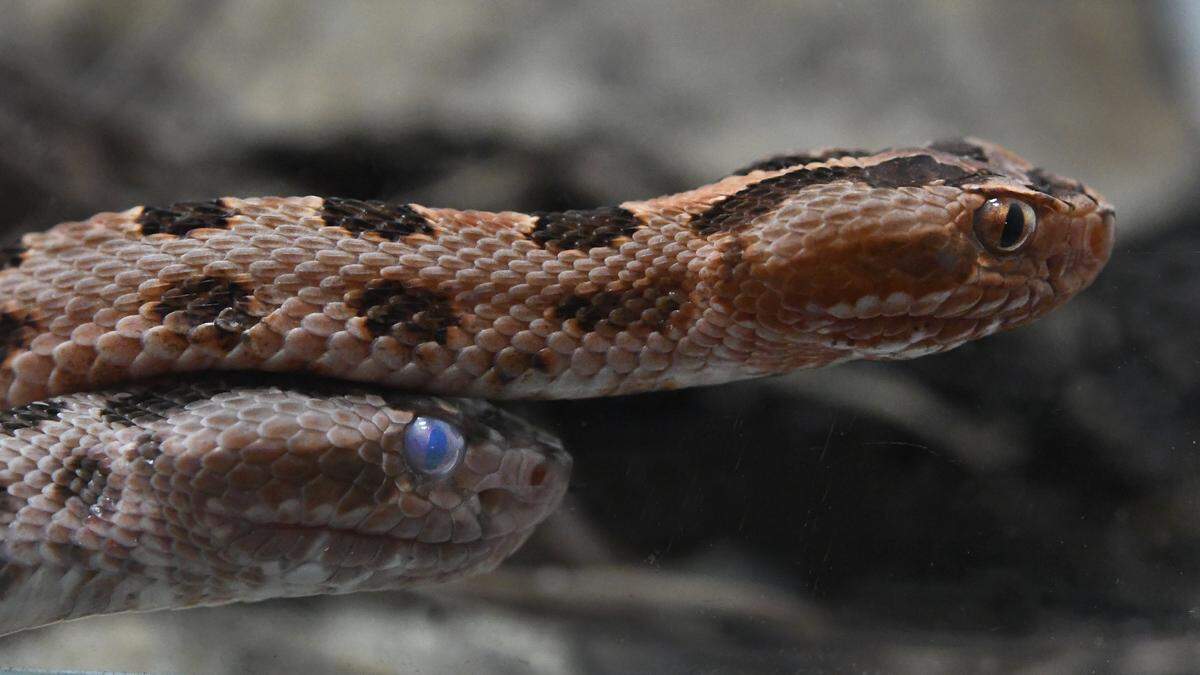
The Carolina Pigmy Rattlesnake is small — the average size is 15 to 20 inches.
They make a small rattling noise, which can sound like an insect buzz.
They’re a dull gray color with a row of dark spots down the center of their backs. There’s a smaller row of spots along the snakes’ sides.
The snakes in the Coastal Plain counties typically have a red or pink background color.
Natural history:
They’re active day and night, but they’re rarely seen due to camouflage.
They eat lizards, frogs, small snakes, large arthropods and small mammals.
They overwinter in logs, stumps and mammal burrows.
In late summer, they bear three to nine young.
Source: ncwildlife.org
Eastern Diamondback rattlesnake in NC
The Eastern Diamondback Rattlesnake is the most rare rattlesnake to be seen in the state.
“It’s the largest of all our venomous snakes and the largest rattlesnake in North America,” Hall said.
“A single snake may have a home range that’s several hundred acres large, up to 400 or 500. There aren’t many places in our landscape that you’ll find are well-managed, with longleaf pine and have long swaths of habitat. It’s the main reason the species has declined.”
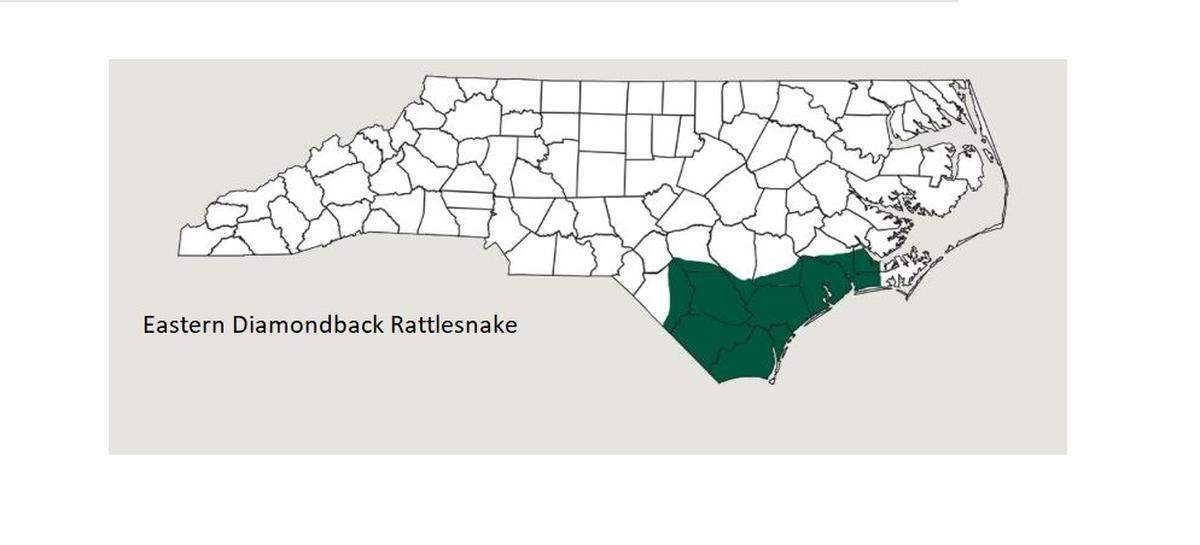
This snake is most commonly found in southern counties of the state. Cumberland and Jones counties are the northernmost counties where this rattlesnake can be found, according to maps by the NC Wildlife Resources Commission.
Location:
Most commonly found in the southeastern Coastal Plain.
Primarily in long-lead pine flatwoods and sandhills.
Identifying characteristics:
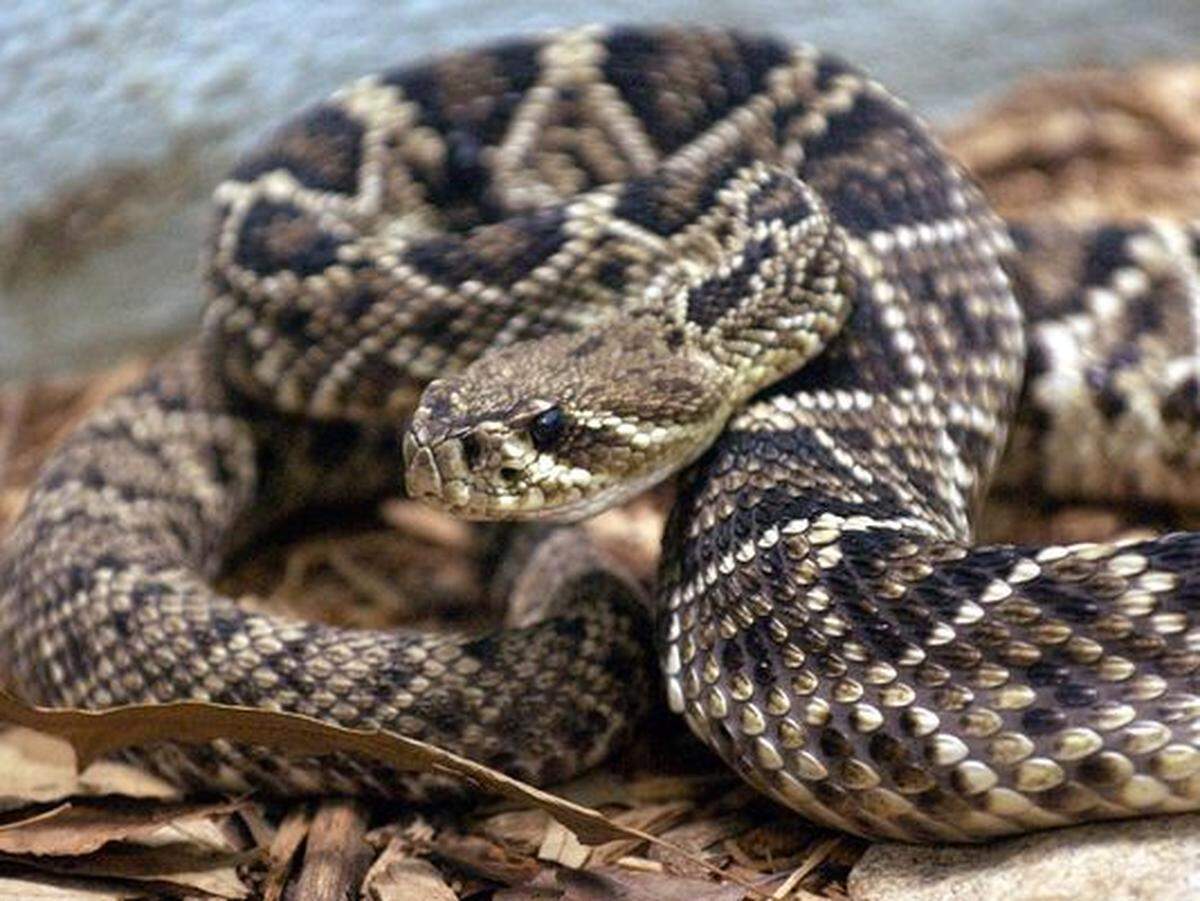
Heavy bodied. Can be up to six feet in length.
Their heads are triangle-shaped, and there are dark bands across the face that cover their eyes.
There are two straight lines that run along the sides of the snake’s head.
There’s an average of 28 dark, diamond-shaped markings around the body. The diamonds have light-colored borders.
The end of the tail has a rattle.
Natural history:
These snakes are active from late March to October.
In the fall, this snake bears seven to 21 young.
They eat mostly rodents and rabbits.
They overwinter in stump cavities and in mammal burrows.
Venom is highly toxic. Deaths from bites are known but very rare.
Source: ncwildlife.org
This story was originally published May 31, 2023 at 1:30 PM.