There were fewer car crashes and injuries in NC last year, but fatalities remained high
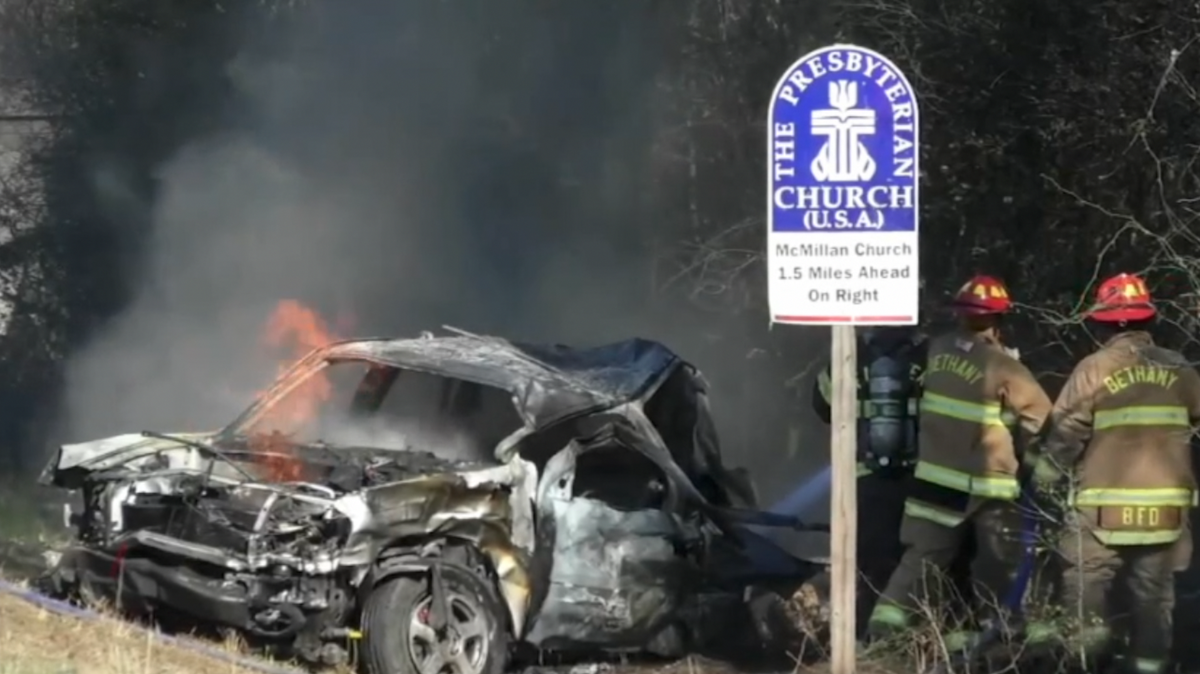
There were fewer car crashes in North Carolina last year, resulting in the fewest injuries in the state since 2014. That’s the good news.
But the number of people killed in crashes ticked up slightly, to 1,784, the highest in North Carolina since the early 1970s, according to new data from the state Division of Motor Vehicles.
The DMV’s annual Crash Facts report indicates that the spike in highway deaths during the COVID-19 pandemic has not subsided. The fatality rate, measured in the number of people killed per miles traveled, jumped 30% from 2019 to 2020 and has declined only slightly since then.
Meanwhile, the number of people injured per miles traveled has declined each year in North Carolina since 2017, down 13.4% during that time.
Those conflicting trends — more traffic fatalities at a time when crashes and injuries are declining — have puzzled traffic safety experts in recent years.
“We’ve seen this nationally, that you have fewer vehicle miles traveled, more severe crashes, more fatalities, than we’ve seen in the past,” said Mark Ezzell, director of the N.C. Governor’s Highway Safety Program. “I think it’s an indication that folks are driving even more recklessly at higher speeds.”
The DMV’s annual summary is based on reports filed by law enforcement agencies that handle crashes. It said officers identified speed as a factor in about 6% of all crashes but 24% of fatalities.
Alcohol was listed as a factor in 4.3% of all crashes but 25.1% of fatalities.
Another significant factor was seat belt use. While surveys show about 90% of people wear seat belts in North Carolina, 45% of people killed in crashes last year who had access to a seat belt weren’t wearing one.
The 1,784 people killed in crashes last year is only 1 more than the year before. But it’s 314 more than in 2019, before the pandemic. Since 1960, the lowest annual total of highway deaths was 1,208 in 2011.
Long-term decline in deaths has reversed
The longer-term trend in crash fatalities in North Carolina and nationwide has been one of dramatic improvement since the 1960s, due to safer vehicles, increased use of seat belts and other factors. The number of people killed in the state per 100 million miles driven dropped from nearly 7 in the mid-1960s to 1.20 in 2019, according to DMV. Last year it was 1.50.
Other findings from the DMV report:
▪ There were 273,732 motor vehicle crashes in North Carolina last year, 2,294 fewer than the year before. In those crashes, 110,544 people were injured, 4,178 fewer than the year before.
▪ Pedestrian deaths continued to climb; 270 people were hit and killed while on foot in the state last year, up 82.4% since 2009. The state’s two largest counties, Wake and Mecklenburg, each have more than 30 pedestrians killed, followed by rural Robeson County with 18.
▪ Twenty-one cyclists were killed statewide last year, 2 fewer than the year before.
▪ There were nearly 3,500 crashes involving motorcycles last year, resulting in 3,287 injuries and 205 deaths. Motorcycle crashes, injuries and deaths dipped in 2020, the first year of the pandemic, but have risen since then.
▪ The number of crashes involving teenagers declined 2.5% last year, to 48,384. But teen deaths, which also spiked during the pandemic, remained high at 101, well above the 10-year average of 89. Speed was a factor in nearly 44% of those teen fatalities last year, while 56% of those killed who had access to a seat belt were not wearing one.
▪ Officers reported that more than 17% of crashes in North Carolina last year involved drivers who were distracted by talking or texting on a phone, eating or other activities that take their eyes or minds off the road. But distracted driving is mostly self-reported, and many drivers may not admit to it after a crash, according to the DMV.
“It’s a very difficult thing for law enforcement investigators — post-crash investigators — to determine,” Ezzell said.
Ezzell thinks another factor that’s equally difficult to quantify has contributed to the jump in highway deaths in recent years: anxiety. People are on edge over health, politics and the economy, and he thinks it affects their driving.
“There may be this psychic distraction that I believe strongly occurred during COVID, and I have a sense is still with us,” he said. “The roads didn’t change considerably post 2019. Other things did. And I think one of those main factors is the anxiety we’re feeling behind the wheel of a car.”
This story was originally published September 14, 2023 at 6:00 AM.