
Does Raleigh’s MLK statue look like the civil rights hero? No. But does that matter?
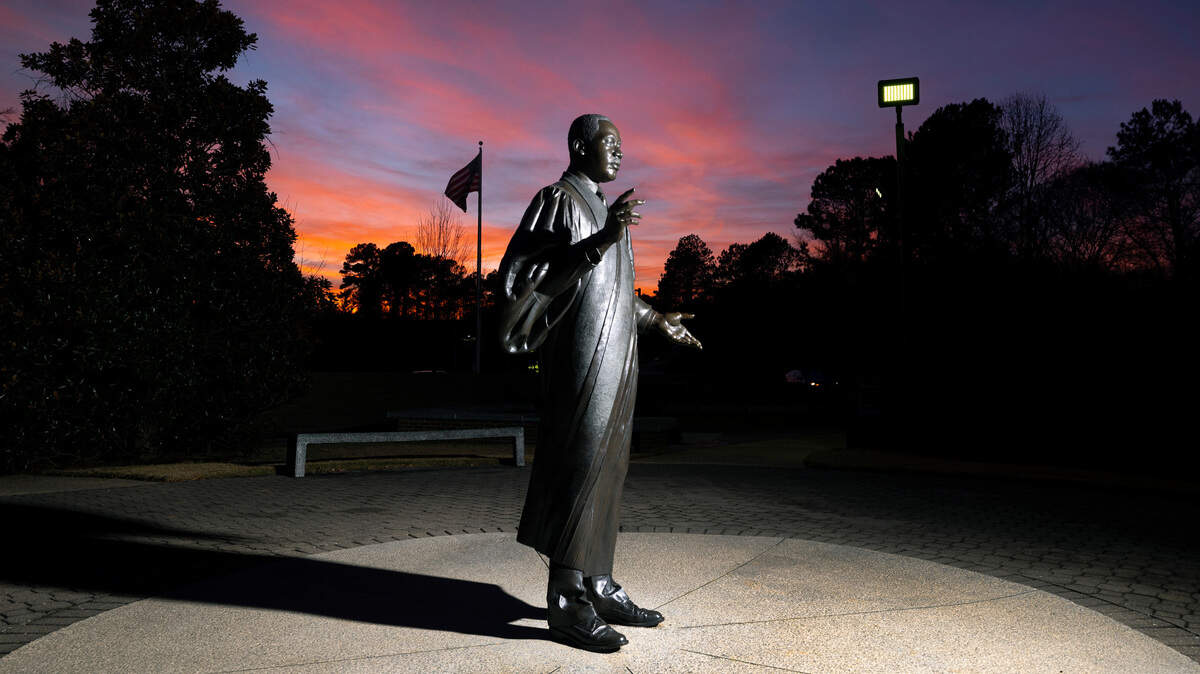
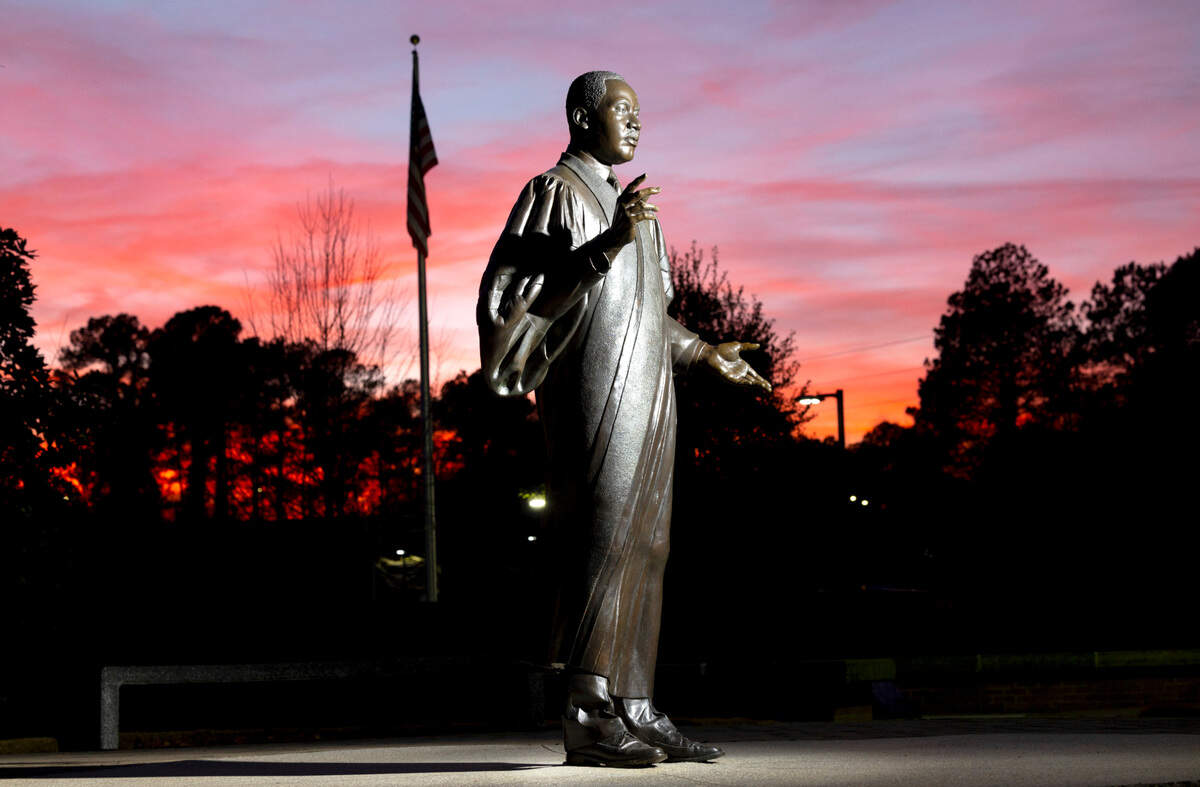
On a corner of his namesake street, a life-size statue to Martin Luther King Jr. stands with its arms outstretched — Raleigh’s tribute to a titan of social justice.
In many ways, the city’s King memorial stands apart from other shrines across the country: It was the first public park dedicated entirely to King and civil rights, and it is the only depiction showing the reverend doctor in his ministerial robes — a feature its sculptor added to emphasize King’s “spiritual quest.”
But one drawback appeared at the statue’s unveiling in 1990, and in my eye, it persists today:
It doesn’t look like King.
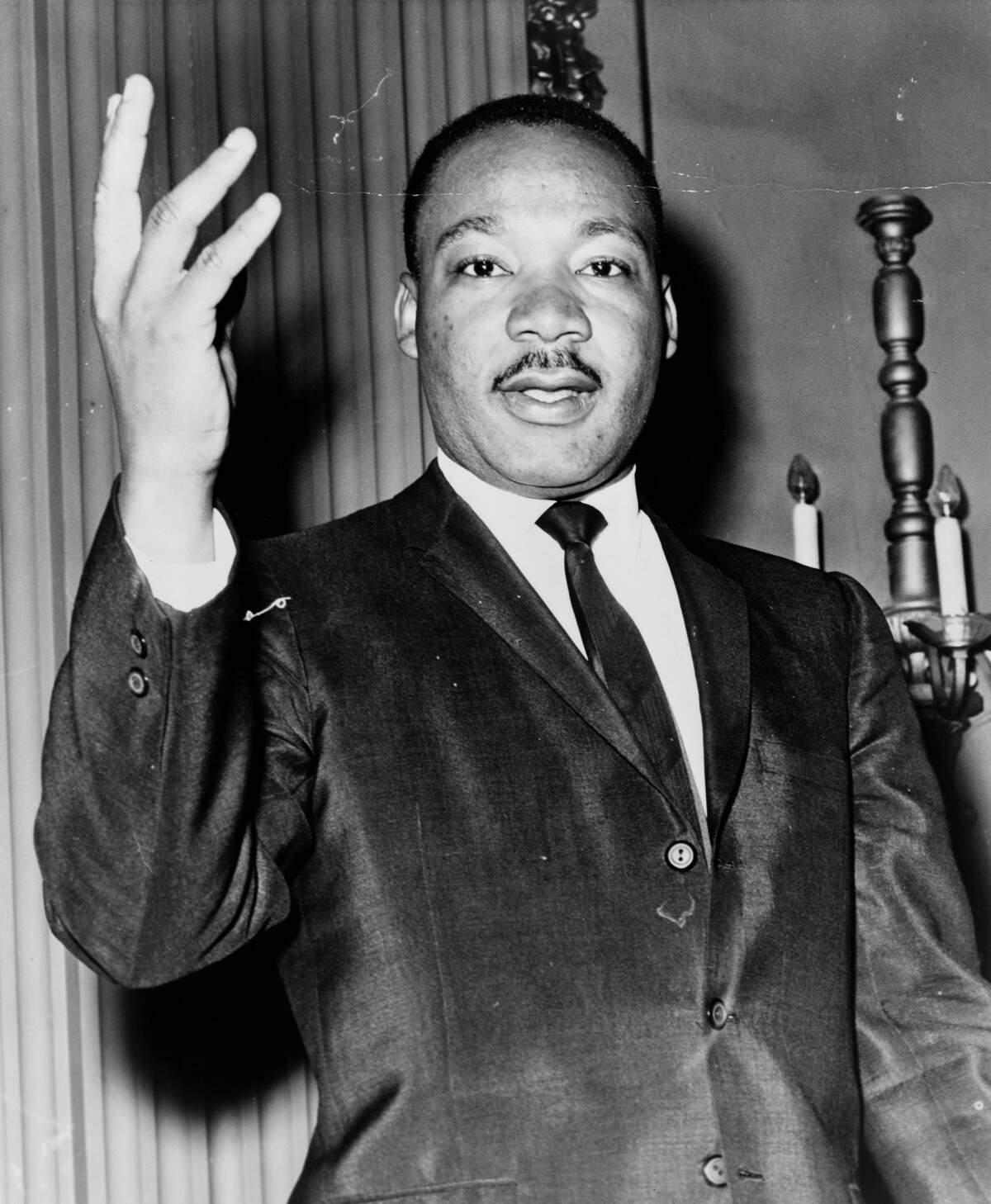
No fire in the eyes
The sculpture is detailed down to the doctoral bars on the sleeves, but there’s no fire in the eyes or love in the expression, and the features just don’t conjure anything like intensity of spirit. As a portrayal in bronze, King looks as lifeless as an action figure — and about as accurately depicted.
Only a few days after a dozen schoolchildren pulled a black drape off the statue, art critic Steven Litt wrote in The N&O, “The face is not instantly recognizable as a likeness. ... The trouble is that the pose lacks the fluidity and suppleness of life. In a word, it’s stiff.”
After 35 years, King’s statue has yet to radiate anything approaching the enormity of its subject. I asked Southeast Raleigh activist Octavia Rainey if she thought it looked like King, and she said this:
“Sorta.”
Rocky Mount, Buffalo statues draw criticism
It takes only a few minutes’ of Googling to learn that King memorials have drawn this same criticism, even controversy, elsewhere.
In Rocky Mount, where King gave an early version of his “I Have A Dream Speech,” citizens railed at the poor resemblance between the Nobel Prize-winning leader and the statue erected in his honor — an outcry that made the pages of The New York Times in 2003. Not only did the statue look “arrogant,” but its sculptor was white. The city removed the monument in 2005, hiding it inside a warehouse, then brought it back two years later.
Further afield, in Buffalo, N.Y., residents have long called for removing and redesigning an 8-foot bust that doesn’t look like King in the slightest, even though city leaders insist the monument was meant to be symbolic. Spectrum News Station 1 in Buffalo reported former Council Member Clifford Bell saying, “It’s a shameful image. It’s perpetuating a fraud.”
But here’s the thing:
It doesn’t really matter whether a King statue looks exactly like the thousands of photographs and miles of video we are blessed to have — available with only a keystroke.
The corner of Rock Quarry Road and Martin Luther King Jr. Boulevard in Raleigh qualifies as a sacred space for the conversations it starts, the ideas it sparks and the people it inspires — regardless of whether the symbol at its center is a lookalike.
“If you get close enough, and have a photo of him handy, you could say, “Yeah, it sort of looks like him,’ ” said Ernest Dollar, manager of Raleigh’s museums. “But when you step back and look at it, in the same way you would to King’s legacy, you’d say that’s exactly what he looked like.”
Right down to his wing-tip shoes.
This story was originally published January 13, 2024 at 9:00 AM.