Civil Rights Trail highlights NC people and events that advanced racial equality
READ MORE
Black History Month
Celebrate Black History Month in the Triangle with this guide of stories on its roots in North Carolina, a list of events, Black-owned businesses and restaurants you should know about and much more.
Expand All
The Civil Rights Act of 1964 that outlawed segregation in public places and in hotels, restaurants and other businesses was the culmination of millions of acts of protest, defiance and negotiation, most of which happened not in the halls of Congress but on American streets.
North Carolina is working to commemorate some of the work done in the state that helped drag the nation toward a legal remedy for the systemic discrimination that kept Black people from being able to get a meal at a lunch counter in the South or a good job anywhere in the country.
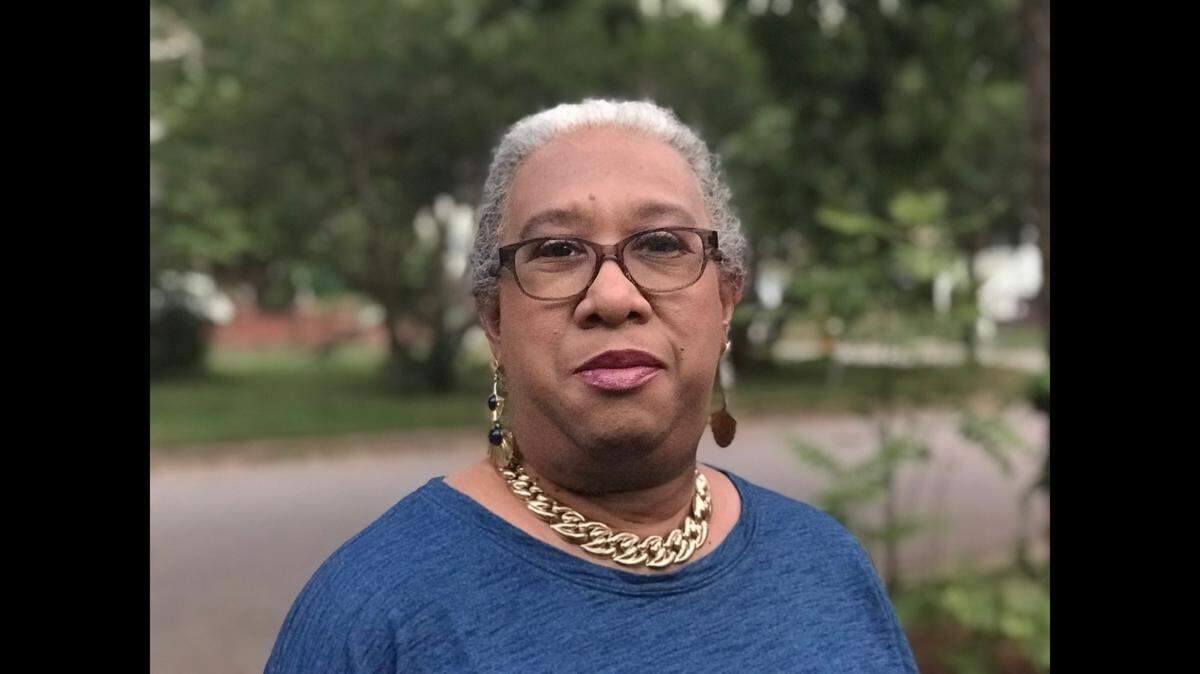
“Honestly, every North Carolina community, every county, has their own Civil Rights story whether or not we as a larger public know about it,” said Adrienne Nirdé, associate director of the state’s African American Heritage Commission, which is overseeing the development of the N.C. Civil Rights Trail. “One thing about this trail is that it’s really bringing these stories to light. Our state is more than just the Greensboro sit-ins or the larger icons. It’s about everyday people.”
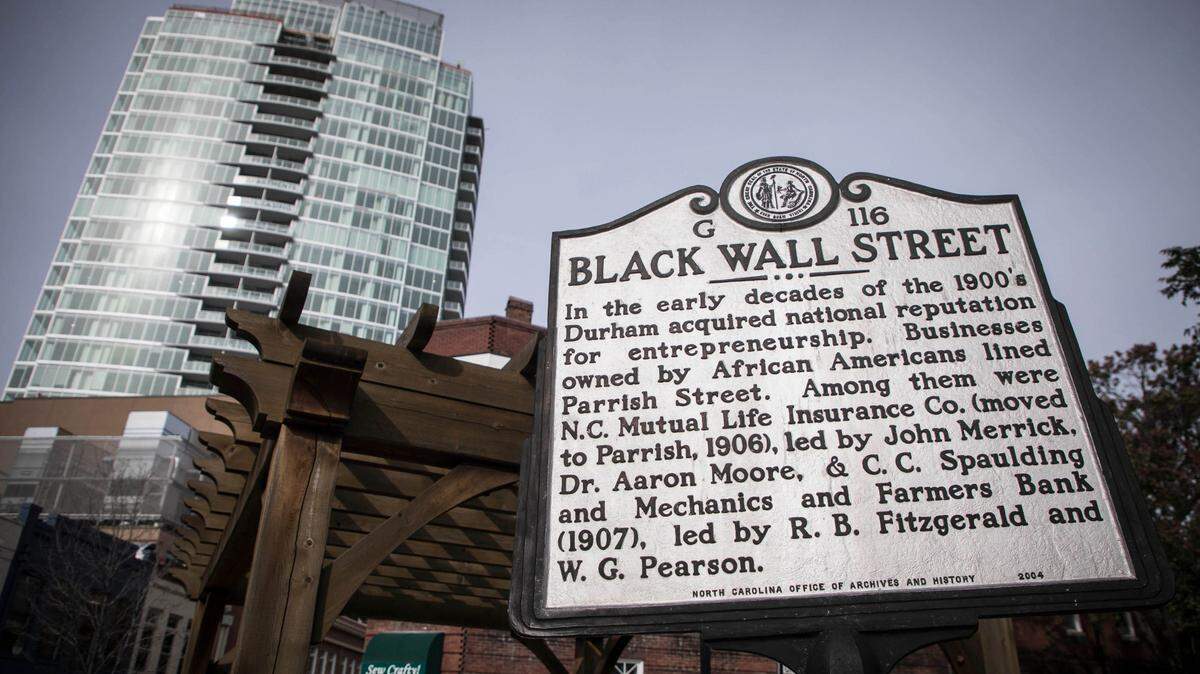
With funding from the William G. Pomeroy Foundation, the state plans to install 50 markers, similar to N.C. Highway Historical Markers, with 10 markers going up in economically disadvantaged counties. The hope is that the markers will educate the public about the work of the Civil Rights movement and attract visitors who might string together several stops on the trail and spend time and money in the communities where events happened.
Communities are invited to partner with non-profit organizations and apply for the markers. The program is currently in the fourth round of applications. A fifth-round will begin and April and run through September.
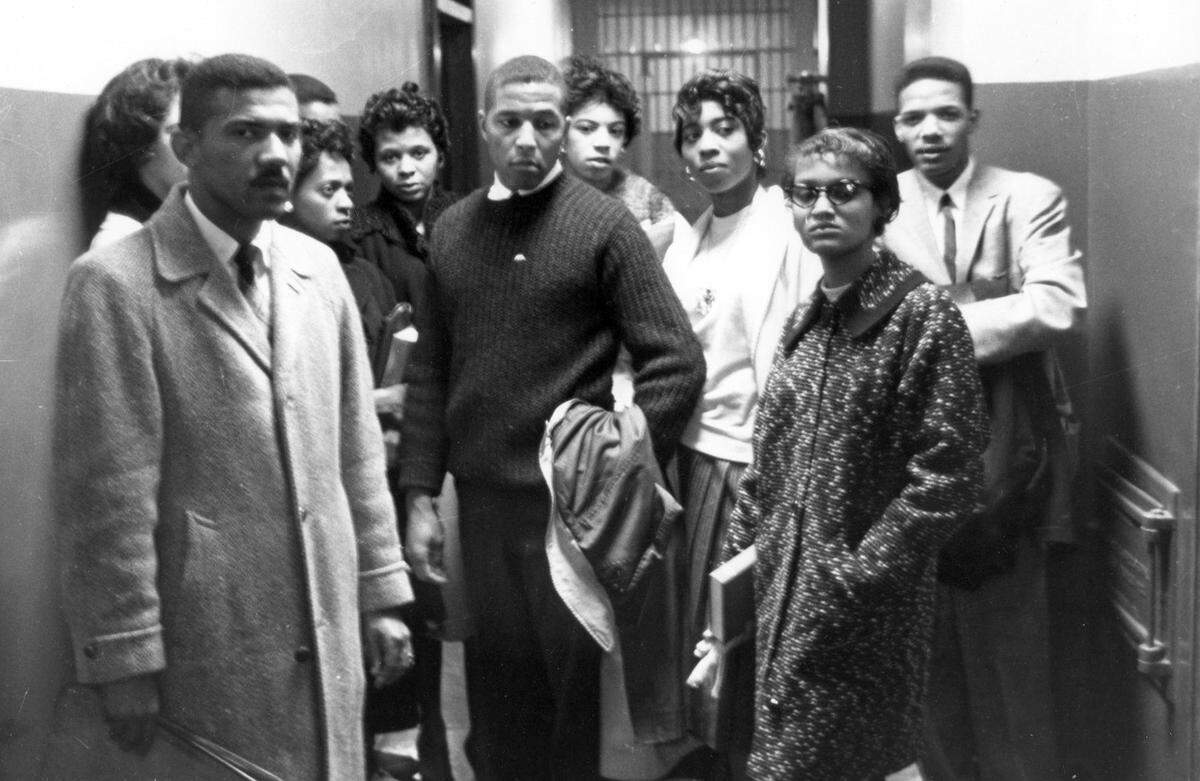
25 markers already approved
So far, Nirdé said 25 markers have been approved and nine have been manufactured and installed:
▪ New Ahoskie Baptist Church, Ahoskie: Where Civil Rights activists gathered to strategize in the 1960s. Marker installed.
▪ 1951 Adkin High School Walkouts, Kinston: Where 700 students walked out en masse to protest inadequate facilities at their all-Black school. Marker installed.
▪ Shelby Sit-Ins, Shelby: Where high school students protested in 1960 to be allowed service in local restaurants. Marker installed.
▪ Cameron Village Sit-Ins, Raleigh: Where students protested in 1960 to be allowed service at restaurants and lunch counters including at Woolworth stores downtown and in Cameron Village.
▪ Joseph Holt Sr. and Elwyna Holt, Raleigh: Honoring the Holt family for their efforts to integrate Raleigh schools by suing the school board after it voted not to allow their son to attend an all-white school. Marker installed.
▪ Ocean City Beach, Topsail Island: Established in 1949 as the state’s first beach where Black residents owned the land. Marker installed.
▪ Elizabeth City Sit-Ins, Elizabeth City: Protests at W.T. Grant store’s luncheonette, which shut down and removed seating in response rather than serve Black patrons. Marker installed.
▪ Kinston Sit-Ins, Kinston: Protests and boycotts pushed for the desegregation of downtown businesses.
Golf course color rule
▪ Blair Park Municipal Golf Course, High Point: Where local doctors broke the color rule by playing golf on a whites-only municipal course in 1954. Marker installed.
▪ Lake Lee Park/Monroe Country Club Swim-In: Where Black residents in 1957 pressed for access to a public pool built with city and federal funds. Marker installed.
▪ 1963 Brevard High School Football Team: Whose Black and white players bonded in 1963 despite overt racism by fans and officials. Marker installed.
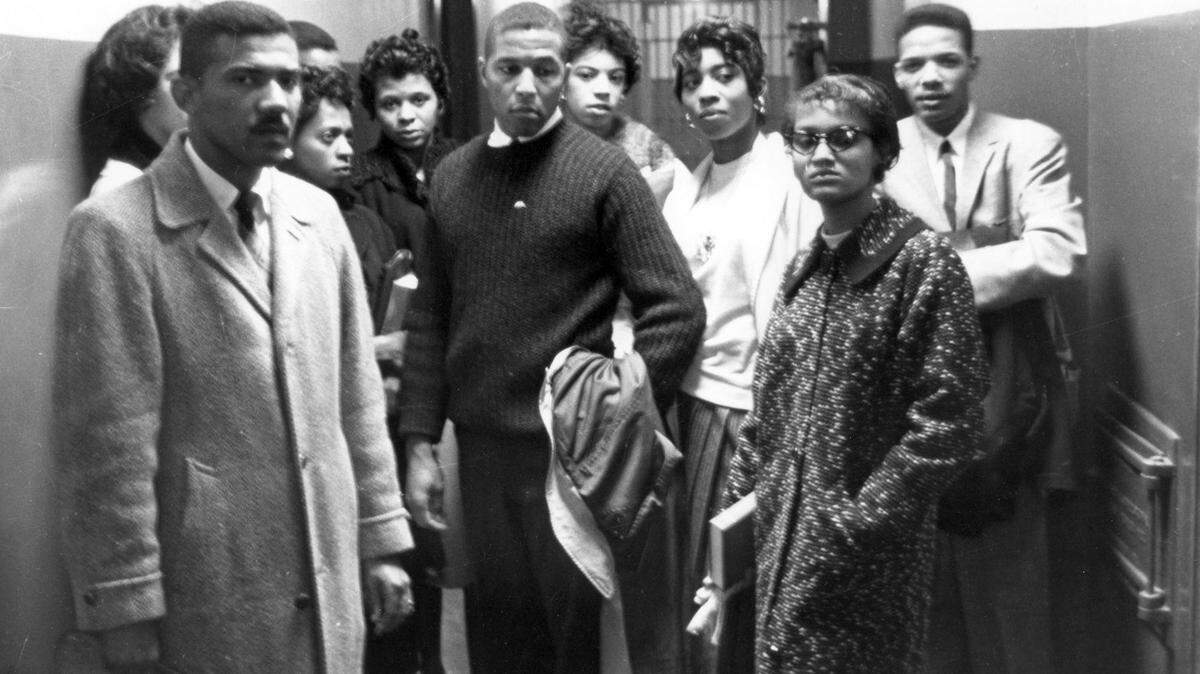
▪ Greensboro 6, Gillespie Golf Course, Greensboro: Where six black golfers were arrested in 1955 for playing on a city-owned course that operated for whites only.
▪ Johnson v. Branch, Enfield: A 1965 class-action lawsuit challenging the widespread practice of firing school teachers in North Carolina for Civil Rights activities.
▪ Halifax County Voters Movement, Enfield: Where a coalition of Black and white residents worked together from 1964 to 1969 on behalf of voting rights and voter registration as well as the desegregation of local businesses.
Steam station sued
▪ Griggs v. Duke, Draper: Where 14 Black employees of the Duke Power Steam Station sued in 1966 over racist employment and promotion practices.
▪ James H. Jones, Northampton County: Jones was chosen president of the PTA of a new separate-and-unequal school for Black children in 1957 and continued to fight through the 1960s as the country defied the federal mandate to integrate schools.
▪ MLK Jr. Speech, Montreat: Where the Civil Rights leader Martin Luther King made an address in August 1965. The event was supposed to be public, but the sheriff, saying he had to protect King’s safety, promised to deny access to anyone without business there.
▪ Hargaves Community Center, Chapel Hill: Opened in the 1940s as a place for Black residents to gather because they weren’t allowed in other places.
▪ Hubert Arthur Eaton, born in Fayetteville in 1916: Eaton will be honored with a marker in Wilmington where he worked to end racial discrimination in schools, sports and health care.
▪ Watts Grill, Chapel Hill: Where Civil Rights advocates protested the owner’s refusal to desegregate even after passage of the 1964 Civil Rights Act.
Improving school conditions
▪ Slade’s Chapel AME Zion Church, Morganton: Home to a group of seven mothers who worked in the early 1960s to improve conditions for Black school students when Burke County officials would not.
▪ Warren Co. Community Center, Warrenton: Launched in 1934 because Black residents at the time were refused access to the public library and the restrooms of downtown businesses.
▪ East Tarboro Citizens League, Tarboro: Started in 1963 to organize Black residents around issues of politics, employment, housing and higher education.
▪ Fayetteville Protests, Fayetteville: Where in 1963 students at Fayetteville State Teachers College began protesting for Civil Rights, eventually drawing in local churches and some soldiers from Fort Bragg.
▪ Magnolia House, Greensboro: A Green Book site that served as a gathering place for Civil Rights activists and a hotel for Black patrons, drawing celebrities including Ruth Brown, Lionel Hampton, Louis Armstrong, James Brown, Miles Davis, Sam Cooke, Duke Ellington’s Band, Ray Charles, Ike and Tina Turner, Count Basie, Otis Redding, Lena Horne, James Baldwin, Satchel Paige and Jackie Robinson.
To learn more about the trail, including how to apply for a marker, go to https://aahc.nc.gov/programs/civil-rights-trail.
This story was originally published February 8, 2023 at 6:00 AM.