
It’s lit: A trip to Raleigh’s top firefly spot, a hidden haven for insect love
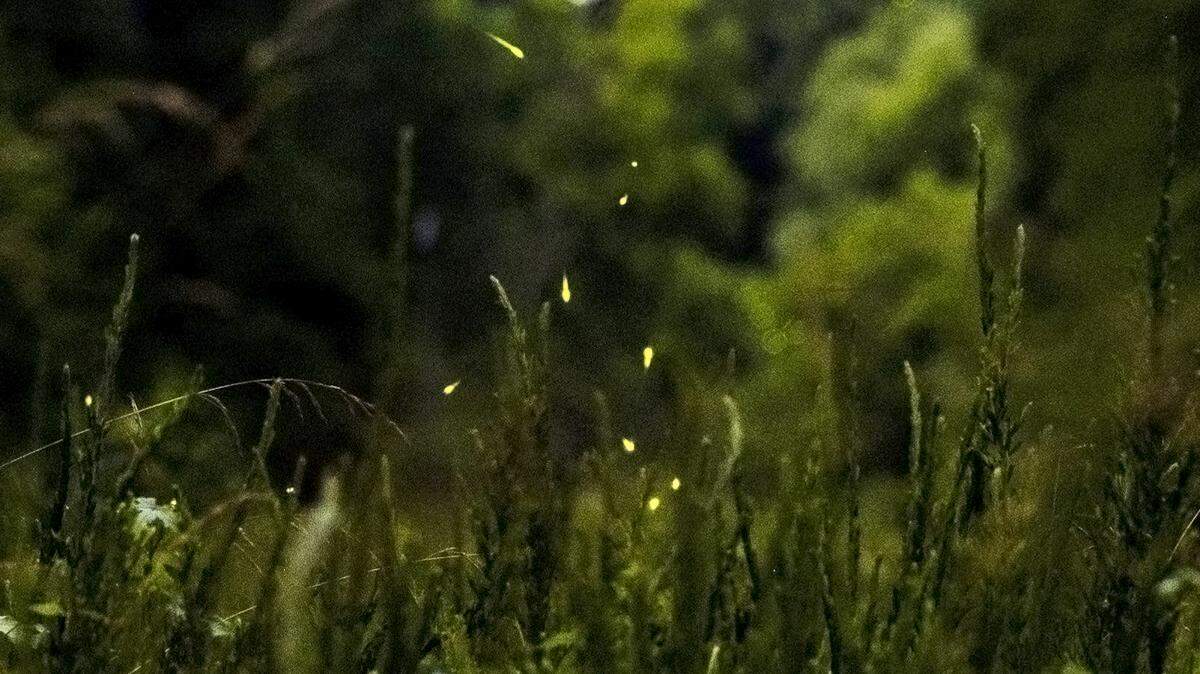
I’m not sure which was more enchanting: the flash of fireflies lighting up the Crabtree Creek woods like paparazzi cameras or the gray-haired scientist with his giant net, explaining how this innocent light show all boiled down to insect sex.
I’d followed a dozen lightning-bug hunters into the darkness of an almost-new moon, walking to a bend in the Crabtree Creek greenway notorious for elateroid beetle hook-ups.
My friend Justin Scranton discovered this spot 10 years ago with his friend Eric Mack, biking home from a Mexican restaurant in the twilight, noticing how the trees along the sewer line easement twinkled with natural Christmas lights — enough to see by.
For years, he’d been dragging friends and family to this secret spot for bug voyeurism, always in late May and early June.
“I’m the weird neighbor who says, ‘The fireflies are blooming!’ “ he said.
The lightning bug expert
But tonight, Scranton brought along a certified lightning bug expert: NC State entomology professor Clyde Sorenson, who came equipped with net and know-how, ready to evaluate Raleigh’s thousand points of insect light.
“It’s pretty impressive,” said the professor as the fireflies flickered. “These woods are supporting 100s of firefly larvae, maybe more.”
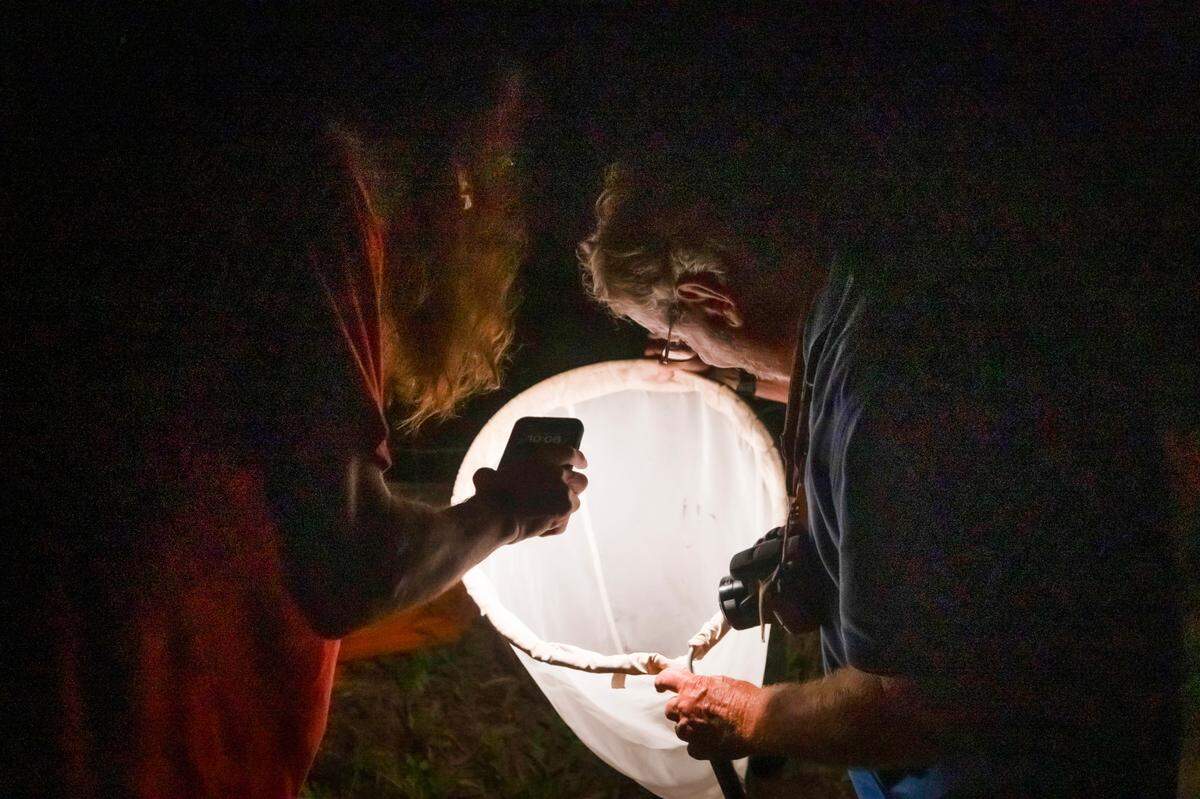
In an hour’s time, I’d not only seen more fireflies in a single field than polka-dots in Minnie Mouse’s wardrobe, I also collected a sack full of lightning bug facts.
Firefly facts for the bug nerds
▪ More than 2,000 species of lightning bugs exists and some of them don’t even give off light.
My son, Sam, brushed this off. “I remember that from ‘Wild Kratts,’” he said.
▪ Fireflies all flash differently. Sorenson can spot them by the flash alone. For example, the photuris frontalis variety flash every other second, and they like to fly around the woods.
But others blink like a Christmas tree display, and others streak through the air like a comet.
▪ Most of the flashing you see comes from the males, who are trying desperately in their two-week adult lifespan to attract the attention of females. That’s especially the case when they synchronize — a phenomenon in near-constant motion in the Crabtree Creek woods.
The females, meanwhile, wait mostly on the ground. If they see a flash they like, they’ll flash back a reciprocal signal.
But here’s the most fun of the fun facts: Some females will deliberately mimic the male fireflies’ flashing.
So they can eat them.
“We call those the Femme Fatales,” said Sorenson, with a chuckle. “There’s cool stuff going on out here.”
Disappearing from NC
That cool stuff, sadly, is threatened.
Sorenson told PBC North Carolina last year that development, pesticides and light pollution all threaten lightning bug habitat — the last one because the bugs need darkness to talk.
So I’ll take some comfort that Raleigh still offers a place where fireflies can relax and mingle before mating and dying, and I’ll hope we have sense enough to keep their magic around.
So, to all winged friends with a glowing abdomen, come often, stay late and hit the lights when you leave.
Email me with your answer
In the interest of keeping crowds low, I’ll disclose the exact location of Raleigh’s lit-up insect retreat to anyone who can tell me the name of the cartoon firefly who cautioned children to stay away from power lines. Email me at jshaffer@newsobserver.com.