Arrests of Triangle immigrants give early clues to Trump’s deportation plans in NC
After federal officers took three men into custody in Durham’s Northgate neighborhood on Feb. 13, reports about an Immigration and Customs Enforcement operation spread across the city and state.
Many assumed ICE officers had detained the men, but that wasn’t the case. It was the U.S. Customs and Border Protection officers, who are typically associated with patrolling border areas.
Wearing masks and protective vests, the officers took into custody two men from India leaving for work and a third shortly afterward, neighbors said. The men were among 11 detained by Customs and Border Protection in Durham that day in a targeted operation, a federal spokesperson said.
On Feb. 8 in Raleigh, ICE arrested a suspected member of the Venezuelan gang Tren de Aragua suspected in a mass shooting in Chicago, according to a news release. Ten other Venezuelan nationals were also taken into custody, the agency said.
That operation, which included ICE, Customs and Border Protection and the U.S. Marshals Service, was the first announced enforcement action in the Triangle during the second Trump administration.
Federal agencies released limited information after the events, with the names of most of those taken into custody not disclosed.
But what occurred offers some clues to how the Trump administration’s promised removal of millions of people nationwide lacking legal immigration status may roll out in North Carolina. For one, not just ICE will be involved.
Federal law enforcement leading
The Durham operation became public only because neighbors trained to respond to immigration enforcement notified Siembra NC, the group that trained them, after seeing unfamiliar SUVs in their neighborhood.
One neighbor filmed officers guiding one of the men, who was in handcuffs, down a driveway into a vehicle. Siembra NC, an immigrant advocacy organization, sent out a news release and organized a press conference that afternoon.
Local officials, including the mayor, the Durham County Sheriff’s Office and Durham police, weren’t aware or involved, they told The News & Observer.
But actions against people who federal officials say lack legal immigration status have been expected here. The American Immigration Council estimates that more than 11 million undocumented immigrants live in the United States, including 314,000 in North Carolina.
Since Trump started his second term as president, his administration has directed multiple federal agencies, from the Federal Bureau of Prisons to the Internal Revenue Service, to help with his promised mass deportations.
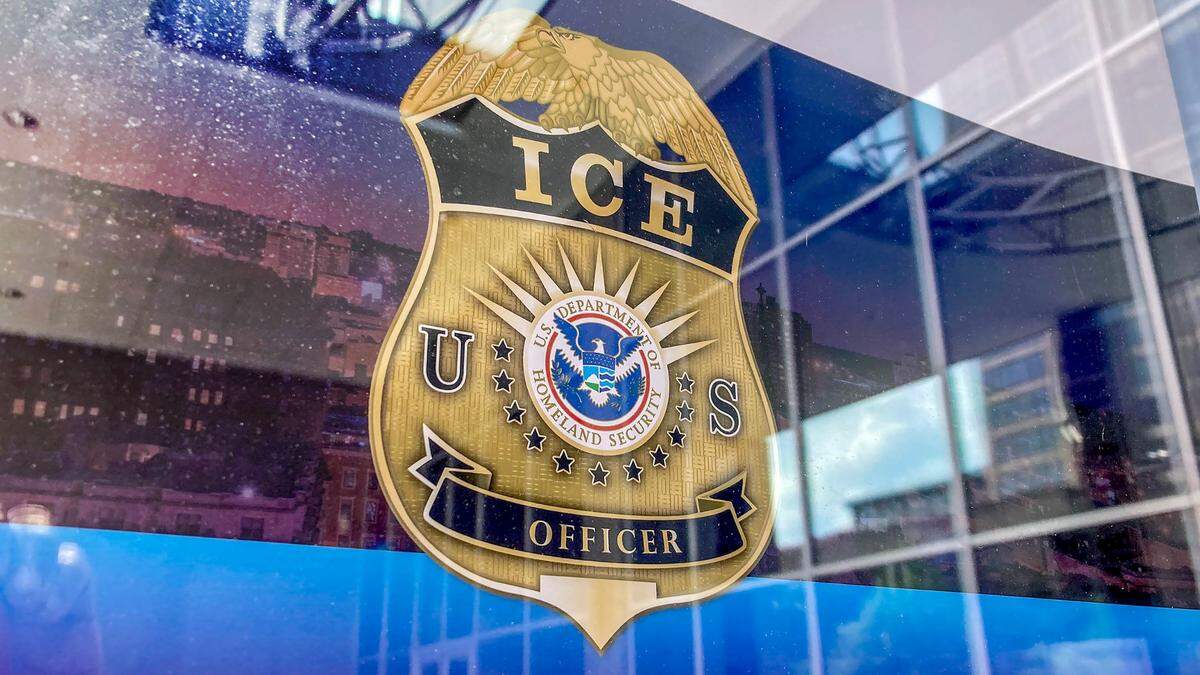
ICE typically leads efforts to arrest, detain and remove people who violated immigration laws in the interior of the United States.
Customs and Border Protection typically focuses on ports of entry, including borders, ports and international airports, detaining people entering without authorization, according to the Migration Policy Institute.
But it now has an expanded role in targeted efforts, along with other agencies, said Atlanta-based ICE spokesperson Lindsay Williams.
What are the rules?
ICE can arrest people in the country illegally, if they have probable cause that the person may be deportable and likely to escape, according to the Migration Policy Institute.
Border Patrol officers can operate within 100 miles of U.S. borders, said Williams, the ICE spokesperson. Borders include all venues for entry into the United States, including the coast and international airports, he said.
ICE and CBP’s power to enforce immigration law is limited by constitutional rights, including the Fourth Amendment, the right to be free from unreasonable searches and seizures of persons or objects, according to the National Immigration Law Center.
ICE officers, for example, don’t need a warrant to operate in public spaces, but do need consent from an individual or a federal warrant signed by a judge to enter private spaces such as homes, according to the institute.
Federal officials have also detained people during their immigration check-in appointments in Charlotte, according to Siembra NC.
Immigration officers need a “reasonable suspicion,” which is less than probable cause, but more than a hunch or a gut feeling, according to the American Civil Liberties Union. The agent must have specific facts “that makes it reasonable to believe” someone is breaking immigration or federal law.
U.S. citizens aren’t required to carry proof of citizenship, but people over the age of 16 with valid immigration documents are required to carry those documents, according to the ACLU.
The ACLU advises that people without the documents can decline an officer’s request to see them but should not provide false information.
People who are unable to produce documentation, may be arrested, however. Individuals who can’t prove they have been in the United States for two years, may be subject to an expedited removal process under one of Trump’s new policies, according to interviews and research.
Attorney to clients: Be prepared
Regardless of their immigration status, people still have legal rights under the U.S. Constitution, including the right to remain silent and to request an attorney, Risha Oza, a Durham immigration attorney, told The N&O
Federal agents can’t enter a home without an occupant’s consent, probable cause or a warrant signed by a judge, according to interviews and research. That said, they can wait outside to approach people, Oza said.
Oza tells clients to carry paperwork that demonstrates how long they have been in the country.
Documents such as bank statements, kids’ birth certificates and insurance paperwork that proves they have been in the country for over two years, could divert them from deportation to a process that includes a hearing before a judge and an attorney.
Take pictures of the documents, and make copies and put them in the glove compartment, Oza said.
People who are in the country illegally should have a plan, including a point of contact and someone who will take care of family members left behind, Oza stressed.
They should also talk to an attorney, even if to establish a relationship in case of future detainment.
“It’s a whole lot easier figuring all that stuff out when someone’s sitting across the table from me than trying to find it once they get arrested,” Oza said.
Historically, people apprehended in the Triangle typically have been taken to the Alamance County Detention Center, Oza said. Alamance Sheriff Terry Johnson confirmed the jail does house people in the process of removal, saying most of the individuals he has seen detained have criminal charges.
The most federal detainees they have housed is about 30, but it’s generally around five. As of Feb. 20, they were housing 12, he said.
At this stage, immigration officials decide whether they are going to give the person a bond and release them. If not, the person will be transferred to a federal out-of-state facility, often in Georgia, Oza said.
Williams, the ICE spokesperson, said he could not provide the names of all the people detained in Durham and Raleigh in February, citing unspecified privacy laws.
If provided a name and date of birth, he could investigate and share the person’s criminal and immigration history, he said.
Siembra and neighbors of those detained in Durham have declined to provide the names of those arrested there, saying they are concerned about the men’s families.
Virginia Bridges covers criminal justice in the Triangle and across North Carolina for The News & Observer. Her work is produced with financial support from the nonprofit The Just Trust. The N&O maintains full editorial control of its journalism.
This story was originally published February 21, 2025 at 5:30 AM.