
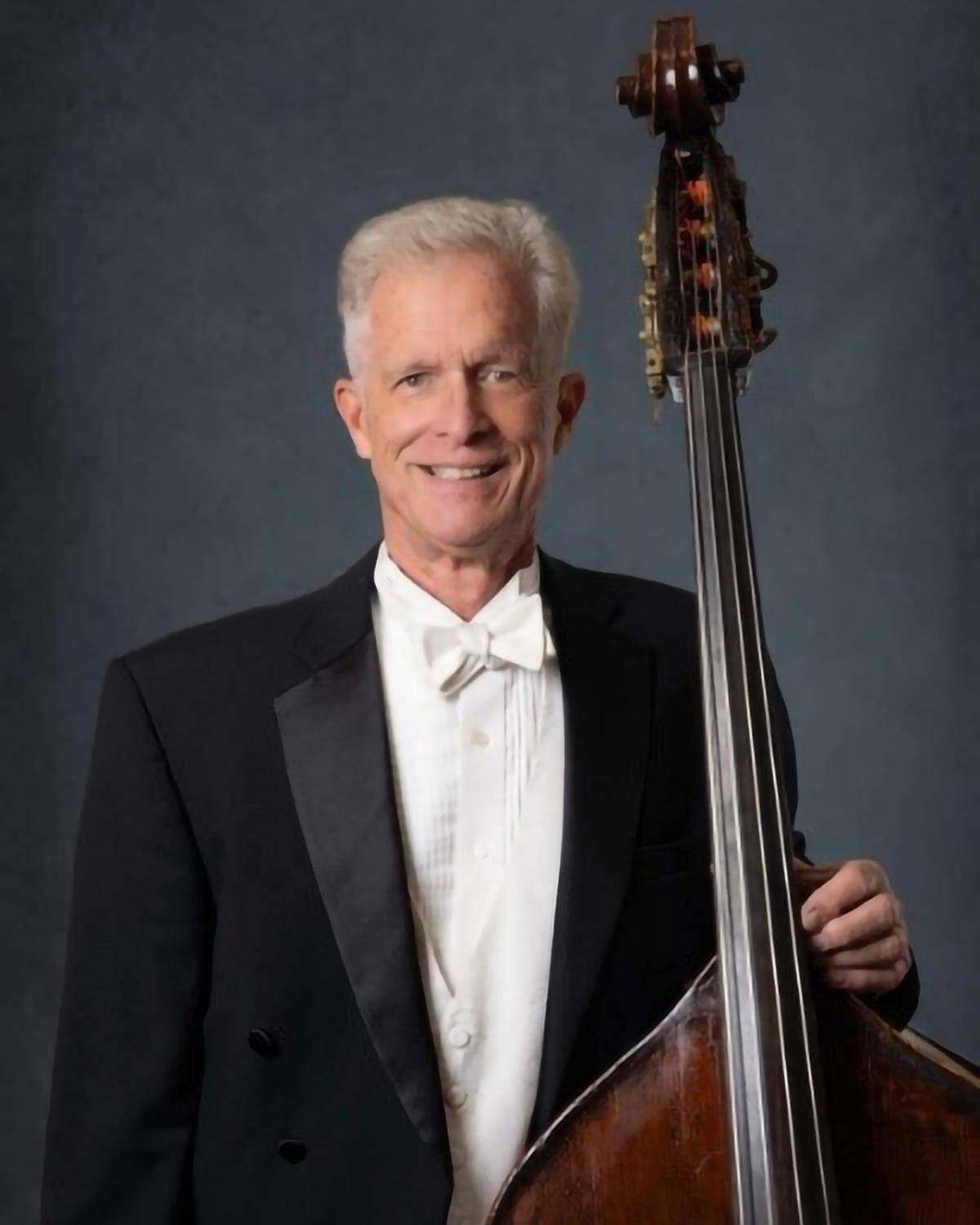
Farewell to Erik Dyke, bassist with the NC Symphony, tireless ambassador for music
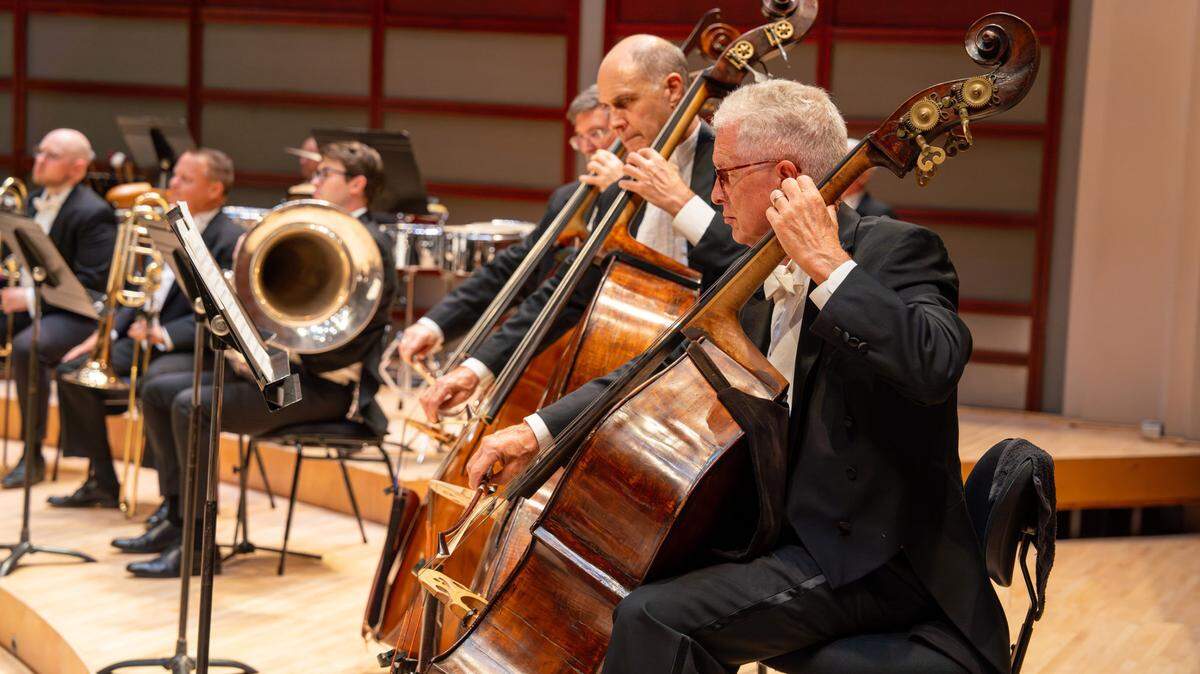
To understand the joyful life that Erik Dyke led, consider his commute to work at the NC Symphony — a chore he performed by bicycle, zipping through downtown Raleigh with his beloved, 20-pound double bass strapped to his back.
For almost 50 years, Dyke served as the symphony’s most enthusiastic ambassador, stepping into the lobby during intermissions with his big bass in tow, fielding questions about its age, its size and how much fun it provided on the low end of a Brahms sonata.
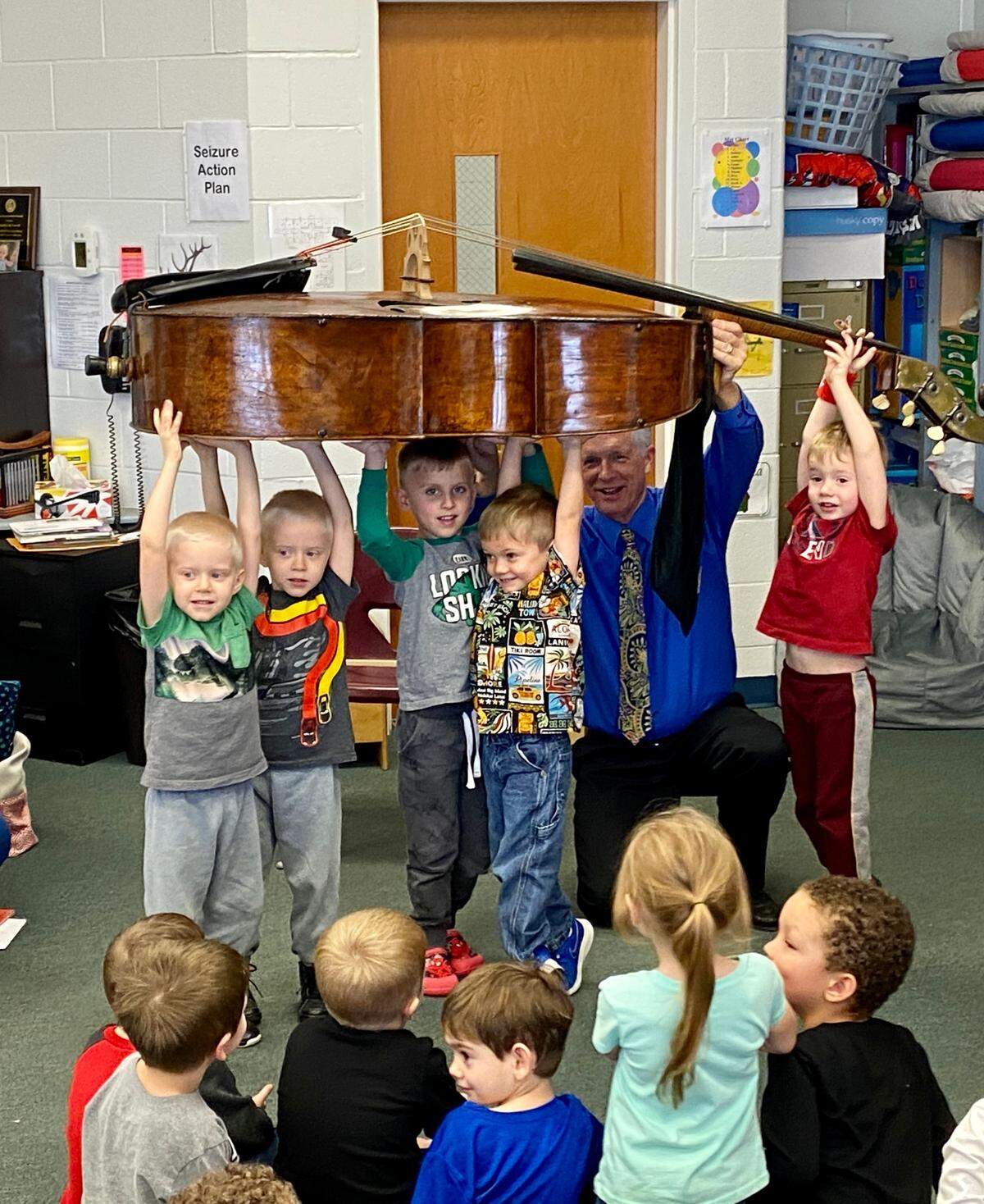
He traveled to the state’s farthest corners — a public library in Clay County, a classroom on Hatteras Island — as the state’s official envoy for classical music, holding up his bass so a cluster of third-graders could hide under it, helping a kindergartner draw the bow across the strings of a violin.
And when he died this month at 69, after a bike accident likely triggered by a stroke, he left a statewide audience with a head full of music and the vain wish for an encore.
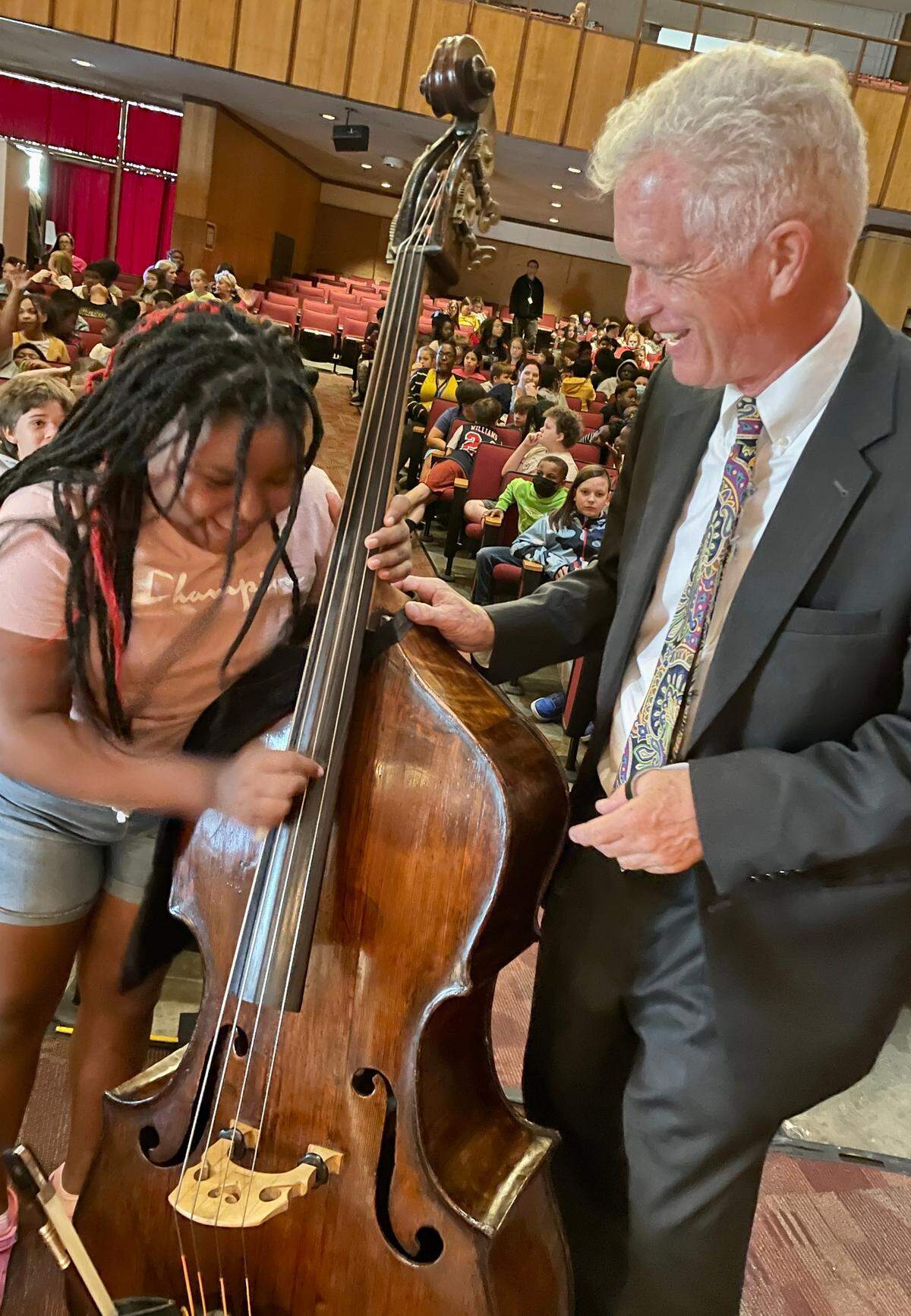
“He had more energy than anyone I’ve ever known in my life,” said Bruce Ridge, fellow symphony bassist who often shared a music stand with Dyke. “You go to a grocery store and he’s talking to everyone in the grocery store. You go to breakfast in a diner and he’s engaging the wait staff. ‘What’s your name?’ He wanted to know everyone’s name.”
“With bass players,” Ridge continued, “You don’t want to be the star. You’re the foundation. You know that’s what you want to be a part of. To some extent, all bass players are that way. But Erik had a little extra star quality.”
A secret ZZ Top fan
Born in Michigan, Dyke took to the life of a band nerd with characteristic fervor.
In a Facebook tribute last week, childhood friend Chris Steeb Koning recalled, “I’ll never forget how annoyed you were that I earned a higher chair in All-City Orchestra, even though I just recently started playing cello.”
Dyke did everything all-out, whether it was practicing an obscure etude, collecting model trains or his longtime membership at Unitarian Universalist Fellowship of Raleigh, where he did seemingly every job from playing electric bass on hymns to mowing the grass.
And yet in spite of his intensity, he kept a childlike outlook that was contagious and impossible not to appreciate.
Ridge recalls that Dyke was constantly tinkering with a repertoire some might consider lowbrow for a classical bassist, and he would gush over Dusty Hill’s bass parts in ZZ Top songs or the surf guitar stylings of The Ventures.
“We’d be out getting ready to play a Tchaikovsky symphony,” he said, “and seconds before the concert starts Erik would turn to me and say, ‘I’ve been listening to Conway Twitty.’“
Six years ago, he filmed a YouTube video raving about Beethoven’s famous Symphony No. 5, an appreciation free from terms like triplet arpeggio or subdominant key.
“I love the opening because it sets a mood of anticipation, excitement,” he says. “We just don’t know what’s going to happen. But we do know, it’s going to build in its excitement to the very end in the finale.”
“Beethoven was going deaf at the same time he was realizing he was meant to be a composer,” he continues, “so we know he was not able to hear the music that he wrote, but he could hear it in his head. That’s what makes it so absolutely fantastic.”
Mozart, Mahler and Dyke
Over the weekend, the symphony dedicated its “Mozart & Mahler” concerts to Dyke, placing a rare bouquet of flowers on the stage where he should have been playing.
His bass sat packed away, but Dyke hovered throughout the hall, a part of every note drawn from every string.