Your Triangle home may be in a flood plain. How to check your flood risk
AI-generated summary reviewed by our newsroom.
- Flood insurance is separate from homeowners coverage and often required in high-risk zones.
- North Carolina is aiming for 2028 completion of its flood study updates for the state.
- Residents can assess flood risk via NC's FRIS site or FEMA’s national flood map tool.
Heather Jacobson’s Durham property had flooded before the remnants of Tropical Storm Chantal brought heavy rainfall to the region.
But the July storms resulted in the worst flooding she has experienced since she moved to the Rippling Stream Townhomes in 2013, she told The News & Observer in July.
Rains from Hurricane Florence in 2018 damaged her fence. But rains from Chantal flooded her detached garage and the laundry room and crawl space of her home.
When she moved there, her property was surveyed because it was so close to the Eno River. Someone — she doesn’t remember who — told her that she didn’t need flood insurance because her garage and house are each more than a dozen feet above the base flood elevation, the level to which waters would rise in a 100-year flood.
Flood damage is not typically covered by homeowners insurance. For that, flood insurance is needed. And for some properties, including those in high-risk flood areas, flood insurance is required.
Parts of Jacobson’s property have a high risk of flooding. The North Carolina Flood Risk Information System, which maps flood plains, shows that her detached garage would be inundated in a 100-year flood — meaning there’s a 1% chance of flooding any given year.
Even with the recent flooding, Jacobson said she isn’t sold on purchasing flood insurance because it costs more than paying for repairs caused by flooding.
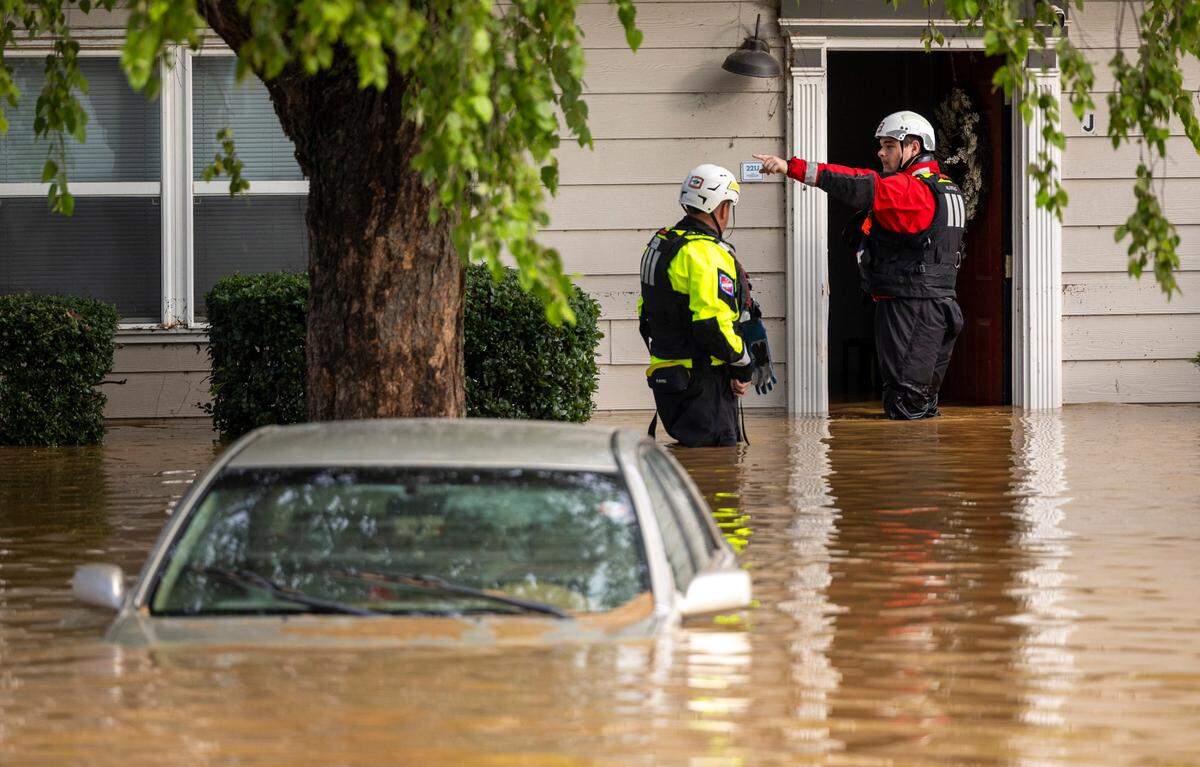
Is flooding getting worse in NC?
Statistics that predict how often powerful storms should occur in a given area are probably not correct anymore, said Bill Hunt, a William Neal Reynolds distinguished professor and extension specialist at NC State University.
In the past decade, flooding in the U.S. has been 3.7 times more likely and 13.6 times more costly compared to the 1980s, according to a July report from First Street, an organization that assesses climate change-related property risks.
“Act of God” storms, which refer to storms so big they’re almost unimaginable, are hitting North Carolina more often, Hunt said. There have been three of them, including Florence and Helene, since 2016.
“Once you’ve gotten 24 inches in one storm, and then two years later you get 30 inches, how eye-popping is it anymore?” Hunt said.
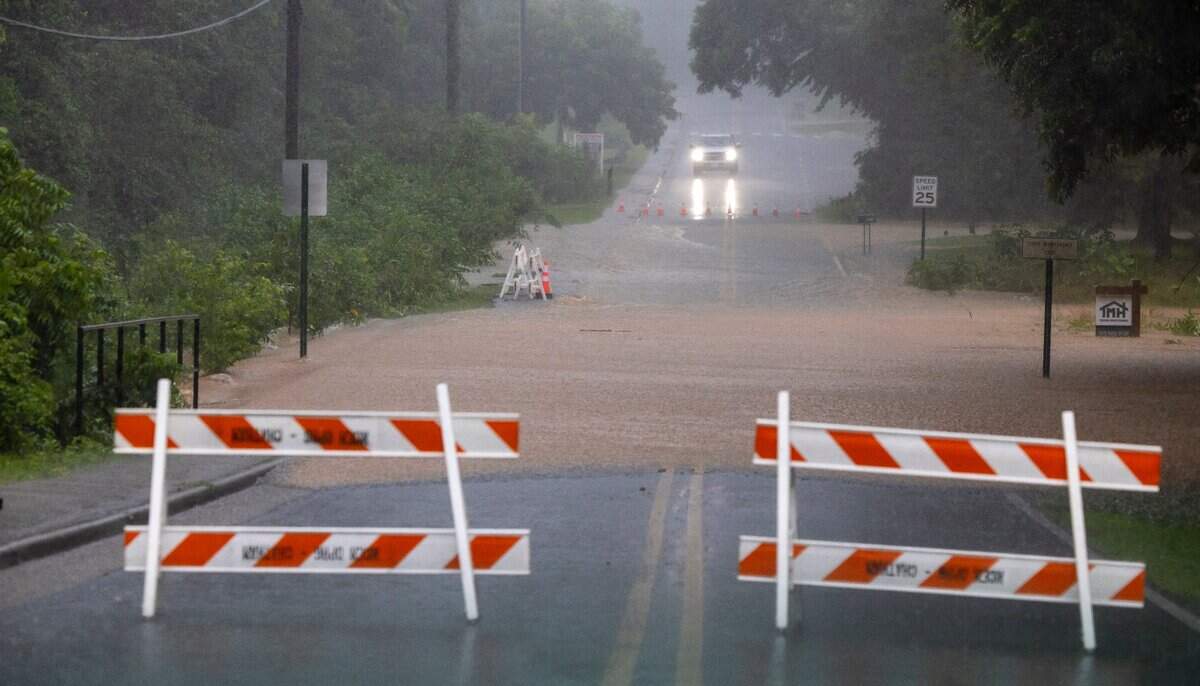
How to know if you live in a flood zone
North Carolina’s Flood Risk Information System, available online at fris.nc.gov, provides information on flood plains, flood hazard data and risk assessments.
State residents can search their property to find whether it’s in a flood zone, when the map for their property was last updated and their flood risk. Flood zones AE, AO, AH, A, VE and V have a 26% chance of flooding over the life of a 30-year mortgage.
To check the flood risk of locations throughout the U.S., search them on the Federal Emergency Management Agency’s Map Service Center, msc.fema.gov.
Residents should not just consider proximity to a flood plain when thinking about their flood risk, Hunt said. The difference in elevation between a key point of a property — for example, a home’s foundation — and the floodplain is also important.
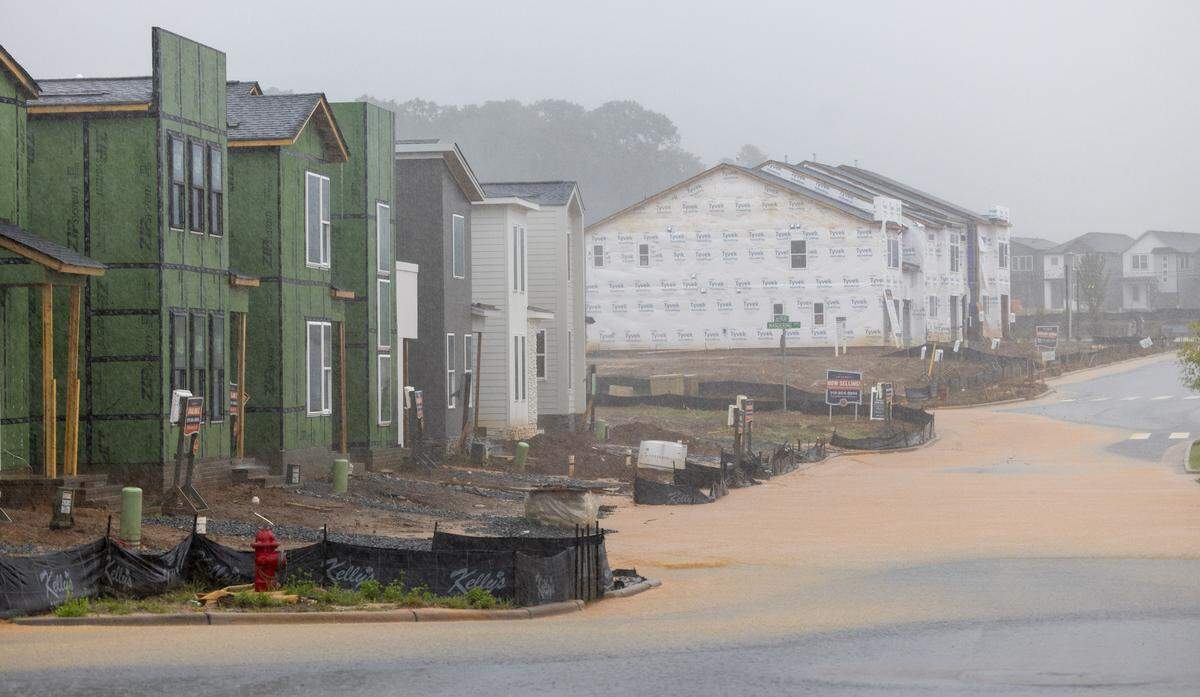
Can flood maps change?
Flood maps can be, and are, updated. Just because your home wasn’t in a flood plain 30 years ago doesn’t mean it isn’t in one now.
Also, researchers at UNC-Chapel Hill found that not all places that flood are within FEMA-designated high-risk flood zones.
North Carolina has been doing its own regulatory flood study updates since 2000, when it became a cooperating technical partner with FEMA.
How often North Carolina’s flood map is updated depends on local, state and federal funding, North Carolina Emergency Management told The News & Observer in an email. But the State of North Carolina and NC Emergency Management’s Floodplain Mapping Program is working on flood study updates for the whole state, the second time since 2000.
The update process includes steps such as discovery, analysis and mapping, preliminary flood map release, legal due process and map adoption. Communities can comment on the maps, which aren’t considered officially updated until communities adopt them in their flood damage prevention ordinance.
The completion of the flood risk project depends on community adoption, but the North Carolina Flood Mapping Program expects the updates for the last group of counties to be effective in 2028.
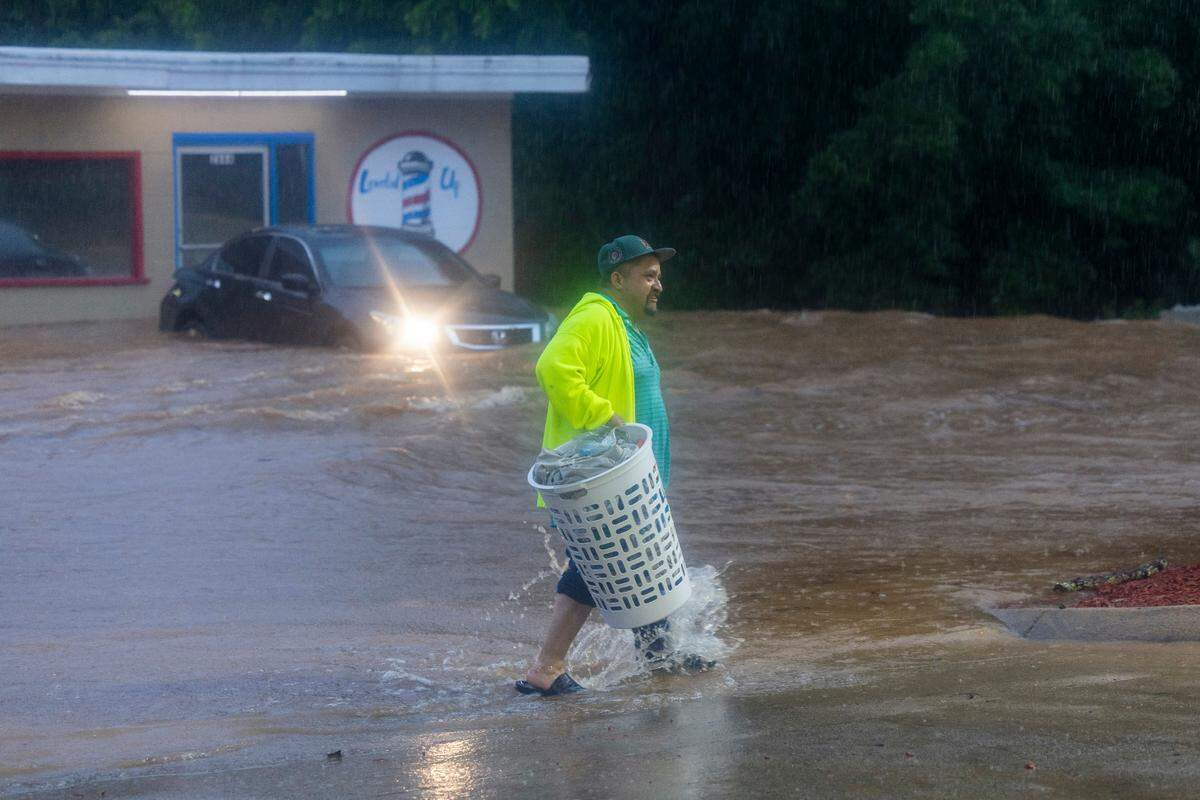
How to request a flood map update
FEMA has to review and update flood maps “periodically,” the agency told The N&O in an email. The goal for reviewing and updating is every five years, but there is no set timeframe.
According to FEMA, several factors can prompt a map change:
- Big changes in land use or development
- Hydrological data analyzing rainfall, streamflow and watershed characteristics
- Hydraulic data modeling how water flows through channels and floodplains
- Topographical changes due to events such as erosion or sediment deposition
- Technology and modeling technique improvements
- Requests from communities or other stakeholders
Individuals can request a map update through a Letter of Map Change. Request map changes online at fema.gov.
FEMA said it tries to alert people when map updates affect them through public meetings, notices in local media and mailings. However, people are still encouraged to check flood maps occasionally.
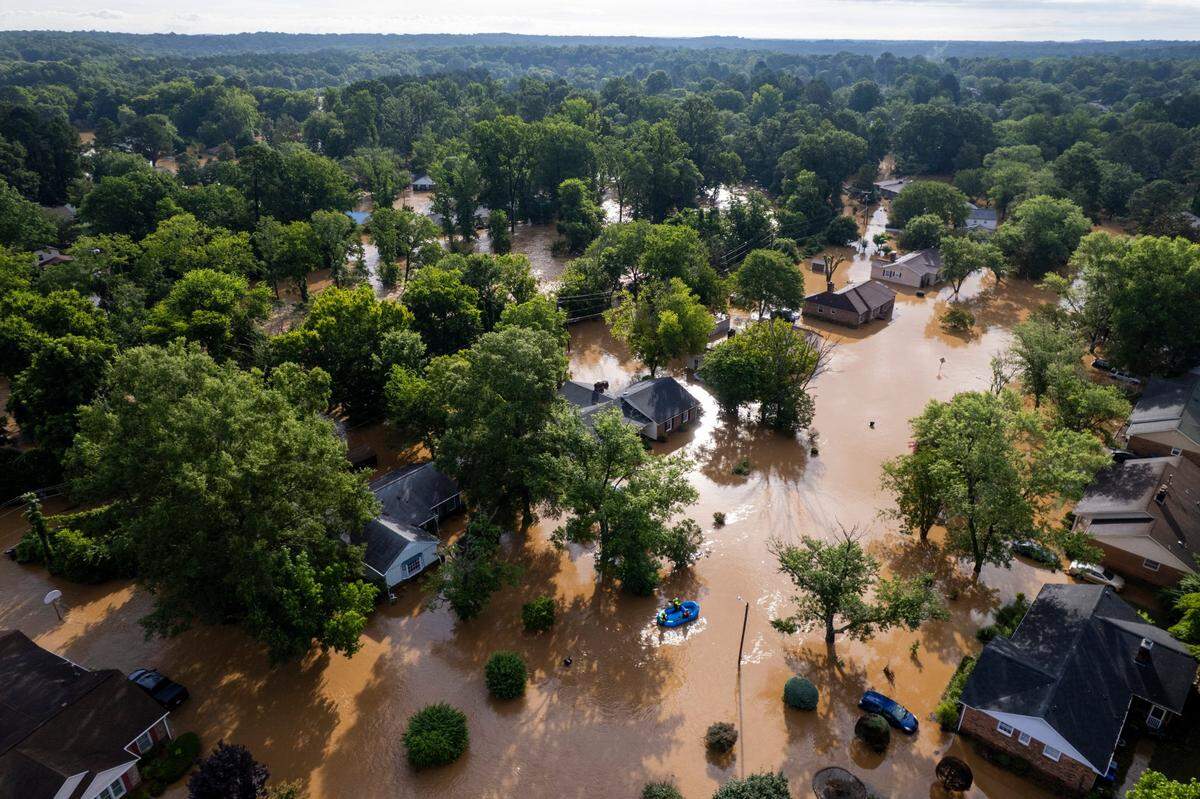
How to prepare for a flood
North Carolina Emergency Management recommends steps to prepare for a flood:
- Have an emergency kit, which should include items such as water, food, medicine and important documents for your household.
- Make a family communications plan.
- Avoid building in a floodplain unless the structure is raised and supported.
- In high flood risk areas, raise the furnace, water heater and electric panel.
- Consider adding “check valves” to stop flood water from backing up into drains.
- Build barriers to prevent floodwater from coming inside.
- Seal basement walls with waterproofing compounds.
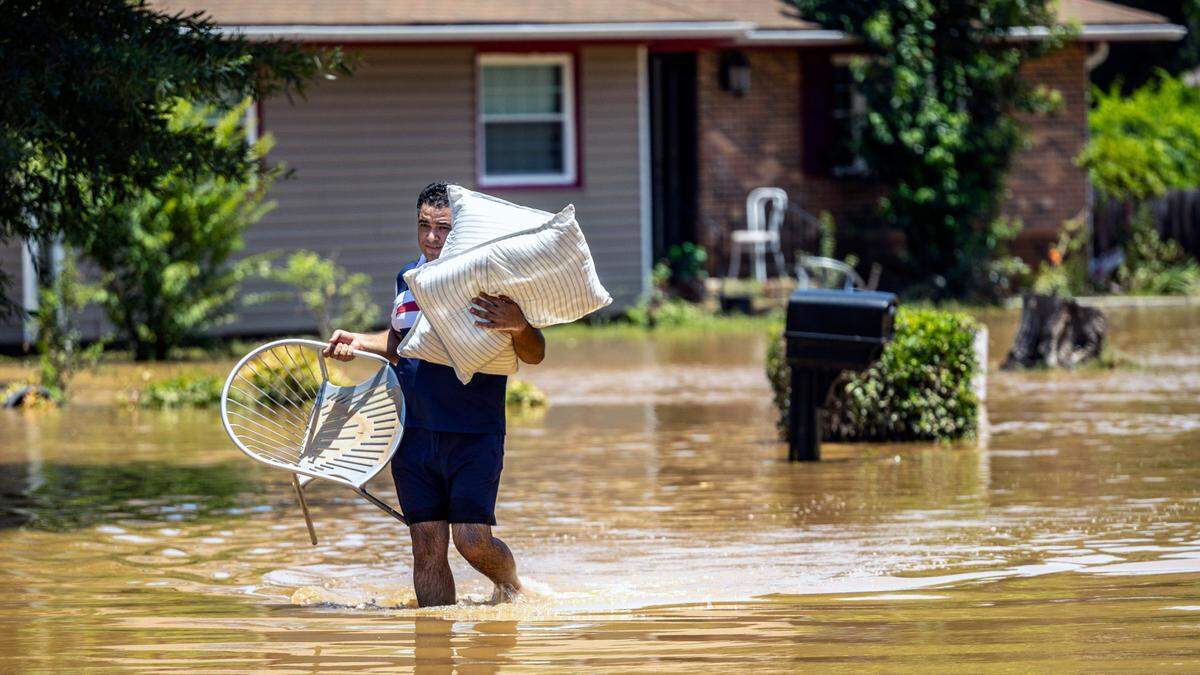
North Carolina residents can also sign up for flood alerts through the Flood Inundation Mapping & Alert Network at fiman.nc.gov.
How to get flood insurance
The National Flood Insurance Program, managed by the Federal Emergency Management Agency, provides flood insurance to property owners, businesses and renters through a network of dozens of insurance companies.
Anyone living in a NFIP community is eligible for flood insurance, and homes and businesses in high-risk flood areas with mortgages from government-backed lenders must have flood insurance.
In Durham, customers can get a 15% discount on NFIP flood insurance for buildings in a Special Flood Hazard Area. However, buildings that are not in one of those flood hazard areas may also be eligible for NFIP insurance, city communications analyst Nacarla Webb said in an email.
Homeowners can also purchase flood insurance through a third party, if they are not eligible for NFIP insurance.
This story was originally published September 4, 2025 at 11:48 AM.