
He drove drunk and killed 6 in Raleigh. Now, he educates about addiction to honor victims
AI-generated summary reviewed by our newsroom.
- Larry Robert Veeder killed 6 people in 2003 while driving drunk in Raleigh
- The victims were good Samaritans who had gathered to help after a previous crash
- Veeder served his prison sentence and left with a mission: to prevent future tragedies
(Editor’s note: The Democrat & Chronicle newspaper in Rochester, New York, is sharing this story with The News & Observer.)
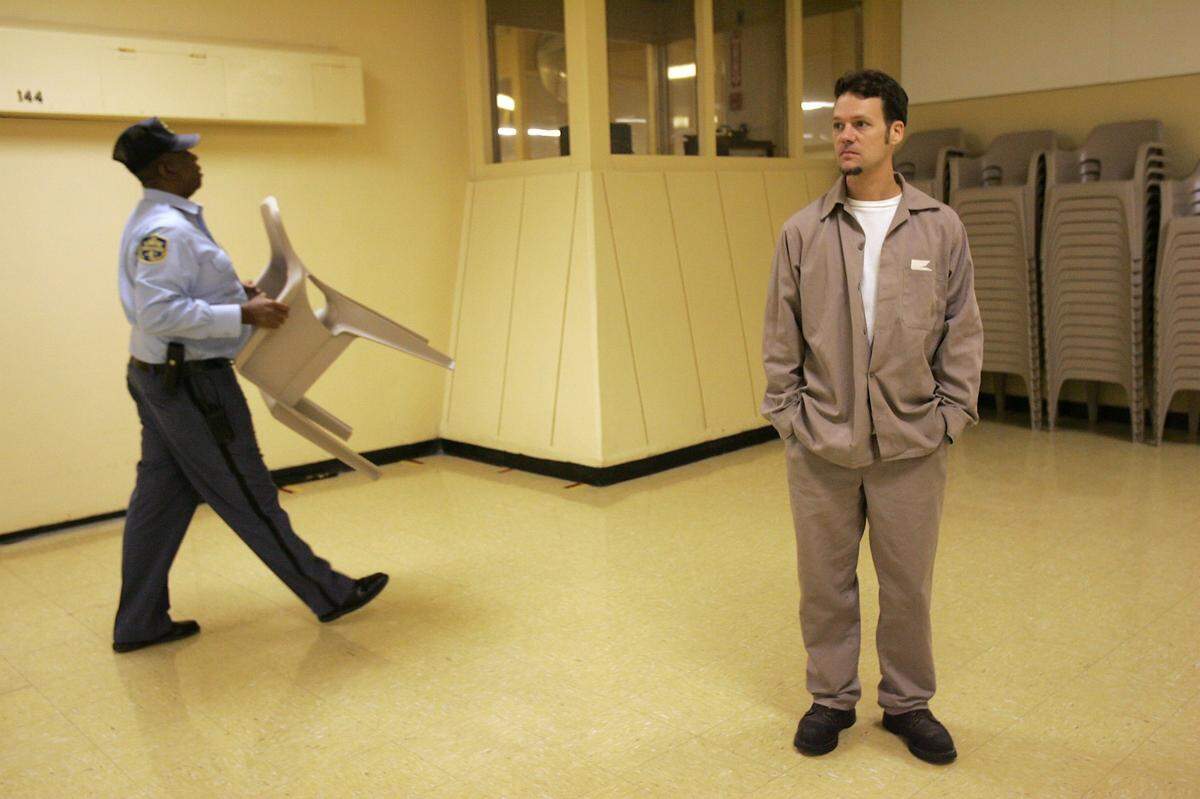
It’s when morning comes, after a restless night cocooned on a two-inch foam pad upon a concrete floor, that Larry Robert Veeder realizes his paralyzing sadness likely saved him from a jailhouse beating.
A man only feet from him on the floor was pummeled during the night. Veeder knew the beating was coming when he heard tennis shoes squeaking across the floor.
Veeder tried to shut out the sobs and wails, to escape into the mental closet he’d constructed during his days of solitary suicide watch, but the man’s agony was too profound, and simply too damn loud to ignore.
Veeder pretended to sleep, wondering if he would be next. He was well known by his fellow incarcerated men; his face had been on TV in North Carolina for days, as had the faces of the six people he’d killed.
When he’d first entered the cavernous room of the general prison population, with its cots and mattresses for dozens of inmates shoehorned into the space, the room had gone silent, much as when a sheriff entered a saloon in an old-fashioned western, he would later say. These men recognized him.
In the hours after his arrival, he did what he’d done for days in his isolated suicide-watch cell: He cried. And he cried some more. And he cried some more.
The other inmates, some of them killers, some of them thieves, recognized this pain and felt sorry for Veeder. They then made up their minds: They would not beat him. They would let him be.
Years later and hundreds of miles away, a cautionary tale
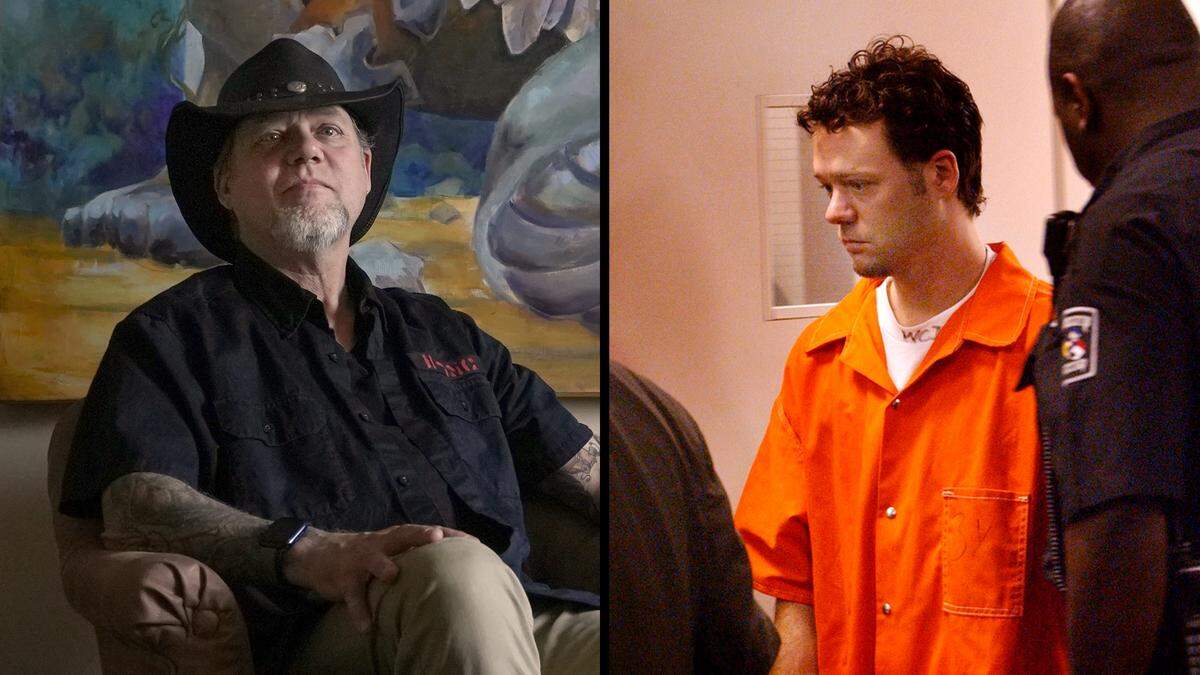
Robert Veeder stands before the high school students in the health class at Penfield High School — near Rochester, New York — warning them of the dangers of drugs and alcohol.
Many are attentive; a few are not. These are high school students, after all. He pulls out his harmonica for a tune; Veeder plays multiple instruments ― piano, harmonica, banjo. In prison he was part of a five-piece inmate band that played hymns at prison church services and, on a good day, at administrative events where they could relish the better choices of food.
.jpg "83898680007-sd-032624-dwi-2 (1).jpg")
Veeder has lived in the Rochester region since 2012, months after his release from prison in North Carolina. He tells the students of prison life, of the suffocating pain he felt about his crimes and the hurt he felt for his victims.
His story turns to the day in Raleigh in 2003 that changed his life and the lives of dozens of others. Some of the students, less attentive to this point, sit forward in their seats.
“It’s as if the air leaves the room,” said M. Norlund, a counselor and therapist in Rochester who sometimes joins Veeder at presentations. “You can feel everybody stop breathing.”
A fateful fall night in Raleigh in 2003
Christopher Clemons heard the crash from his home, hundreds of feet from the intersection of Nowell Road and N.C. 54 in West Raleigh, not far from the State Fairgrounds.
This was not the first time he’d heard the squeal of brakes and the collision that followed. The intersection was known for years as a magnet for automobile accidents.
It was Nov. 1, 2003, and Clemons’ 42nd birthday. He had family and friends visiting and he’d been shepherding the grill. But he reacted as he always did when he heard the noises and screeching and scraping of metal; he grabbed his bicycle and pedaled to the intersection to see if he could help.
.JPEG "WRECK4.NE.110103.TEL.JPG (1).JPEG")
Earlier, an N.C. State-Virginia football game had ended with future NFL quarterback Philip Rivers throwing for 410 yards in a win for his Wolfpack. Raleigh highways and byways clogged as the crowd of 53,000 drifted from Carter-Finley Stadium.
As the sun dropped, the light significantly dimmed at the Nowell and N.C. 54 intersection. The presence of streetlights ended shortly before the roads connected. A stoplight was planned for the intersection, but had yet to be installed.
About 8:40 p.m., a Chevrolet Blazer made a right turn at a stop sign, turning from Nowell onto N.C. 54. Another SUV, coming on the highway with the right-of-way, slammed into the Blazer. Police would later decide that the Blazer had run the stop sign, as so many had before.
Approaching cars stopped, the drivers and passengers fearing injuries at the crash scene they’d encountered. People scurried to help; some called 911. Emergency vehicles were en route moments later. At that point there were no fatalities.
That was about to change.
A day of drinking and a very bad decision
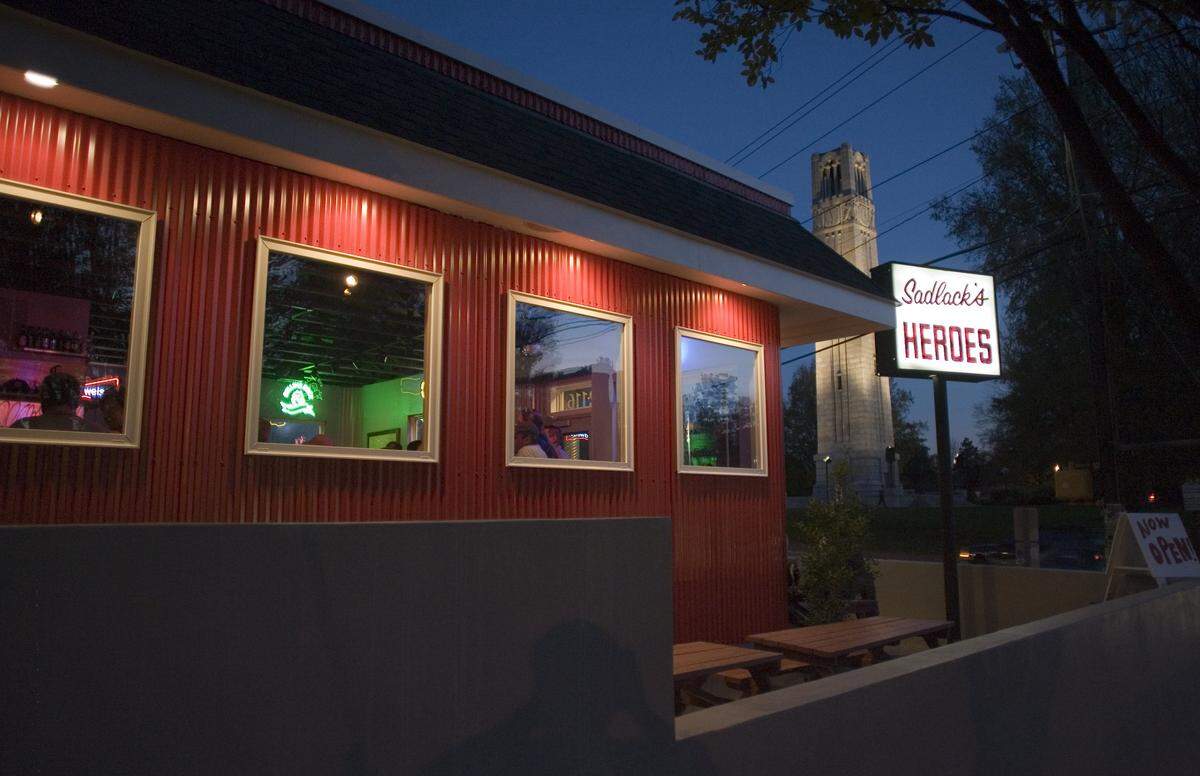
Minutes before the crash happened, Veeder was leaving a bar four miles away. His drinking had started that afternoon, more opportunistic than planned. Earlier that day, he’d gone to his favorite dive bar, Sadlack’s Heroes. There, college students and locals merged and roots music was king. Singer-songwriter Ryan Adams even once worked there as a cook.
Veeder, who’d been at a Halloween event the night before, ordered a coffee. No coffee had been made, so he settled for a beer. That would be the first of many for the day, along with occasional shots of alcohol.
Times had been tough for Veeder. A long relationship with a woman he’d expected to marry had come to an end. They even once had gone to city hall to get marriage papers completed, found a long line and decided to head for a nearby bar instead.
He’d cobbled together income from jobs ― construction, tiling, even magic and juggling performances for children as he dressed as a clown named Blinker. He spent too much of what he earned on drugs and booze.
Veeder — who went by Larry Veeder at the time — was well known to the barstool regulars in Raleigh. He was a man who seemed slightly wounded but with an overflowing heart that sought to help others, even if to his own detriment.
“Blinker the clown, the chimney sweep, the savior of injured birds, abandoned dogs, the homeless,” Raleigh’s alternative newspaper, Indy Week, wrote of him in 2003. “He would take them all in at his expense. Sometimes stuff got gone ― money, possessions. ‘They needed it more than I did,’ he’d say, and never call the cops.”
About 8:30 p.m., Veeder left his third bar of the day and headed for his van. He often barhopped so the bartenders would be unaware of how much he’d had to drink. It also provided him with a false sense of sobriety, a sign that he was not drunk because he could make the trek from bar to bar.
He had choices of two routes home. He decided against one through a residential stretch because there was a greater possibility of cops there. Instead, he chose N.C. 54, a typically quieter option with less likelihood of law enforcement and very few turns.
The intersection of N.C. 54 and Nowell Road was only three miles from Veeder’s apartment.
He saw the accident scene ahead, with people in the road, and it registered, to a degree. (He braked, he would later say, but too late.)
He plowed through the crowd, people who would be dubbed the “good Samaritans” in news coverage because they were trying to help others. His speed was over 40 mph when he hit them.
Five people died there; Christopher Clemons died on the way to the hospital. Two others were injured. One would have 15 surgeries to repair his shattered bones.
‘Carrying the weight of all these lives that were lost’
Within days, Veeder told his lawyer that he would plead guilty to whatever the criminal charges and he would agree to whatever the punishment. Jeff Cruden, the prosecutor in Veeder’s criminal case, was unaccustomed to such a quick resolution.
Cruden, who now heads a district attorney’s office in coastal North Carolina counties, prosecuted vehicular felony deaths for 18 years in Wake County. “I had a philosophy about these kinds of cases,” he said in an interview. “I think you should be able to get in your car and drive your family to a movie and not get killed.”
Veeder spent weeks on suicide watch in the county jail. He was so distraught he tried to think of ways to kill himself by throwing himself into the bare walls. Josie Van Dyke, in her first year working as a nonprofit mitigation specialist, one who helps defendants prepare for sentencing, was asked by Veeder’s defense lawyer to meet with him.
She pushed back. “I said ‘I’m not equipped. I’m too inexperienced. I’m not qualified. The stakes are too high.’”
Defense attorney Rick Gammon insisted and Van Dyke began working with Veeder, helping pull him from suicidal thoughts, convincing him to write about himself, his victims, his past, whatever he felt.
“It became very apparent very early that this was a very good person who’s now carrying the weight of all these lives that were lost,” she said.
In April 2004, a Wake County judge sentenced Veeder to 8-and-a-half to 12 years in prison for six counts of involuntary manslaughter and two counts of assault with a deadly weapon, the vehicle he was driving. His blood alcohol content had been 0.18, twice the state’s legal limit.
Veeder had faced a maximum sentence of 17 years.
His sentencing lasted two hours, as relatives and friends of his victims spoke of what they’d lost, of what he’d taken from them. Still, some encouraged leniency.
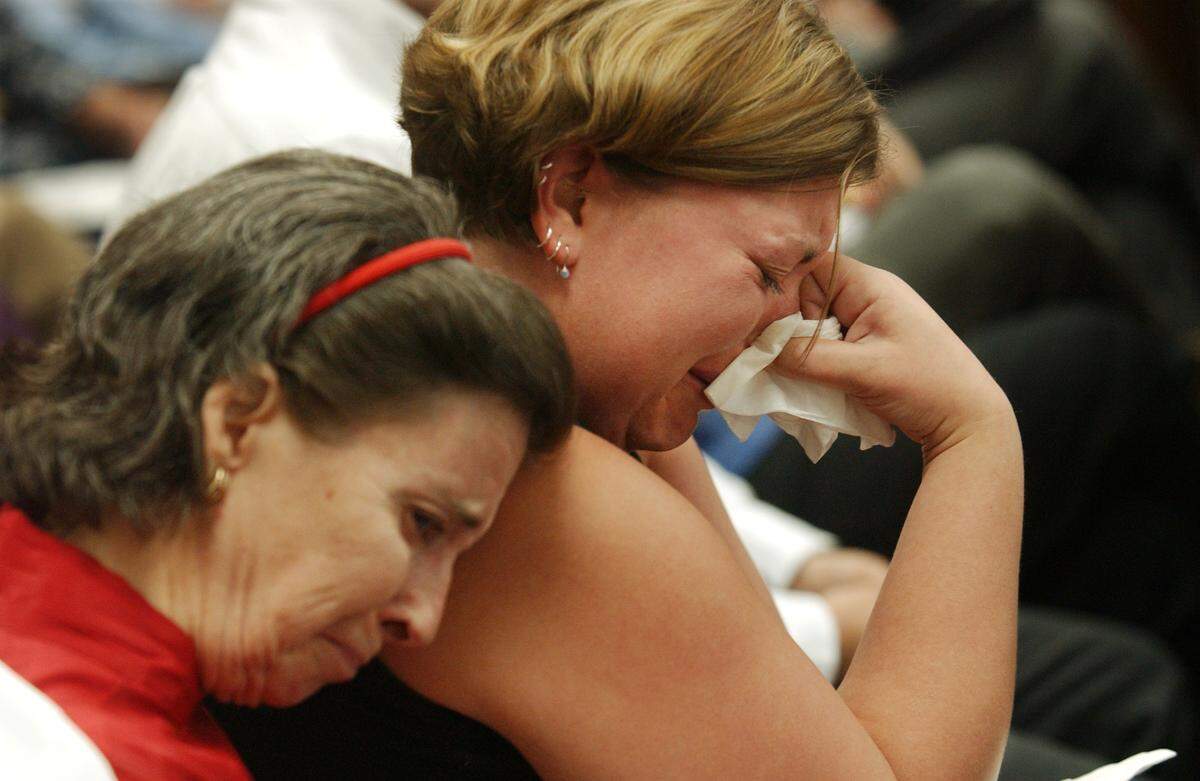
Some speakers said “only a severe penalty would send the right message,” wrote Anne Saker, the reporter who covered the case for The News & Observer in 2004. “Others hoped the judge would see that Veeder was racked with remorse.”
The prosecutor still can recount the facts of the crime and the sentencing as if it were two days ago — and not two decades ago. He can’t forget the 18-year-old twins who witnessed their parents, Robert and Gene-Marie Alfaro, killed.
“There was so much tragedy around that case,” Cruden said.
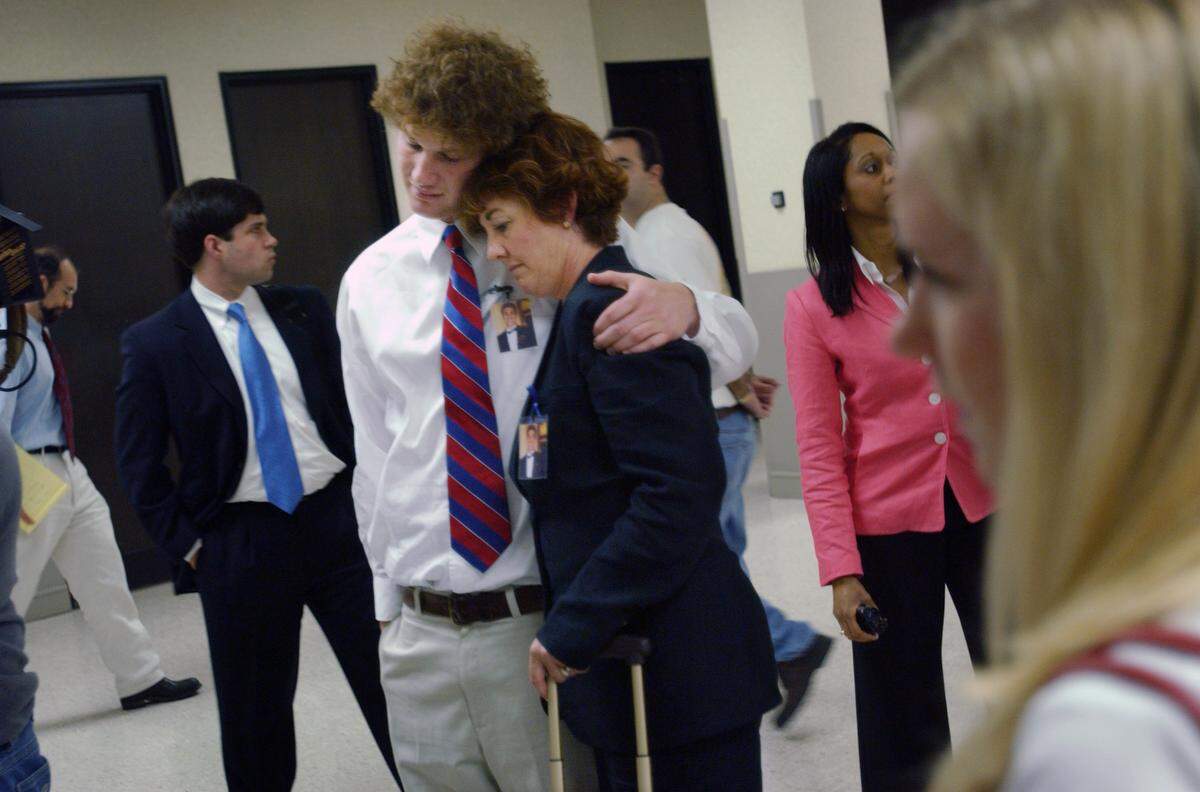
At sentencing, Veeder directed his comments to the judge, Wake County Superior Court Judge James Spencer. Veeder apologized, saying his victims “were trying to help someone.”
“I love people like that. If I could trade places with one of those people, I would.”
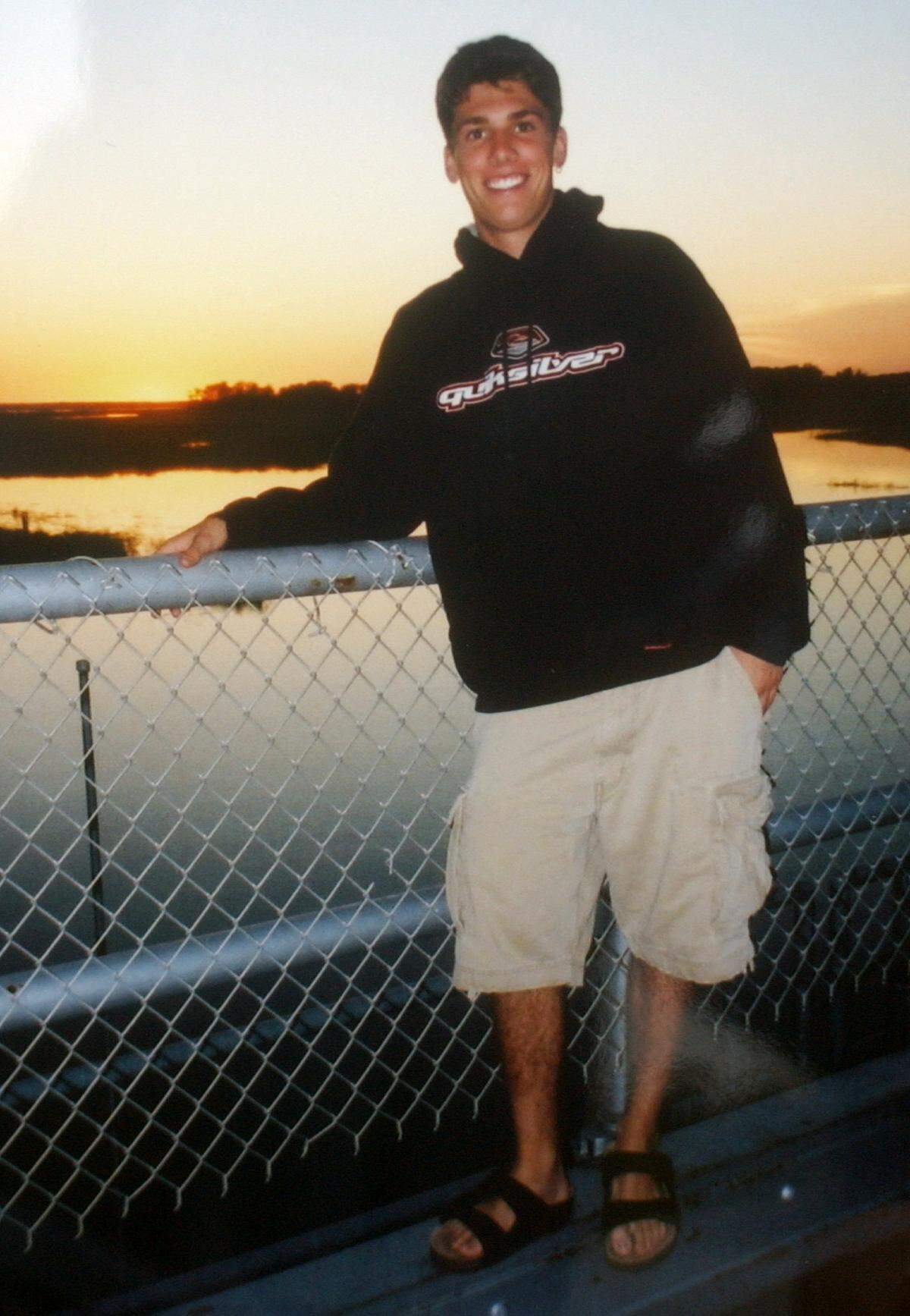
The mother of victim Nolan Myers gave him a photo of her son, saying he should keep it in his prison cell and look at it every day.
He did.
Spencer noted that Veeder, then 32, would still be young when he left prison.
“I urge you to rejoin the community as a lawful citizen at that time,” the judge said upon sentencing. “Make your life count for something.”
Leaving prison with a mission to help others
There is a woman who now introduces Robert Veeder to others as “the man who saved my life.”
There is a man who introduces Veeder as the guy “who won’t let me die.”
Both, like dozens of others that Veeder counsels, battle addiction and reach out to him at their bleakest moments.
After Nov. 1, 2003, Veeder never drank nor used drugs, he said. He had no desire to.
He left prison in 2012, and he and his wife, Kara, and their daughter now live in Penfield, New York.
Veeder left prison with a mission: If he had his way, no others would experience substance abuse. It kills individuals, relationships and even mere bystanders.
Veeder enrolled in colleges, first in South Carolina, then later at the State University of New York at Brockport after he and Kara moved to the Rochester region for her medical work. He became an abuse counselor, at first working with agencies then deciding he needed more freedom to guide addicts and drunks as he thought best.
He kayaks with some. He skateboards with some. He plays music with some.
A jam-band fan, he knows how to find the sober circles at concerts. They wear stickers ― “One show at a time,” the stickers say, a riff on the sobriety theme of “One day at a time” ― and hold balloons to search each other out. They hold meetings at intermissions.
Veeder has his own business now, A Better High Personalized Addiction and Recovery Services. He recently started sessions for marijuana addiction. Those hooked on weed are often ignored, and the 12-step and other substance abuse meetings are not always geared to those individuals, he said.
Already those sessions have outgrown his office and he is moving to a larger space.
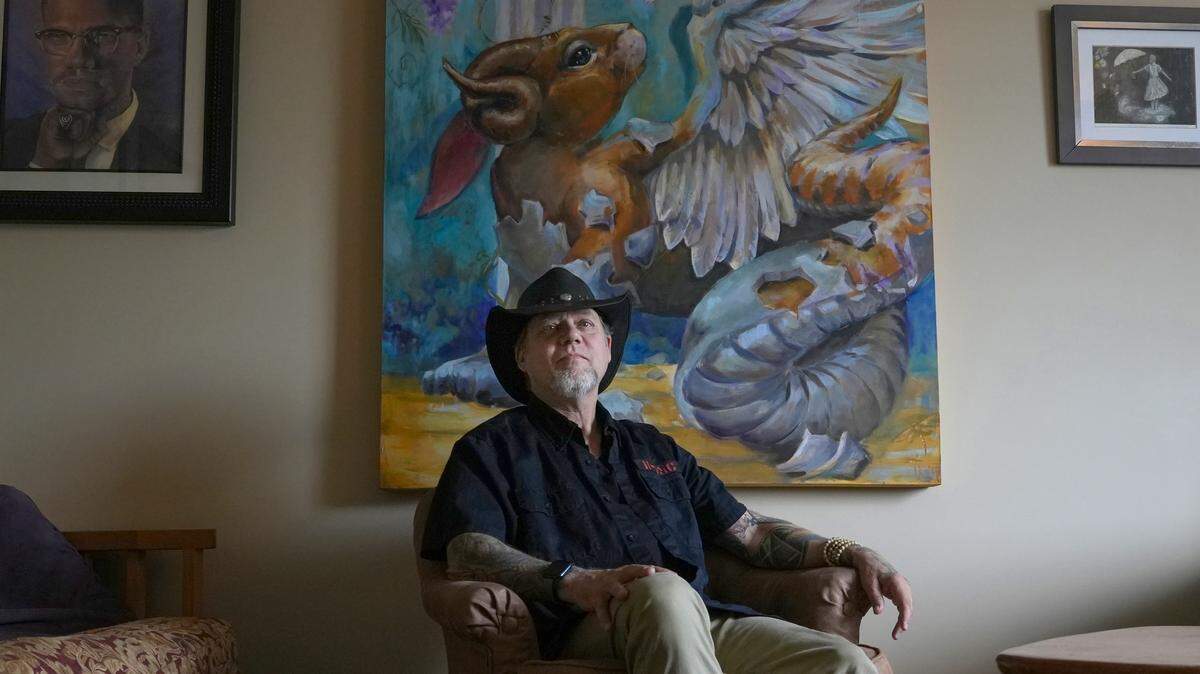
“What he offers is one of a kind,” said M. Norlund, the local counselor. “I couldn’t see anybody else doing what he does. You have to be Robert to bring what Robert brings.”
He is on call 24/7, said his wife. She talks to him often about the day he killed six people, and the burden he carries.
“He doesn’t excuse it away,” Kara said. “He doesn’t try to say anything but that it was his fault. ... He talks openly, repeatedly, daily about this horrible thing that could be filled with nothing but pain, with nothing but regret.”
There are days when Veeder’s task and burdens feel Sisyphean, and his victims are sometimes the obstacle to reaching the mountaintop. Then there are days ― more of these in fact ― when those he killed are his allies, pushing the boulder alongside him.
“I still think about these people, all the time, every day,” he said, “and I still sort of envision myself walking through the world with them. They help in a way to guide my decisions, what would I do to honor them.”
Family members of victims wonder what might have been
Shauna Clemons was 21 when Veeder killed her uncle, Christopher Clemons. She said he was trying to pull a person from an SUV after the initial accident when Veeder drove into the crowd.
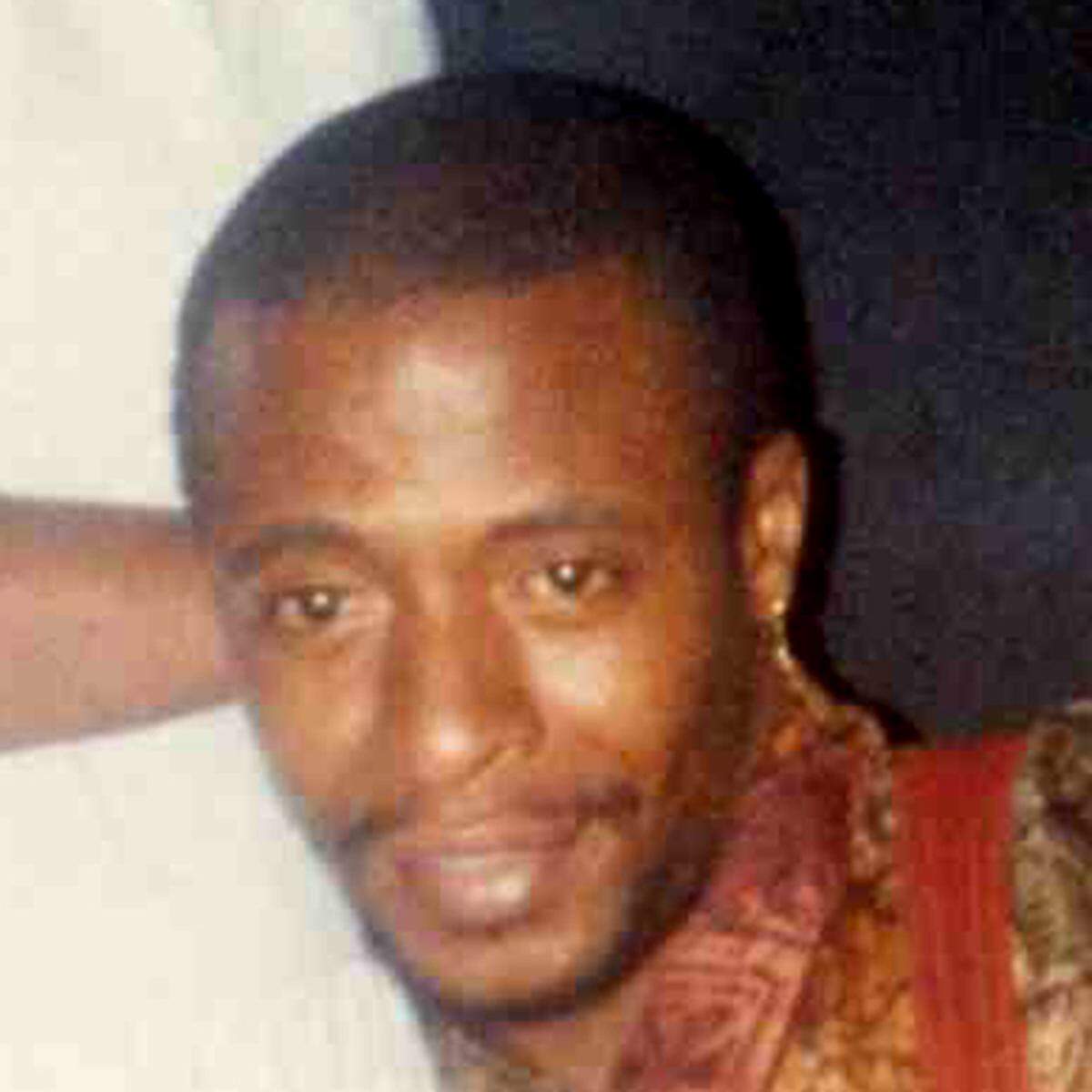
Her life and her family’s life still feel incomplete, she said. Her uncle was a joke-cracker, a man who could bring humor and laughter to any event.
“It’s like there’s a missing piece of a puzzle,” she said. “Dinners together aren’t the same. Holidays aren’t the same.”
Philip Myers’ son, Nolan, was also killed. He was a college student and at 18 already was an accredited pilot.
Nolan Myers was the first to reach one of the cars in the initial crash. He did not hesitate to try to help those who appeared injured. He, with help from Clemons and others, tried to get a 200-pound man out of the vehicle he was wedged into after the collision.
“He was the kind of kid the world needs more of,” his father said. “He’d be 40 this year.”
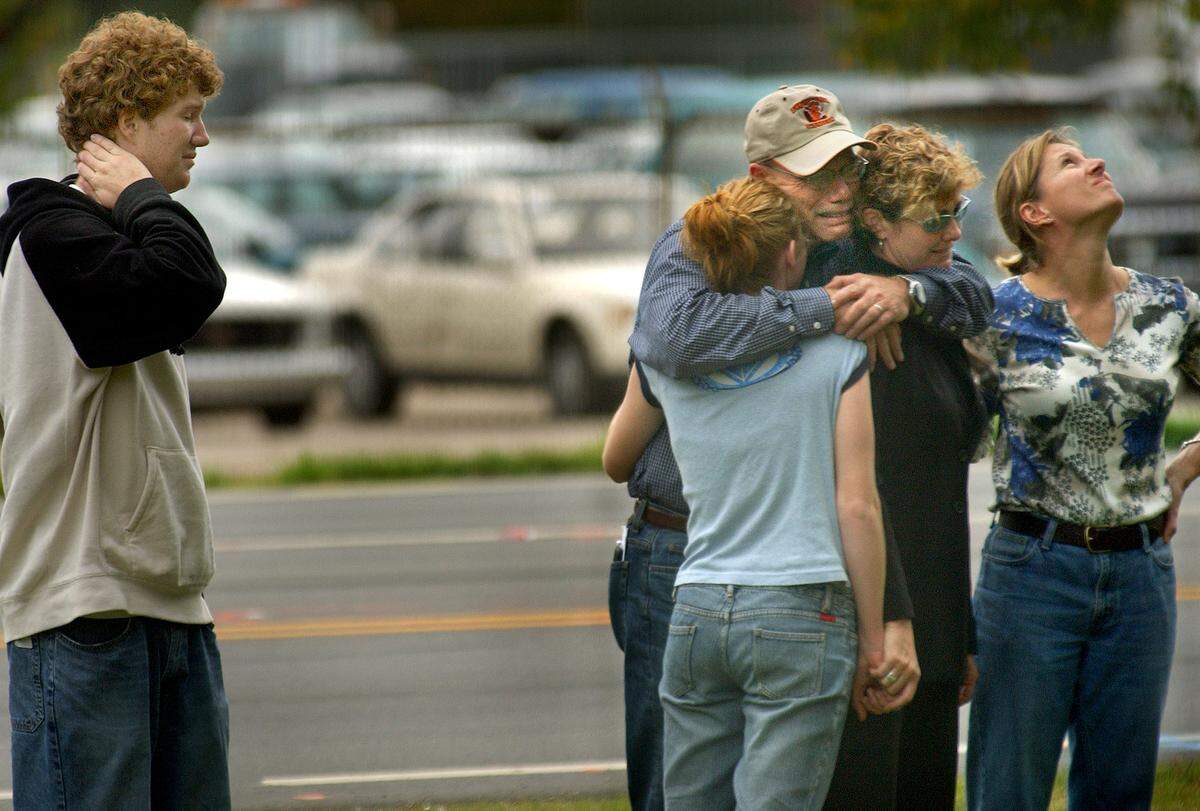
Philip Myers remembered his son’s old flip phone, with a limit of 99 contacts. “He was the only kid I knew that had the whole 99 filled with people,” Myers said.
Through the years, Myers struggled with his thoughts about Veeder. “It was key that I forgive him. Otherwise I’d be in a straitjacket or just another victim for the rest of my life.
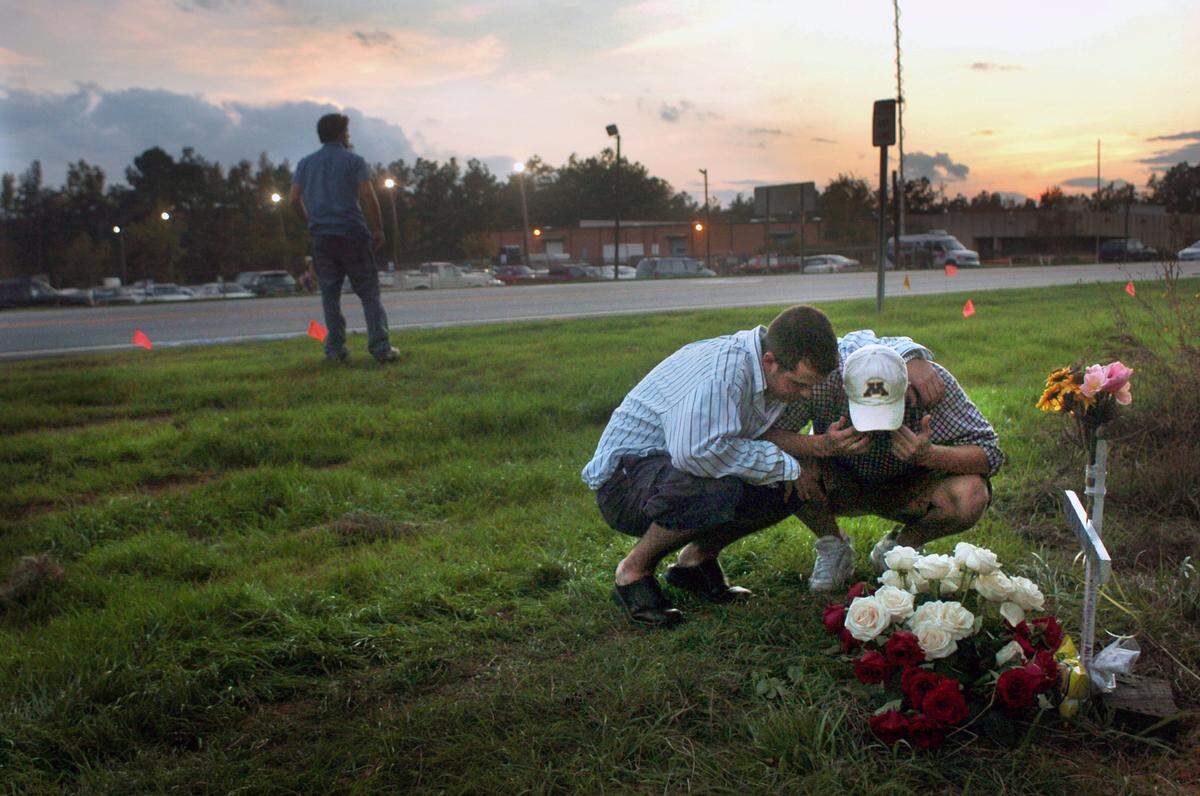
“I forgave him many many years ago, but it doesn’t make what he did right. I also recognize that Larry didn’t get up that morning, Nov. 1, and say ‘I’m going to go kill six people and maim others.’ He imbibed way too much and drove a car ... and should have known he was obliterated.”
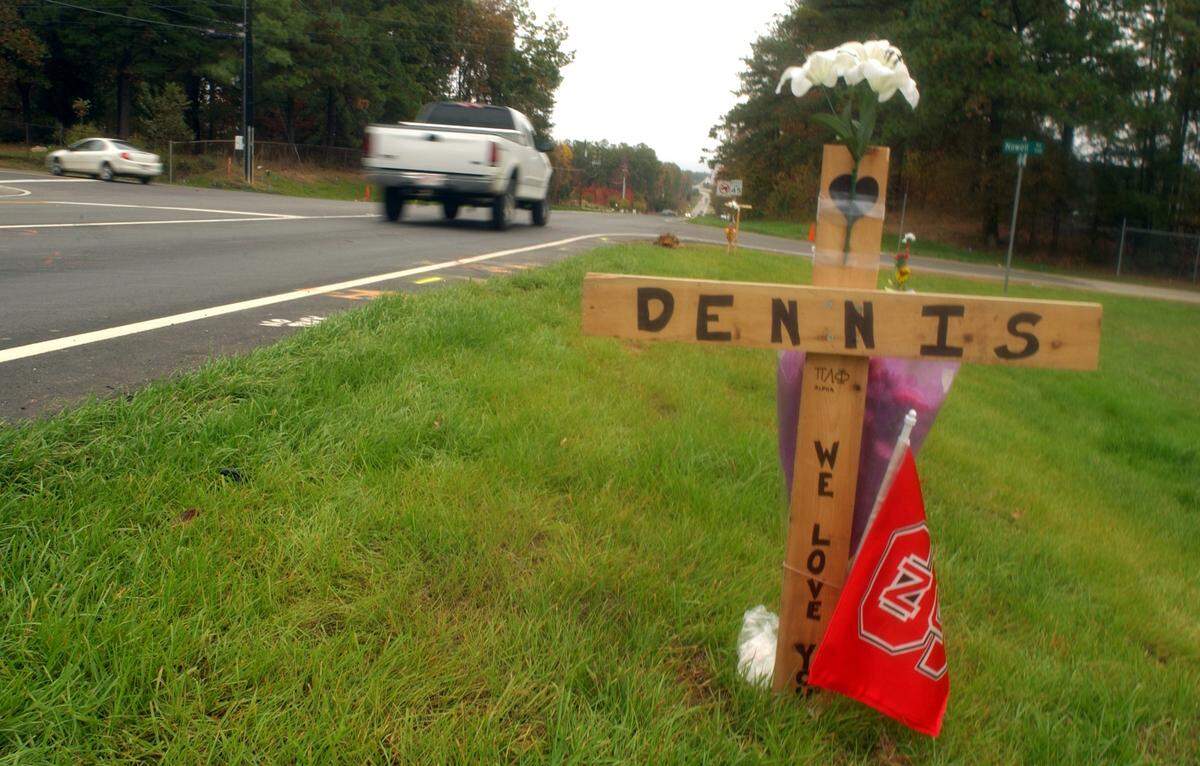
Also killed was Bryan Tutor, who was 29 with a 5-month-old baby. He had attended the N.C. State-Virginia game with a friend, Dennis Bowes, who also was killed.
.JPEG "tutor.bryan.JPG.1 (1).JPEG")
Tutor was an avid N.C. State fan, known to be the most boisterous when family and friends gathered to watch games, The News & Observer wrote in a 2003 story. Known as a devout family man, he had just settled into a new career repairing heating and air-conditioning systems.
Bowes, an N.C. State graduate, was also a Wolfpack loyalist and had not missed a home game for the 2003 season, The N&O reported. He had a standard question for each new neighbor: “Are you a State fan?”
He, too, was entering a new career, in financial planning.
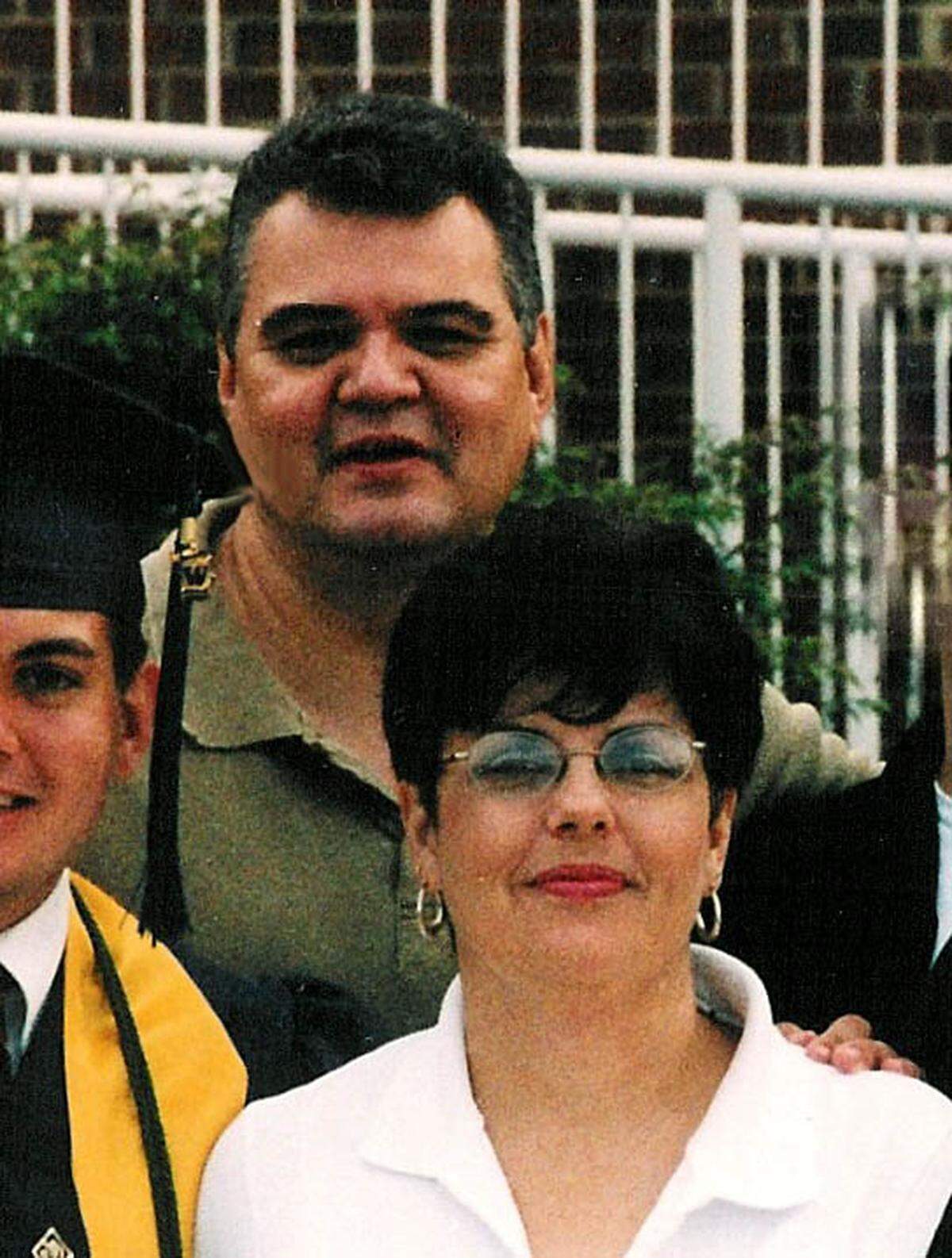
The married couple, Robert Alfaro and Gene-Marie Alfaro, were visiting their twin sons at N.C. State for Parents Weekend. They were leaving the football game when they came upon the first crash, said one of the twin sons, Christopher Alfaro. His mother was a nurse and instinctively hurried to assist, along with her husband. “Just being the person she was, she wanted to stop and help.”
The Alfaros told the twins, Christopher and Robert, to wait in their vehicle. The brothers saw Veeder’s van seconds before the crash and expected him to stop. From their vantage, they could not see when he drove into the crowd.
In addition to providing helping hands, the Alfaros were immensely supportive of their children — the twins and a third son, Matthew. The parents encouraging their sons through sports and band performances. Robert Alfaro coached the twins in middle school football, and the two continued to play in high school.
Christopher has a framed photo of the N.C. State-Virginia game — the one the family witnessed on Nov. 1, 2003 — on a wall at his home.
For him, the photo is a reminder of the joyful hours spent before Robert Veeder drove home from the bar.
Repeating the names, remembering the day, taking responsibility
In the days after the crash, on suicide watch in the Raleigh jail, Veeder began to recite the victims’ names. He repeated them, he remembered them, he learned them.
Nolan Myers.
Christopher Clemons.
Robert Alfaro.
Gene-Marie Alfaro.
Bryan Tutor.
Dennis Bowes.
Veeder has not forgotten them. It is all part of his recovery journey, a winding process that began the moment he killed people.
When he hit the crowd in the road that day, Veeder had left his van: stunned, shaking, weeping. Someone approached him as he sat on the ground, his head slumped, his arms wrapped tight around himself as if in dire need of security and solace that could not be found.
“Who did this?” the person asked.
“I did,” he said.
Gary Craig recently retired from the Democrat & Chronicle in Rochester, New York after reporting for Gannett since 1990. He authored one book, “Seven Million,” and co-authored another, “The Prison Guard’s Daughter.”
This story was originally published August 14, 2025 at 8:37 AM.