
Behind the scenes: Why we’re sharing this story of a killer who hopes to help others
AI-generated summary reviewed by our newsroom.
- Robert Veeder killed six in a 2003 DUI crash and served nearly 10 years in prison.
- Now counseling addicts, Veeder aims to prevent deaths like the ones he caused.
- Journalist Gary Craig shared Veeder’s story to reflect on guilt, change and impact.
(Editor’s note: Gary Craig of the Democrat & Chronicle newspaper in Rochester, New York, tells how he found this story about Larry Robert Veeder and reported it for the Rochester paper and The News & Observer.)
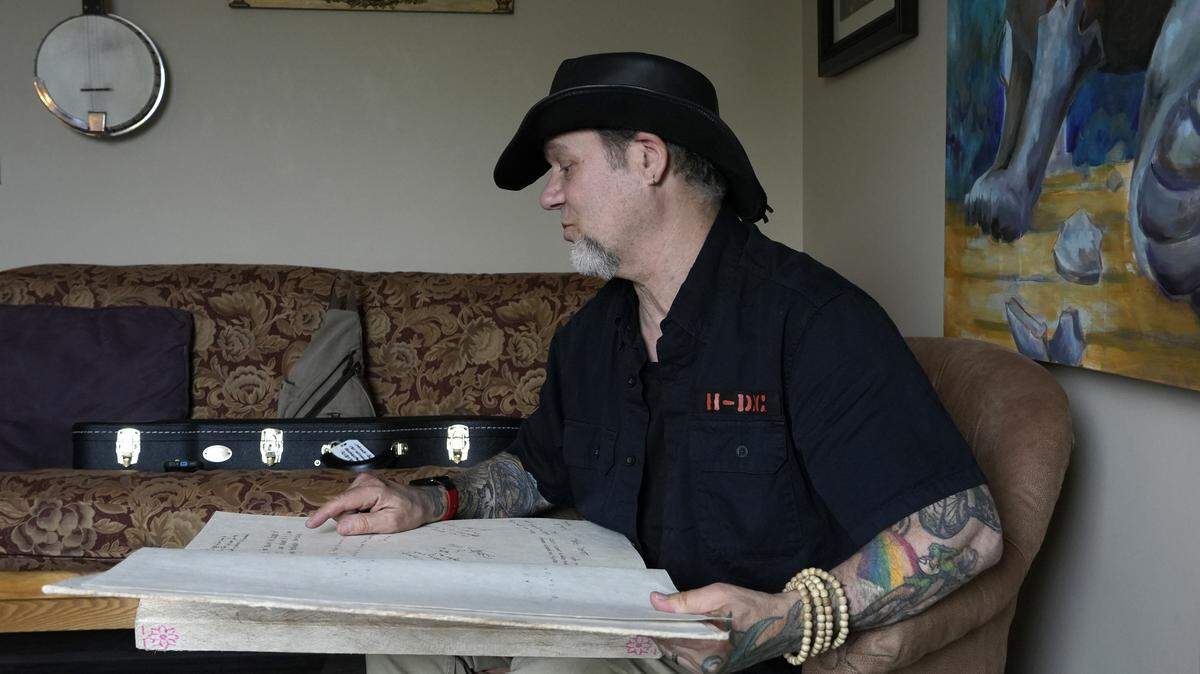
I was jogging last year through a neighborhood near Rochester with Robert Veeder, an avid runner like I am trying to become again, and the topic turned to street signs as we passed them.
Veeder mentioned anti-drunken driving signs and PSAs. The ads, he said, are too soft in content and unlikely to make an impact. Why, I asked, and what would be better?
Simple, Veeder said: Tell folks that if you drive drunk, you could kill people.
This may sound severe, but he knows this to be true, painfully so.
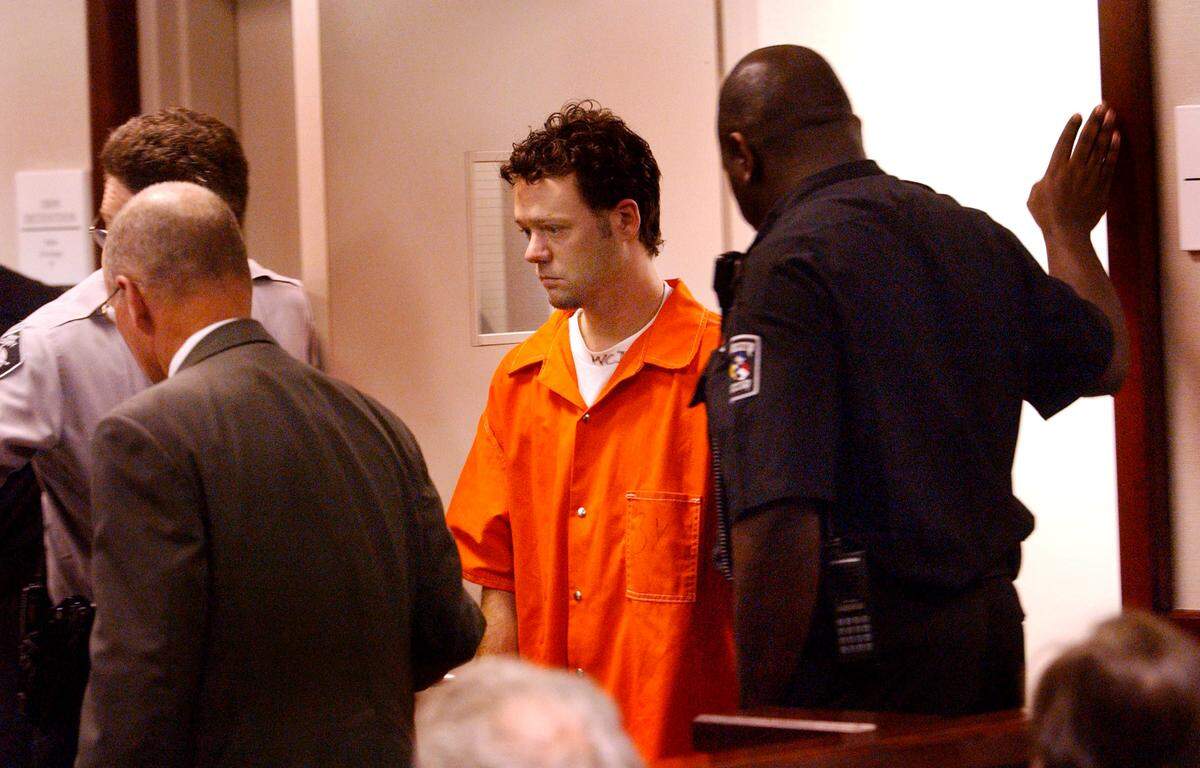
In 2003, Veeder drove drunk and killed six people in Raleigh. He spent nearly 10 years in prison for his crimes, a sentence that came before the toughening of drunken driving laws and sentences.
I first met Robert Veeder in January 2019. We were together at a table at a concert of Rochester native Bat McGrath, who was dying of colon cancer and had returned home for a performance.
Veeder and I were joined by our wives and chatted leading up to the show. During the conversation, Veeder’s history arose. He did not run from his past, he did not sugarcoat it, he did not excuse it.
When he spoke, the focus was the victims, what he had taken from them, the lives he had upended within seconds. His burden of guilt was obvious, but also obvious was this: Veeder would, if given the chance, sacrifice his life if he could restore the lives of those he’d killed.

Making a narrative about this fateful event
I did not think then about a story on Veeder’s life and his crimes. But we bumped into each other at a Starbucks, and I learned more about the counseling he was doing around Rochester for addicts and alcoholics.
He could never reverse what he’d done. Instead, he tries day after day to lessen the odds of more lives lost.
I do not excuse what Veeder did, nor, I’m sure, will those who read my coverage of the crimes, his imprisonment, and his continuing efforts to try to somehow craft something positive from something horrific.
I have covered many crimes and criminals throughout my 40-plus years in journalism ― serial killers, scam artists, Ponzi schemers, major-league drug dealers and the addicts who are their customers.
Never have I met one who carries the weight of his crimes as does Robert.
‘People live through catastrophe to begin again’
One person I talked with during this reporting was Anne Saker, who covered the case in 2003 and 2004 for The News & Observer. She clearly had not forgotten it. I asked her why. She emailed me this in response:
“For many years, I thought about that moment at a dark crossroads in Raleigh, all those lives intersecting; about the families with absences where loved ones once stood; about a good man and a horrible consequence. The job of journalism is to witness the passage of time. For me, the accident distills the essence of the universal human story. People live through catastrophe to begin again. It’s human nature, and it’s remarkable.”
The families of the victims cannot be forgotten here, nor would Veeder want them to be. In fact, when last year I approached him about writing about his life, his first and most pressing worry was the impact on the victims, the resurrection of the pain they suffered. I worry about that, but I also think there are lessons to learn from what he did and from what he does now.
I did reach out to the families of victims. Some chose to speak, as you’ll see; some didn’t; and some I was unable to reach. Their voices are important here, and if there is any belief that they do not receive enough consideration with the story, the blame should fall on me and not Veeder.
An admission: Robert and I have spent many hours together reporting and talking ― we both love music and the Buffalo Bills ― and have become friends. I don’t think that colors my coverage, except for my gratitude for his honesty in revisiting moments of immense pain. My editor agrees.
His pain, he will tell you, pales alongside that of the families of his victims. He never seeks to be absolved; he simply tries to make sure the same fate does not befall others.
Perhaps his story can help make that so.
Gary Craig recently retired from the Democrat & Chronicle in Rochester, New York after reporting for Gannett since 1990. He authored one book, “Seven Million,” and co-authored another, “The Prison Guard’s Daughter.”