More Black youth are dying by suicide in North Carolina. Here’s how you can help
AI-generated summary reviewed by our newsroom.
- Black youth suicide rates in NC rise; DHHHS launches five-year response plan.
- 16.9% of Black high schoolers in NC reported serious suicidal thoughts in 2024.
- Advocates urge early mental health talks, parental involvement and school support.
Christopher Miller was 11 years old when his parents found out he wanted to die.
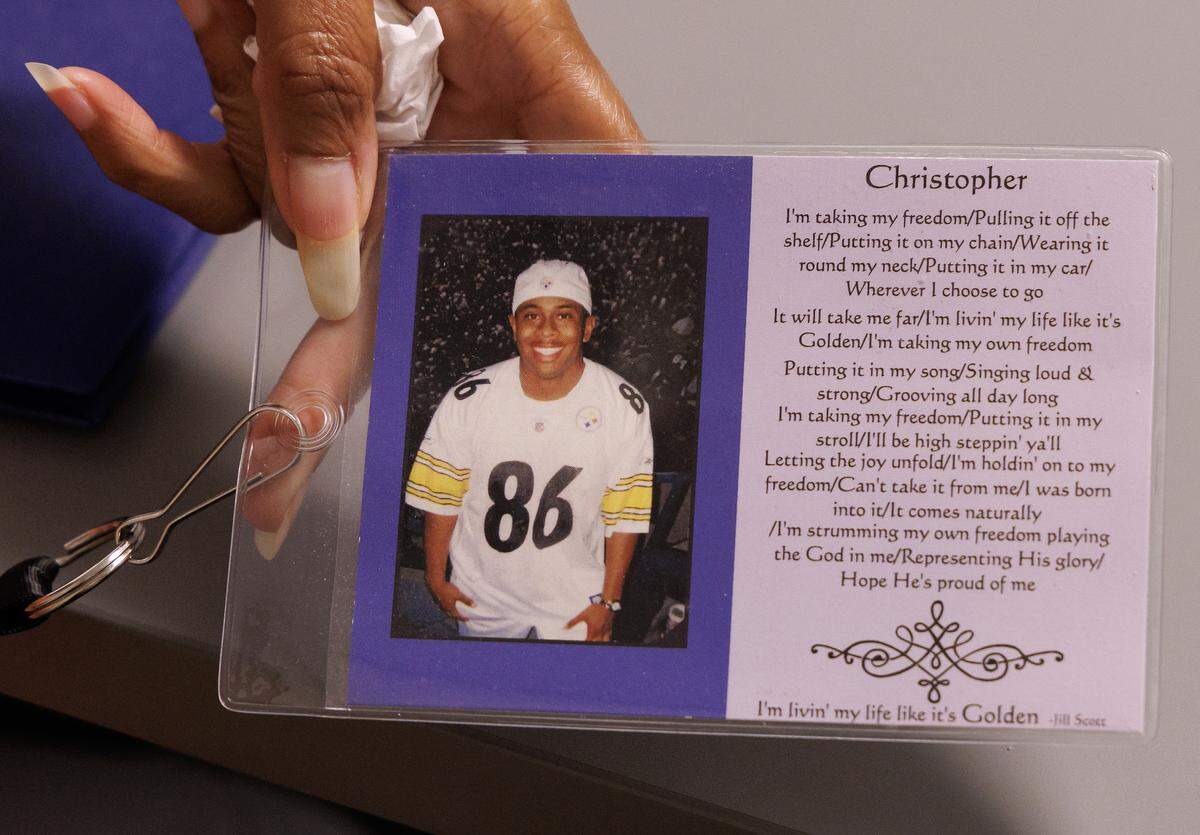
More than 20 years later, his mother, Marie Buggs, wears a lanyard with Christopher’s picture and the lyrics from “Golden” by Jill Scott — the song he played as he recorded his goodbye note to her.
“Christopher had the type of depression that when something traumatic happened, he would drop,” Buggs told The News & Observer. “It’s so hard to really identify or know that your kid is struggling with something, because other than that, he was a perfect kid.”
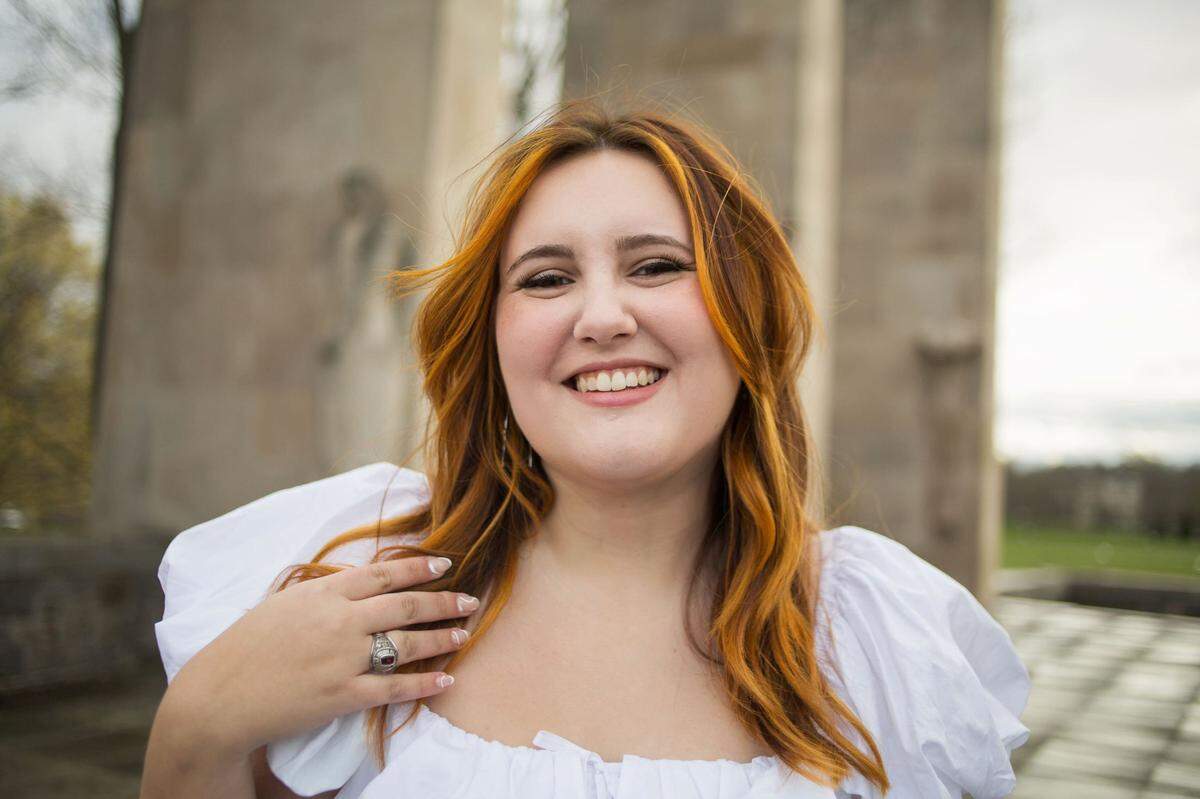
Missy Wright, whose 18-year-old daughter, Asia Bobbitt, died by suicide in 2015, tells a similar tale. No one would have guessed the Bennett College freshman was struggling, she said.
“She was a child that you asked God for — not because she was pretty, but [because] her inside was beautiful,” Wright said.
It’s stories like Asia’s and Christopher’s that the N.C. Department of Health and Human Services, with researchers and on-the-ground advocates, is working to prevent. Last month, the department published its N.C. Black Youth Suicide Prevention Action Plan, a five-year strategy to prevent suicide and suicide attempts in the state’s Black youth.
Suicide rates in North Carolina youth in general are higher than before, research shows. Suicide is the second-leading cause of death for youth ages 10-18 and the third-leading cause of death for people ages 19-34 in North Carolina, according to the state.
But in Black children, the problem is worse, with 16.9% of Black high school students and 36.6% of Black middle school students reporting serious thoughts of suicide in a 2024 study by the N.C. Department of Public Instruction.
In 17 North Carolina counties — including Durham, Wake and Johnston — Black youth are at the highest risk, with those counties reporting the “highest rates of Black youth suicides” and the “highest call volume to the 988 Crisis and Suicide Hotline,” the Black Youth Suicide Prevention Action Plan states.
Outside North Carolina, Black youth suicides are climbing across the country, according to researchers. A 2023 study from the Johns Hopkins Bloomberg School of Public Health found that suicide rates in Black youth ages 10-17 increased by 144% from 2007 to 2020, climbing from 1.54 per 100,000 to 3.77 per 100,000.
Bettie Murchison, a community advocate who educates Black families on mental health in Wake and Franklin counties, has seen the scope of the problem firsthand.
“I’ve talked to children as young as 10 years old about suicide, and we know, listening to therapists and looking at the data at the hospitals, that the rates are alarming here,” Murchison said.
But many people don’t understand the magnitude of the problem, she said. Murchison’s work in mental health began in 1999, when she founded two nonprofits focusing on mental health care in Wake County.
“I think a lot of folks don’t believe that Black youth are dying by suicide,” Murchison said. “I think that, because they’ve not known anyone who died by suicide, [they] feel it’s not relevant in the Black community.”
Researchers believe some of the difficulties in discussing mental health in the Black community can be traced to slavery, according to the Johns Hopkins report. Doctors once hypothesized African Americans were “immune” to mental illness because they didn’t own property or have other responsibilities of white people, and enslaved people who showed signs of mental illness were often at greater risk of punishment or death, the report states.
The consequences can still be felt today.
“A lot of our kids [are] dying because parents don’t believe that their kid is going to kill themselves,” Wright said.
What can be done?
The state’s new plan outlines six goals over the next five years, including increasing education at the community level and decreasing access to firearms and drugs.
Those goals include:
- Establishing a Community of Practice and Education to create and promote community efforts on suicide prevention among Black youth and young adults.
- Strengthening supportive mental health services for Black youth.
- Improving awareness and training on suicide prevention for Black youth.
- Reducing access to lethal means.
- Increasing protective factors for Black youth that could prevent suicide.
- Analyze data to better understand Black youth’s needs related to suicide prevention.
“This has been very well researched,” Murchison said. “We feel real confident about these objectives.”
They’re objectives that Murchison already pursues in her day-to-day work, which includes facilitating Youth Mental Health First Aid training to teach adults who already work with young people how to better support them.
“We would hear parents say at the end of the training, ‘I said all the wrong things to my child. I know better now,’” Murchison recalled.
Wright and Buggs, too, are doing on-the-ground work to prevent others from losing a child as they did.
Buggs works with the North Carolina chapter of the American Foundation for Suicide Prevention and travels to the state legislature annually to advocate for improved policies on mental health. That’s how she met Wright last year.
Wright, meanwhile, spends half of her weekends traveling around the East Coast to do community outreach on suicide prevention and half of her weekends with her family of six. Sometimes, that looks like helping a mother bury her 15-year-old lost to suicide; other times, it’s taking her son to college tours and football games.
“I don’t have the big words. I can tell you what’s in my heart,” Wright said. “And I can tell you about experience by having boots on the ground, by going into schools, by going into colleges, by going into communities, by sitting in someone’s living room that’s lost a child.
“That’s what I do in this community and many communities state to state,” she continued. “I’m just a person that does not have a degree in mental health.”
To Wright, what matters most is encouraging parents to get involved with their children’s lives so they can spot signs of a problem.
“Make time for your children,” she said. “Listen to your children when they talk.”
She encourages starting conversations about mental health as soon as a child begins school, “because you don’t know what the next person that’s sitting next to your kid is saying or doing.”
And on the policy side, Buggs and Wright agree more funding for school counselors would be a good start. It was through a teacher that Buggs learned of Christopher’s suicidal ideation, she said.
“Sometimes people who do have mental illness, they know how to mask it,” Buggs said. “Especially kids, because they don’t want to be different.”
But above all, Murchison, Wright and Buggs each emphasized the importance of reducing the stigma around suicide and conversations about mental health, especially in the Black community.
“We don’t have to be afraid of how our kid passed away,” Wright said. “When we start a community [conversation], we can help the next family.”
Who to call if you need help
Contact the 988 Suicide & Crisis Lifeline, available 24/7 in English and Spanish via call or text, if you are experiencing thoughts of suicide.