Raleigh settles lawsuit in Taser death of Darryl Williams. Here’s the cost.
AI-generated summary reviewed by our newsroom.
- Raleigh will pay $975,000 to settle federal lawsuit over Darryl Williams' death.
- Suit alleged repeated Taser shocks, excessive force, and constitutional violations.
- City cited legal-cost estimates and avoided admission of guilt in the settlement.
READ MORE
Police Payouts
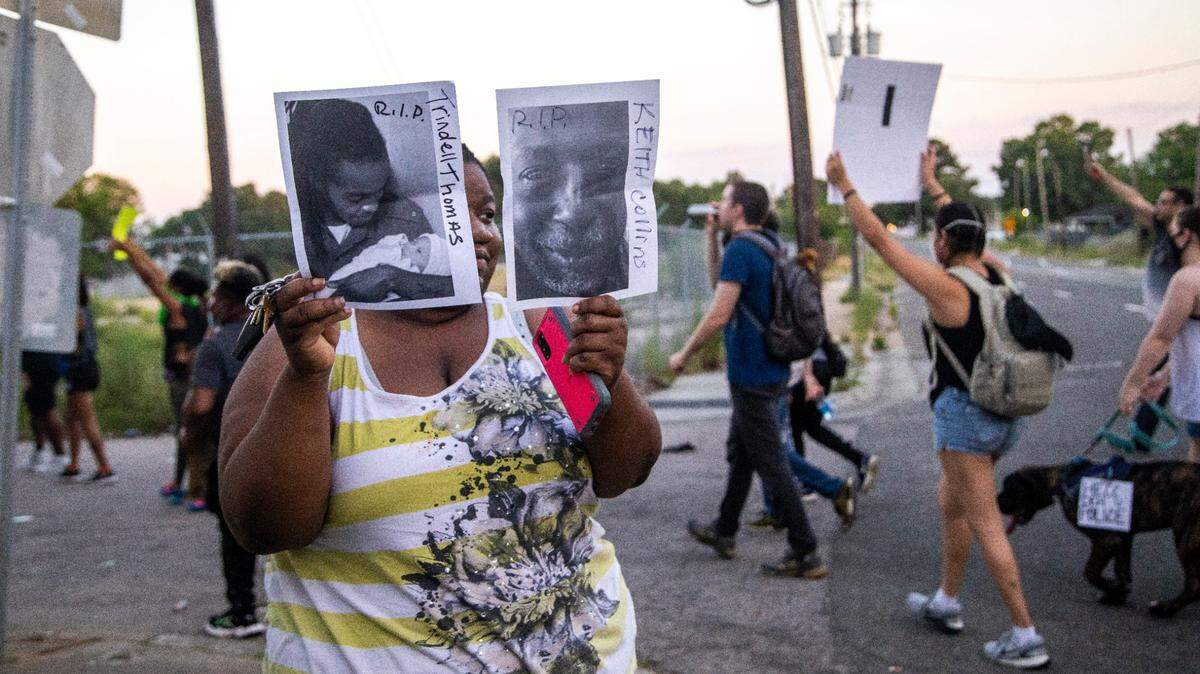
Exclusive News & Observer reporting has revealed that the city of Raleigh paid $5.4 million between 2012 and 2025 to settle accusations of police misconduct. The settlements are linked to a small number of encounters police have with the public. But similarities among the accusations point to problematic behavior, civil rights lawyers and others say.
Expand All
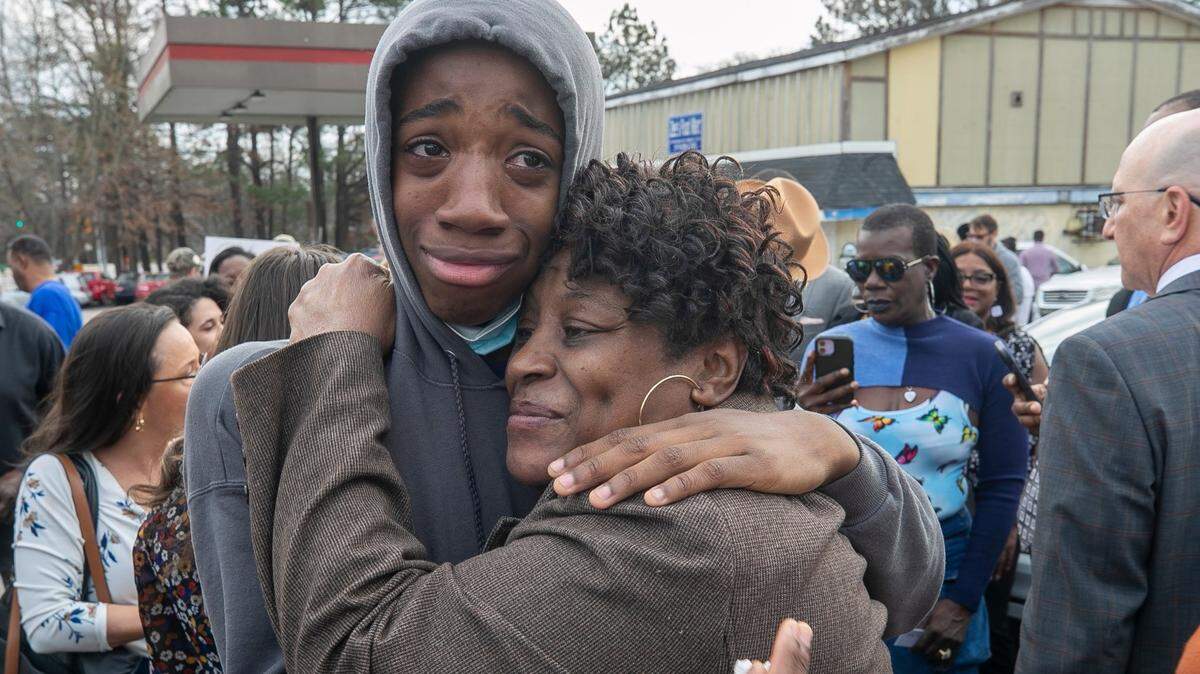
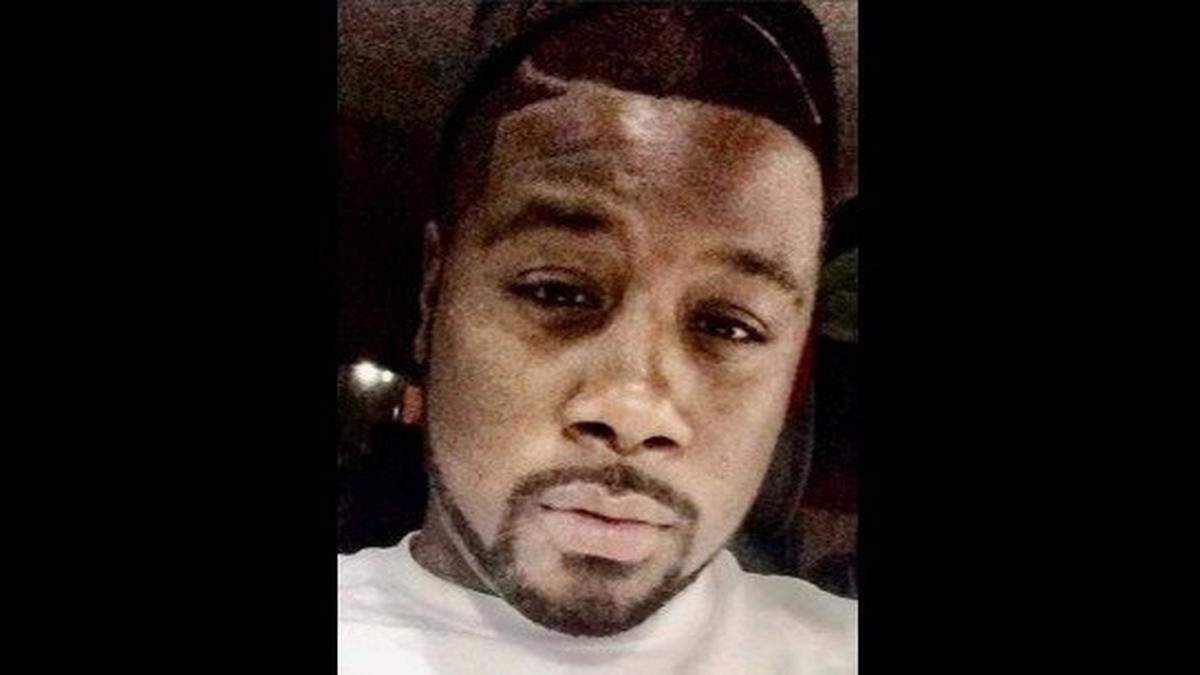
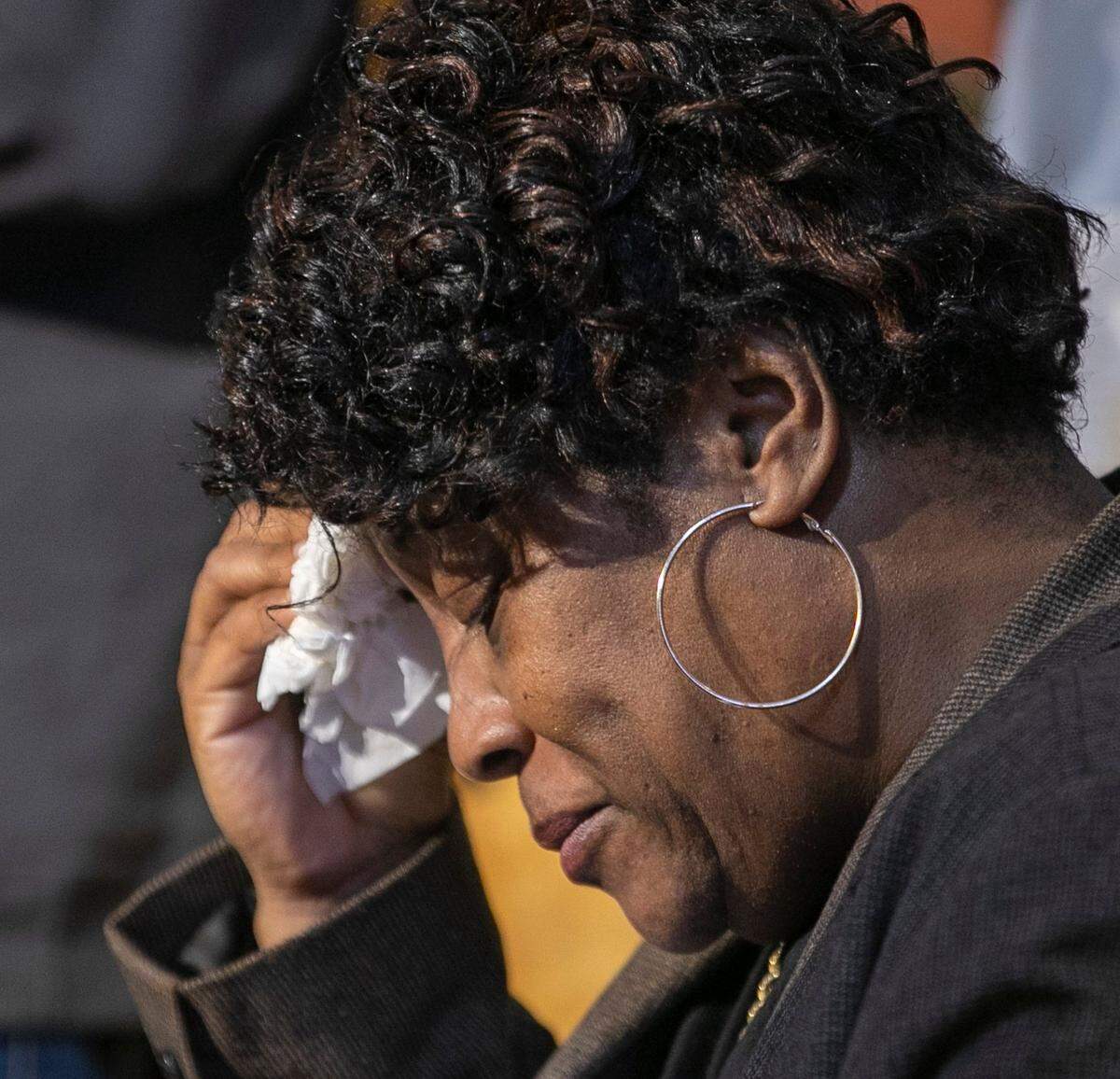
Raleigh officials agreed to a nearly $1 million payment to settle a lawsuit by a mother who says officers killed her son after repeatedly shocking him with a Taser.
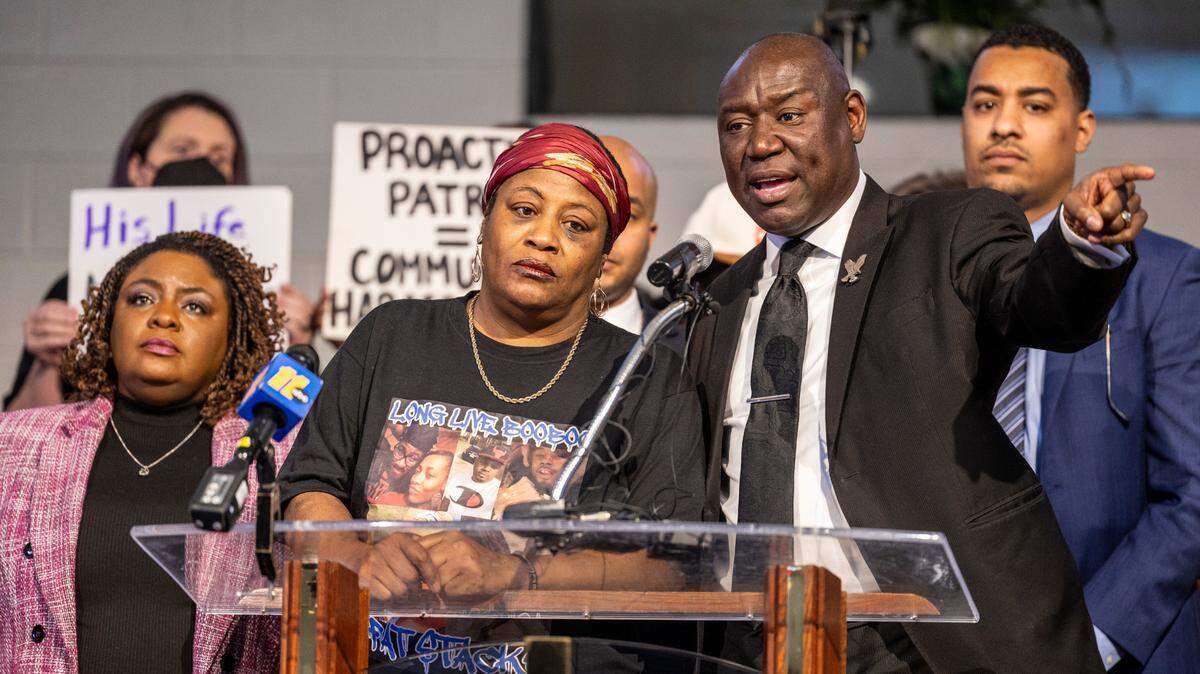
Under the deal, city officials will pay $975,000 to Sonya Williams, the mother of Darryl Williams, in exchange for dismissing her nearly two-year-old federal lawsuit.
The settlement agreement, dated Monday, Dec. 1, outlines the second-largest known payment to an individual by the city since 2012 to end a lawsuit accusing Raleigh police of using excessive force or other unconstitutional acts when confronting people on public streets and in their homes.
The suit, which initially sought $25 million, accused police and the city of violating Williams’ constitutional rights by using unnecessary and excessive force. It also accuses city officials of ignoring prior excessive force accusations and other claims that demonstrate problematic policing patterns.
The agreement, however, contends that payment isn’t based on the merits of the case, nor is it an admission of guilt.
For the city, it was a financial decision, the agreement states. After seeking estimates on legal costs, the city chose to settle “guided solely by its estimates of its anticipated and unavoidable legal expenses,” the settlement states.
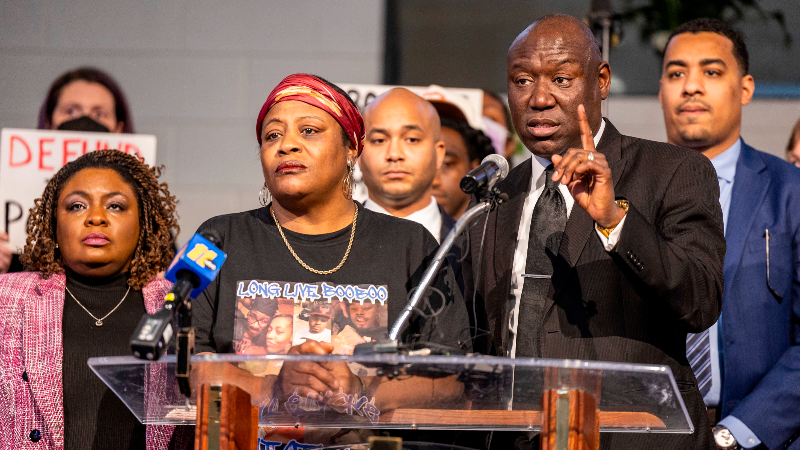
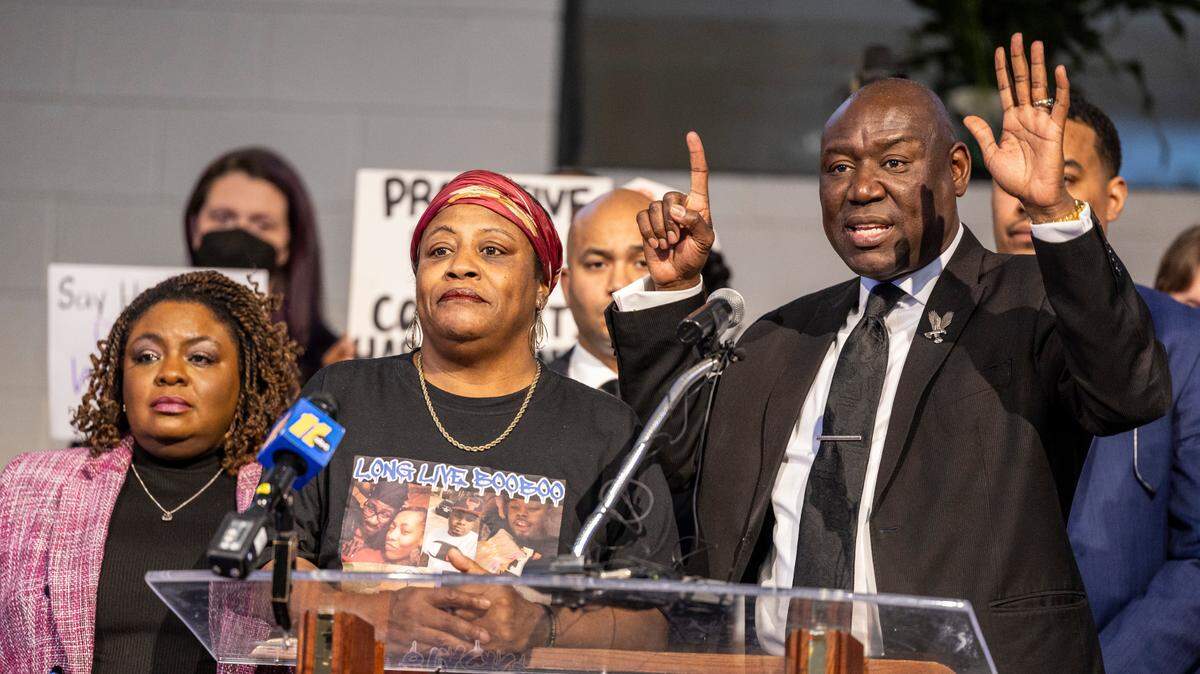
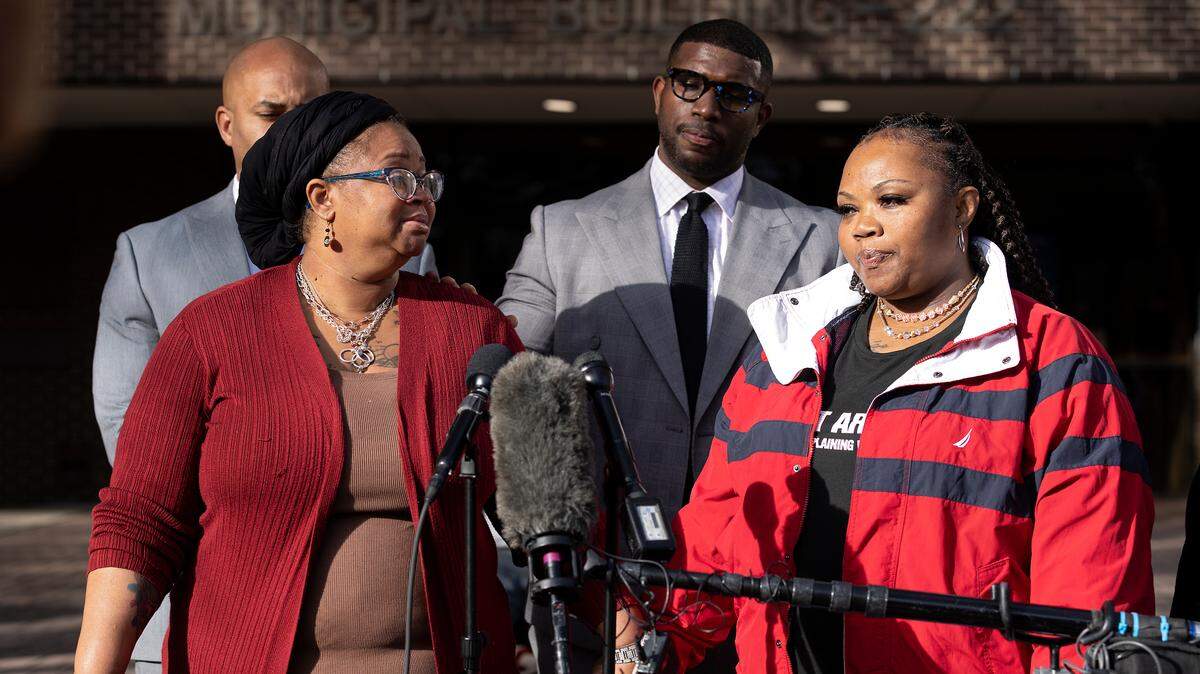
Williams’ legal team, which includes North Carolina civil rights organization Emancipate NC and prominent civil rights attorney Ben Crump, declined to comment.
In March 2024, The News & Observer reported that since 2012, the city of Raleigh had paid at least $4.3 million in settlements to 47 individuals, families, and estates. In many of those claims, the city also denied liability and said the payments were intended to avoid litigation costs.
After the Williams’ settlement, the city’s new total is nearly $5.4 million.
Death of Darryl Williams
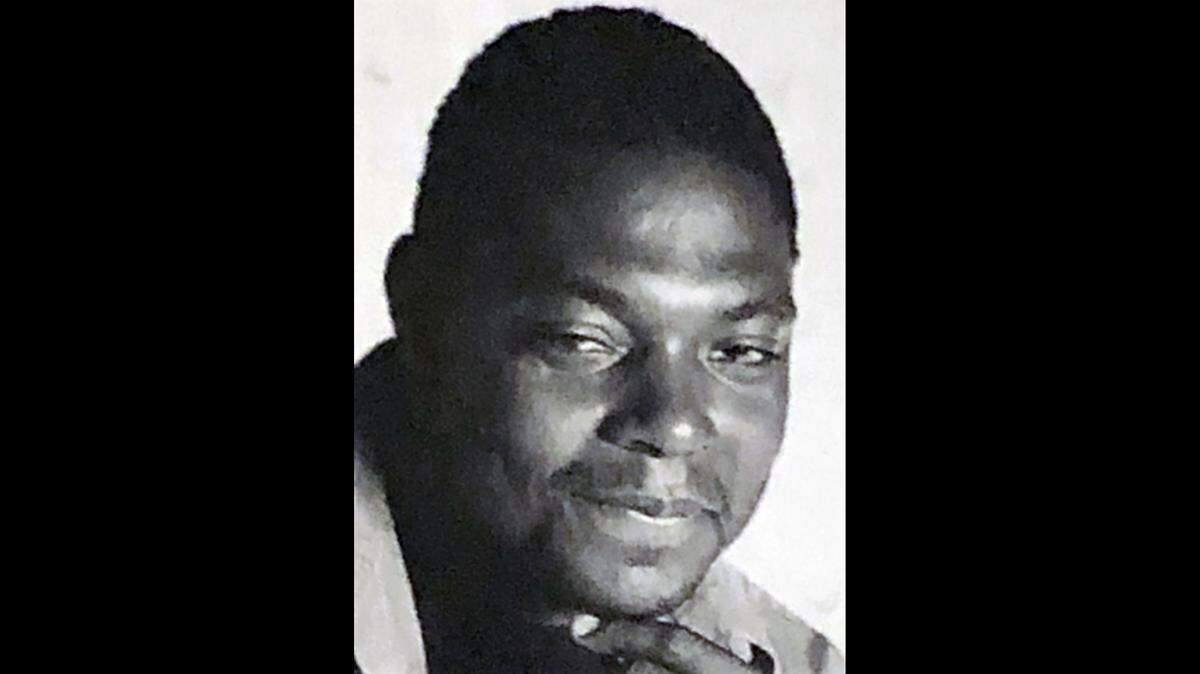
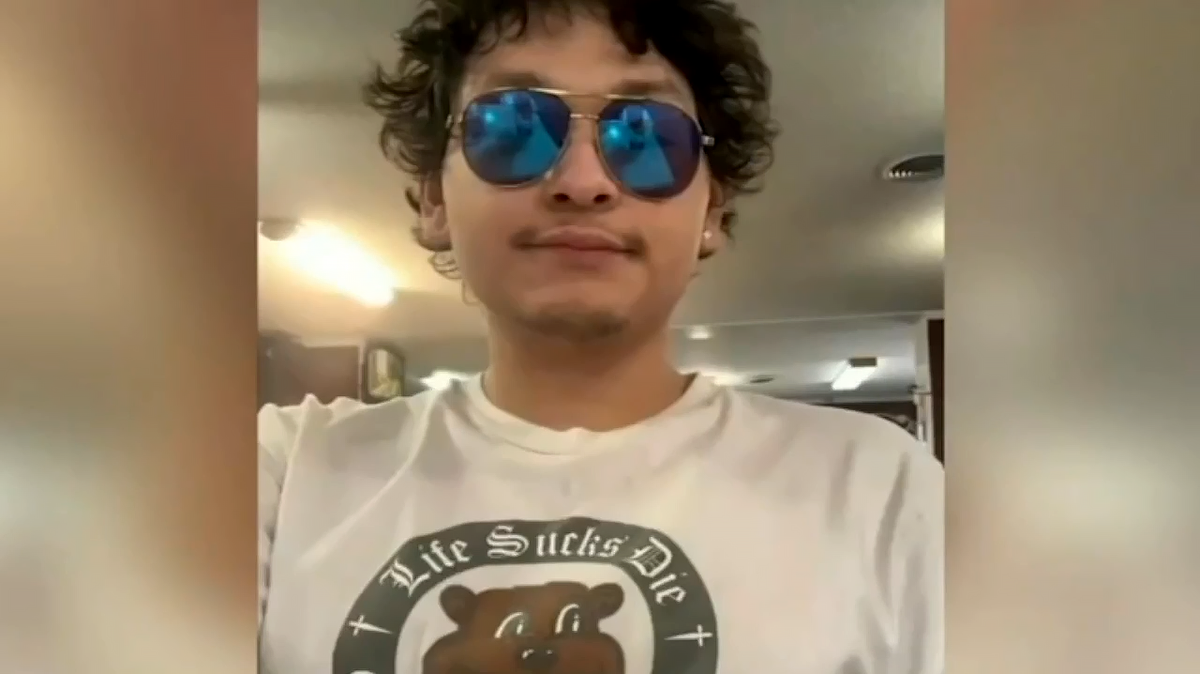
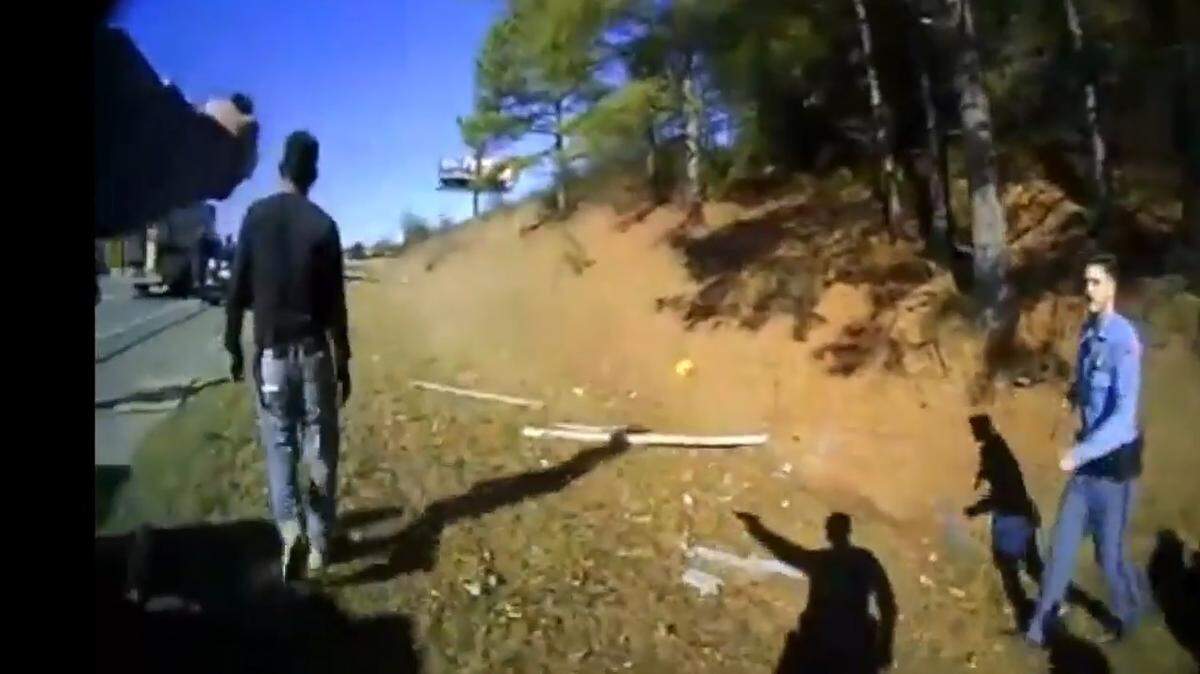
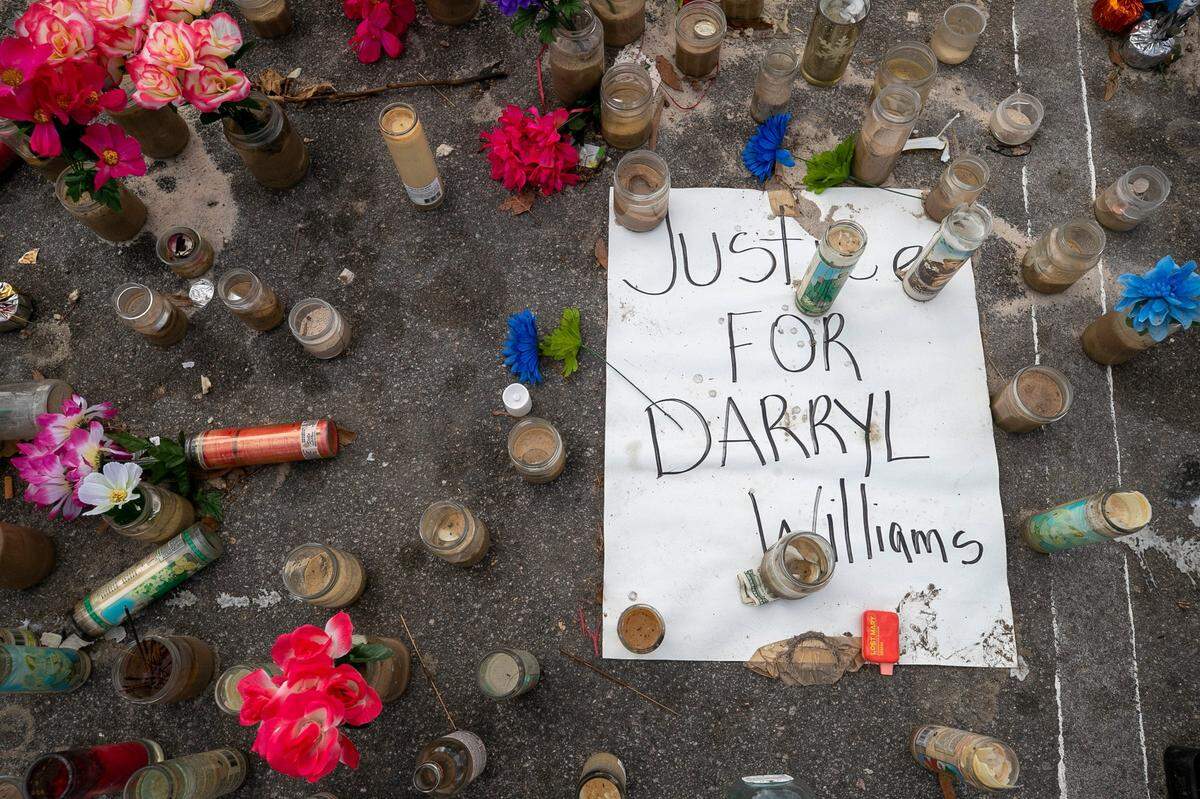
Darryl Williams, 32, died in January 2023, after he tried to run from officers in a parking lot on Rock Quarry Road. An officer attempted to handcuff Williams after finding a white powder folded in a dollar bill in his pocket.
Police shocked him with a Taser three times, according to a report by then Raleigh Police Chief Estella Patterson, now the chief for the Charlotte-Mecklenburg Police Department. In the 2024 lawsuit, Williams’ mother Sonya, contended that police used a Taser on her son six times, even when he was held down by officers and was no longer a threat.
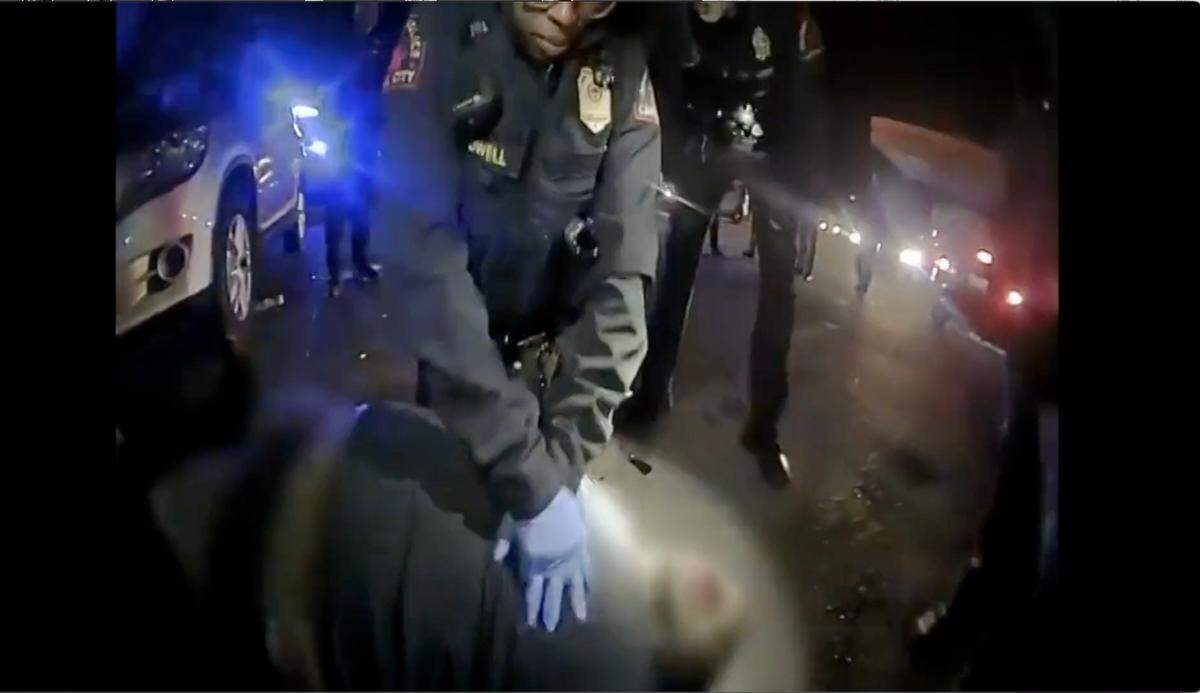
Before an officer pushed a Taser into Williams while he was held down by officers on the pavement, Williams begged him not to, saying he had a heart condition, according to police body-camera footage.
“I have heart problems,” Williams said, gasping for air. “Please. Please.”
Before the final use of a Taser
A state medical examiner’s report classified Darryl Williams’ death as a homicide. The report said he died due to using cocaine, tussling with police and officers using a Taser on him multiple times.
The city report said in Jan. 17, 2023 officers Christopher Robinson and Jeremiah Thomas were checking on the area in Southeast Raleigh with a history of reports of drugs, weapons and other criminal violations.
The officers walked up to Williams’ car around 2 a.m. and spotted an open bottle with an alcoholic drink and marijuana, the city report states. Robinson asked the two men to step out and searched Williams, finding in his pocket the dollar bill with a white substance that looked like cocaine, the city report said.
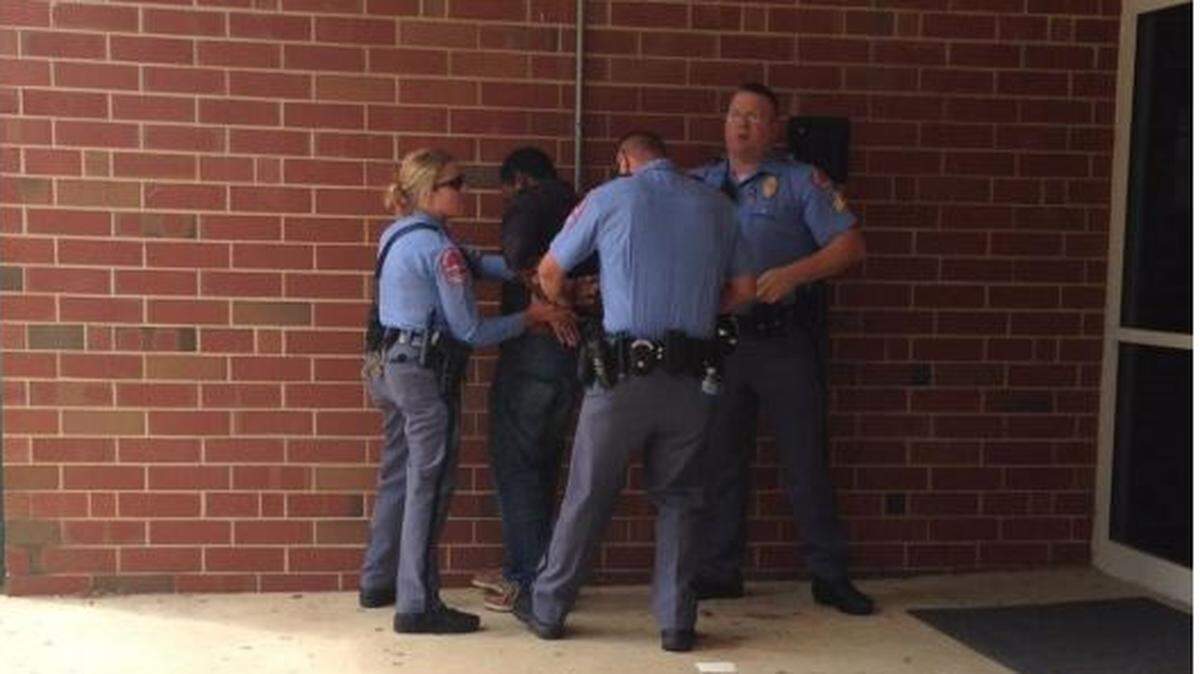
When Robinson moved to arrest Williams, he ran. Officers tased him, and he fell on the ground. After struggling with police, Williams ran again but then tripped and fell, the city report said. Williams continued to resist being handcuffed as officers held him down, so they pressed a Taser into him at least two more times before he fell unconscious.
Police stated in their report that they found two firearms and “suspected controlled substances” during a search of Williams’ car.
But Williams’ attorneys described a very different account.
The lawsuit contends that Williams wasn’t a deadly threat, especially after multiple officers had pinned him down on the pavement, forcing him to gasp for air. But officers pressed the Taser into Williams three more times as he fell unconscious.
Concerns about training
Raleigh police policies say that officers shouldn’t use a Taser on someone who is running away unless the person poses an immediate threat to themselves or others. It also said officers shouldn’t use the Taser in drive stun mode, such as when they pressed the Taser directly into Williams’ back at least twice within a minute, because it may actually escalate the level of resistance by someone.
The policy points out that officers should be aware that there is a higher risk of sudden death in people under the influence of drugs.
Robinson was training Thomas during the arrest, and both received only eight hours of instruction related to using a Taser, the lawsuit says.
Robinson served as a training officer after facing another complaint of excessive force a month before encountering Williams. That, the lawsuit says, is evidence of the city’s deliberate indifference “to the wellbeing of Raleigh resident.”
Thomas Sanders filed a lawsuit in September 2025 accusing Robinson of excessive force and Thomas of fabricating evidence on Dec. 19, 2023.
City and police department officials didn’t respond to requests for comments about the case and settlement.
Judge dismisses some claims against the city
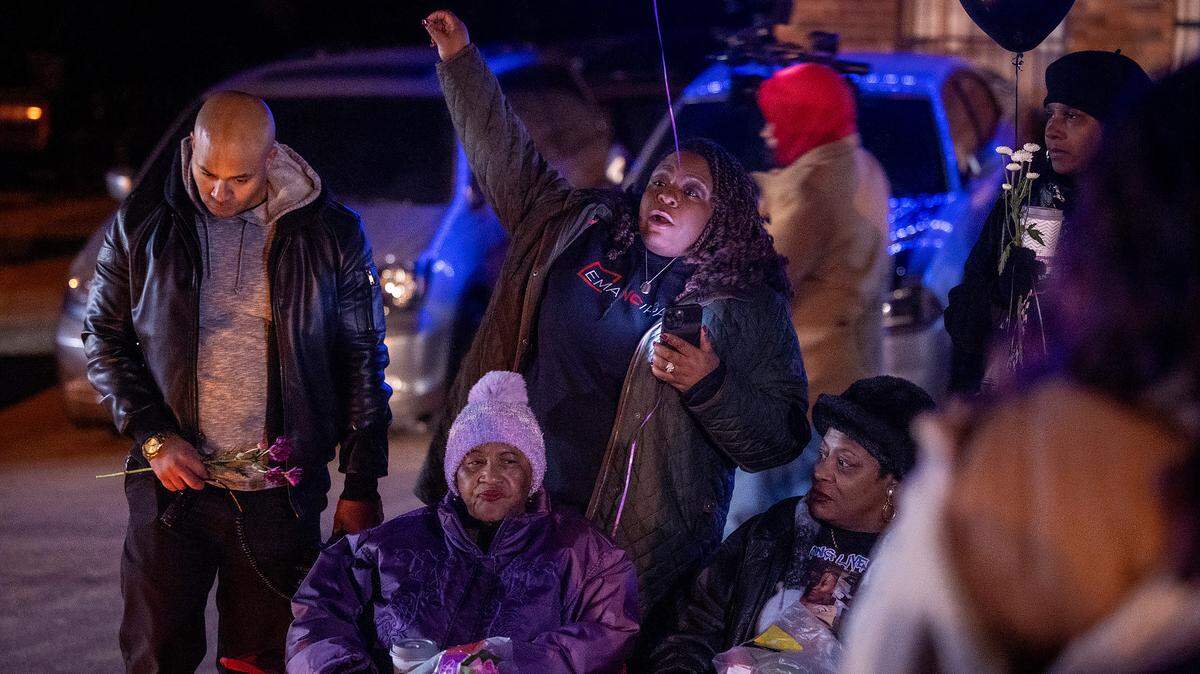
In March 2024, Williams’ mother, Sonya, filed her lawsuit in the federal Eastern District of North Carolina. The defendants included the city, then-Raleigh Police Chief Estella Patterson, City Manager Marchell Adams-David and five of the officers involved in Williams’ arrest.
United States Judge James Dever dismissed Patterson and Adams-David from the lawsuit on Feb. 25. Dever agreed with the city that the evidence didn’t meet the legal threshold on claims that the two leaders condoned or were deliberately indifferent to a pattern of officers abusing or misusing Tasers. Dever also rejected the argument that the city’s Taser policy was unconstitutional.
Claims against the officers remained, as well a claim that the city failed to properly train its officers.
The settlement, which prohibits all parties and their attorneys from making disparaging remarks about one another, was reached after two court-ordered mediation sessions in June and September, the settlement agreement states.
The settlement indicates that the money will be paid by the city and one of its insurers. Raleigh spokesperson Julia Milstead said the amount the city will pay hasn’t been determined yet.
No part of the settlement agreement shall be “considered, constitute, or be cited by anyone involved in the lawsuit “as an implication or admission of any negligence, wrongful conduct, or violation of law,” the agreement states.
News & Observer reporter Anna Roman contributed to this article.
Virginia Bridges covers criminal justice in the Triangle and across North Carolina for The News & Observer. Her work is produced with financial support from the nonprofit The Just Trust. The N&O maintains full editorial control of its journalism.
This story was originally published December 4, 2025 at 5:30 AM.