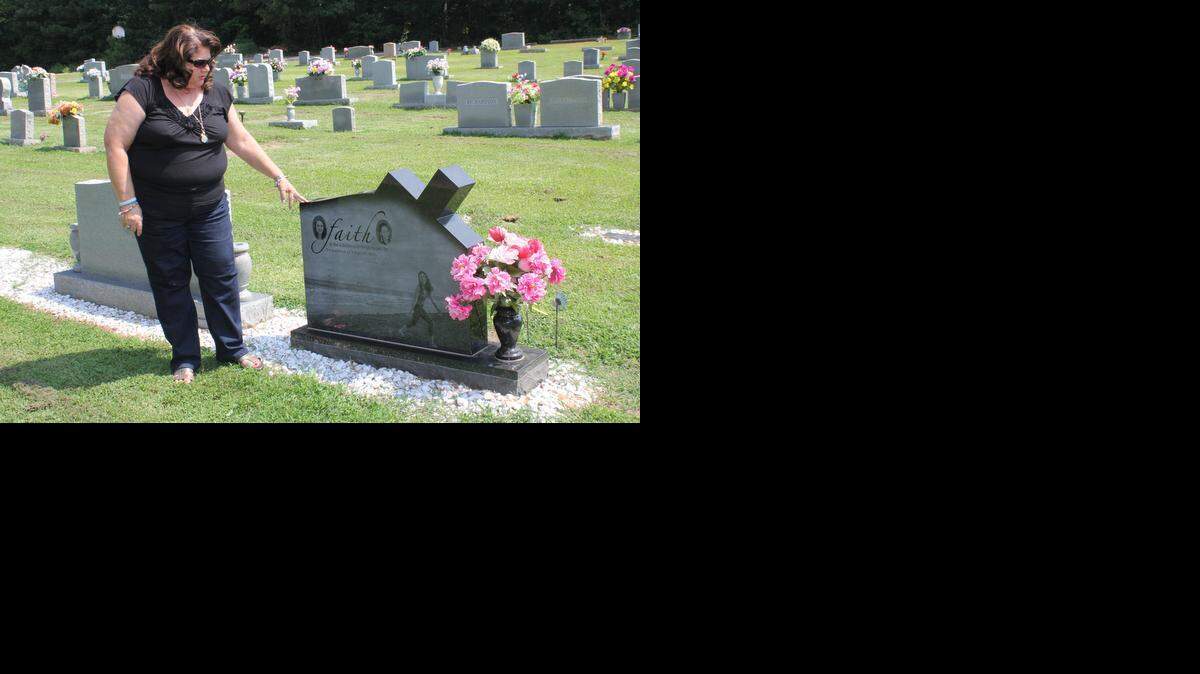
Date set for trial of man accused of killing, raping UNC student Faith Hedgepeth
AI-generated summary reviewed by our newsroom.
- Judge set trial date for Miguel Salguero-Olivares on Sept. 28, 2026.
- Judge pressed prosecutors and defense to avoid further delay in trial scheduling.
- Investigators used DNA testing and ancestry technology to identify a suspect.
READ MORE
Faith Hedgepeth Murder
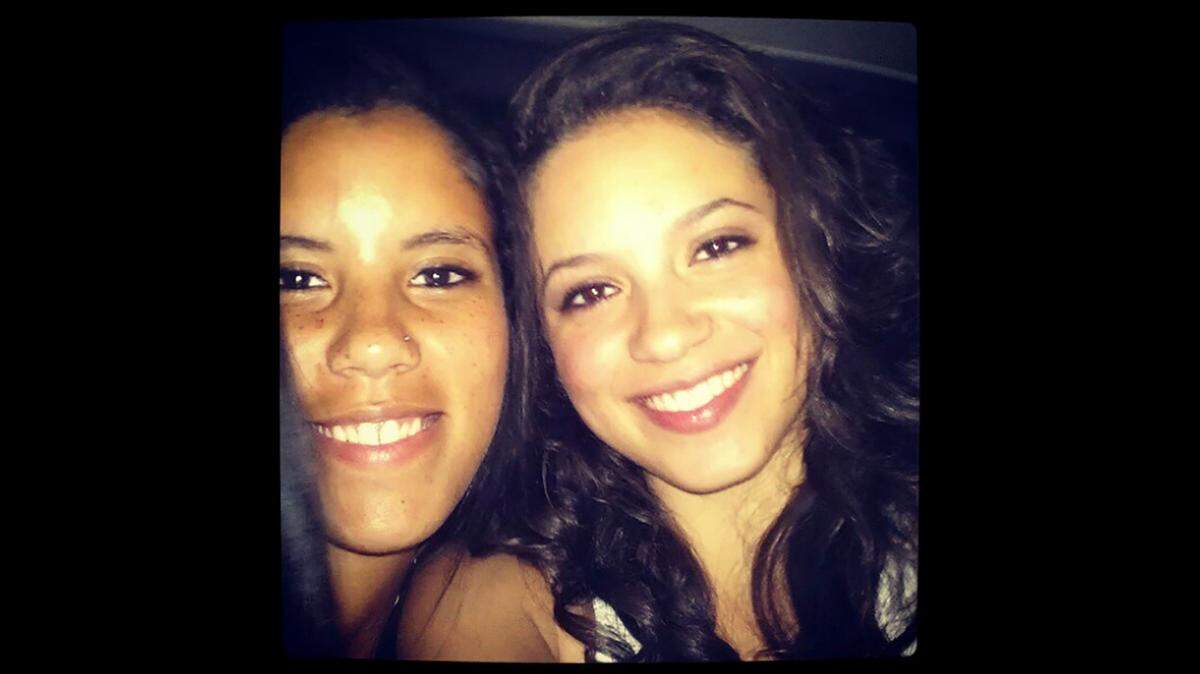
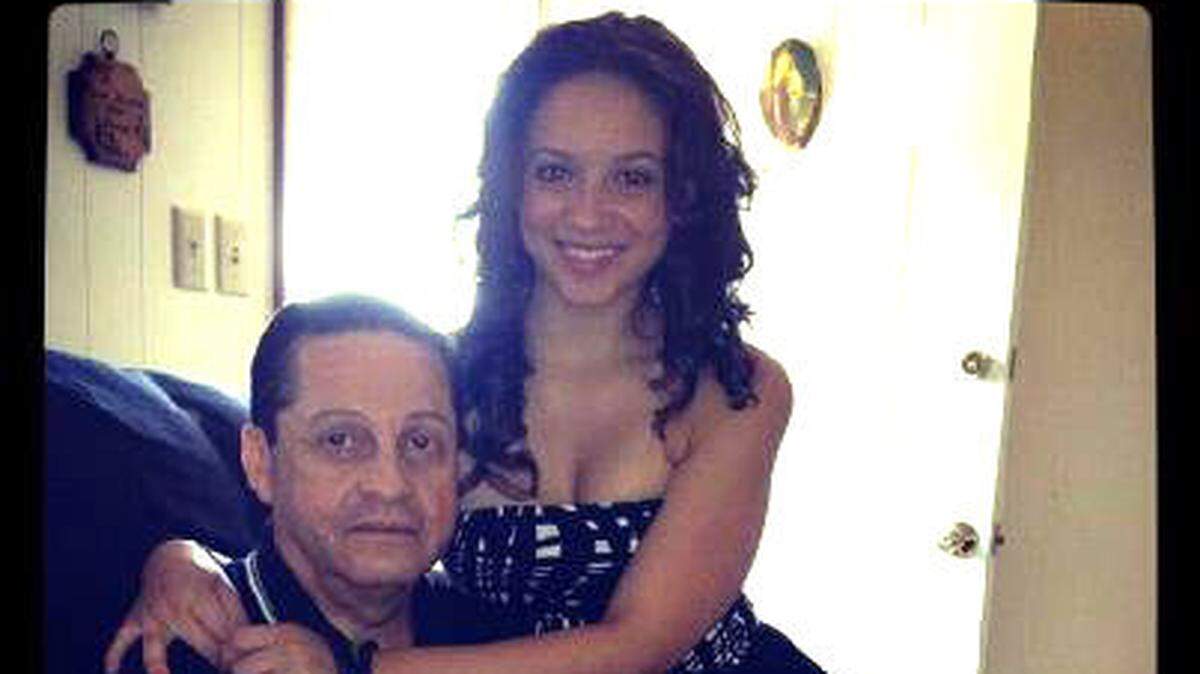
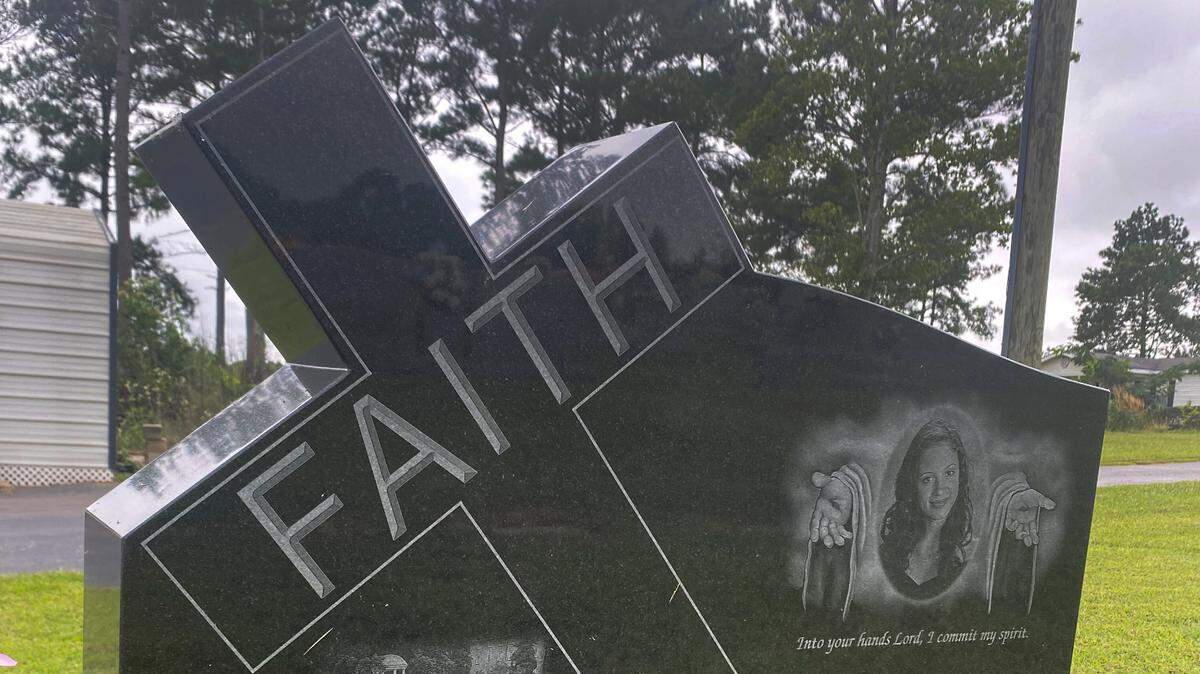
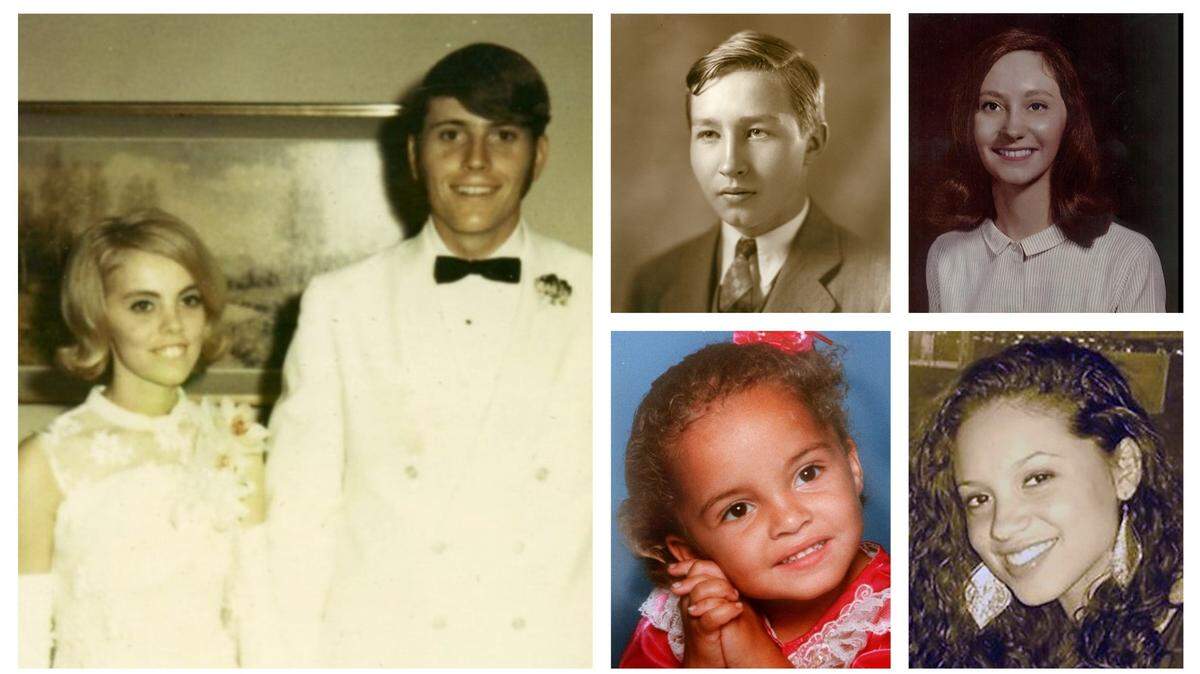
Faith Hedgepeth was a UNC sophomore when she was killed on Sept. 7, 2012. Her murder was unsolved until Sept. 16, 2021, when Chapel Hill police made an arrest in her case. Here’s ongoing coverage about Hedgepeth and the case.
Expand All
A judge forced attorneys on Thursday to set a date for the trial of the man charged with killing UNC student Faith Hedgepeth in 2012.
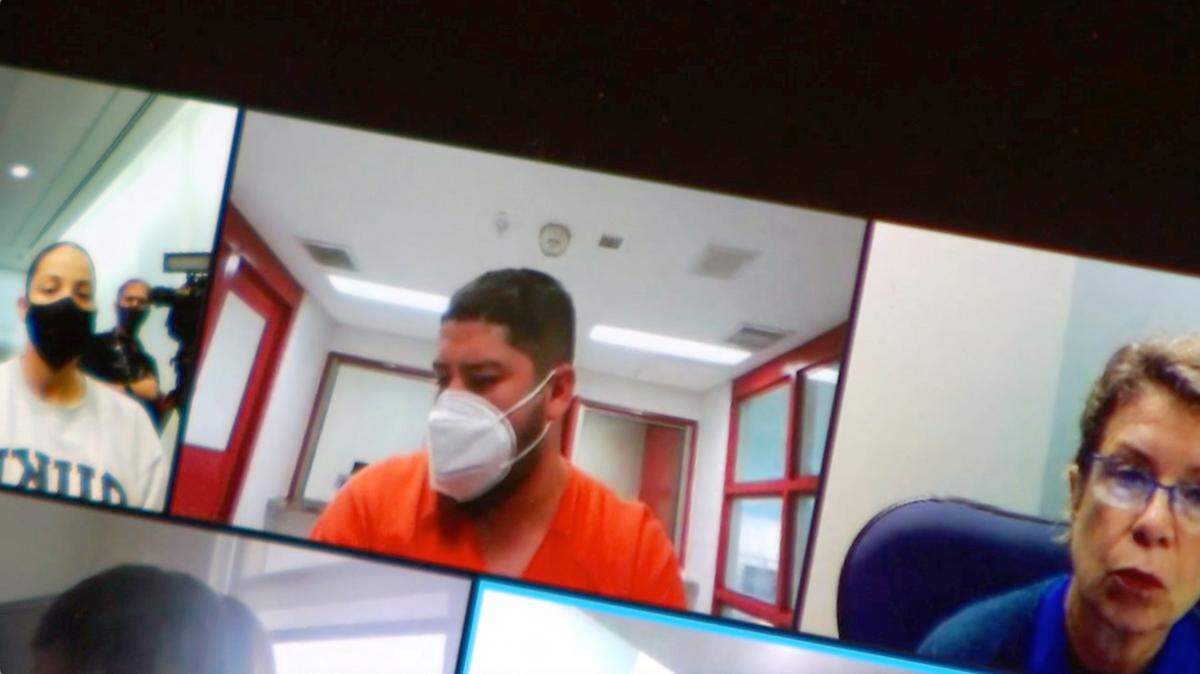
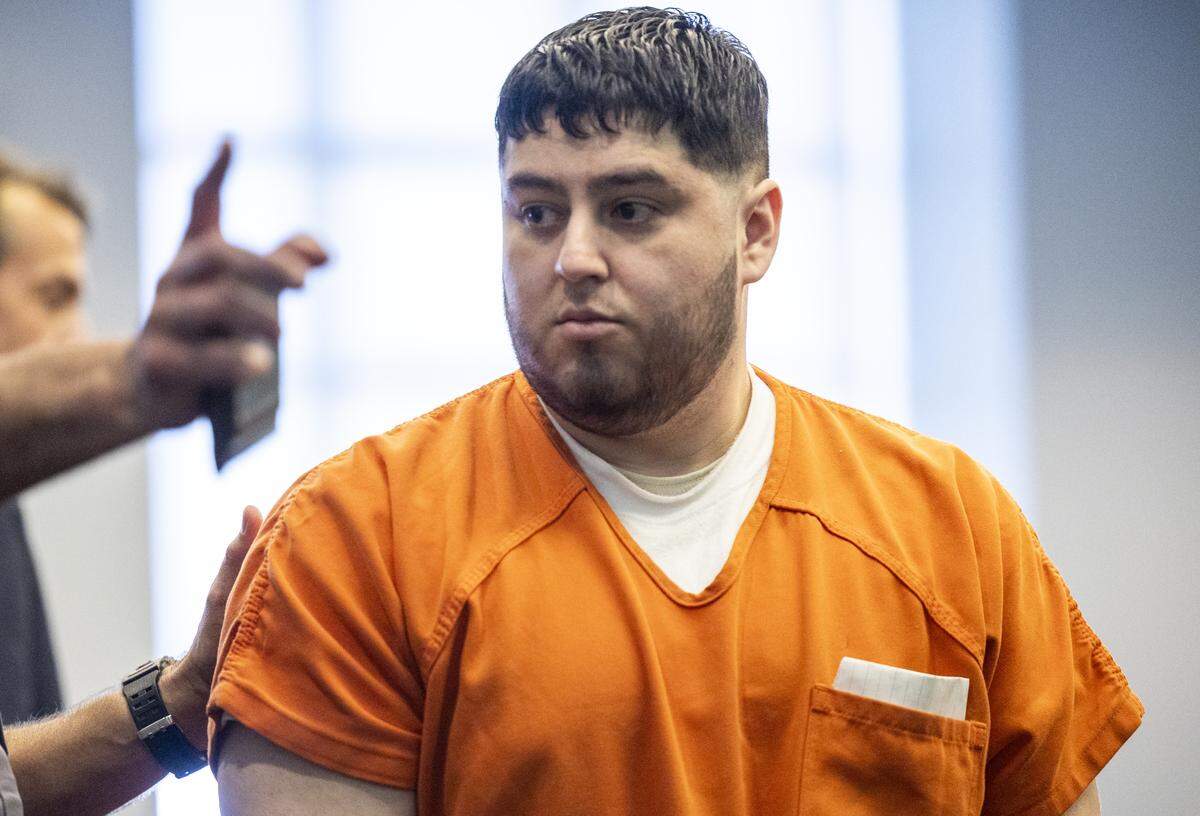
At the start of a Thursday hearing, Superior Court Judge Keith O. Gregory said the first thing he wants address is to set a trial date, pointing out that the killing goes back to 2012 and the defendant, Miguel Salguero Olivares, has been in jail for four years.
Initially, Durham Assistant District Attorney Angela Garcia-Lamarca said that setting a date would be premature, as they are awaiting testing of more of the evidence that could take months.
But Gregory didn’t agree.
“I am trying to justify in my head how I look at the family of the victim, and how do I look at the defendant’s family, and say we have to wait another two years before this case is tried,” said Gregory, a Wake judge who has been appointed to preside over the case.
“This matter needs to be tried,” he said.
Defense attorney James Rainsford agreed, requesting a May 2026 trial date.
Why the long wait for a trial?
Garcia-Lamarca said the slowdown in the case could be attributed to the large amount of evidence that was obtained and generated by multiple agencies that have been investigating off and on since 2012.
“What we have found is that getting all the discovery, finding it, confirming that we have everything and giving it to defense has been our number one challenge,” Garcia-Lamarca said.
State crime lab officials have told prosecutors several times that they have done more lab reports and analysis for the investigation than for any other case, Garcia-Lamarca said.
Salguero Olivares hired a new team of attorneys at the end of last year, which resulted in prosecutors starting the process again to share the large amount of evidence in the case, Garcia-Lamarca said.
Defense attorneys have also asked to test some untested evidence , and prosecutors want that evidence to be tested by state experts first, Garcia-Lamarca said. Prosecutors are aaiting for a list of items from defense attorneys outlining what they want tested, so she can send them to the state lab, where the process could take months to complete, she said.
Still, the judge said the case is “old” and it needs to move forward, resulting in the attorneys agreeing to a Sept. 28, 2026 trial date.

Arrest made nine years after the crime
After thousands of interviews and hundreds of tests on DNA samples, police turned to ancestry technology to identify a suspect, according to search warrants.
They used DNA collected at the apartment to locate and interview distant relatives of Salguero Olivares, who was arrested and charged with murder in 2021.
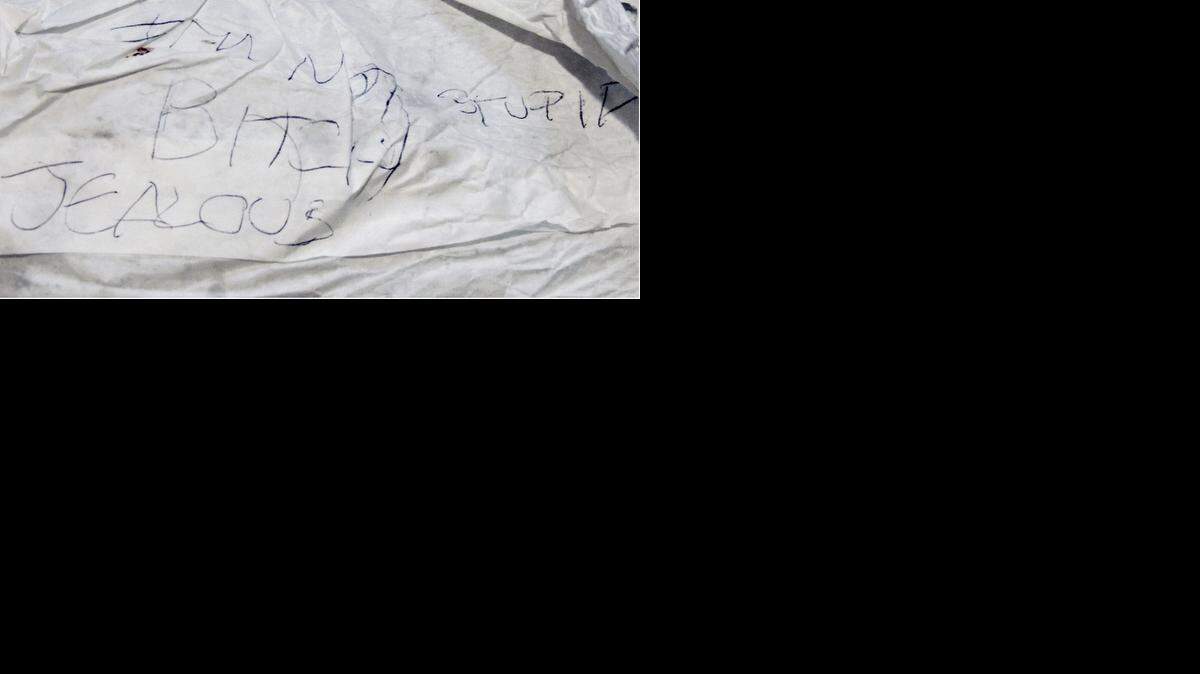
A male’s DNA was collected from Hedgepeth’s body for a rape kit. DNA was also found on a liquor bottle and a note believed to be written by the killer, according to search warrants.
In November 2024, prosecutors added burglary, rape and sexual assault charges, alleging Salguero Olivares broke into Hedgepeth’s home and raped her.
Before the killing, Hedgepeth had temporarily moved in with Karen Rosario, her friend and fellow UNC student, in a one-bedroom apartment until she could move into her own place. On the morning of the killing, the women were together from midnight to 2:06 a.m. at a nightclub before returning to the apartment on the Chapel Hill and Durham border, according to court documents.
Rosario told police that she left her apartment around 4:25 a.m., after calling and asking someone she had seen at the club to come pick her up, according to court documents. Rosario returned to her apartment around 11 a.m. the next day when she called 911, frantic, saying she found an unresponsive Hedgepeth and blood all over the pillows and a comforter.

Defense attorney says evidence is missing
Over the summer, Salguero Olivares’ attorneys filed requests to test the evidence independently, arguing it could show that Rosario was in the home at the time of the killing.
Salguero-Olivares’ filings state that Rosario had a drop of blood on her finger when she was picked up and a smudge of blood was found in the bathroom where Rosario said she was sitting before she left the apartment.
On Thursday, Rainsford said if the state tests the items, they would likely not need to do independent tests. He also said that while an investigation report states that police collected a swab of blood from the bathroom door frame where Rosario was sitting, it isn’t in the evidence.
The judge ordered prosecutors to provide a report on that piece of evidence by mid-December.
If they lost the evidence, that’s fine, the judge said.
“You just need to know the truth,” he said.
Some other issues discussed during the two-hour hearing included a request by Rainsford for law enforcement to outline in an email all the evidence that they didn’t collect, which the judge denied.
Police didn’t collect notecards that were next to the bed where Hedgepeth was found, as well as a wine bottle and a cup in another room, Rainsford said.
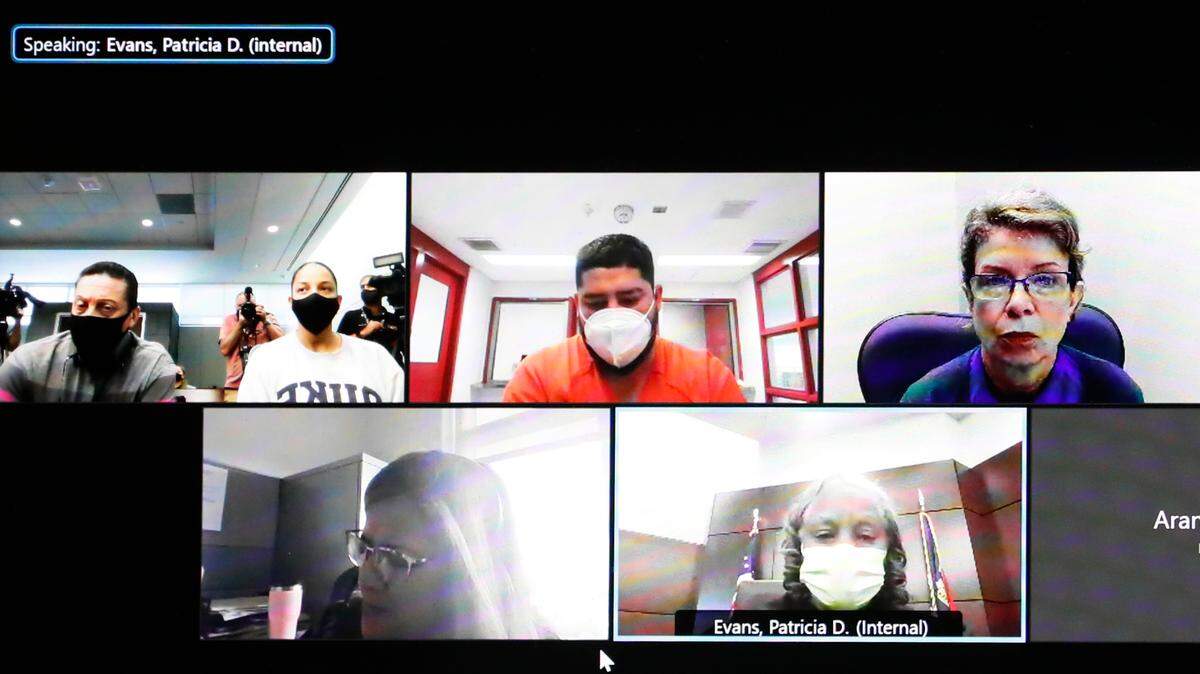
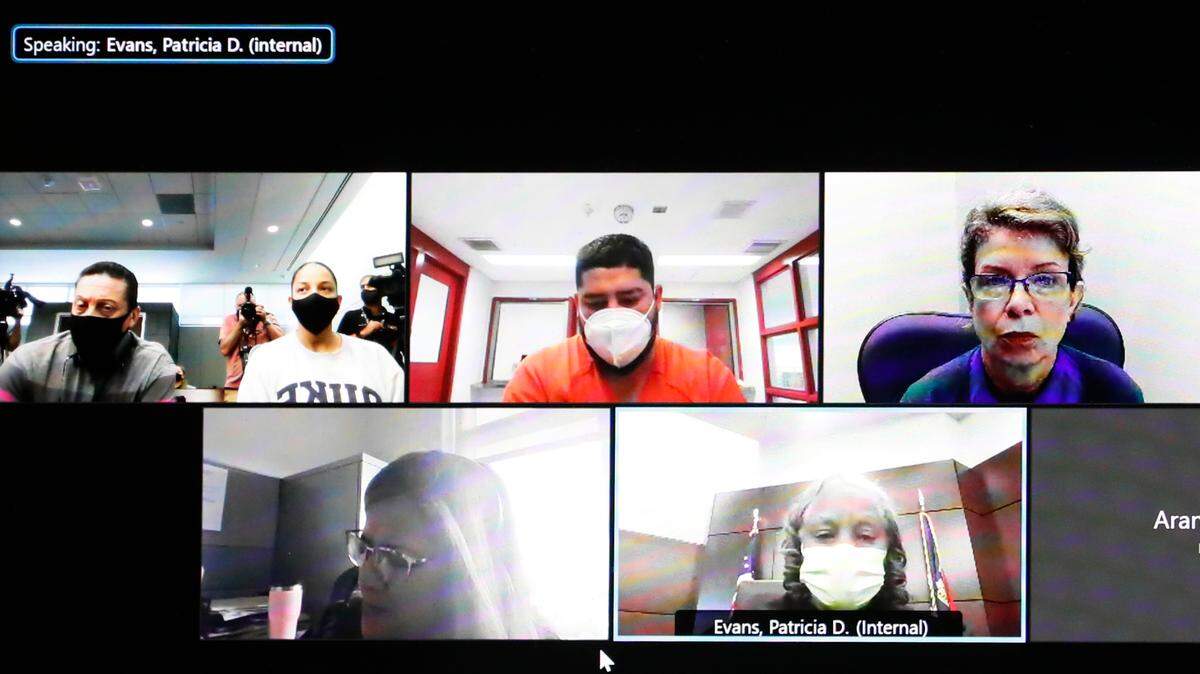
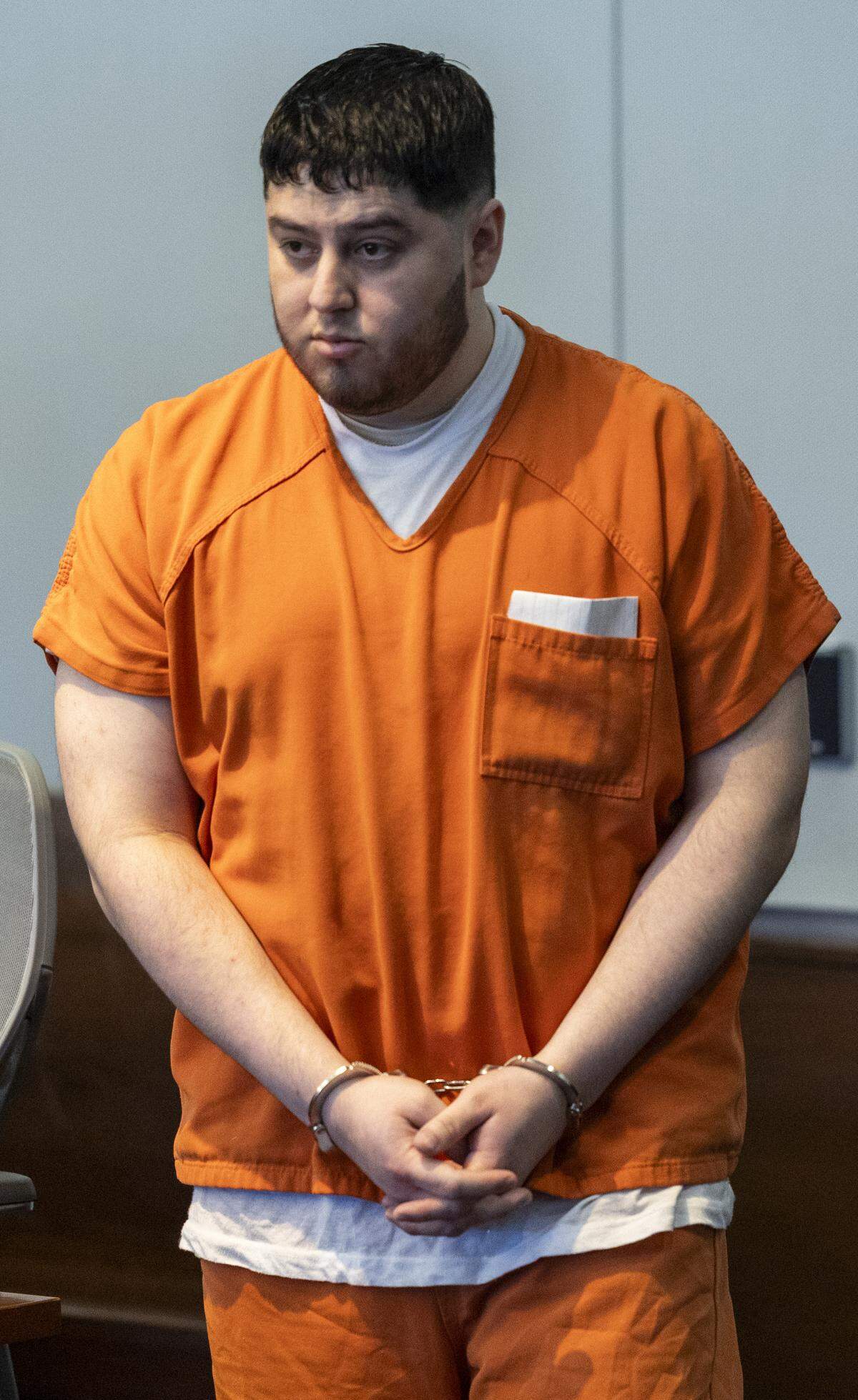
At the end of the hearing, deputies escorted Salguero Olivares out of the courtroom. Wearing orange jail scrubs, he moved slowly, with his ankles in shackles and his hands cuffed to a chain around his body. But he managed to nod at a family member sitting in the courtroom.
Hedgepeth’s family, including her father, also attended the hearing. They left the courtroom, declining to speak with reporters.
Virginia Bridges covers criminal justice in the Triangle and across North Carolina for The News & Observer. Her work is produced with financial support from the nonprofit The Just Trust. The N&O maintains full editorial control of its journalism.
This story was originally published November 6, 2025 at 11:39 AM.

.JPG)