
Former Durham Habitat CEO claims wrongful termination in lawsuit

AI-generated summary reviewed by our newsroom.
- Tiana Joyner filed a federal lawsuit alleging wrongful termination by Durham Habitat.
- Lawsuit claims board retaliation after Joyner disputed chair’s remarks at 2024 retreat.
- Durham Habitat faces financial strain, reduced builds and plans to sell two houses.
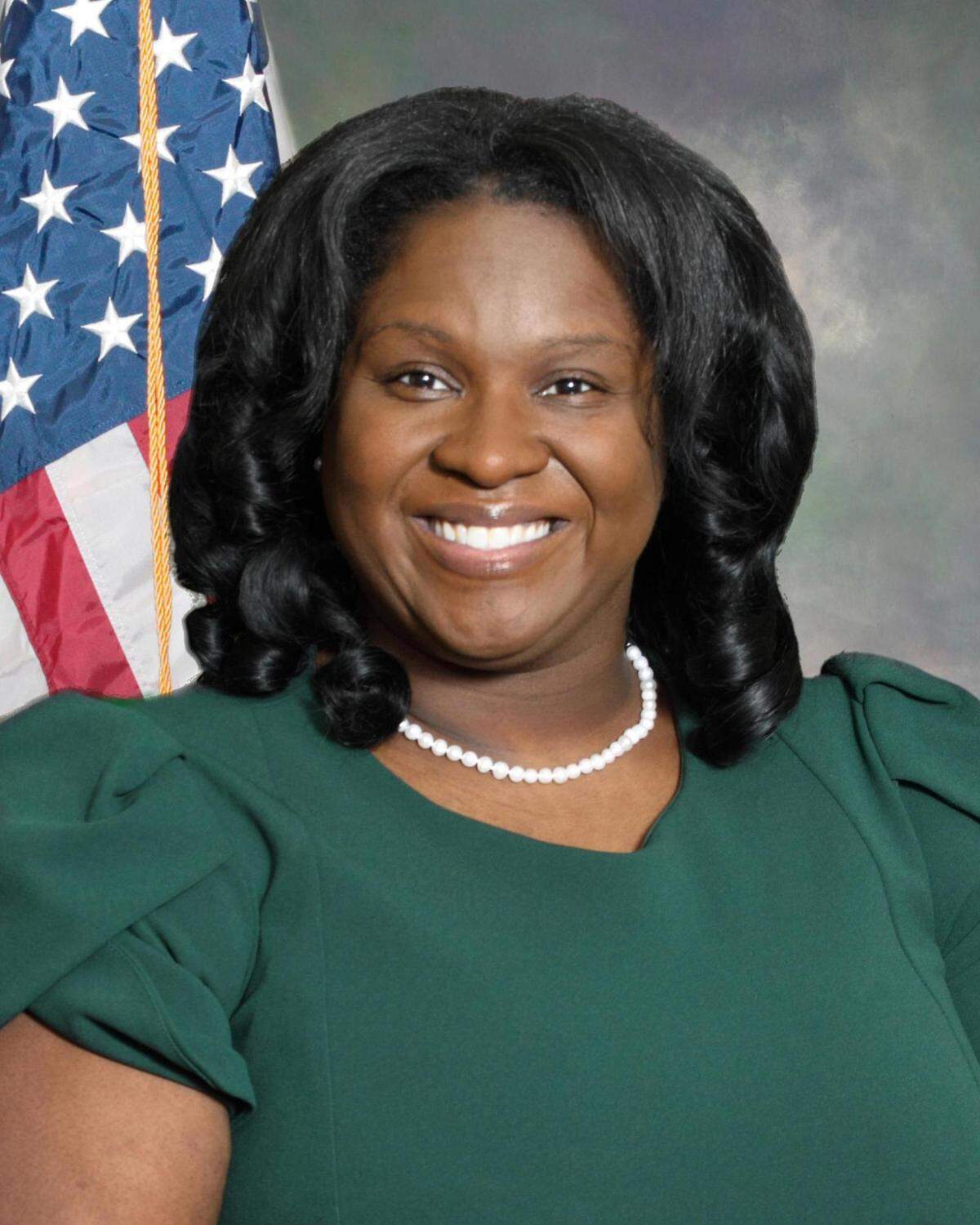
Late last year, Durham Habitat for Humanity CEO Tiana Joyner left her job with no public explanation from the board. Her departure came at a time of rising construction costs and a decline in the number of houses the nonprofit had built.
“No apparent reason given,” said Gene Carlone, a longtime donor and volunteer. “She just wasn’t there anymore.”
On Wednesday, Joyner told her version of why in a federal lawsuit. She accuses the 40-year-old nonprofit of wrongfully firing her. She claims her falling out with Habitat’s board started after she disputed then-chairman Carleena Deonanan’s claims that a fundraising consultant’s presentation at a board retreat in August 2024, carried an attitude of “white supremacy.”
“Deonanan made it clear that because Joyner was a black woman, Deonanan expected Joyner to parrot Deonanan’s own views about acceptable attitudes toward, and depictions of, black and white workers and volunteers,” Joyner’s lawsuit says.

The board dismissed Joyner after a “sham investigation into nonexistent financial misconduct,” after just under two years on the job, the lawsuit also contends.
Joyner’s suit comes as the long-esteemed nonprofit is in the midst of financial struggles, and has decided to sell two homes on the open market to raise money, Habitat officials confirmed.
In prior years, Durham Habitat built roughly 15 to 20 houses a year, but that number fell to 12 last year, the nonprofit’s reports show, and it may build fewer than 10 this year.
Details of its financial challenges have only recently been made public. In an Oct. 31 Zoom interview, Durham Habitat CEO Nimasheena Burns and board chairman Ernest Smith, appointed July 1, acknowledged the Durham Habitat chapter faces financial challenges, but said little about past management’s role.
Burns said she’s had difficulty finding records that would help stitch together what had happened in prior years, and suggested some may have been destroyed from water damage at a prior office location. And they provided little explanation for the turnover at the top of the nonprofit.
“We’re restructuring,” said Burns, a former Durham county commissioner who was hired in July. “We have stabilized because we recognize that there are multiple projects that are going on that, not just us, but no Habitat, could have taken on by itself.”
Selling homes
At an annual donors’ meeting eight days prior to the interview, Burns also fielded questions about the financial status of the nonprofit, which has long attracted volunteer and financial support in Durham.
Carlone, the former board member, said in an interview he found it troubling that a nonprofit long devoted to building homes for low-income people was looking to sell two homes. Affordable housing has long been a major concern for residents and government officials in the Bull City.

Durham Habitat for Humanity and its sister nonprofits in communities around the world use staff, volunteers and donated materials to build housing at a lower cost to families that can’t afford to buy at market rates. Habitat chapters offer no- or low-interest mortgages to homebuyers, who also spend time volunteering at construction sites, building sweat equity.
It’s a model that has provided homes for roughly 500 families in Durham over the past 40 years, said Carlone, who has volunteered for the nonprofit for 18 years.
But the Habitat approach is facing challenges in Durham, which like much of the Triangle has seen fast rising housing prices and property values in a hot market. The cost of construction materials have also gone up sharply.
At the donor meeting, Burns said the two single-family houses on East Enterprise Street are being sold because taxes, insurance and other fees made them too expensive, even with the volunteer labor and donated materials, for lower-income families to afford, Carlone said.
The two houses have been ready for occupancy for several months, city inspection records show. Burns said in an emailed statement on Wednesday that the nonprofit wants to sell them to moderate-income families and is still working out how to do that.
The Charlotte region habitat has taken this approach in putting homes on the market, Burns said. On Saturday, Peter Brown, a spokesman for the Charlotte Habitat, said it sets a maximum of 80 percent average median income for homebuyers.
One of the ways Durham Habitat is tackling the rising construction and property costs is by moving away from single home construction to building townhomes, Carlone said, which offer more units on the same lot.
“My sense is the staff is trying to right the ship,” he said. “Everybody I’ve talked to on the construction side, they are trying to do the right thing.”
Retreat controversy
Joyner’s lawsuit, which Durham Habitat has not had a chance to respond to in court filings, makes clear that she believed she was doing the right thing while leading the organization. In her first year she received a strong performance review and a merit-based pay increase, the lawsuit states.
It all turned sour at the August 2024 board retreat when a white speaker with a fundraising consulting firm, who also was a volunteer, showed a picture of her two white children with two Black children at a Habitat building site, the lawsuit says.
After the speaker left, Deonanan “described the picture above as “white supremacy’” and stated that she was offended by it, the lawsuit says.
Joyner and other Habitat staff pushed back on Deonanan’s remarks but were “shouted down” by her and other board members, the lawsuit says.
Deonanan, who is an attorney, could not be reached by phone. She became interim executive director until Burns was hired but is no longer listed as a board member.
After the retreat, Deonanan began limiting Joyner’s time before the board at meetings and challenged her actions, the lawsuit says. A board member, who later left, warned her that the board was making her job difficult to force her out, the lawsuit says.
In October, Joyner complained about the board’s treatment to a human resources representative, the lawsuit says. Shortly after, the board began questioning $1,400 in expenses on a Habitat credit card, some of which were spent on a surprise birthday party for her that board members had been invited to.
After the board placed Joyner on involuntary administrative leave, Deonanan wrongly claimed that Joyner had “signed unauthorized contracts” and “allowed staff to use (Durham Habitat) credit cards for improper, personal transactions,” the lawsuit says.
Durham Habitat “never hired a forensic auditor, nor did it otherwise engage any external investigator” to identify or confirm any misspending, according to the lawsuit.
The nonprofit had not posted its most recent audit covering the two years ending June 30, 2024, until late last month after The N&O had requested it. The nonprofit’s most recent impact report, dated March 5, 2025, gives no indication of a construction slowdown, and makes no mention of Joyner’s dismissal.
Little comment from people with stakes in lawsuit
Smith, the current board chairman, said Wednesday that he and other officials with Durham Habitat couldn’t comment on the lawsuit.
“We were aware that she was moving in that direction, and we have attorneys who are handling that,” he said. “We are looking forward to our day in court.”
An N&O reporter sought to talk with Joyner on Wednesday about Durham Habitat’s finances. She said she would call back later that day.
Instead, the N&O received an email from her attorney, Jonathan Marx of Raleigh, who said Joyner had filed the lawsuit and is “not in a position to comment on any changes at Habitat after her departure.”
Joyner is seeking reinstatement to her job plus back pay and benefits. She also wants compensatory and punitive damages, and for the board to “adopt and enforce policies and training to prevent retaliation,” the lawsuit says.
This story was originally published November 14, 2025 at 11:54 AM.