A dozen rental homes collapsed, but NC Outer Banks says it’s still open for business
AI-generated summary reviewed by our newsroom.
- Dozen Buxton and Rodanthe houses fell into the surf; Outer Banks stays open.
- Collapse affected a tiny share of rentals; most vacation properties remain available.
- National parks, museums and seasonal events operate normally; bookings continue.
As the lights dimmed on this year’s final performances of “The Lost Colony” in Manteo, another outdoor drama spontaneously opened 50 miles to the south.
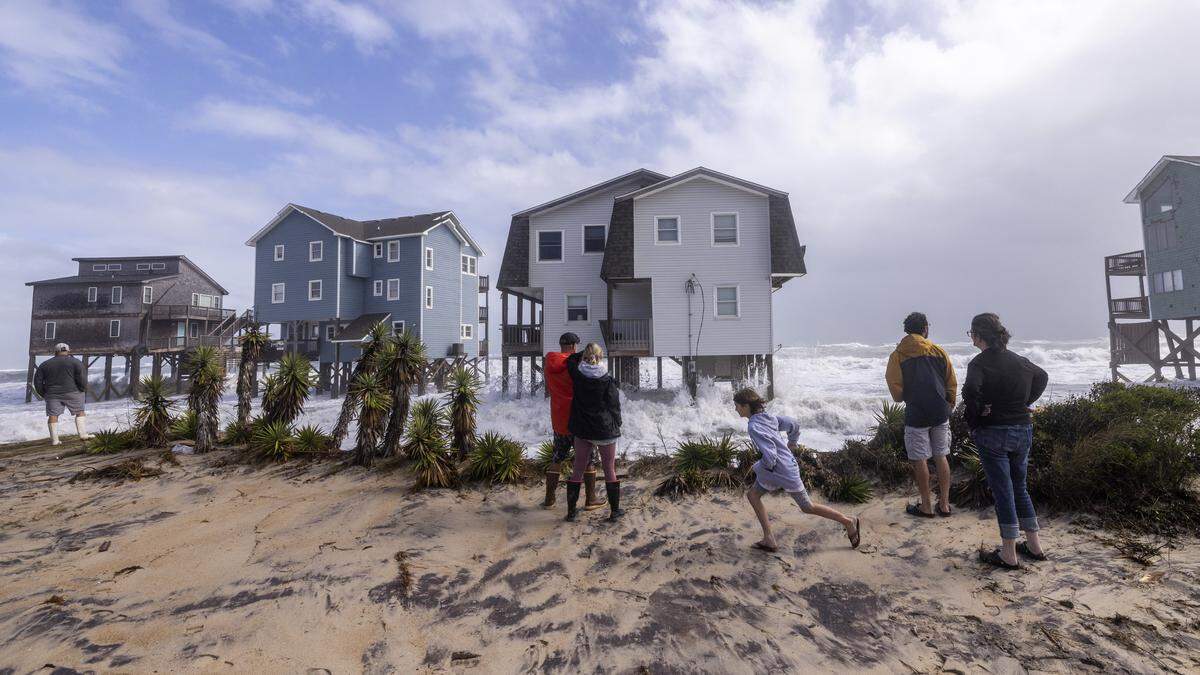
This live show took place on a mile-long stretch of beach in the village of Buxton, on Hatteras Island. In mid-August, a series of passing hurricanes and nor’easters started chewing up the Buxton shoreline. At high tide off and on for weeks, huge waves pounded the pilings of houses that had stood three football fields from the water when they were built.
By the end of October, 15 homes in Buxton and one in Rodanthe had twisted and tumbled into the surf, their creaking and cracking captured on video by rapt crowds standing knee-deep in sea foam and splintered pine. Through newscasts and social media shares, the images drew millions of views around the world.
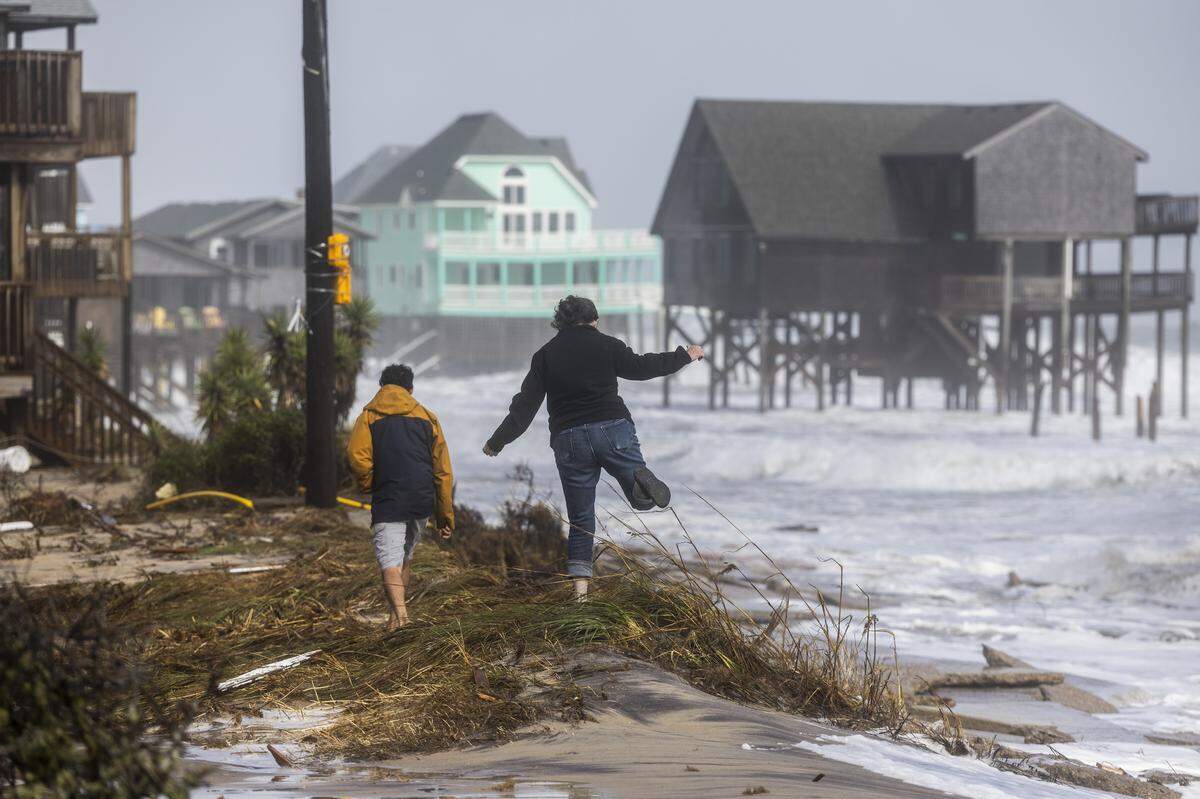
Anyone who hasn’t visited the N.C. Outer Banks might have thought the whole chain of barrier islands from the Virginia border through Ocracoke was too dangerous for business.
But a shark bite in Florida doesn’t mean the entire East Coast is infested with man-eaters. And while the houses lost are acutely missed by the homeowners and their village neighbors, they represent a tiny fraction of the properties available for rent in one of North Carolina’s most popular tourist destinations.
“It’s not hard to have misperceptions when you’re seeing these horrific images of homes falling into the water,” said Lee Nettles, executive director of the Outer Banks Visitors Bureau. “But all of Buxton isn’t even closed, let alone all of the Outer Banks.”
People have focused on the fallen structures along the coast much the way they fixated on videos of the flooding and landslides in the North Carolina mountains after the remnants of Hurricane Helene hit there in September 2024. That damage was much more widespread but, except for the first days immediately following the storm, most areas of the mountains quickly began reopening and asking visitors to book stays in hotels and rental homes, eat in restaurants and shop in stores.
Nettles says the attention from the erosion problems on Hatteras Island comes with the territory.
“Part of the appeal of the Outer Banks in the first place is that we’re sitting off the North Carolina coast by 30 miles at one point. We have a front-row seat for Mother Nature in all her splendor. Usually that goes in our favor, but it can go against you sometimes.”
At one time almost exclusively a summer tourism destination, the region now draws people in the “shoulder seasons” as well, especially for fall fishing.
Fall and winter also are when many travelers book their summer stays, and while some of the houses that have collapsed in Buxton and Rodanthe were used as rentals, Nettles wants people to know that most of the vacation rental market has been unaffected by this year’s storms.
Outer Banks tourist attractions also are fine: nearly all of the Cape Hatteras National Seashore, the Wright Brothers and Fort Raleigh national historic sites, the national wildlife refuges, Jockey’s Ridge State Park, the Graveyard of the Atlantic Museum and the N.C. Aquarium at Jeannette’s Pier.
In recent years, local businesses also have started events to celebrate the holidays, such as the Twelve Bars of Christmas and the Misfit Bars of Christmas.
Nettles said he understands why people are fascinated with the house-collapse videos.
“The people who live here have such a tight connection with the community and the place, and our visitors feel that connection, too,” he said. “So when you see that kind of destruction, it’s dramatic and it’s heartbreaking.”
But Dare County is about 100 miles long, and the Outer Banks as a whole stretches almost 200 miles. A visitor could walk the length of the affected beachfront areas in Buxton and Rodanthe in an hour while taking time to look at seashells on the sand.
“It’s three miles,” Nettles said.
This story is available free to all readers thanks to financial support from the Hartfield Foundation and Green South Foundation, in partnership with Journalism Funding Partners, as part of an independent journalism fellowship program. The N&O maintains full editorial control of the work. If you would like to help support local journalism, please consider a digital subscription, which you can get here.