NC Christmas tree growers hope for a brighter season a year after Hurricane Helene
In what might be counted as a generous gift, Christmas tree experts say it appears not a single North Carolina tree grower was put out of business by the remnants of Hurricane Helene that ripped through the mountains in September 2024.
Flooding and landslides across the region where most of the state’s Christmas tree crop is produced did leave some farmers struggling, however.
Here’s how to help.
Has 2025 been good for NC Christmas tree growers?
Will Kohlway IV, an extension specialist in Christmas tree production and marketing for N.C. State University, says it appears all 940 of the state’s tree growers held on for another season.
While some growers experienced devastating losses from Helene of tens of thousands of trees, the annual statewide harvest is around 3.2 million trees, so consumers shouldn’t notice a drop in supply.
Another gift to both growers and shoppers: While there was a spell of drought this year, overall it was a stellar growing season and, Kohlway says, “The trees look amazing.”
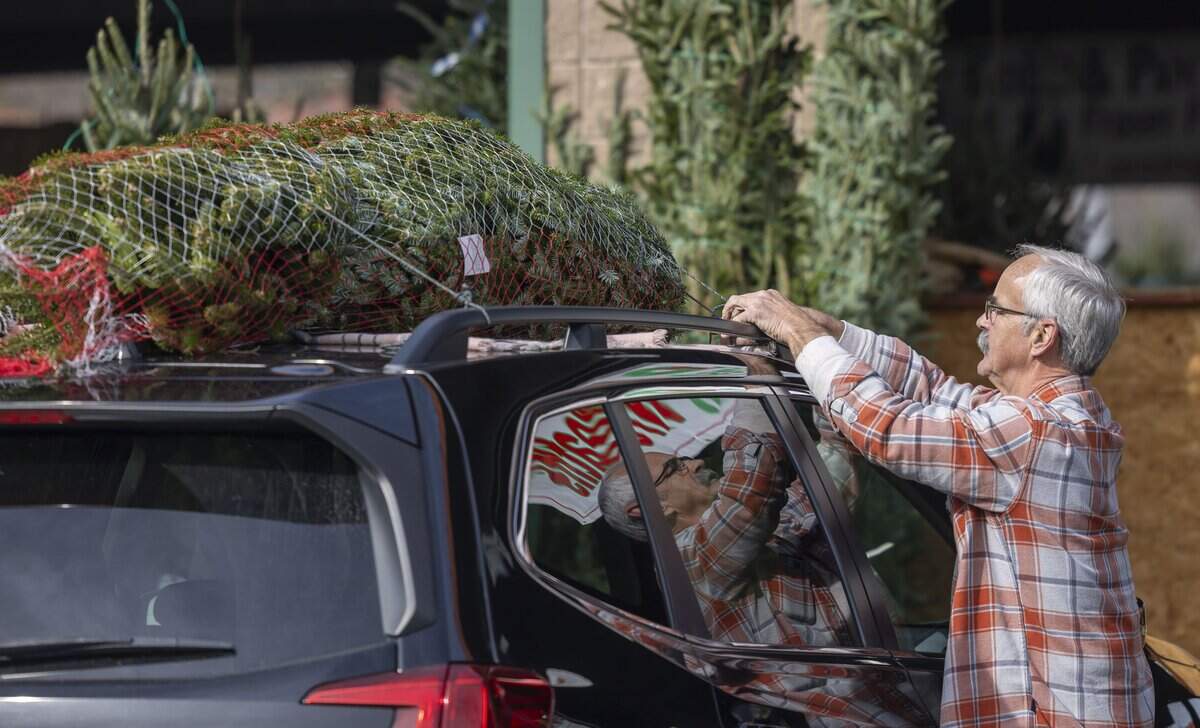
Like many shoppers, Kohlway went into the hills over Thanksgiving weekend and picked out a tree, which he hauled home on the top of his Honda.
“I saw some people with three and four trees tied to the tops of their cars,” Kohlway said.
Because supplies are good, Kohlway said, prices are expected to be comparable to 2024. The best way to help tree farmers, he says, is to leave the fake tree in the attic to gather more dust and go get a fresh tree.
Where can you buy a fresh-cut NC-grown Christmas tree?
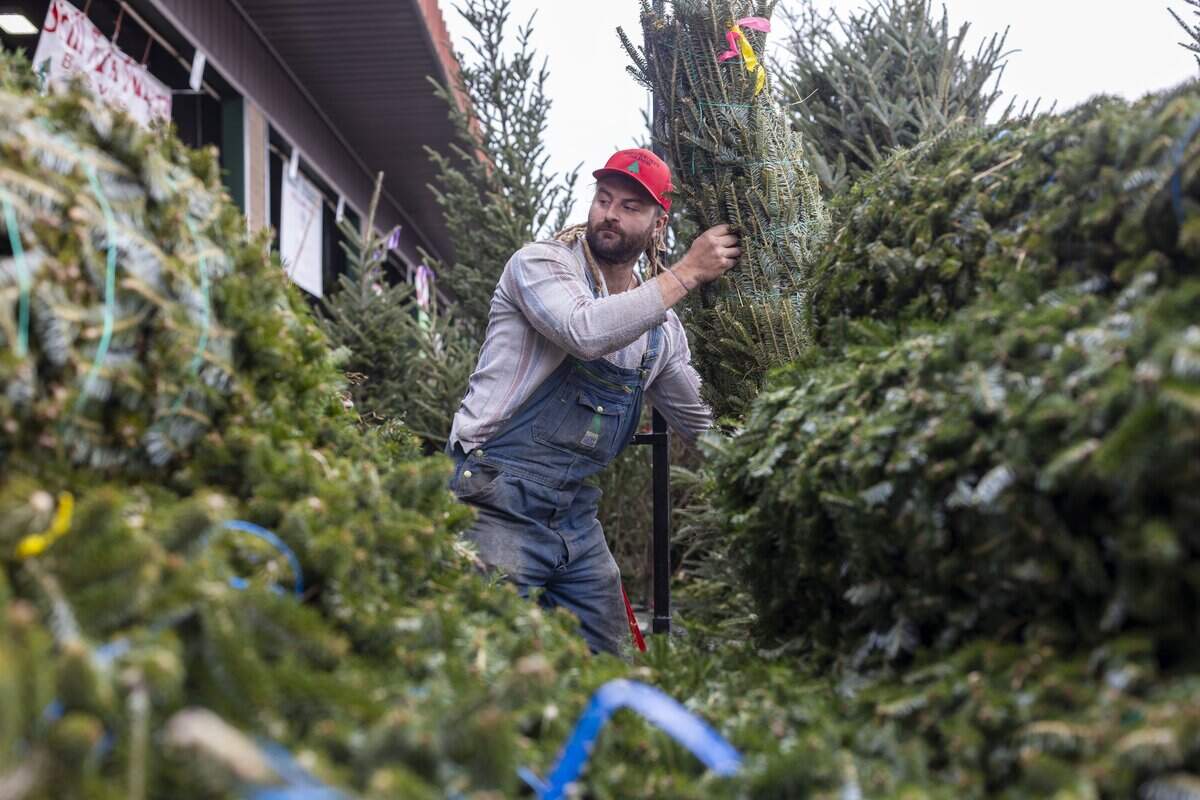
North Carolina growers harvest trees for retail sales mostly in November, so the trees available at plant nurseries and home-improvement and grocery stores are as fresh as shipping times and consumer excitement allow.
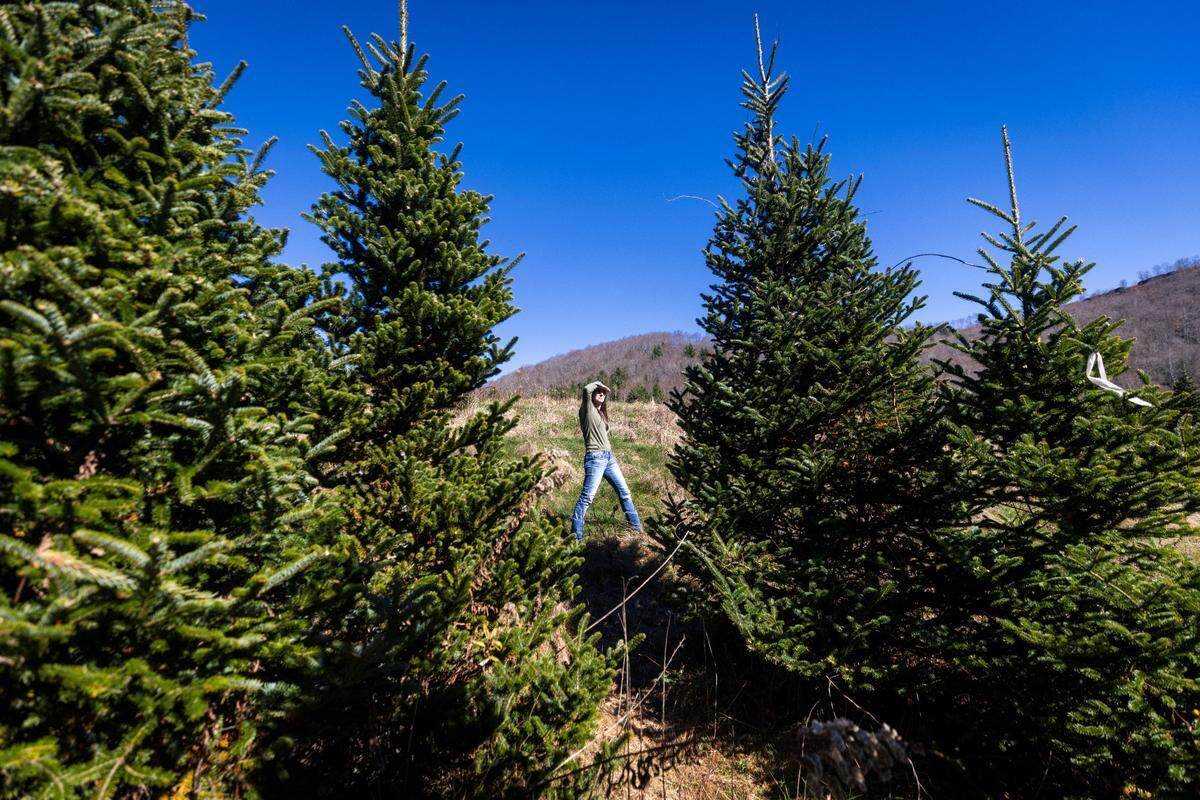
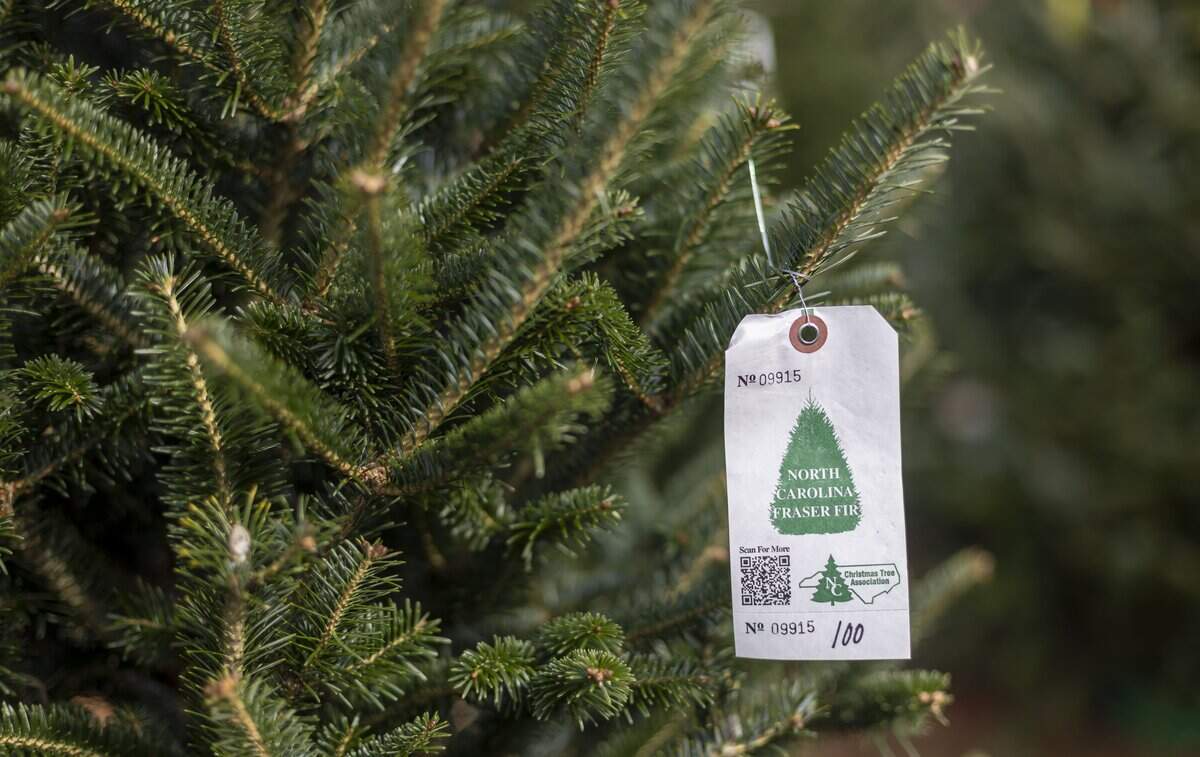
To get the very freshest foliage, it’s worth a few hours’ drive to a choose-and-cut farm. Those are located across the mountains, where growers produce the famed Fraser fir, “the Cadillac of Christmas trees,” which are most of what’s produced in North Carolina.
Farther east, growers sell white pines and other varieties that also are available as choose-and-cut.
The N.C. Christmas Tree Association maintains a list of choose-and-cut farms on its website. Some accept appointments, others are drop-in.
Check the farms’ websites for hours and amenities such as hay rides, hot chocolate, mulled cider and sales of greenery such as garland and pre-made wreaths.
The association also lists some of the retail lots that have opened to sell fresh trees, including the N.C. State Farmers Market in Raleigh.
Can you help NC growers without buying a tree?
While some farms came through Helene largely unscathed, others took huge losses that will require years of recovery.
David Pittmans’ Christmas Tree Farm in the Avery County community of Plumtree, lost hundreds of mature trees to landslides caused by excessive rain from Helene.
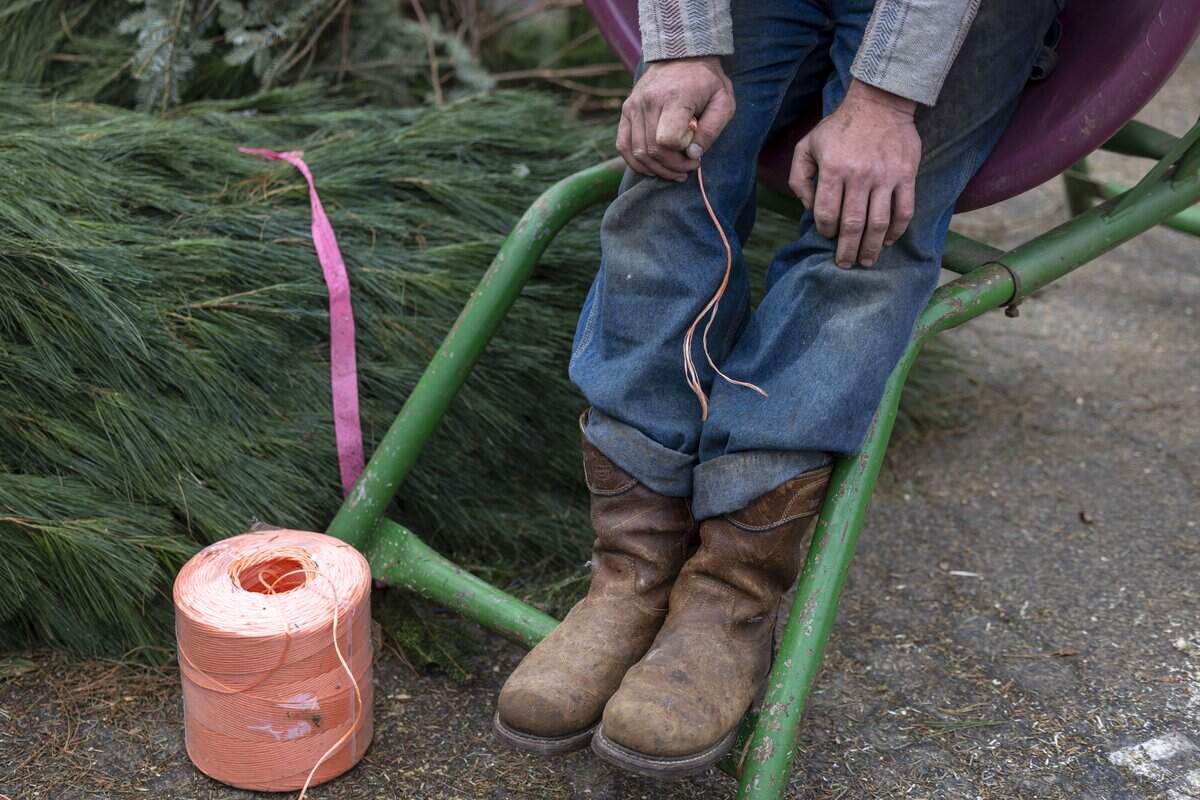
This year, Pittman says, the farm has trees available from 2 feet to 11 feet tall, but he asks for patience from choose-and-cut shoppers because it’s been a challenge to find enough labor. Or, he says, people can borrow a bow saw from the farm and cut their own.
On their websites, some tree farms have added links where supporters can make donations.
Trinity Tree Company outside Newland in Avery County suffered heavy damage when the Toe River came far out of its banks and rushed through fields of young trees, destroying plantings along with the owners’ home, farm and office buildings, farm equipment and vehicles.
The farm is open this year on weekends through Dec. 14. It has a limited number of 6- and 7-foot trees, plus tabletop trees and wreaths.
Are fresh Christmas trees environmentally friendly?
The Nature Conservancy has weighed in on this debate and says real trees are better for the environment than reusable plastic trees because tree farming fights climate change.
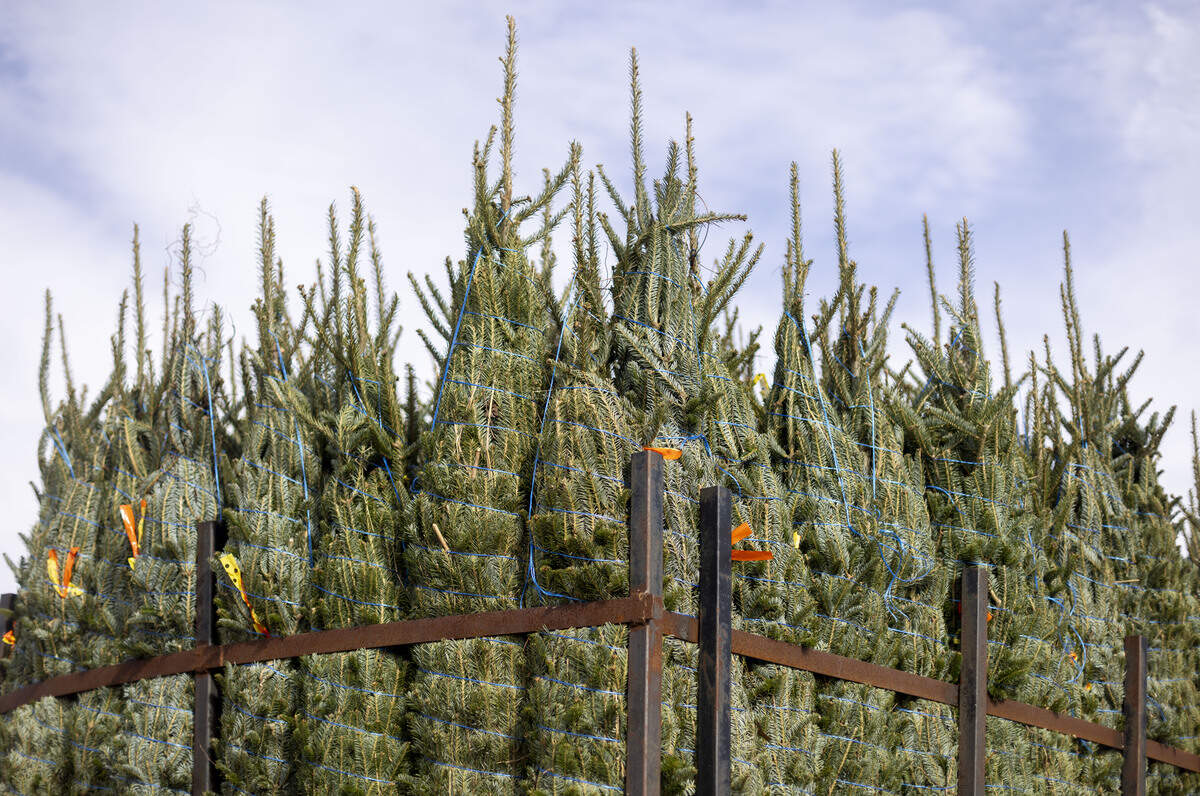
Plus, the conservancy says, the smell of a Fraser fir or a white pine beats the scent of plastic every time.
This story is available free to all readers thanks to financial support from the Hartfield Foundation and Green South Foundation, in partnership with Journalism Funding Partners, as part of an independent journalism fellowship program. The N&O maintains full editorial control of the work. If you would like to help support local journalism, please consider a digital subscription, which you can get here.
This story was originally published December 4, 2025 at 8:15 AM.