4 things local meteorologists in NC want you to know about weather watching
AI-generated summary reviewed by our newsroom.
- Get weather forecasts from trusted sources; be wary of hype.
- Prepare before a storm to avoid panic.
- The NWS has an office in Raleigh for monitoring central NC
Remember back in elementary school when you learned about the water cycle?
Evaporation. Condensation. Precipitation.
It’s one of the few things about the weather still rattling around my mind left from school.
So, now when I hear or read forecasts that mention “bomb cyclones” and “atmospheric rivers” and “polar vortex,” and I don’t get the hype, I go to meteorologists at the National Weather Service.
These meteorologists work on the third floor of an office building on North Carolina State University’s Centennial campus, monitoring weather conditions 24/7 for the central part of the state. I’ve recently started covering the weather as part of my beat at The News & Observer, and I visited their office to learn a little bit more about what they do and what they wish people would know.
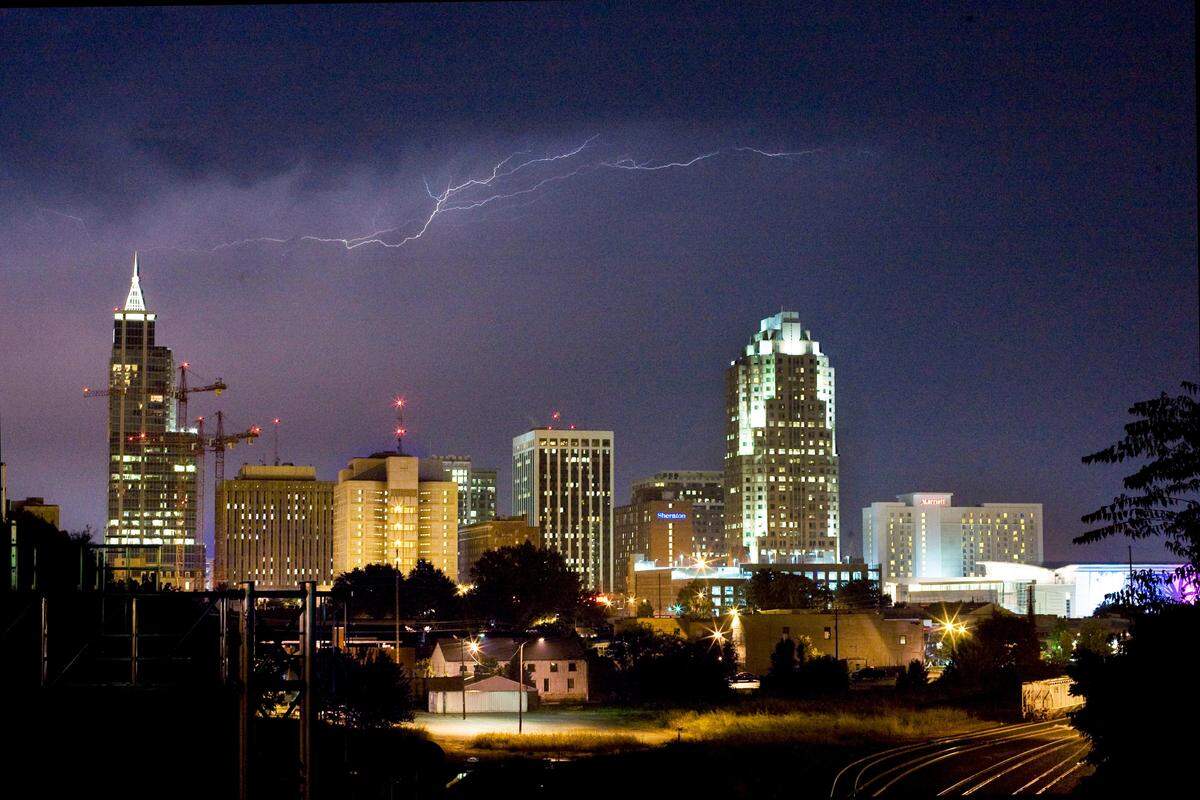
1. Know the difference between a watch and a warning
When you get that thunderstorm watch alert on your phone, don’t just swipe it away.
The National Weather Service issues watches and warnings ahead of hazardous or severe weather, and knowing the difference is important.
“It’s still so confusing for some reason, and people already get it backwards,” said Meteorologist Aaron Swiggett.
A watch is issued when there is a significant risk of hazardous or severe weather but the location or timing can still be uncertain.
A warning means severe or hazardous weather is actively occurring, imminent or likely to occur, and the threat can “pose a threat to life or property.”
You should also know where to seek shelter in your home, but also at places where you spend a lot of time like at your job or significant other’s home.
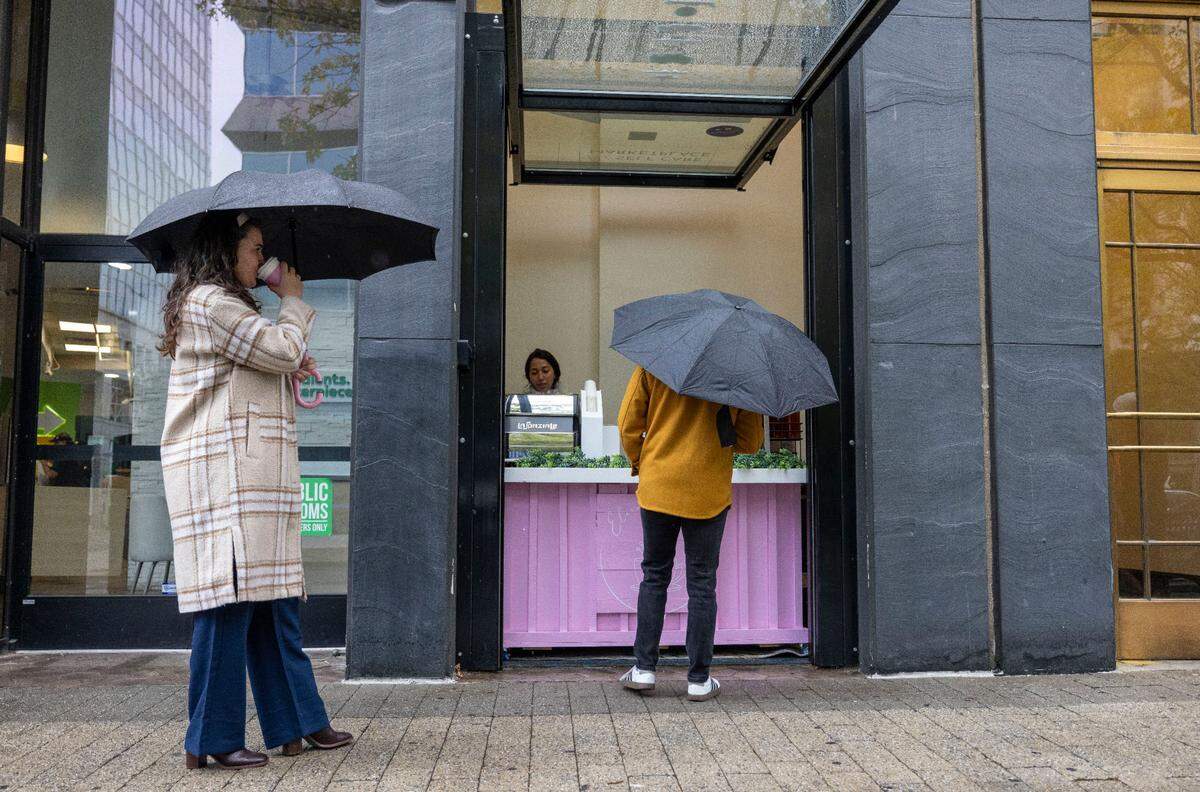
2. Consider your source
Get your weather information from a trusted source, like the National Weather Service.
“There is information to be had on social media, but a lot of it might just be the hype,” said Nick Petro, warning coordination meteorologist. “When you’re making decisions, whether it’s a decision that could impact your life, could impact your finances, could impact those around you, make sure you get it from a trusted source.”
All the local television meteorologists are accurate, said Jonathan Blaes, meteorologist in charge at the Raleigh office, declining to say which local station’s weather forecasts were most accurate.
“No offense to my colleagues here, but we’re scientists,” he said. “And so we may not be the best person you want on television explaining and communicating, but conversely they are communicators and they may not have the time or resources to do the deep dive into the science of meteorology.”
There are some weather influencers who chase eyeballs and may not have a background in meteorology or science, Blaes said.
“The algorithms will favor that person working in their basement or in their bonus room, doing the forecast and not the government website,” he said. “And we see our social media punished a little bit by some of those algorithms.”
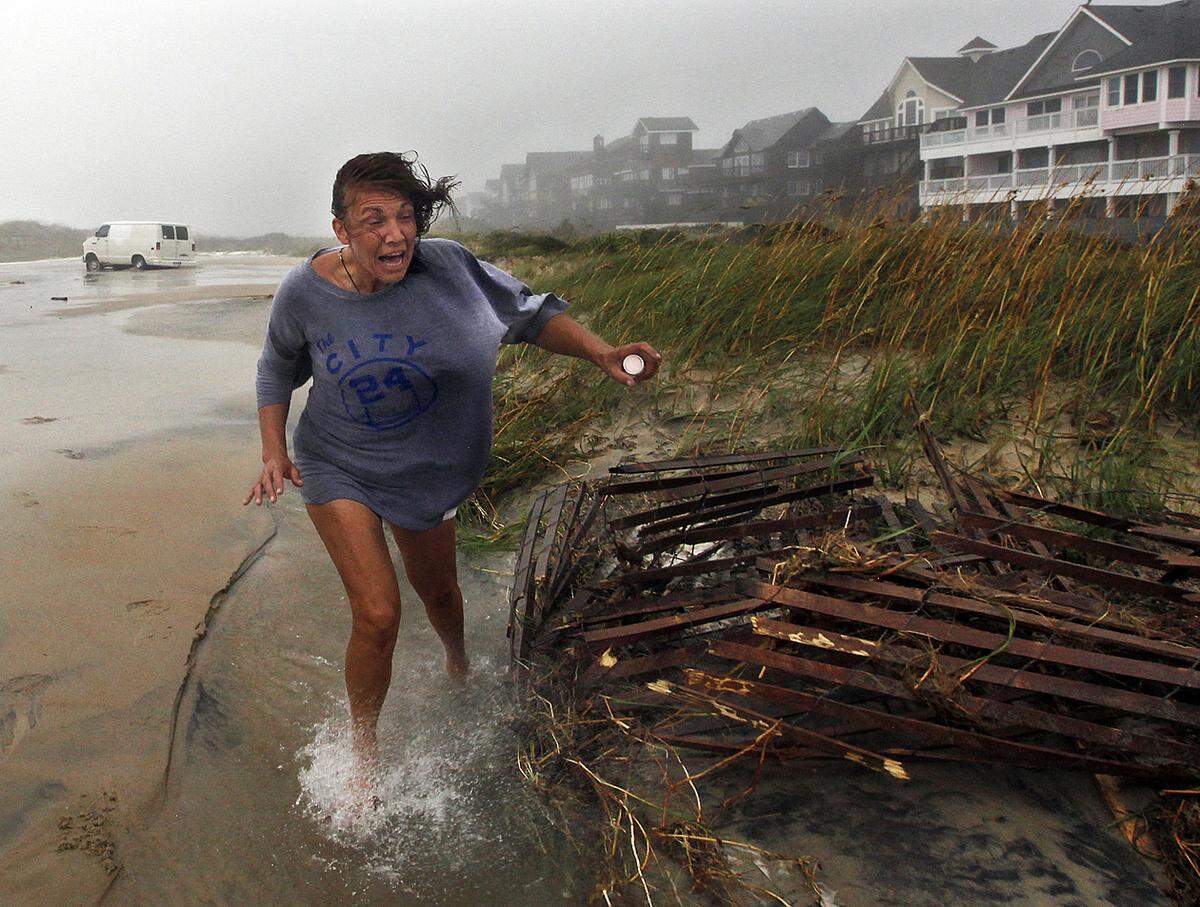
3. Get your kit, and don’t panic
The first thing Blaes used to grab for his emergency weather kit was ramen noodles or saltines. Now it’s battery chargers.
“It’s having two or three power banks for your phone,” he said. “Having a flashlight. Some food, of course, water. A lot of dietary things people have struggled with is medicine and their medications.”
Many people forget or are unable to get prescription medicines ahead of storms that can cause problems during long power outages or if someone has to evacuate.
People don’t have to run out and buy generators, Petro said, because they can be deadly if used incorrectly.
“You don’t need to panic for all these storms, but just take a few minutes or some time and try to prepare ahead of time,” Blaes said.
Preparing ahead of a storm can save headaches and damage later.
“It doesn’t take hurricane force winds to blow a tree down especially if its rained and the soil is really wet,” Petro said, adding you can clear dead limbs or trees ahead of storms.
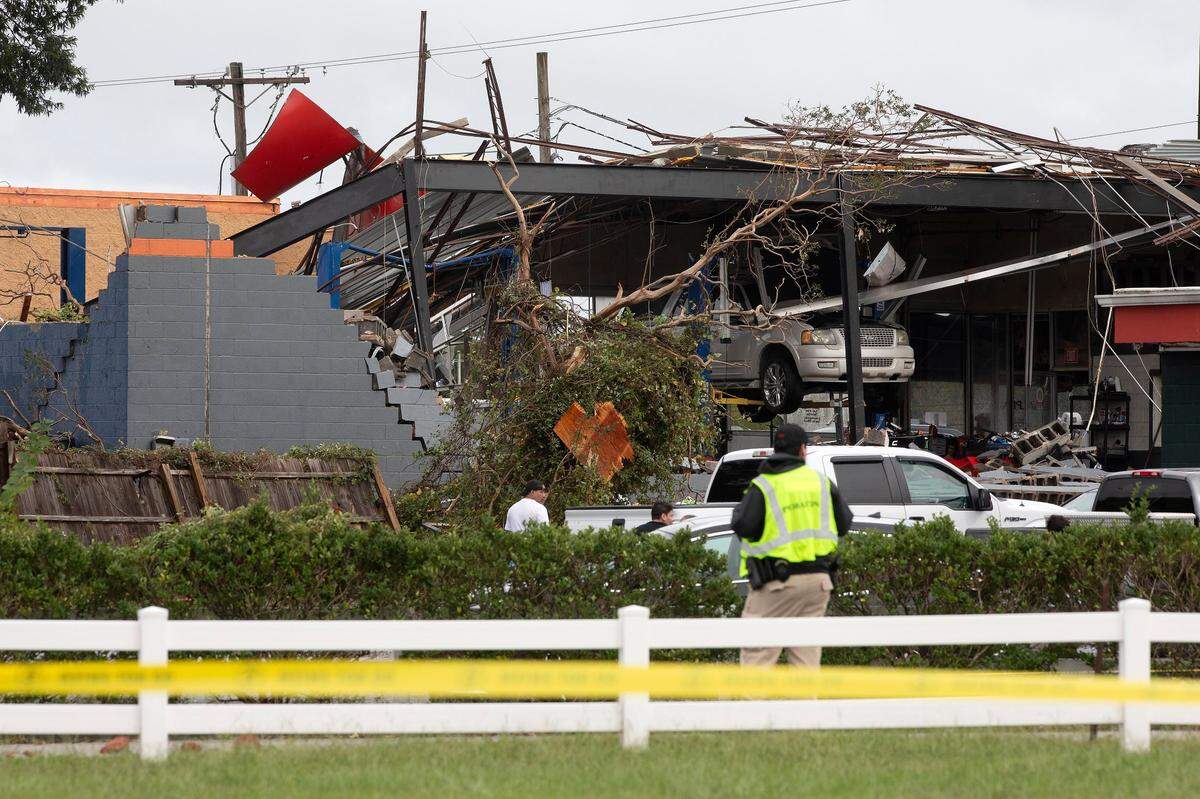
4. Use common sense
The phrases varied, but much of the advice boiled down to one thing.
“Don’t be stupid, right?” said Blaes.
“So, if you’re driving around here and it’s pouring down rain, and you can’t see the road, don’t drive through the water,” he said. “That is so preventable. A huge number of deaths in North Carolina are fresh water flooding in cars.”
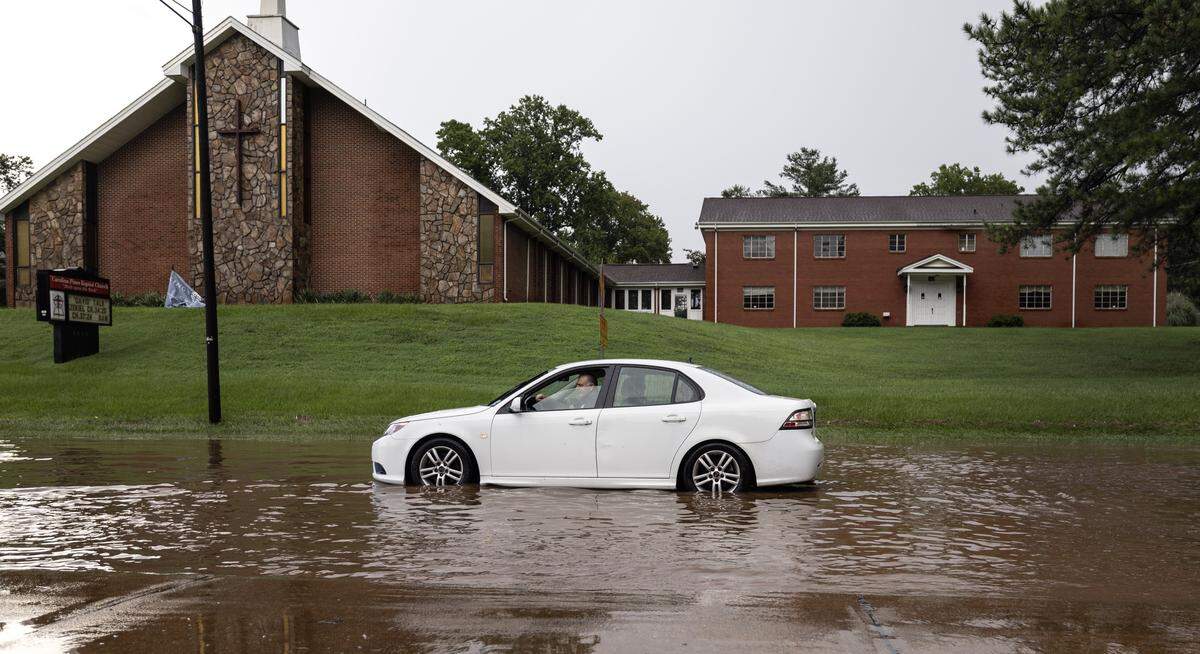
If a storm rolls in and there is lightning, get off the golf courses, sports fields and beaches and seek shelter.
“Just don’t do dumb stuff,” he said. “So if there are storms coming up, don’t be the last one off the beach when storms are approaching.”
This story was originally published April 10, 2026 at 7:00 AM.