This Wake County gas station had water in the fuel. What else inspectors found
AI-generated summary reviewed by our newsroom.
- Inspectors found water coming out of the pump with diesel at a Wake County gas station.
- The station replaced equipment and was reinspected, then brought pumps back online.
- Customers can report fuel quality complaints online or by calling the Standards Division.
Triangle drivers are already paying high prices for gas and diesel, but a fuel quality issue recently discovered at one Wake County gas station had the potential to be even costlier.
Inspectors from the North Carolina Department of Agriculture and Consumer Services’ Standards Division found water coming out of pumps with diesel at the Summit #1 station at 1325 Broad St. in Fuquay-Varina in May.
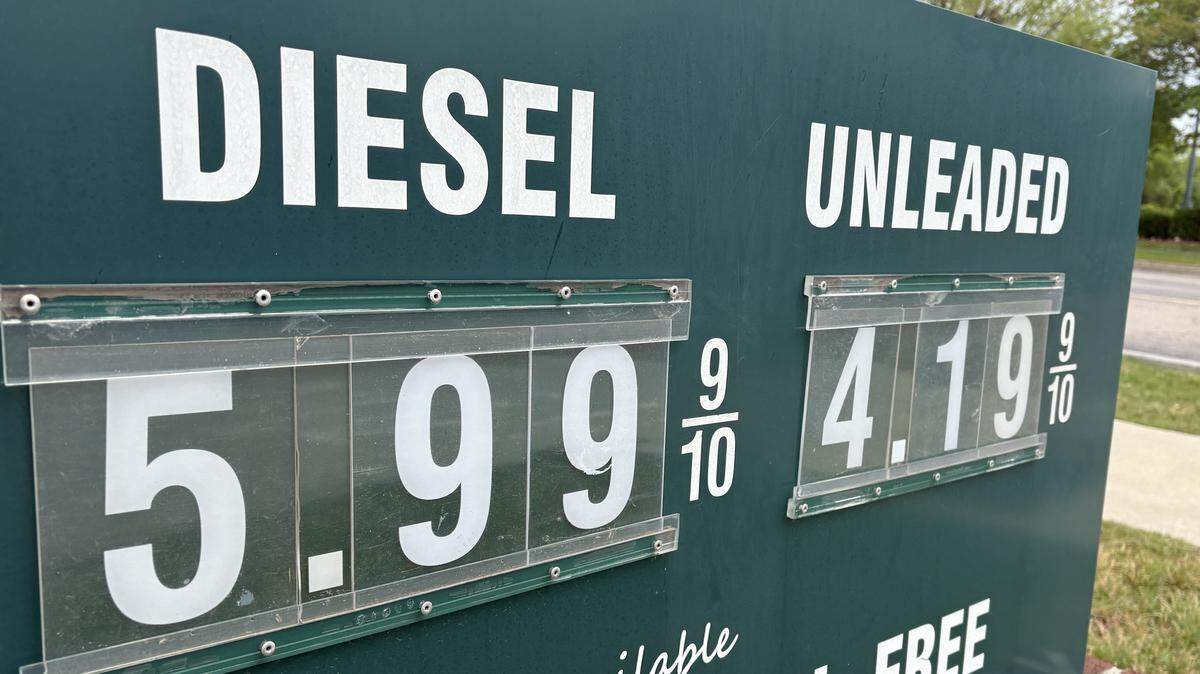
Water in fuel can harm the performance of a vehicle’s engine, or even cause it to fail, according to the Standards Division. And it would cost a lot more to fix those problems, compared to spending $5.65 a gallon for diesel at the pump.
State inspectors with the fuel quality program discovered the issue while investigating a complaint alleging water in the fuel. A complaint investigation report obtained by The News & Observer does not indicate whether the customer’s vehicle was damaged.
The fuel quality program has seen an uptick in complaints recently, manager Melissa Spencer told The N&O in an email. That trend is typical when fuel prices increase.
However, of the eight fuel quality complaints received between March 1 and May 6 regarding gas stations in Wake and Johnston counties, only one — alleging water in diesel at the Fuquay-Varina station — led to inspectors finding any problems.
Any water coming through a pump with gas or diesel will cause a pump to fail inspectors’ tests, Spencer said, so Summit #1 was temporarily prevented from selling diesel out of two pumps.
But water in diesel wasn’t the only issue inspectors found. Premium ethanol-free gasoline at one of the pumps didn’t have enough octane, the complaint investigation report showed. The octane result was 89.5, but should have been 93. The gas was also missing a brand name.
The inspector did not find water in the diesel tank, only in fuel coming out of the pump. After the investigation, the station had the lines flushed, filters changed and fill pipe cap on the diesel tank replaced, Spencer told The N&O.
Once that was done, and the station relabeled the Premium pump to Plus ethanol-free and changed the posted octane to 89, inspectors checked the pumps again and found no issues. That allowed the station to sell fuel from the pumps again.
Types of fuel quality tests
The state’s fuel quality inspectors check the quality of gasoline, diesel, kerosene and motor oil during routine inspections. They also complete inspections to follow up on complaints, making sure there’s no water or sediment in fuel, octane and ethanol levels are where they’re supposed to be, and there’s no gasoline in diesel (or vice versa).
Seven of the complaints about Wake and Johnston county stations specifically alleged water in gas or diesel, or gas in diesel. One customer reported that their vehicle started to “spit, sputter, and cut off” after filling up. Another customer said their vehicle broke down less than an hour after filling up, but didn’t attribute that to a particular cause. And one customer said there was gas in the diesel, affecting two tractor-trailers.
But when inspectors followed up on those complaints, they didn’t find any problems.
Most inspections are routine and unannounced, Spencer said, and inspectors try to inspect every station at least once every year.
The agriculture department’s Standards Division also employs inspectors who ensure gas station meters and pumps are functioning properly and accurately. These inspectors also see an increase in complaints when fuel gets more expensive, as it has been for months.
How to submit a fuel quality complaint
Customers can report fuel quality complaints online at ncagr.gov or by calling 984-236-4770.
Complaints should include the type of fuel (including grade of gasoline, if applicable), date and time of purchase, the number of the pump used (if known) and whether customers reported the issue to someone at the station. Customers should also note whether they took their vehicle to a mechanic, and if the mechanic collected a fuel sample to be tested.
This story was originally published May 21, 2026 at 9:29 AM.