125 NC teens became surgeons and engineers for a day. Here’s what happened
AI-generated summary reviewed by our newsroom.
- About 125 teens attended Stacks and Tracks to learn about financial literacy and careers.
- Teens chose careers such as surgeon and engineer to manage expenses and make budgets.
- About 80 volunteers gave financial advice and talked about potenital job opportunities.
Dom C. wants to be a sports commentator when he grows up. For one afternoon, though, he decided he’d give surgery a try.
It pays well, after all. And when you’re a rising 10th grader trying to win a game designed to test how well you can manage your finances, you’ll take all the income you can get.
Dom, a member at the Wake Forest Boys and Girls Club, is a repeat attendee of the Boys and Girls Clubs of Wake and Johnston Counties’ Stacks and Tracks event. Now in its third year, the event, created as an engaging way to teach kids about financial literacy and career readiness, drew about 125 students from Boys and Girls Clubs across Durham and Orange counties and the Tar River Region, in addition to Wake and Johnston counties. (The News & Observer will refer to Boys and Girls Clubs members by their first name and first letter of their last name only, at the organization’s request.)
Using a whole summer afternoon to learn about making smart financial decisions likely isn’t every 15-year-old’s idea of a good time. But Matt Taliaferro, CEO of Boys and Girls Clubs of Wake and Johnston Counties, said the event is popular.
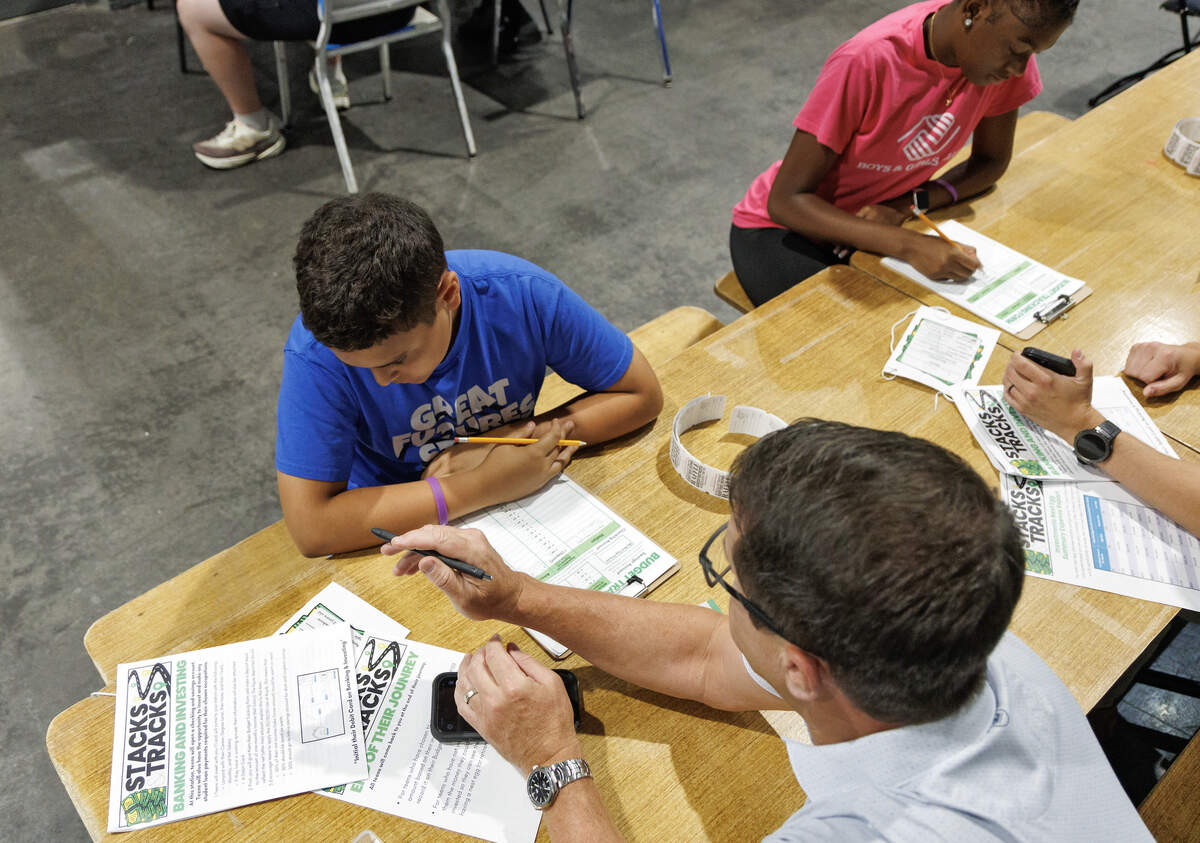
“Kids talk, and word of mouth gets out. And they’re like, ‘Hey, this is really fun, and I’ve learned a lot. You’re going to enjoy this.’ And so we don’t have a hard time recruiting for it at all,” Taliaferro told The News & Observer in a phone interview.
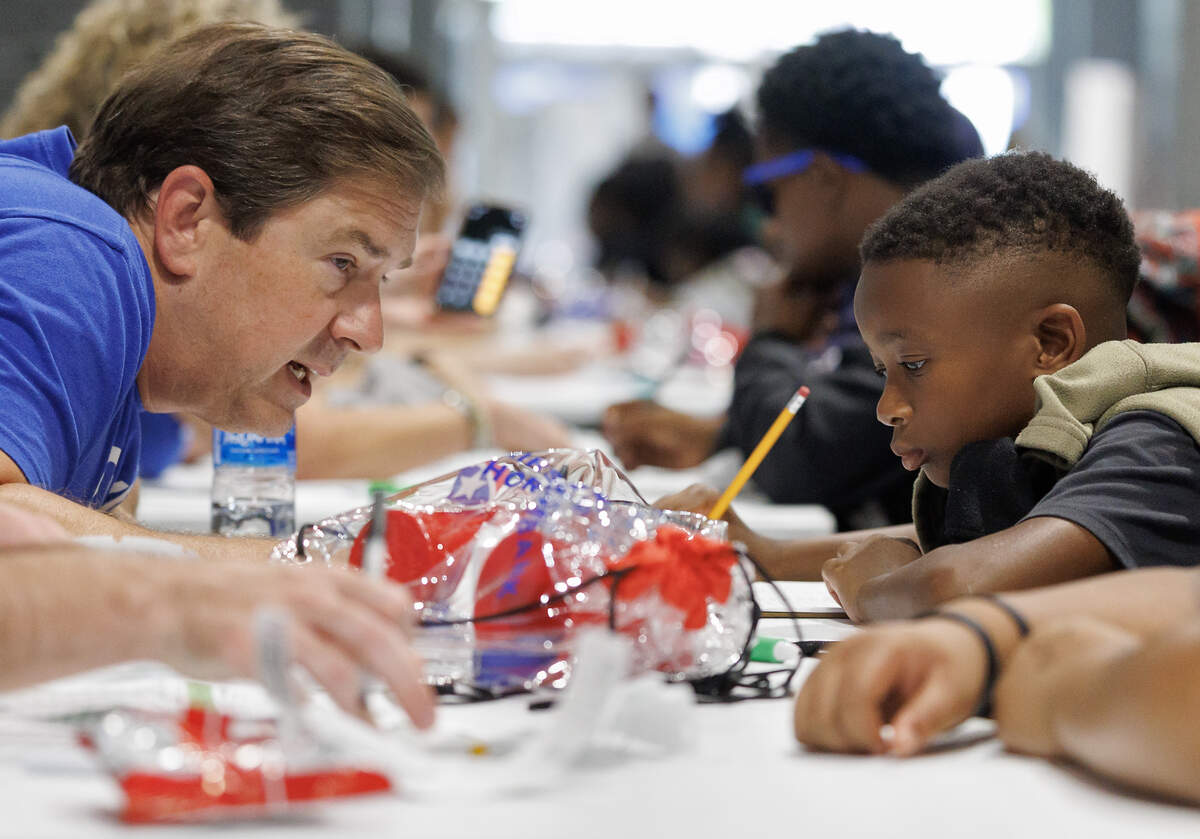
Stacks and Tracks is a special event for the volunteers, too, said Todd Warrick, a board member of Boys and Girls Clubs of Wake and Johnston Counties and Triangle market president for event sponsor First Horizon Bank. Experts guide the teens through managing expenses and get to “watch their eyes just light up” as the concepts start to sink in.
“I am incredibly impressed about how prepared the kids are as they come through the event,” Warrick said. “They have great maturity. They really are approaching this with a tremendous amount of curiosity.”

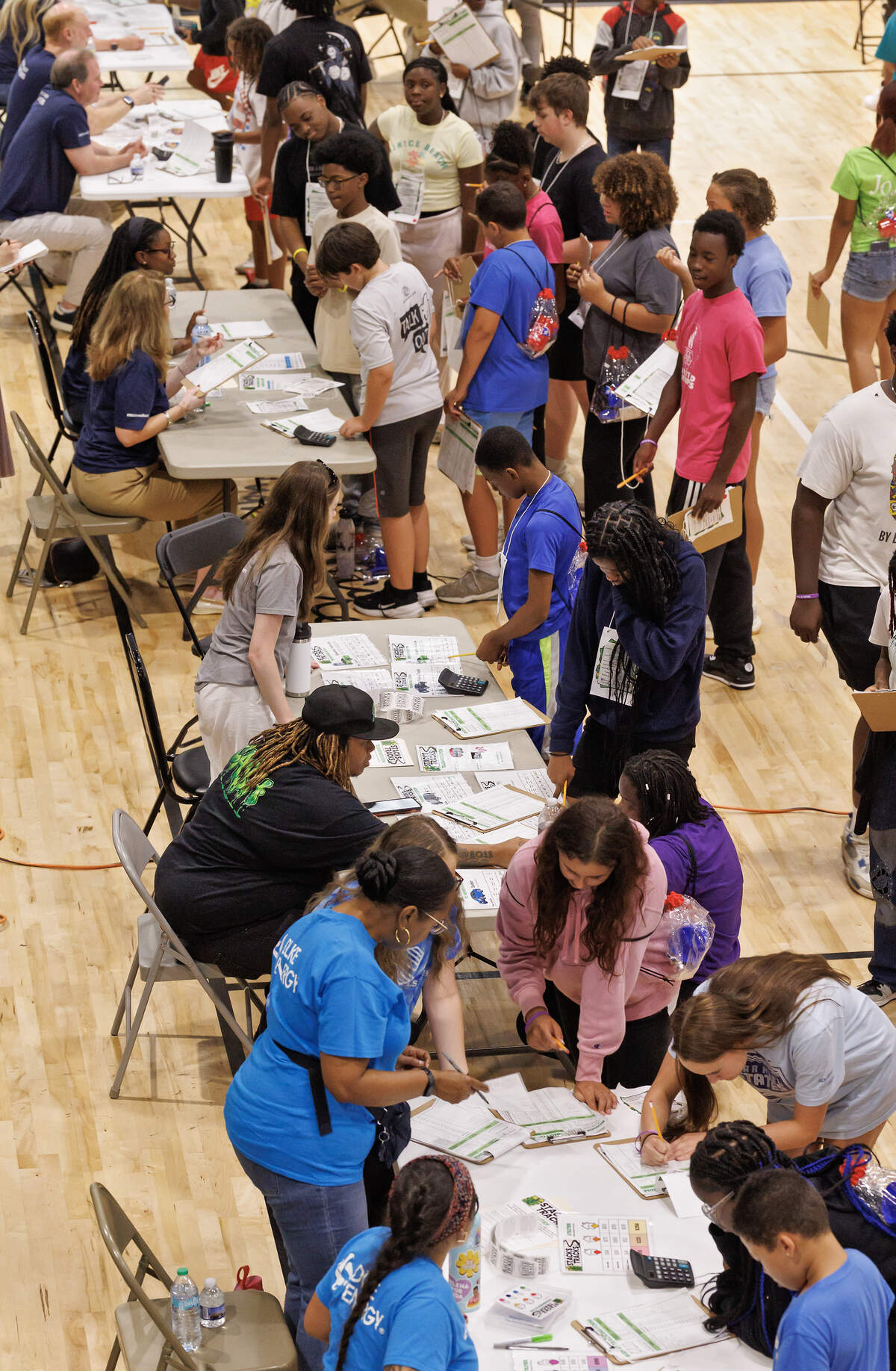
The Stacks
Monday’s Stacks and Tracks was the biggest iteration yet, and almost all the students were first-timers.
But Dom? He’s a pro. In a previous year, he was an engineer and struggled to stretch his salary to cover housing, food and transportation expenses.
“I was left with money at the end, but it was a long road,” he said.
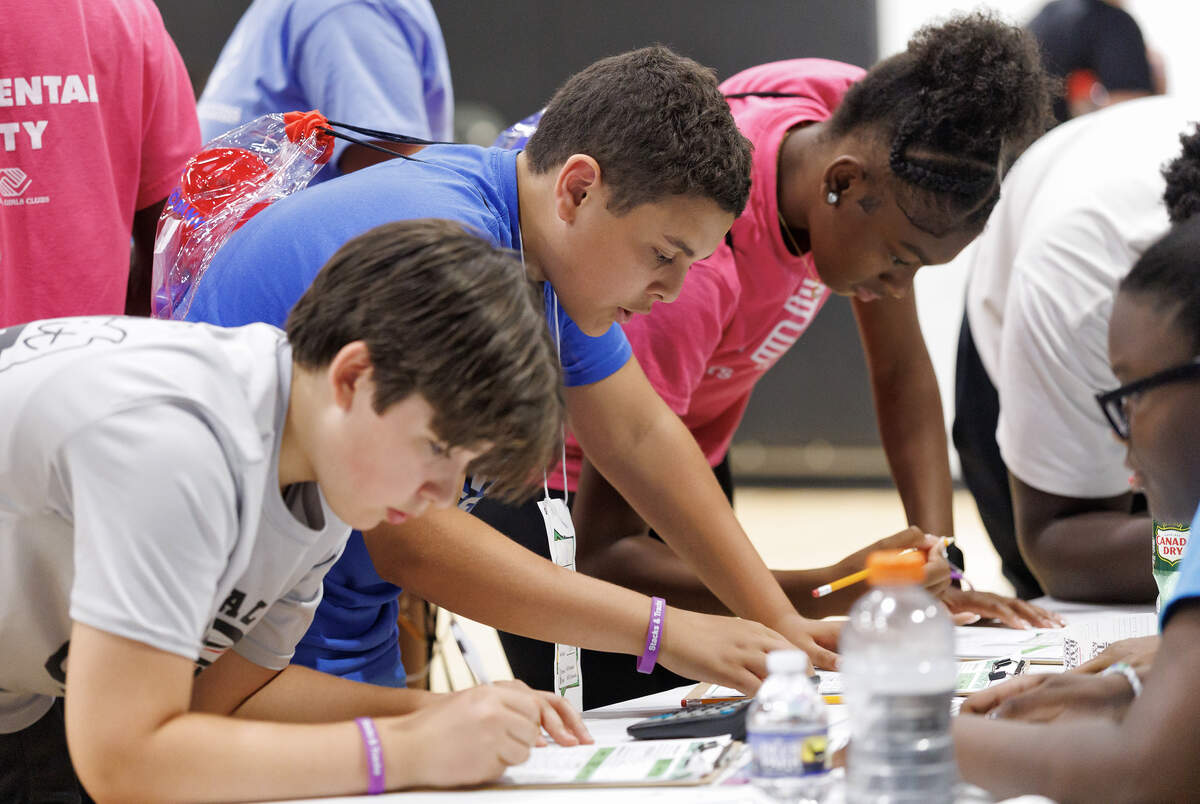
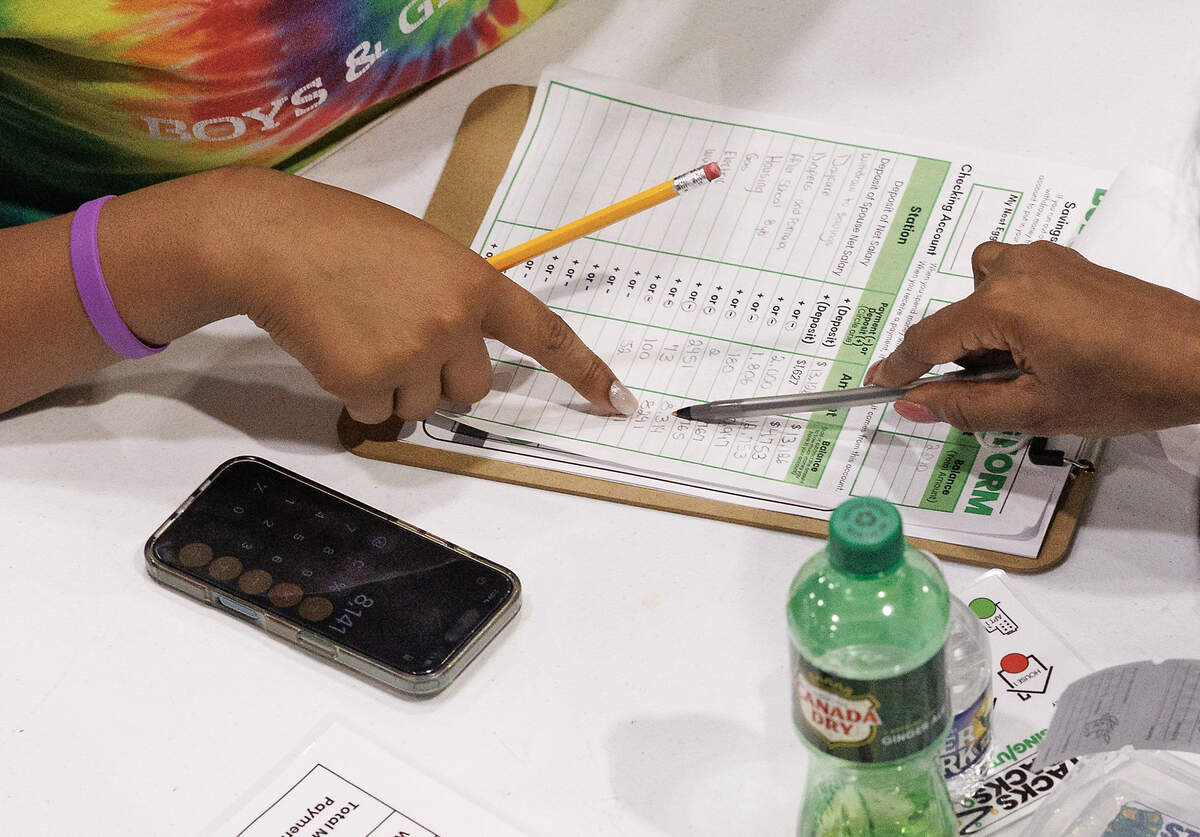
This year, he chose to be a surgeon, mostly because of the six-figure salary it paid, passing on alternative career options, such as athletic trainer and veterinarian. Even after taxes, which at $71,530 nearly equate to North Carolina’s median household income, Dom still had about $13,000 each month to spend and save.
First, Dom met with a counselor to help him create the beginnings of a budget, factoring in loans from those expensive years at medical school and setting aside a portion of each paycheck for savings.
Then he started making decisions about spending — some of them unusual for a typical surgeon.
Instead of purchasing a house, Dom rented a two-bedroom apartment, because it was cheaper. He spent about $100 per month for unlimited rides using public transportation, instead of buying a car to carry him and his two young children.
“I don’t have to worry about the car insurance, and I’ll keep my kids wrapped around safe,” he said. “Hey, they’ll be at child daycare. So I mean, ultimately, it’s not bad.”
And while he had room in his budget to splurge on organic, gourmet groceries, he stuck to store-brand and sale items.
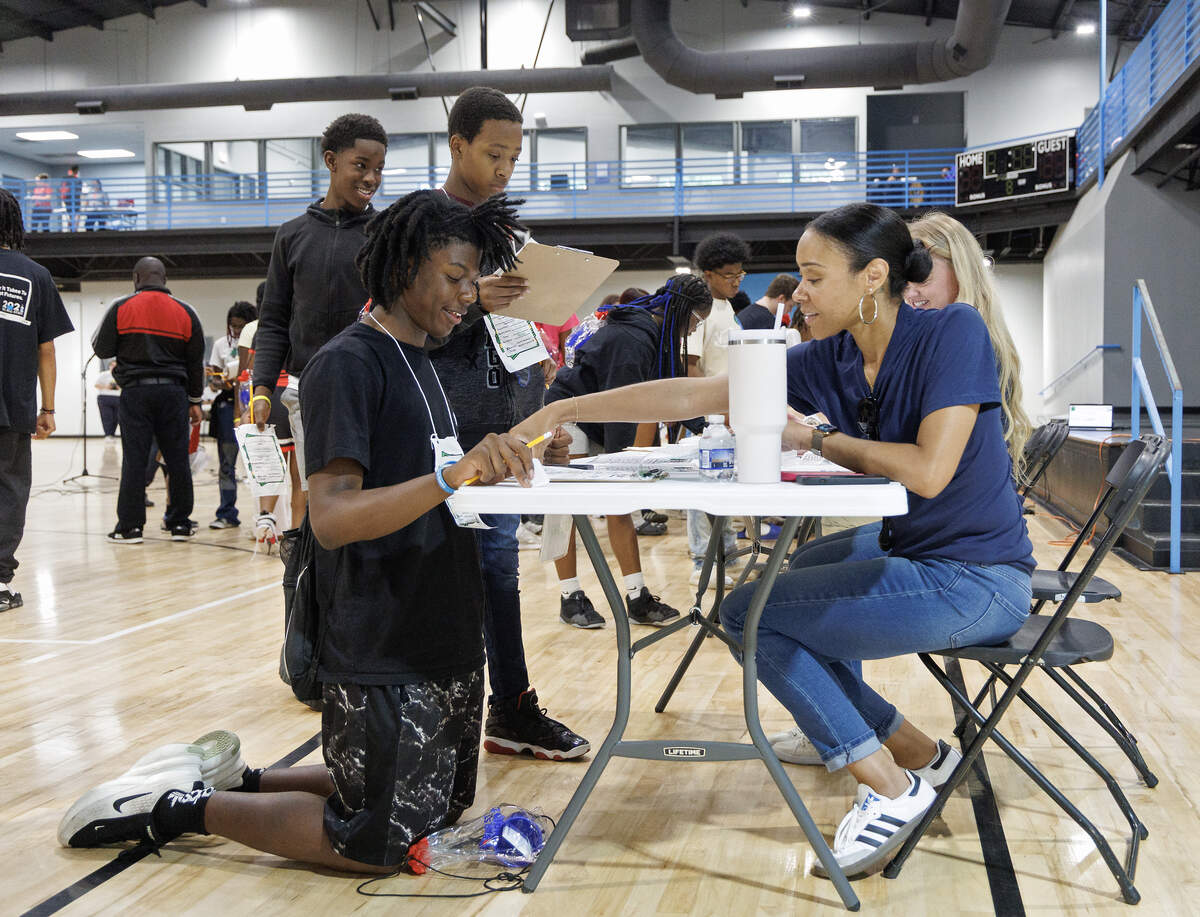
But it didn’t take much convincing from a few of the approximately 80 volunteers running Stacks and Tracks to get Dom to pay for a will to be drafted. And once they pointed out that as a surgeon, he should probably dress the part, he chose the wardrobe that would make Miranda Priestly proud.
At the end of the day, Dom still had funds to cover travel, entertainment and charitable contributions. But money wasn’t burning a hole in his pocket, and he passed on those optional expenditures.
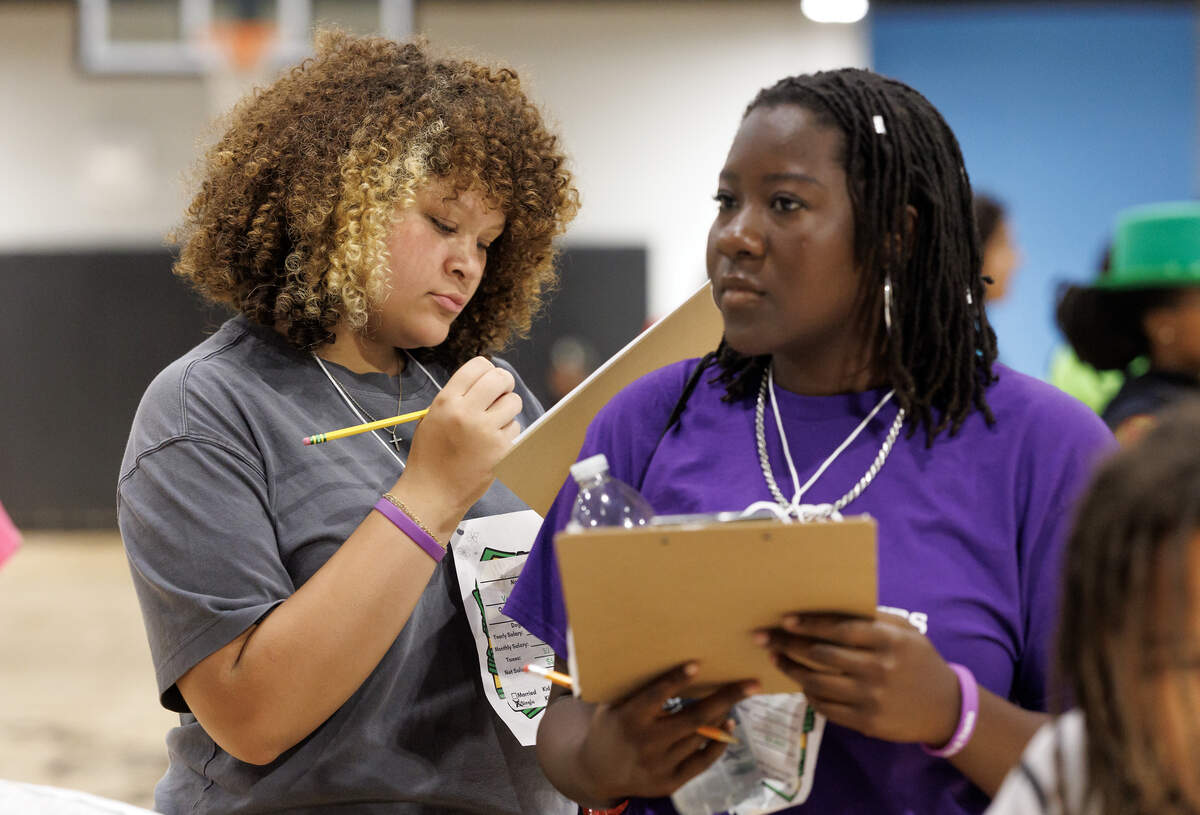
He also kept tabs on the green hat-wearing unexpected life events, fearing he’d have to dish out some of that hard-earned cash. But those bearers of bad news also had the power to hand out bonuses, raises and inheritances — and the gambling-prone among the kids took the opposite path to Dom’s, seeking out the volunteers in hopes they’d receive a reward.
The Tracks
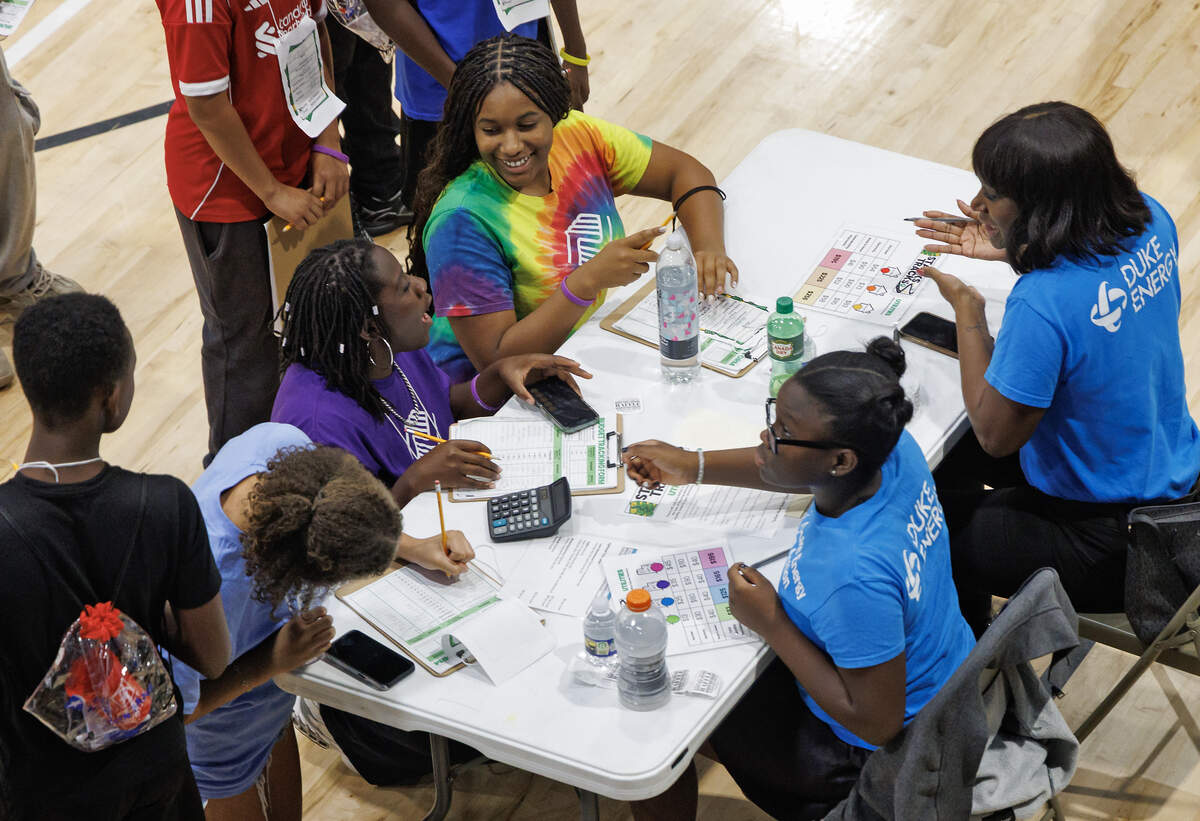
Besides learning how to create and stick to a budget, students had the opportunity to meet with representatives from different companies in a career fair.
Kids could speak with people from nearly a dozen organizations including the Raleigh Police Department, Pulte Homes, Baker Roofing, Wake Smile, Duke Energy, Wake Technical Community College and First Horizon Bank.
“With the kids that we serve, we want to give them every opportunity to be able to pursue their dreams, and part of that is just opening up their eyes to what the possibilities are,” Taliaferro said.
This story was originally published June 30, 2026 at 1:41 PM.