Thousands in the Triangle may soon lose food assistance. How you can help
AI-generated summary reviewed by our newsroom.
- Food banks prepare for surge if federal SNAP and WIC funding lapses in October 2025.
- Inter-Faith Food Shuttle mobilizes resources and plans operations for prolonged need.
- Local pantries list donation items, hours and volunteer shifts to absorb rising demand.
As the federal government shutdown continues into its third week, at least one Triangle-area food bank is preparing for a surge in demand if SNAP and WIC funding runs out next month.
Ron Pringle, CEO and president of the Raleigh-based Inter-Faith Food Shuttle, recently told The News & Observer his organization is preparing for the shutdown like a natural disaster, noting that even when the government reopens, “the storm isn’t over” for those who lose pay or benefits.
About 700,000 North Carolina households rely on federal food programs that currently have funding only through October. November is uncertain, The N&O previously reported. An estimated 86,000 people in Wake County alone receive SNAP benefits, according to recent data from The North Carolina Budget & Tax Center.
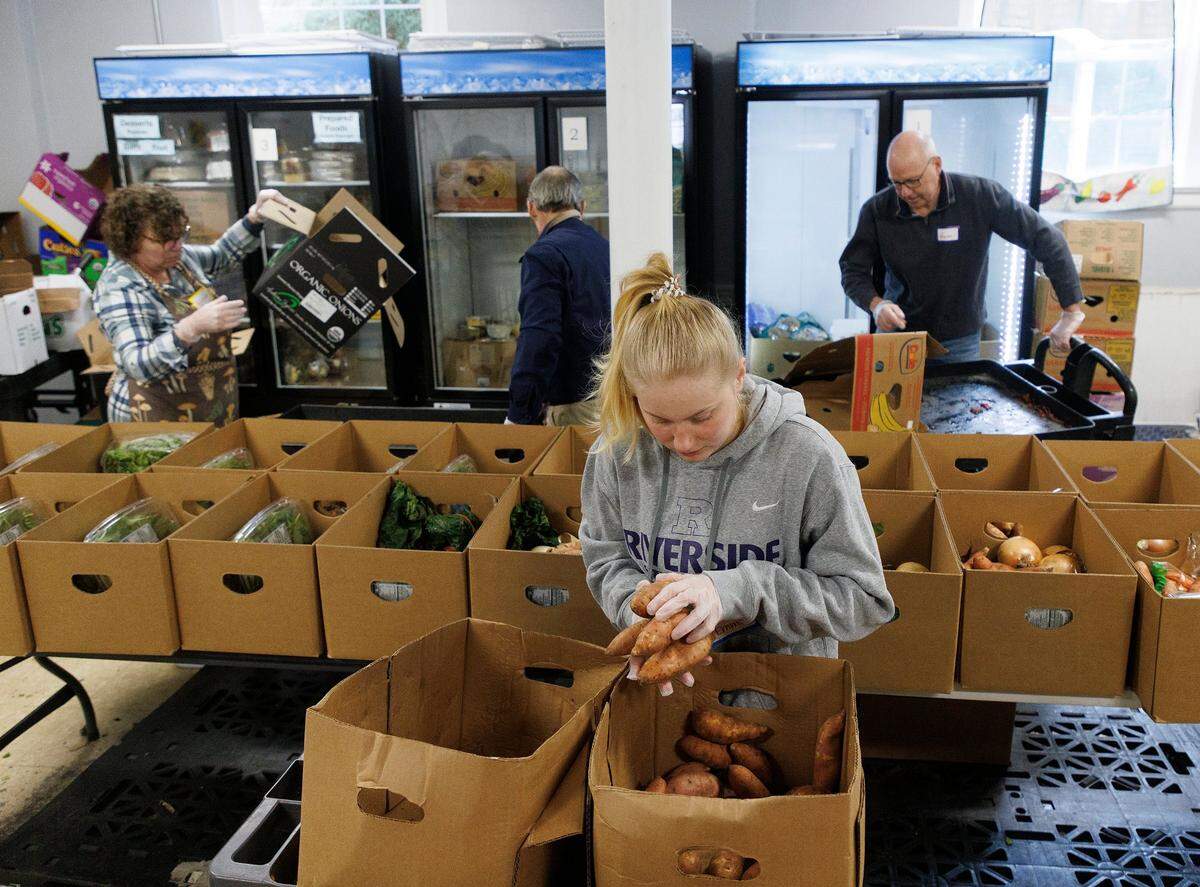
Amid the shutdown, there are ways you can help. Here’s a guide to food pantries in the Triangle, including when you can donate, what items they accept and ways you can volunteer.
Any others to include? Email us at ask@newsobserver.com.
Emanuel Food Pantry
- Where: 25014 N Roxboro St., Durham, NC 27704
- Hours: Monday through Friday 10 a.m.-6 p.m., Sundays 9 a.m.-2 p.m.
- What they accept: Shelf-stable food (canned chicken/tuna, rice and beans), plus hygiene items. They also accept monetary donations.
- How to volunteer: Volunteers can help pack and distribute food boxes during two-hour shifts Monday through Wednesday. Register online.
Food Bank of Central & Eastern NC
- Where: 1924 Capital Blvd., Raleigh, NC 27604 and 2700 Angier Ave., Suite A, Durham, NC 27703
- Hours: Monday through Friday 8:30 a.m.-4 p.m.
- What they accept: Non-perishable foods, refrigerated or frozen items, produce, hygiene items, cleaning items, paper products and monetary gifts.
- How to volunteer: Volunteers can sort food in the warehouse for shifts; groups and individuals are welcome. Register online.
Holly Springs Food Cupboard
- Where: 621 W Holly Springs Rd., Holly Springs, NC 27540
- Hours: Mondays 9 a.m.-4 p.m., Thursdays 10 a.m.-5 p.m
- What they accept: Current needs include dry beans, canned beans, canned vegetables, dry pasta, canned soup, cereal, jelly, crackers, canned fruit, sides, broth, canned meats and pasta sauce. They also accept monetary donations.
- How to volunteer: Volunteers can help in the garden (Thurs/Sat 9–11:30 a.m.), sort and pack food items, and deliver to clients. Register online.
PORCH Chapel Hill/Carrboro
- Where: 202 S Greensboro St, Carrboro, NC 27510
- Hours: If you live in a PORCH neighborhood, you should check with your Neighborhood Coordinator about when to leave donated bags of food on your porch.
- What they accept: Current needs include cereal, oatmeal, pasta sauce, peanut butter and jelly, canned fruit, canned soup, canned tuna and chicken, pasta, dried beans and mac and cheese.
- How to volunteer: Volunteers can help pack and organize food boxes. Register online.
Raleigh Dream Center - Mobile Food Pantry
- Where: 4301 Louisburg Rd., Raleigh, NC 27604
- Hours: Weekdays 9 a.m.-5 p.m.
- What they accept: Non-perishable foods, baby supplies, hygiene products; beanies, blankets, holiday food and toys from October-December.
- How to volunteer: Volunteers help distribute food, drive trucks and help with pick-ups. Register online.
Triangle Family Services Food Pantry
- Where: 3937 Western Blvd., Raleigh, NC 27606
- Hours: Tuesdays and Thursdays 1-3 p.m. or Fridays 8 a.m.-4 p.m.
- What they accept: Non-perishable foods, hygiene products, home essentials (such as laundry detergent and bed linens) and gently used books.
- How to volunteer: Volunteers can help organize donations and maintain facilities. To learn more about volunteer opportunities, email volunteers@tfsnc.org and include “volunteer” in the subject line.
Tri-Area Ministry Food Pantry
- Where: 149 E Holding Ave, Wake Forest, NC 27587
- Hours: Mondays and Wednesdays, plus the second and third Saturday of each month, 10 a.m.-1 p.m.
- What they accept: Current needs include peanut butter, canned soup, canned vegetables, canned meat, canned fruit, cereal, oatmeal, grits, mac and cheese, ramen noodles, rice, dried beans, tomato sauce, pasta, crackers, feminine hygiene products, diapers and pet food. They also accept monetary donations.
- How to volunteer: Volunteer opportunities include sorting and distributing food to clients. Register online.
Urban Ministries of Wake County
- Where: 1390 Capital Blvd., Raleigh, NC 27603
- Hours: Monday through Thursday 8:30 a.m. until the pantry reaches capacity.
- What they accept: You can purchase items through the food pantry’s wishlist with Walmart and have your order directly shipped to them.
- How to volunteer: Volunteers can help pack boxes with groceries, organize shelves, breakdown boxes and help clean the pantry area. To learn more, email volunteer@urbanmin.org.
Western Wake Crisis Ministries
- Where: 1600 Olive Chapel Rd. Suite 408, Apex NC 27502
- Hours: Call 919-362-0657 to make an appointment for in-person shopping or curbside pickup.
- What they accept: The pantry is most in need of paper towels, canned fruit, short pasta, pancake mix and more. Find Amazon and Walmart wishlists online as well.
- How to volunteer: Learn more and complete an inquiry form online. Volunteer shifts include pantry/warehouse sorting and stocking, packing food and assisting curbside and with shopping.
Dorcas Ministries
- Where: 193 High House Rd, Cary, NC 27511
- Hours: Monday through Saturday 9 a.m.-3 p.m.
- What they accept: The pantry is most in need of vegetable oil, specific canned fruit and vegetable items and more.
- How to volunteer: Complete an online inquiry form online.
Should I donate money or food?
- Financial contributions let food banks leverage their buying power. According to Feeding America, they can purchase large volumes of food at wholesale prices and cover essential costs like transportation, storage, staffing and other things individual food donations can’t always help with.
- Money offers flexibility. In North Carolina, for example, Second Harvest Food Bank of Metrolina reports that every dollar donated translates into “about 7 pounds of food.”
- Cash helps fill gaps that food drives often miss, such as fresh produce, proteins and seasonal items, while avoiding the extra costs and logistics food banks face when sorting and storing donated goods. According to the N.C. Department of Environmental Quality, only 3.4% of surplus food in the state is donated, underscoring how vital financial support is.
Do you or a loved one need help?
Check out our story on where to get help, including food assistance hotlines, food pantries and nonprofit information for Wake, Durham, Chatham and Johnston counties.
For mental health resources during these uncertain times, check out the N&O’s mental health resource guide, which features information about immediate help during a mental health crisis, as well as help for LGBTQ+ people, people of color, children and families, people with disabilities and people experiencing homelessness.
The News & Observer’s Anna Roman contributed to this story.
This story has been updated with more food banks and pantries.
This story was originally published October 23, 2025 at 3:46 PM with the headline "Thousands in the Triangle may soon lose food assistance. How you can help."