
‘Before he comes and locks up my house’: Durham renters turn to the city for help
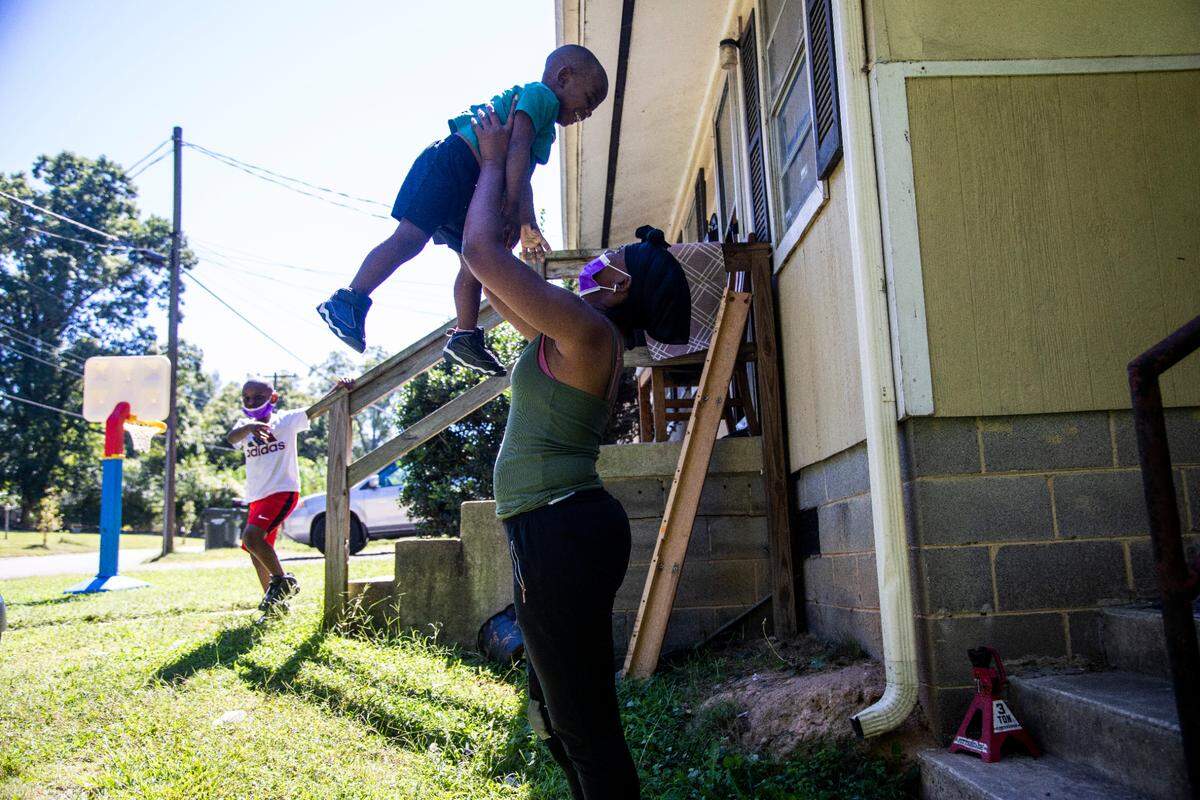
Olivia Ferguson moved from Raleigh to Durham because it was cheaper.
But the 31-year-old mother of three says her wages as a cashier at an internet cafe leave her struggling to pay the rent on her family’s East Durham apartment.
She applied and was approved for rental assistance, but her landlord won’t take the money. Now, the Durham City Council is looking for ways to protect people like Ferguson and other renters, who make up nearly half of the county’s households.
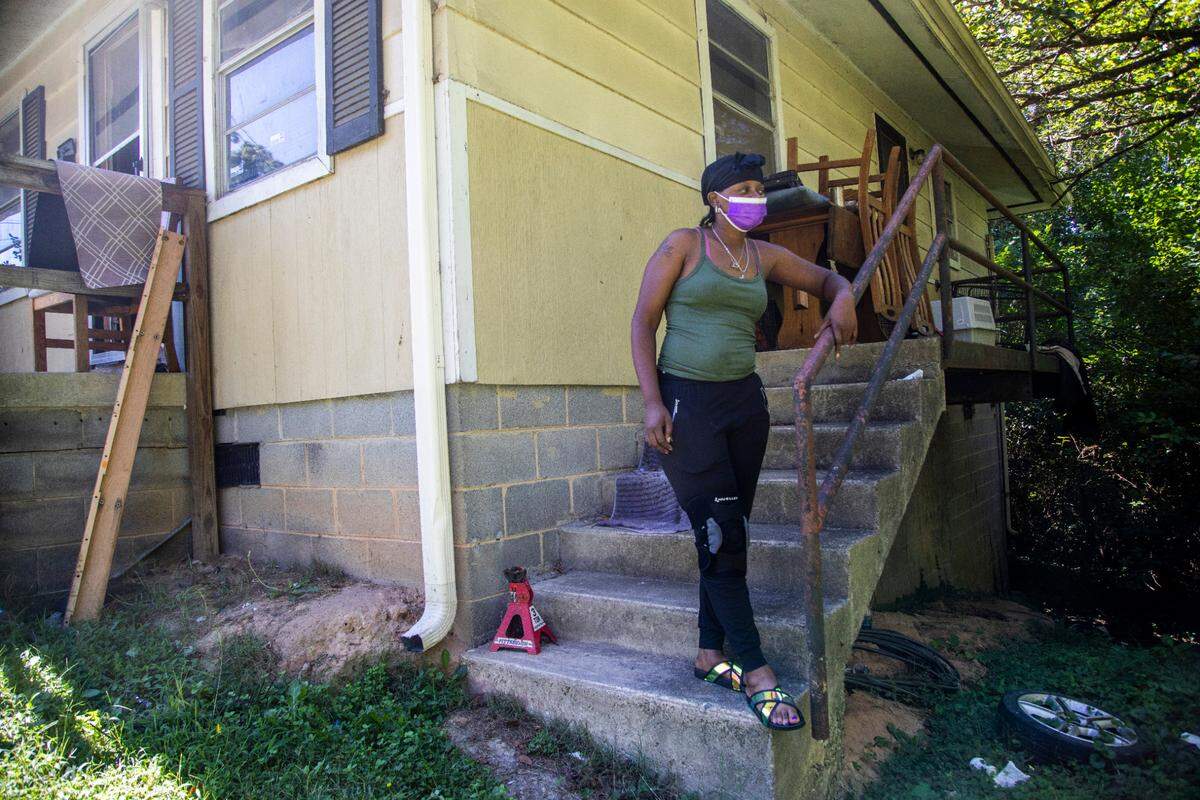
Ferguson moved into her home in March 2019 and said her rent rose from $795 to $850 per month in July. She is currently two months behind, owing $1,700.
In September, she applied to Legal Aid of North Carolina for emergency pandemic rental assistance from Durham County.
Ferguson’s application was approved, but her landlord, Rick Soles, is not participating in the program. She is among about 160 people who rent from Soles who applied for aid, according to county records.
Soles filed an eviction notice on Ferguson in late November.
“I can’t even think about Christmas right now,” Ferguson said in an interview before the holiday. “I have to worry about making sure I can keep the roof over their head.”
“And I just don’t know how far it’s going to go before he comes and locks up my house,” she added.
Emergency rental assistance
The Durham Emergency Rental Assistance Program (ERAP) is a city-county program funded by $9.6 million from the U.S. Department of the Treasury. The Durham County Department of Social Services runs it.
Program manager Lee Little said payments are made electronically or by check after the parties sign a Landlord and Tenant Agreement (LTA) stating the amount that is owed for rent, utilities and late fees.
According to Little, DSS has processed 2,858 of 7,665 applications and expects to pay out on about 5,000 applications by February.
The program stopped taking applications in October to focus on reducing a backlog after the federal eviction moratorium ended in August. The county anticipates having enough money to cover qualifying households that applied by the deadline.
Money can now go to tenants if landlords won’t take it directly, but the county says the best way to make sure the aid is being used properly is for landlords to participate.
Soles said he signed an LTA in September to “to test drive this thing” but still has not received any money.
“I have no working arrangements with any of these folks that were behind on the rent,” Soles said. “If Legal Aid and DSS had not gotten involved, we could have been working with these people and they wouldn’t be in the situation that they’re in.”
The agreements state landlords cannot file for evictions for 60 days after signing the agreements. But Sarah D’Amato, the supervising attorney at Legal Aid North Carolina, explained that landlords like Soles will dismiss some cases and then refile others.
Soles maintains the program was not confirming when a tenant had been approved and for how much, making him reluctant to put evictions on hold.
But D’Amato said the county is caught in a holding spot until the next round of ERAP funding, which is expected in mid-January.
“Tenants are put in a precarious position because everything depends on where their case is,” she said.
Repairs another challenge
Paying the rent is just one challenge Durham renters face.
Decades-long residents of the Braswell Properties apartments on North Buchanan Boulevard — many of them disabled, elderly, and/or families with young children — are being forced to leave their homes by Dec. 31.
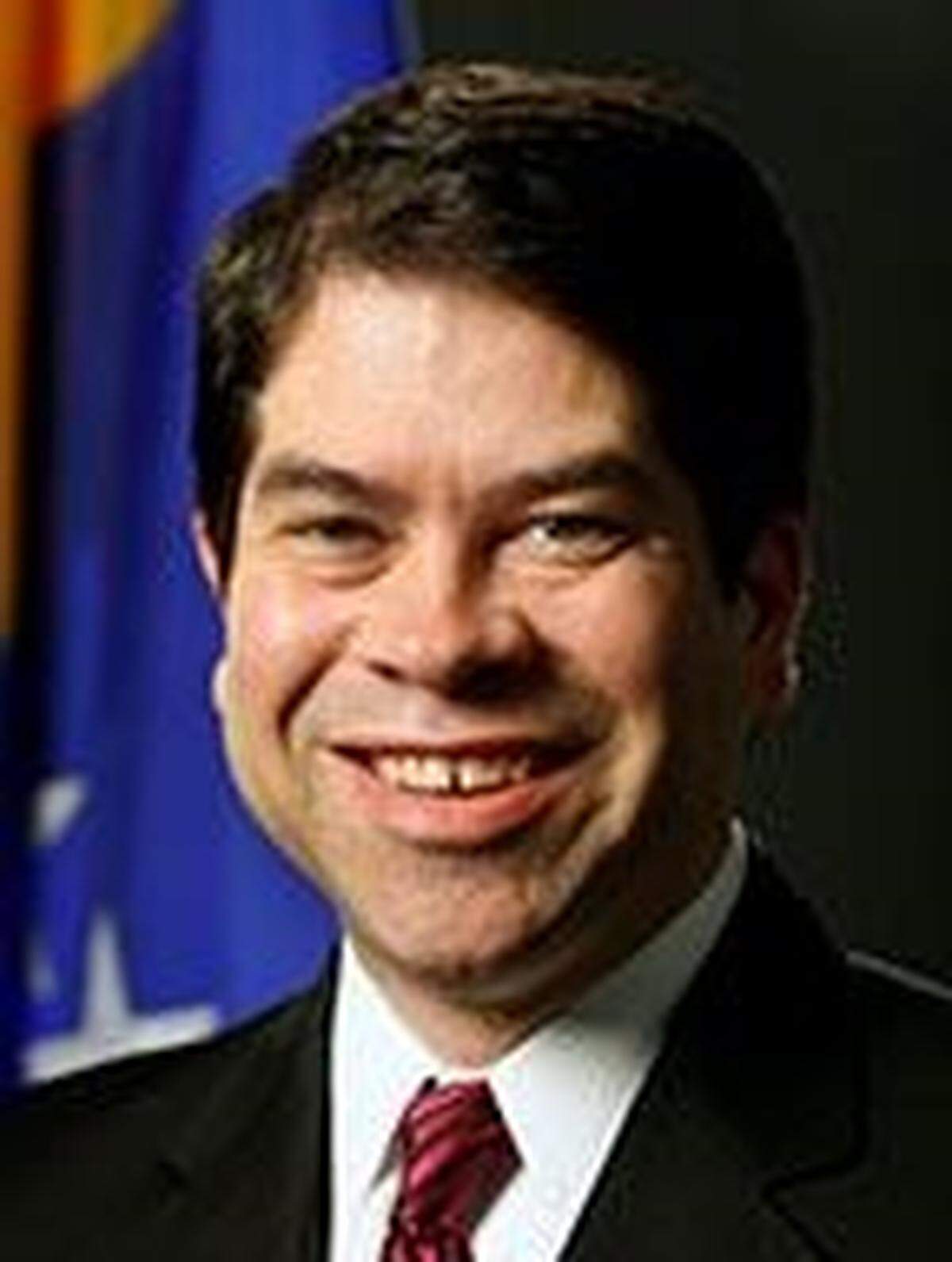
“I am angry. I am very angry tonight,” City Council member Charlie Reece said during a Monday council meeting. “Tenants at the Braswell Properties, some who have resided in the neighborhood for almost 50 years, were made aware that their property had been sold out from under them by their landlord and told to vacate by the end of this year.”
“Obviously, that is very short notice at a time of year when folks should be celebrating the holiday season — not suffering from the stress and strain of trying to find a new place to live,” Reece said.
The sudden termination of leases and other problems renters are having have council members seeking ways to strengthen protections for renters. Last month the group Bull City Tenants United presented a draft Tenants’ Bill of Rights, which the city is reviewing.
“The way in which are laws and regulations are put into place must benefit a subsection of folks in our community,” Council member DeDreana Freeman said. “This issue is not just limited to Braswell Properties.”
“We can use ERAP to address the rentals, but we don’t have a way to address the repairs just yet. And we need to make sure we are covering all sides that make our housing affordable,” Freeman said.
On Tuesday, the council voted to expand the city’s contract with Legal Aid from roughly $1.5 million to $2.6 million to provide legal guidance for an estimated 620 Durham residents at risk of eviction annually.
“I always appreciate when the community gathers around an issue like what’s happening at Braswell Properties, but that’s just another day for us here at Legal Aid,” D’Amato said. “This happens every day in Durham.”
This story was originally published December 24, 2021 at 9:24 AM.