
Durham tenants lose leases, face possible evictions after landlord sells building
Residents of an apartment complex near downtown Durham were told they had to leave by the end of the year.
Now, some of the last ones there could face evictions.
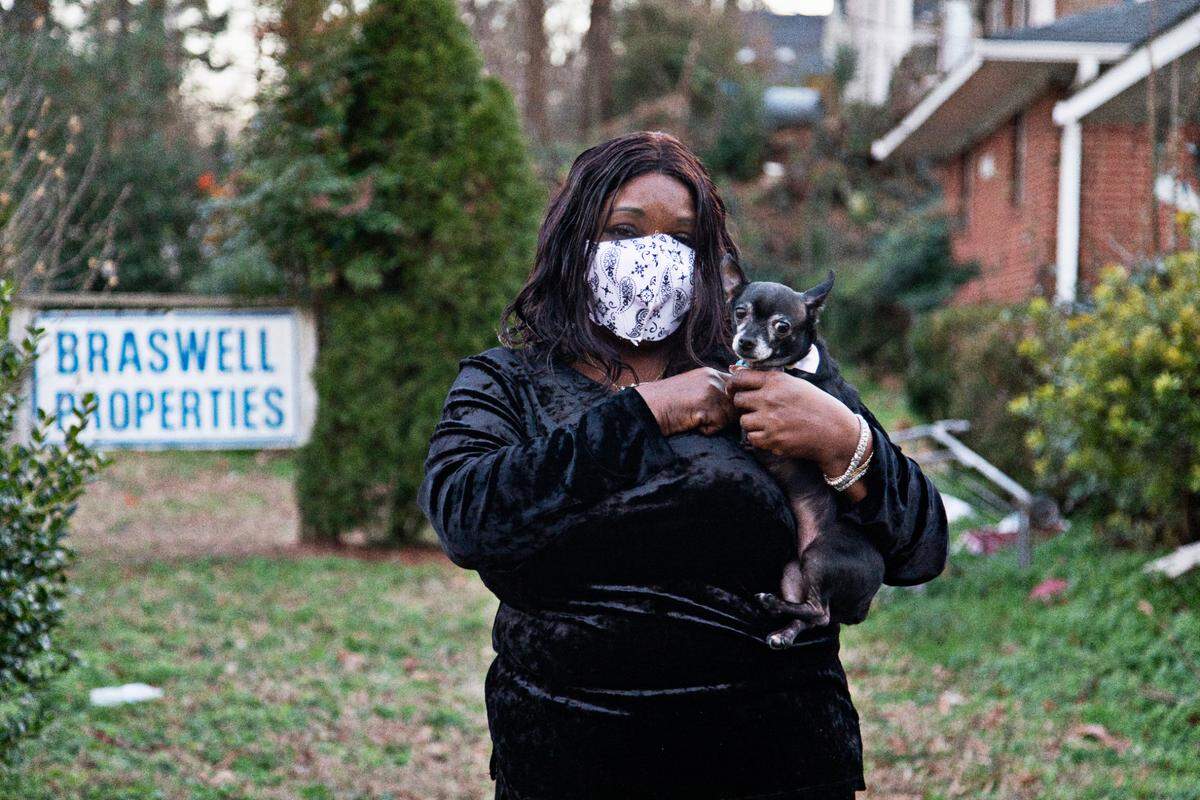
Janice Sanchez, 60, was among those who had until Dec. 31 to leave her apartment on North Buchanan Boulevard, after Braswell Properties sold the complex in October.
But only six of the 12 families — many of them low-income, disabled, elderly or with young children — have been able to do so.
Sanchez currently lives seven minutes from Duke University Hospital. So when the only affordable housing option she could find was in rural Bahama, in northern Durham County, she could not take it.
“I’ve had triple bypass surgery, four heart attacks, a stroke and have carpal tunnel,” Sanchez said. “It was somewhere off of Roxboro Road and if something were to happen to me, I don’t think the paramedics would be able to get to me in time.”
Sanchez and the other tenants were notified in late November that they had to vacate the property. Around that time, she and the other tenants began working with Bull City Tenants United, a group of renters working to strengthen tenant protections in the city.
Lily Lasher, an organizer with BCTU, said they called the property’s new manager but were told the tenants still had to leave by Dec. 31 to avoid being evicted.
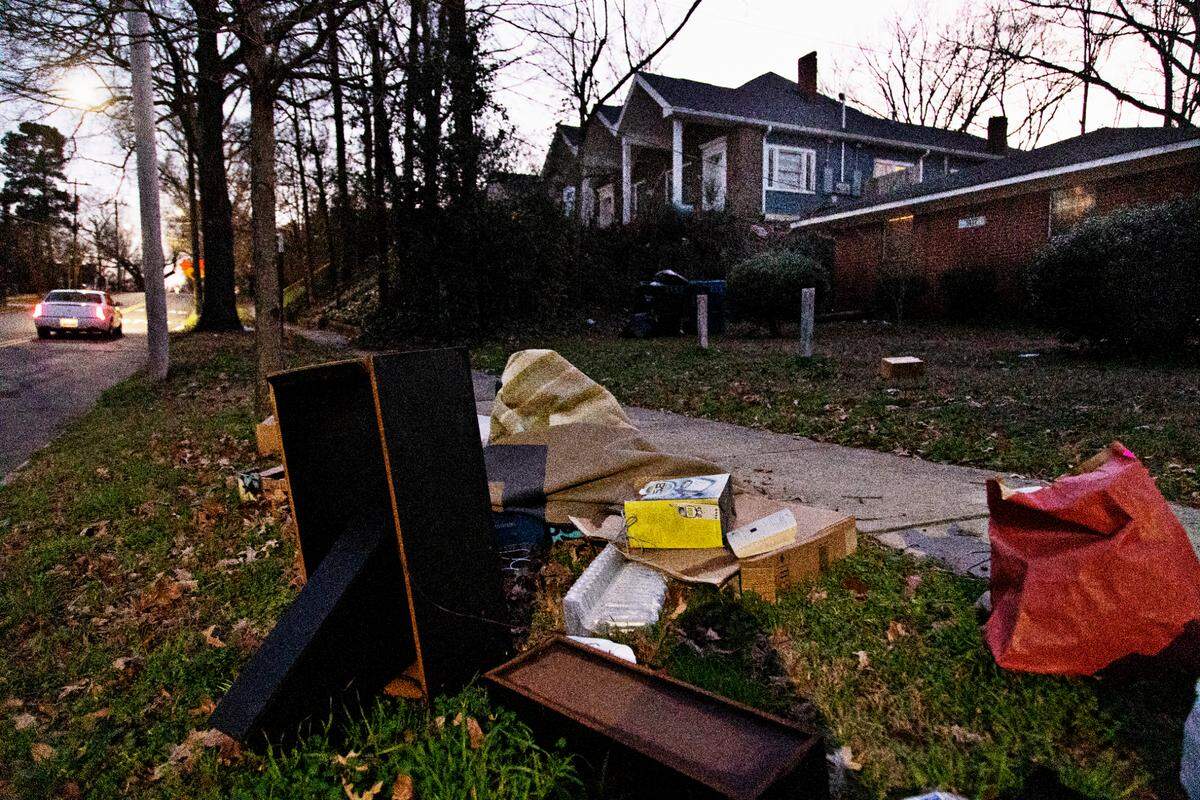
Lease agreements
Former property owner Vinston Braswell sold the buildings in the apartment complex through the brokerage firm Reformation Asset Management (RAM) to Andrea Robin Shaw and Kenneth Gorfkle, records show
Despite the November notice, RAM owner Charles Bulthuis wrote in a letter to residents, “The tenants were never being kicked out on 01/01/2022.”
All tenants were on “hold over leases,” he explained, which expire after either party terminates the lease with 30 days of written notice to the other party.
In addition, the eviction process in Durham starts with a 30-day notice of request for possession based on a material cause, like a contract non-renewal, nonpayment, lease violation, etc. In this case, the notice came Nov. 29, 2021.
After the 30 days, the owner may then file for an eviction, which can take 30 to 90 days, depending on appeals.
In 2019, the city spent hundreds of thousands of dollars to expand legal aid to such tenants. Duke University also has an eviction clinic, but advocates say the demand far exceeds the help available.
“The eviction system is incredibly fast and unjust,” Lasher said. “In North Carolina, if tenants do not have lawyers, which are not provided to tenants for free, then the eviction process can take only a few weeks.”
According to the N.C. Housing Coalition, 46%, of Durham County households that rent are cost burdened, meaning they spend more than 30% of their income on rent and utilities. The coalition estimated a family needed $46,360 in annual income last year to afford the typical two-bedroom apartment in the county.
The new property owners had not filed for eviction on any of the Braswell tenants as of Wednesday. But if they do, it would become part of the tenants’ credit history — potentially making it harder for them to find housing in the future.
Assistance
RAM has offered to help some tenants move, with transportation to its offices, free assistance in finding new homes, waived application fees, deposits and first month’s rent paid though Durham’s Housing for New Hope.
But Sanchez said she and others need more time.
“We have been trying to find housing, but it’s not easy, because everything is so high and we don’t have any income,” she said. “We are trying to wait on all types of assistance to see which way we can go; right now we don’t know which way to go.”
Bulthuis told ABC11, The News & Observer’s media partner, that the apartments need over $700,000 in repairs.
The tenants question that.
“If they say that they need us to leave to make repairs, we know that that is not true,” Sanchez added. “We had the city inspectors to come in. They are saying that none of them are unlivable, so they can’t use that as an excuse to kick us out.”
Vivian Cogwell, 81, has lived in her unit for 21 years, is one of those finding another place she can afford.
“It would take [my] whole Social Security check just to pay the rent for the places [I am] finding right now,” she said.
Durham City Council members are seeking ways to strengthen protections for renters around the city.
“We have provided the information to the residents about the services that they can access that we fund with public money. But we cannot get involved in those contractual terms, unless we were the ones buying those units,” Council member Javiera Caballero said.
The local coalition of renters, BCTU, presented a draft Tenants’ Bill of Rights to the council in November.
The city’s Neighborhood Improvement Services staff is expected to offer its response to the draft during a council work session on Thursday.
This story was originally published January 6, 2022 at 5:30 AM.