
2 sites in Durham’s Hayti neighborhood join National Register of Historic Places
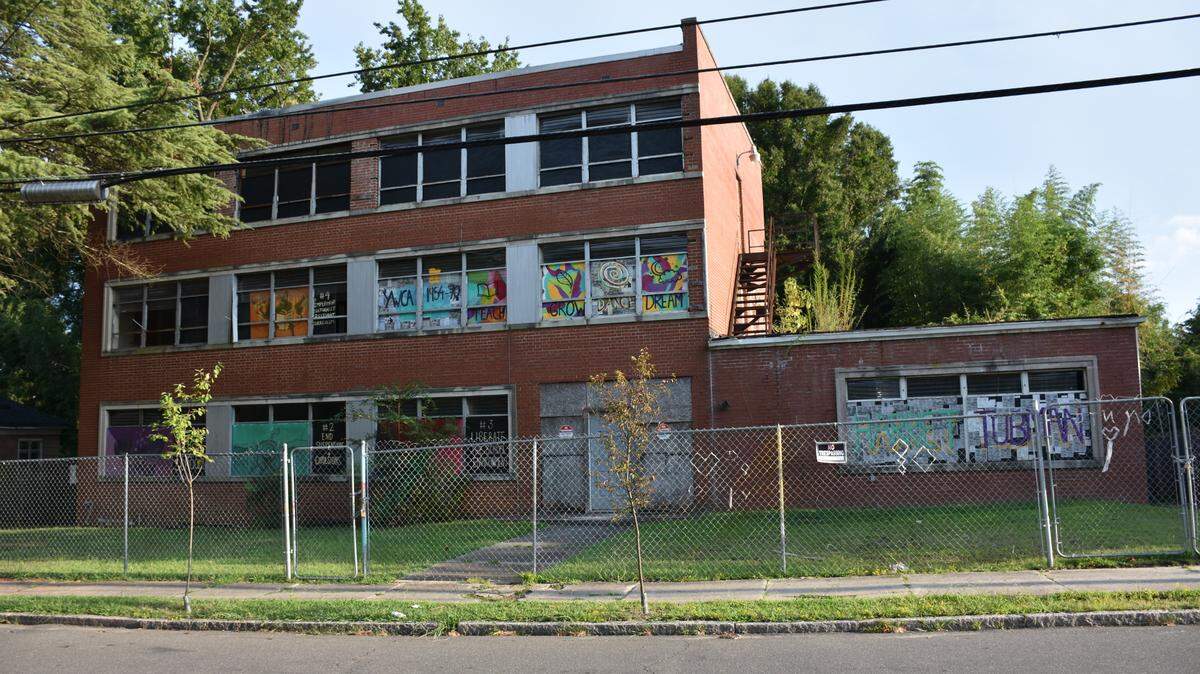
Two Durham sites have received national recognition for their importance to the city’s Black American heritage.
St. Joseph African Methodist Episcopal Church and the Harriet Tubman YWCA are among 11 new locations in North Carolina added to the National Register of Historic Places, an honor that recognizes architectural significance and contributions to American history.
Both are in the Hayti neighborhood, a once-thriving district dubbed “Black Wall Street” that was largely destroyed by urban renewal and the construction of the Durham Freeway.
The original St. Joseph’s, at 804 Fayetteville St., was built in 1891 and has the most intact African American sanctuary of any denomination in Durham. In 1976, the congregation moved and the church was listed on the National Register for the first time. The new recognition reflects additional documentation on its role in the Civil Rights Movement.
The Harriet Tubman YWCA at 312 E. Umstead St. was a base for organizers in Durham’s civil and women’s rights movements. It opened in 1953 after being built by African Americans in a segregated Durham and also served as a residence for young women moving to the city, including Virginia Williams, a civil rights activist, who was one of the seven people to integrate a Durham ice cream parlor.
“If we don’t work to preserve these treasures, they’re not guaranteed to stay with us,” said Angela Lee, the director for the Hayti Heritage Center, which operates out of the old St. Joseph AME Church.
After applicants submit information about potential historic sites, the state Historic Preservation Office submits nominations to the National Register. The approval process can take over a year. The national list includes over 3,000 sites in the state.
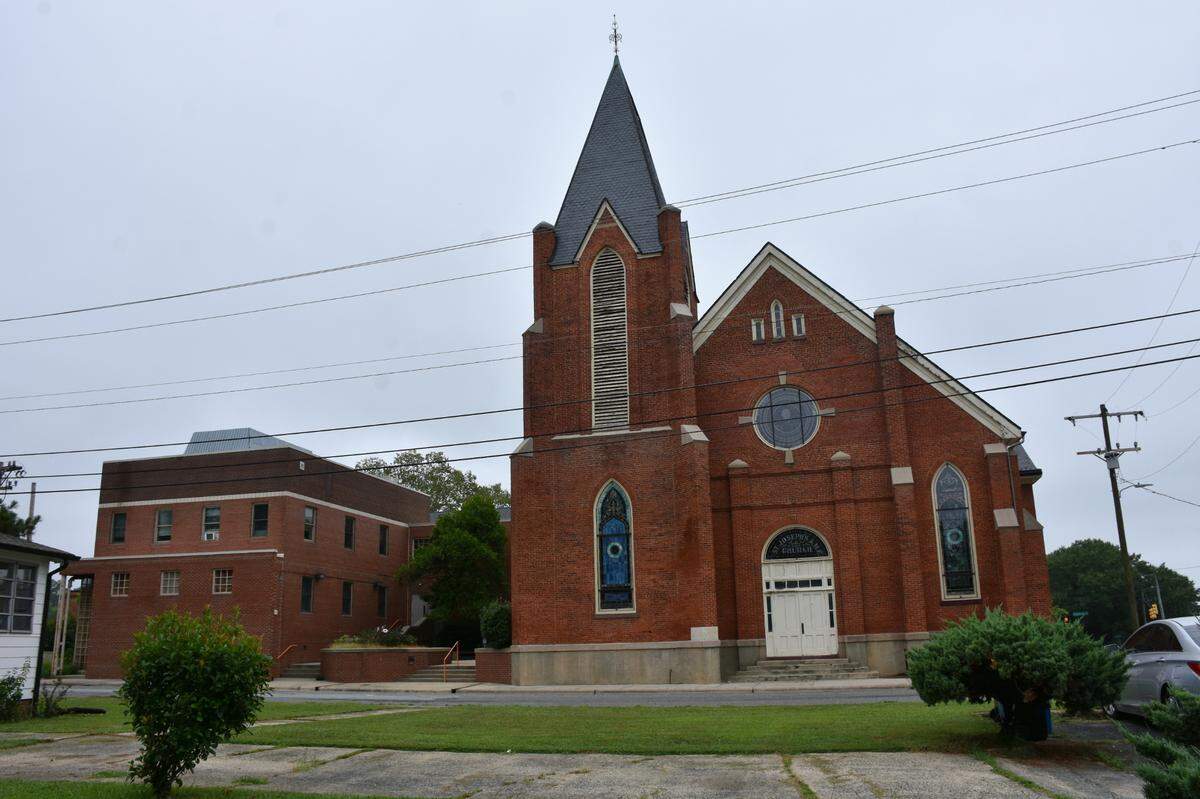
St. Joseph African Methodist Episcopal Church
The National Register recognition for St. Joseph’s in 1976 saved the church from being demolished when Durham’s Black neighborhoods were falling victim to urban renewal.
During the Civil Rights Movement, St. Joseph’s and White Rock Baptist Church, at 3400 Fayetteville St., served as places for meetings, voter registration, and civic engagement. The church also partnered on education programs with N.C. Central University, also on Fayetteville Street, and Duke University.
Jonathan C. Augustine, the current pastor of St. Joseph’s AME, now located two miles south of the old church at 2521 Fayetteville St., said the church has a “legacy of leadership.”
“St. Joseph’s is a church that has been at the forefront of the civil rights but prior to that, it was at the forefront of abolition going back to its inception in 1869 and the forefront of pushing for equality among all people,” he said in an interview Monday.
The church was founded by Edian Markham, an AME missionary and former enslaved man who came to Durham after the Civil War. The Gothic Revival-style sanctuary was designed by Samuel L. Leary, and the bricks were supplied by Richard Burton Fitzgerald, a Black businessman in Durham.
Today, the church is “writing history,” Augustine said, as it continues to be a place where faith leaders address current issues.
Lee said the Hayti Heritage Center applied for the additional recognition because the church’s role during the movement was important.
This year, the center is celebrating 50 years of arts and cultural service in Durham and soon, the revitalized Hayti Community Mural will be unveiled, Lee said.
“Even though we’re an arts organization, we’re continuing to do what the church did: providing a place for safety, a place of healing, a place of joy,” Lee said. “We’re simply continuing the tradition and the experience, but most importantly, preserving our stories. It’s important that we continue to keep pushing forward and impact the knowledge so that future generations will always know.”
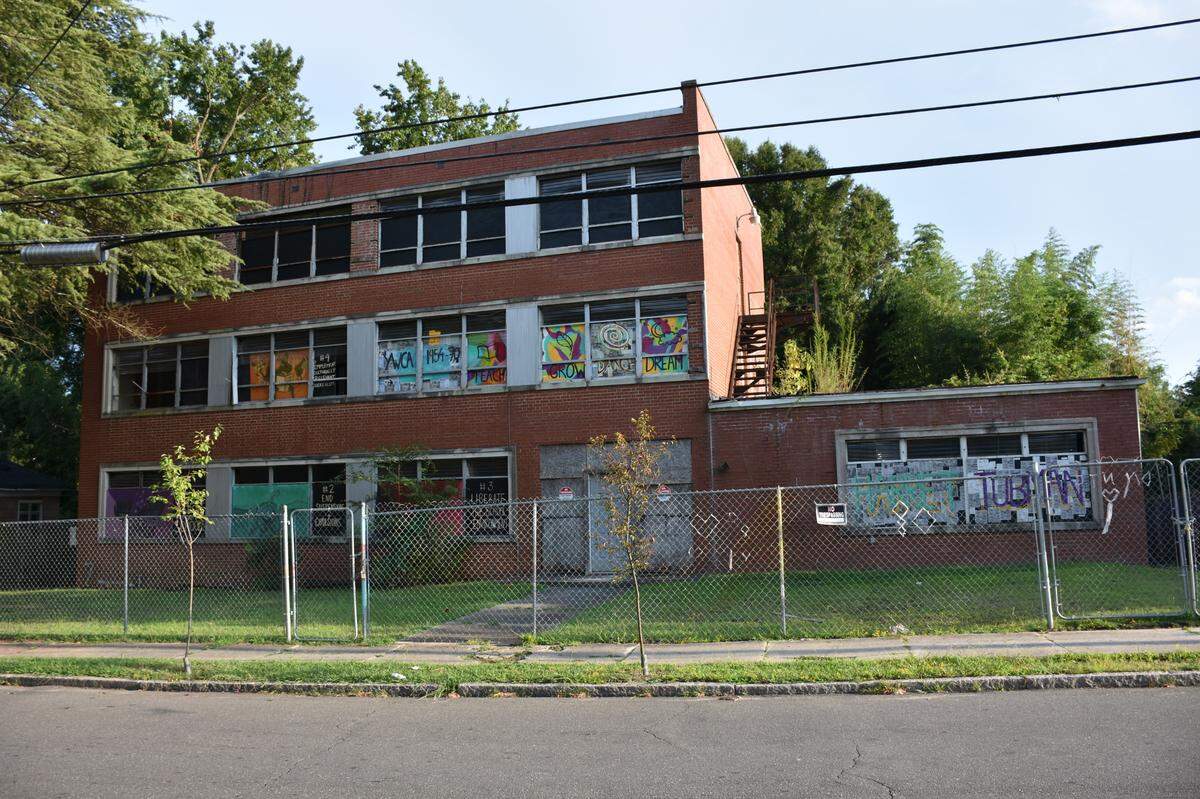
Harriet Tubman YWCA
Three years ago, the city of Durham received $1 million in a Community Development Block Grant to revitalize the Harriet Tubman YWCA. The building was once full of young people who lived there and met for gatherings until all activity stopped in the 1970s, during the city’s redevelopment.
The vacant building became a site for crime, asbestos and was at risk for demolition until Reinvestment Partners, a Durham-based nonprofit, bought it for $304,500 in 2019, according to a report by INDY Week.
They want to raise $2.5 million to build 17 affordable apartments on the property and began the lengthy application process last year for National Register recognition to help preserve its legacy.
Peter Skillern, the chief executive officer, said the National Register listing requires them to maintain most of the original building’s architecture.
“This investment is a collective community investment of bringing back the community for today and tomorrow, and honoring the past,” Skillern said. “The funding is coming from the county, the city, Congress, the National Park Service. … there’s a lot of community engagement that makes all of that possible.”
Skillern said that in addition to the YWCA, the W. G. Pearson Elementary School, the Whitted School, the Stanford L. Warren Library were part of the “backbone of the social infrastructure” of Durham’s Southside. The YWCA is the last building in need of revitalization.
Construction on the new apartments could begin this year, Skillern said.
The listing on the National Register is primarily honorary and doesn’t come with any restrictions or protections, according to Sarah Woodward, the survey and national register branch supervisor for the state Department of Conservation and Natural Resources.
However, some sites have restrictions or protections if a private property owner is using federal funds or licensing for a project at or near the historic place, if the state Department of Transportation is using federal money to widen or build a road near the site, or if a city is using federal grant money like a block grant to preserve the site.
Uniquely NC is a News & Observer subscriber collection of moments, landmarks and personalities that define the uniqueness (and pride) of why we live in the Triangle and North Carolina.
This story was originally published April 1, 2025 at 5:30 AM.